TECNAM P2002 SIERRA Model Guide
TECNAM P2002 SIERRA · Model Guide
Overview
The TECNAM P2002 SIERRA is a single-engine piston aircraft. The supplied sources are checklists for the P2002 JF version. They describe a canopy cockpit, two fuel tanks, an electric fuel pump, carburettors and a coolant-cooled engine. The JF is certified in the normal category under EASA CS-VLA. The sources give no weight, range, seat count or price, so check those against the aircraft's own manual.
- The checklists cover the P2002 JF. It is certified in the normal category under EASA CS-VLA, and one checklist is titled 'No Night VFR'.
- Key speeds (KIAS): rotate 42, climb Vy 66, Vne 142, stall 41 clean and 33 in landing configuration.
- Use carb heat only if necessary at idle rpm. Using it at 1800 rpm or above can cause fuel boiling and engine failure.
- The checklists disagree on some figures (final approach 55 vs 51 kt, Vfe 69 vs 67 kt). Confirm against the aircraft's own AFM.
Summary written by AI from the source document. Check the original before relying on it. See which parts of Sprinkle are written by AI.
Reference only, not for flight. Use the current approved manual for your aircraft. See terms, section 5.
Document
Source
Copy found at sprinkle.com. Sprinkle hosts a reference copy with an added summary, specifications and searchable full text.
Document details
- Type ·
- Model Guide
- Year ·
- 2026
- File size ·
- 47 KB
- Copy found at ·
- sprinkle.com
Specifications & performance
Extracted from this document.
V-speeds
- BEST_GLIDE_KTS ·
- 69
- ROTATION_SPEED_KTS ·
- 42
- STALL_CLEAN_VS_KTS ·
- 41
- NEVER_EXCEED_VNE_KTS ·
- 142
- STALL_LANDING_VS0_KTS ·
- 33
- BEST_RATE_CLIMB_VY_KTS ·
- 66
- BEST_ANGLE_CLIMB_VX_KTS ·
- 56
- MANEUVERING_SPEED_VA_KTS ·
- 100
Is the TECNAM P2002 SIERRA cleared for night VFR?
One TECNAM P2002 SIERRA (P2002JF) checklist is titled 'No Night VFR'. The other sources do not address it. Confirm the status of any specific aircraft in its own documents.
What are the stall speeds of the TECNAM P2002 SIERRA?
The P2002 JF checklist lists a clean stall of 41 kt and a landing-configuration stall of 33 kt. In a 30° turn the clean stall is 44 kt, and in a 60° turn it is 69 kt.
What should I check on the engine of a TECNAM P2002 SIERRA?
Check coolant and oil levels, radiators, fuel circuit leaks and propeller free rotation. At run-up check the magneto drop (maximum 130 rpm), oil pressure rise within 10 seconds and the carb heat rpm drop.
What is the TECNAM P2002 SIERRA Model Guide?
The TECNAM P2002 SIERRA Model Guide is a model guide for the TECNAM P2002 SIERRA, dated 2026.
What year was the TECNAM P2002 SIERRA Model Guide published?
The TECNAM P2002 SIERRA Model Guide — the TECNAM P2002 SIERRA model guide on file — is dated 2026.
Common. More common than 92% of the aircraft models we track.
Most owners only have the POH. Here's the essential set for the TECNAM P2002 SIERRA.
- Pilot's Operating Handbook / AFM
- Checklist
- Maintenance Manual
- Parts Catalog (IPC)
- Systems & Wiring
- Service Bulletins on file
- Type Certificate (TCDS)
TECNAM P2002 SIERRA for sale now
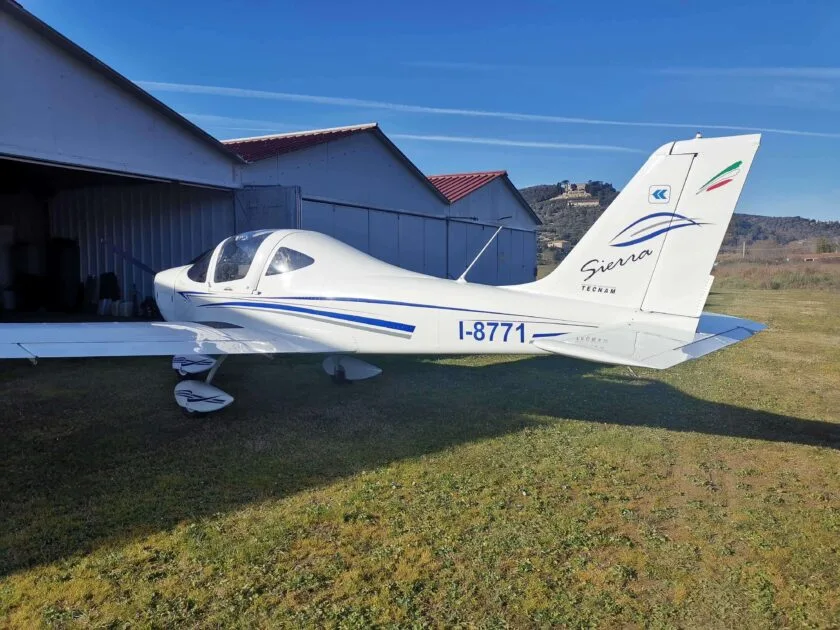
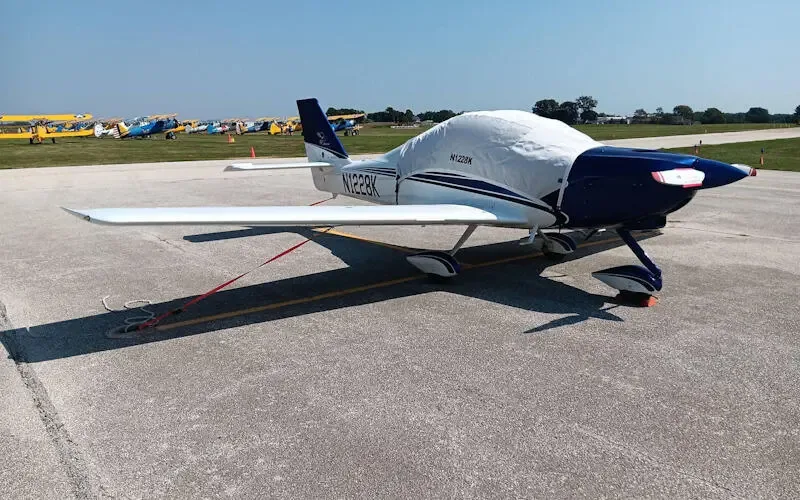
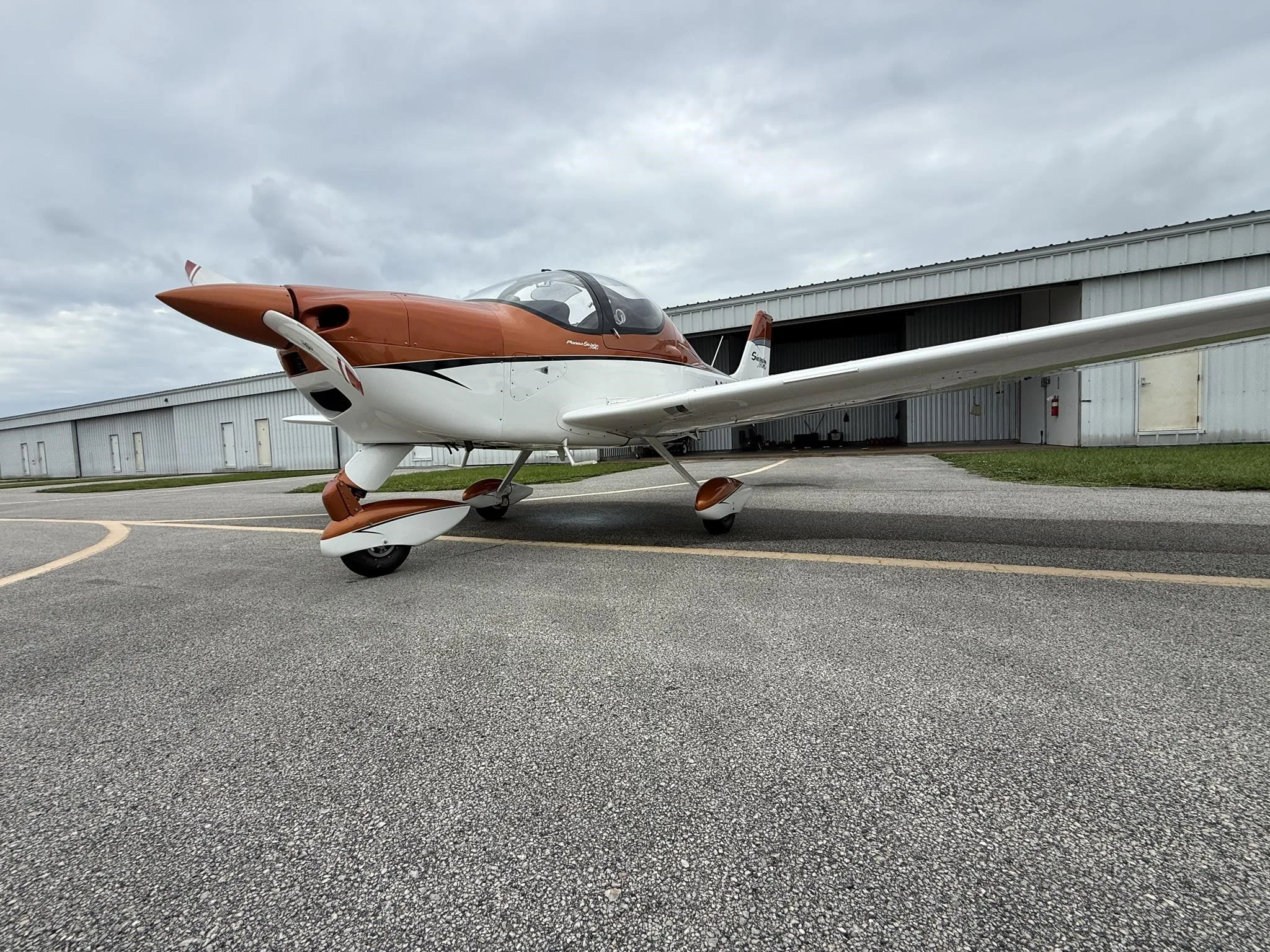
Free — save the P-2002 to your watchlist and track it in one place.
More TECNAM P2002 SIERRAmanuals & documents
Related documents
If you fly the TECNAM P2002 SIERRA, you may also be researching these.

In this document
What to check on inspection
Drain both fuel tanks and the gascolator and look for water. Check the coolant level in the overflow bottle and, before the first flight of the day, the expansion tank. Check the oil level, radiators and silent-block mounts. Turn the propeller by hand and check it rotates freely. Check all three tyres and the pitot and static ports.
Engine and run-up figures
Oil pressure must rise within 10 seconds of start, and minimum fuel pressure with the pump off is 2.2 psi. At run-up the maximum magneto drop is 130 rpm and the maximum difference between magnetos is 50 rpm. Take-off power is 2100 +/- 100 rpm, then reduce to 2250 rpm or below.
Emergency and handling notes
The checklist separates time-critical items to be known by heart from items that can be read step by step. After a generator failure the battery can supply power for about 20 minutes. If the canopy is locked or will not slide, break it with the hammer. In-flight restart is listed for below 4000 ft.
Summary written by AI from the source document. Check the original before relying on it. See which parts of Sprinkle are written by AI.
Safety notes
- Carb heat at or above 1800 rpm can lead to fuel boiling and engine failure; use it only when necessary at idle rpm.
- Engine failure up to 500 ft AGL: land straight ahead. Above 500 ft AGL the briefing is to turn around and land on the runway with a tail wind.
- If the canopy is locked or does not slide in an evacuation, break it using the hammer. Check the hammer is on board before flight.
Summary written by AI from the source document. Check the original before relying on it. See which parts of Sprinkle are written by AI.
Full document text
TECNAM P2002 SIERRA Model Guide The TECNAM P2002 SIERRA is a single-engine piston aircraft. The supplied sources are checklists for the P2002 JF version. They describe a canopy cockpit, two fuel tanks, an electric fuel pump, carburettors and a coolant-cooled engine. The JF is certified in the normal category under EASA CS-VLA. The sources give no weight, range, seat count or price, so check those against the aircraft's own manual. • The checklists cover the P2002 JF. It is certified in the normal category under EASA CS-VLA, and one checklist is titled 'No Night VFR'. • Key speeds (KIAS): rotate 42, climb Vy 66, Vne 142, stall 41 clean and 33 in landing configuration. • Use carb heat only if necessary at idle rpm. Using it at 1800 rpm or above can cause fuel boiling and engine failure. • The checklists disagree on some figures (final approach 55 vs 51 kt, Vfe 69 vs 67 kt). Confirm against the aircraft's own AFM. What to check on inspection Drain both fuel tanks and the gascolator and look for water. Check the coolant level in the overflow bottle and, before the first flight of the day, the expansion tank. Check the oil level, radiators and silent-block mounts. Turn the propeller by hand and check it rotates freely. Check all three tyres and the pitot and static ports. Engine and run-up figures Oil pressure must rise within 10 seconds of start, and minimum fuel pressure with the pump off is 2.2 psi. At run-up the maximum magneto drop is 130 rpm and the maximum difference between magnetos is 50 rpm. Take-off power is 2100 +/- 100 rpm, then reduce to 2250 rpm or below. Emergency and handling notes The checklist separates time-critical items to be known by heart from items that can be read step by step. After a generator failure the battery can supply power for about 20 minutes. If the canopy is locked or will not slide, break it with the hammer. In-flight restart is listed for below 4000 ft. Safety notes: • Carb heat at or above 1800 rpm can lead to fuel boiling and engine failure; use it only when necessary at idle rpm. • Engine failure up to 500 ft AGL: land straight ahead. Above 500 ft AGL the briefing is to turn around and land on the runway with a tail wind. • If the canopy is locked or does not slide in an evacuation, break it using the hammer. Check the hammer is on board before flight.