Beechcraft B36TC Bonanza Model Guide
Beechcraft B36TC Bonanza · Model Guide
Overview
The Beechcraft B36TC Bonanza is a turbocharged single-engine piston Bonanza built from 1982 to 2005, seating 4 to 6. It adds Baron wing tips and a strengthened wing to the A36TC, which gives it far more fuel capacity. It cruises high and fast. Buyers should check the turbo system, weight and balance, and several airworthiness items.
- Gross weight is 3,850 lb and useful load 1,528 lb, up from the A36TC's 3,650 lb and 1,397 lb (1983 AOPA Pilot report).
- Usable fuel is 102 gal, about 5.25 hours at 75% power and 20,000 ft with a 45-minute reserve. The A36TC with optional tanks managed 3.8 hours.
- At FL250 it cruises at 200 kt at 79% power (16.6 gph) or 162 kt at about 54% power (11.2 gph).
- With full fuel and only the front seats occupied, turbo Bonanzas commonly sit forward of the CG limit. Ballast in the aft baggage area may be needed.
Summary written by AI from the source document. Check the original before relying on it. See which parts of Sprinkle are written by AI.
Reference only, not for flight. Use the current approved manual for your aircraft. See terms, section 5.
Document
Source
Copy found at sprinkle.com. Sprinkle hosts a reference copy with an added summary, specifications and searchable full text.
Document details
- Type ·
- Model Guide
- Year ·
- 2026
- File size ·
- 51 KB
- Copy found at ·
- sprinkle.com
Specifications & performance
Extracted from this document.
Specifications
- Seats max ·
- 6
- Seats min ·
- 4
- Usable fuel (gal) ·
- 102
- Max operating altitude (ft) ·
- 25,000
Performance
- Max cruise speed (kt) ·
- 200
- Economy cruise speed (kt) ·
- 162
- Max cruise fuel flow (gph) ·
- 16.6
- Economy cruise fuel flow (gph) ·
- 11.2
Weight & balance
- Useful load (lb) ·
- 1,528
- Max gross weight (lb) ·
- 3,850
How much fuel does the Beechcraft B36TC Bonanza carry?
The Beechcraft B36TC Bonanza has 102 gal of usable fuel in four leading-edge bladders (40 gal and 14 gal in each wing). That is 30 gal more than an A36TC with optional tanks.
How fast is the Beechcraft B36TC Bonanza?
At FL250 the Beechcraft B36TC Bonanza cruises at 200 kt at 79% power (16.6 gph) and 162 kt at about 54% power (11.2 gph), per a 1983 AOPA Pilot report. It is only a knot or two faster than the A36TC.
What loading issue should Beechcraft B36TC Bonanza buyers know?
The Beechcraft B36TC Bonanza is commonly forward of the CG limit with full fuel and only the front seats occupied. Ballast in the aft baggage area may be required. Landing CG must also be computed.
What is the Beechcraft B36TC Bonanza Model Guide?
The Beechcraft B36TC Bonanza Model Guide is a model guide for the Beechcraft B36TC Bonanza, dated 2026.
What year was the Beechcraft B36TC Bonanza Model Guide published?
The Beechcraft B36TC Bonanza Model Guide — the Beechcraft B36TC Bonanza model guide on file — is dated 2026.
Common. More common than 99% of the aircraft models we track.
Most owners only have the POH. Here's the essential set for the Beechcraft B36TC Bonanza.
- Pilot's Operating Handbook / AFM
- Checklist
- Maintenance Manual
- Parts Catalog (IPC)
- Systems & Wiring
- Service Bulletins on file
- Type Certificate (TCDS)
Beechcraft B36TC Bonanza for sale now
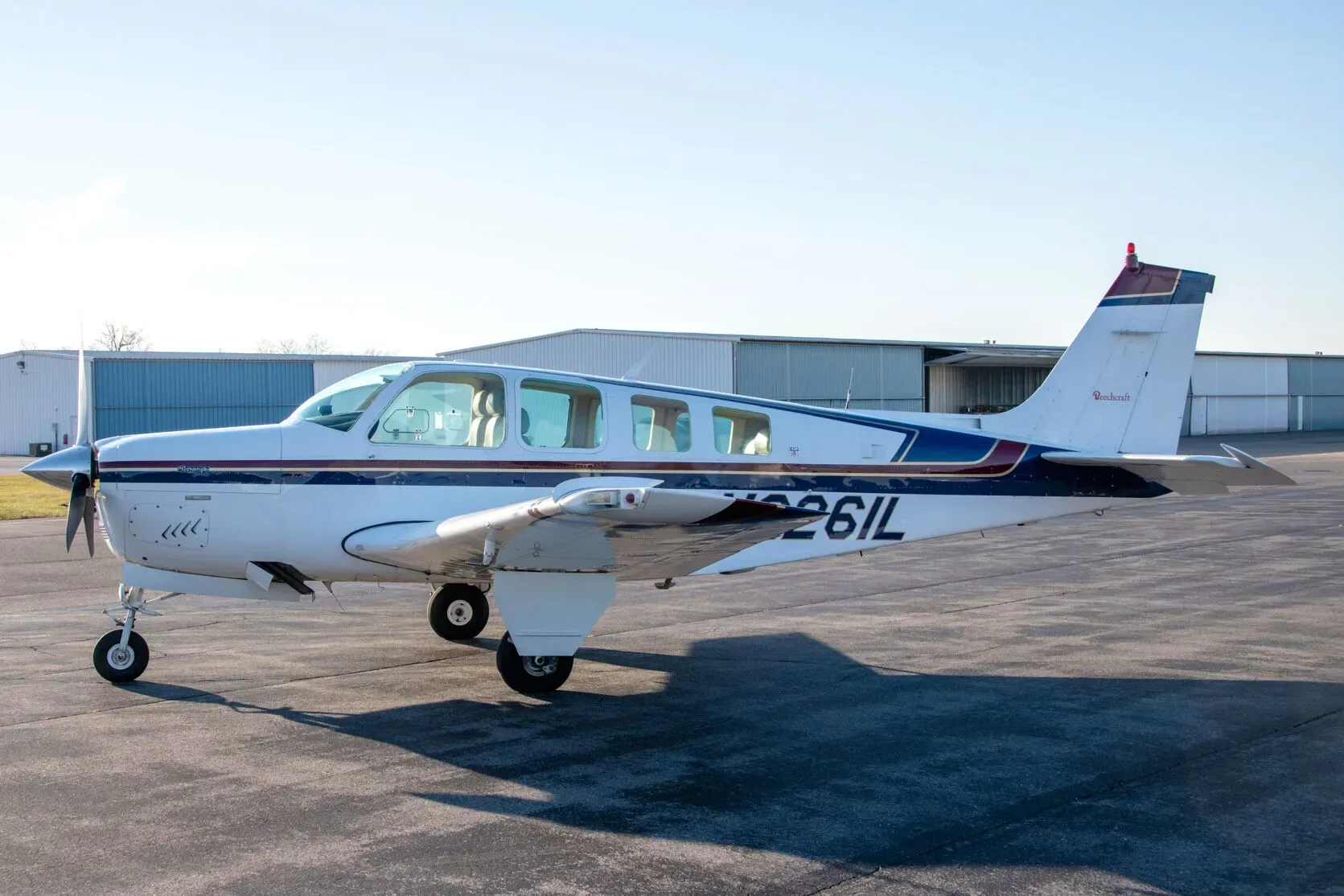
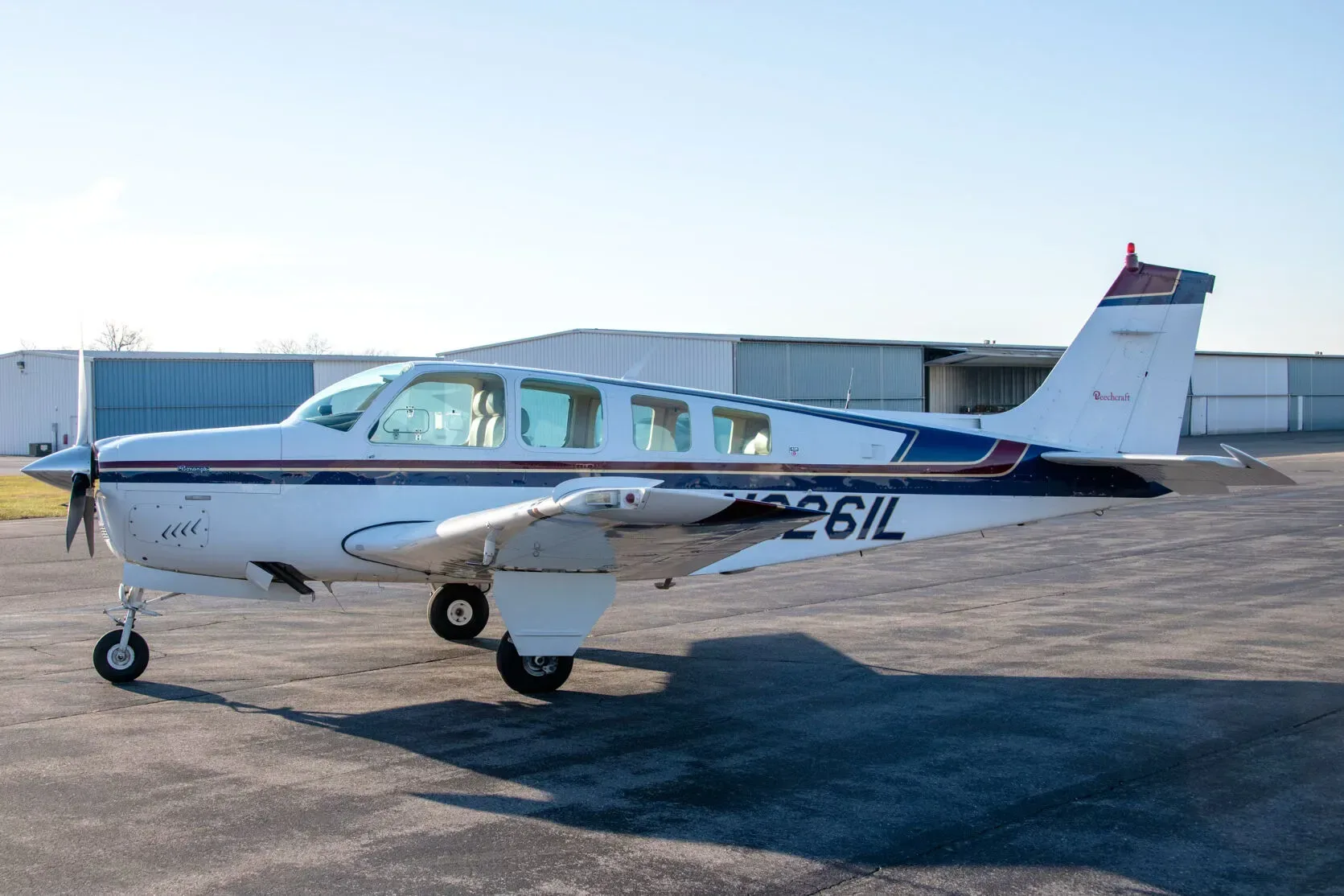
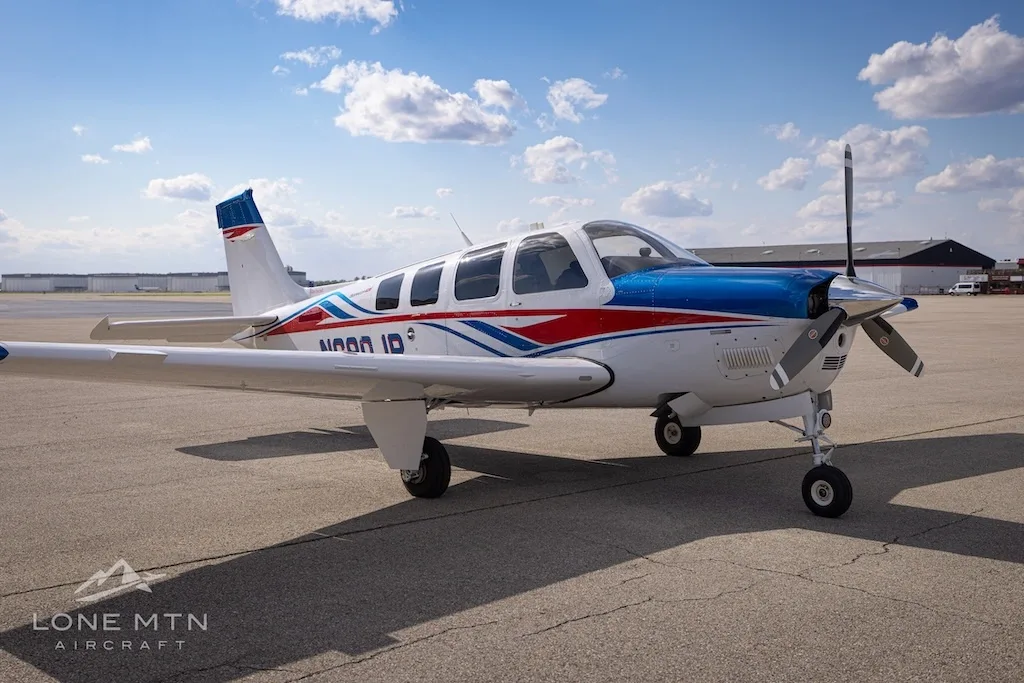
Free — save the 36 to your watchlist and track it in one place.
More Beechcraft B36TC Bonanzamanuals & documents
- Airworthiness Directive AD/BEECH 36/43 Amdt 6Airworthiness Directives
- SkyView HDX - Autopilot Servo Installation & Maintenance ManualAvionics Manual
- AIRWORTHINESS DIRECTIVEAirworthiness Directives
- ABS/BPPP Guide to Initial Pilot Checkout: A36TC/B36TC BonanzasPilot's Operating Handbook
- SCHEDULE OF AIRWORTHINESS DIRECTIVESAirworthiness Directives
- SERVICE BULLETIN MANDATORYService Bulletins
- Beech B36TC BonanzaPilot's Operating Handbook
- Performance Data for Beechcraft A36 BonanzaPerformance Data
- Airplane Flight ManualFlight Manual
Related documents
- Beechcraft A36TC Bonanza Model GuideBeechcraft A36TC Bonanza · Model Guide
- Beechcraft A36 Bonanza Model GuideBeechcraft A36 Bonanza · Model Guide
- Beechcraft G36 Bonanza Model GuideBeechcraft G36 Bonanza · Model Guide
- Beechcraft V35B Bonanza Model GuideBeechcraft V35B Bonanza · Model Guide
- Performance Data for Beechcraft A36 BonanzaBeechcraft B36TC Bonanza · Performance Data
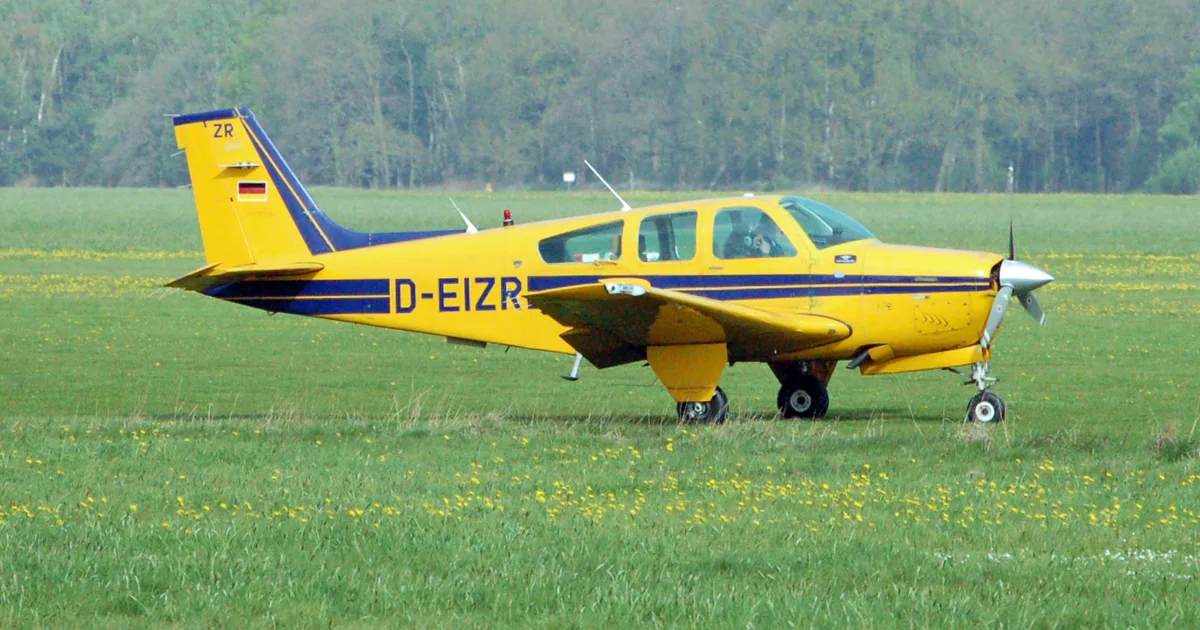
If you fly the Beechcraft B36TC Bonanza, you may also be researching these.


In this document
What changed from the A36TC
Baron wing tips added 52 inches of wingspan. The wing was strengthened with the Model 58 Baron main spar and fuselage carry-through structure. Each leading edge holds two interconnected fuel bladders, one of 40 gal and one of 14 gal. Dual vortex generators on the outboard leading edges were added to improve spin characteristics.
Handling and checkout
The 1983 AOPA Pilot report found mixed stall results. One pilot found stalls gentle, while another saw a sharp right-wing roll-off in power-off stalls, possibly from an out-of-rig airplane. Spins are prohibited. The American Bonanza Society recommends a checkout with an instructor who knows the model, and a careful read of the POH and its supplements, including the Turbine Inlet Temperature (TIT) limit.
Airworthiness items to verify
Check records for: SB 53-3341 (missing right-hand fuselage rivets; B36TC serials EA-242 and EA-273 through EA-635); the wing forward spar carry-through AD (B36TC to EA-471); flap flex shaft replacement (serials EA-652 through EA-677 are noted); and wing bolt, nut and fitting inspection, with a 20-year bolt life. The AD documents provided are Australian CASA directives.
Summary written by AI from the source document. Check the original before relying on it. See which parts of Sprinkle are written by AI.
Safety notes
- Flight in icing conditions is prohibited unless the airplane is modified by STC. Spins are prohibited.
- Compute landing CG as well as takeoff CG. CG shifts aft with fuel burn, so endurance may be limited to stay within landing CG limits.
- The CASA wing bolt AD requires a recess corrosion check every 12 calendar months, with bolt inspection every 10 years (private) or 5 years (other operations).
Summary written by AI from the source document. Check the original before relying on it. See which parts of Sprinkle are written by AI.
Full document text
Beechcraft B36TC Bonanza Model Guide The Beechcraft B36TC Bonanza is a turbocharged single-engine piston Bonanza built from 1982 to 2005, seating 4 to 6. It adds Baron wing tips and a strengthened wing to the A36TC, which gives it far more fuel capacity. It cruises high and fast. Buyers should check the turbo system, weight and balance, and several airworthiness items. • Gross weight is 3,850 lb and useful load 1,528 lb, up from the A36TC's 3,650 lb and 1,397 lb (1983 AOPA Pilot report). • Usable fuel is 102 gal, about 5.25 hours at 75% power and 20,000 ft with a 45-minute reserve. The A36TC with optional tanks managed 3.8 hours. • At FL250 it cruises at 200 kt at 79% power (16.6 gph) or 162 kt at about 54% power (11.2 gph). • With full fuel and only the front seats occupied, turbo Bonanzas commonly sit forward of the CG limit. Ballast in the aft baggage area may be needed. What changed from the A36TC Baron wing tips added 52 inches of wingspan. The wing was strengthened with the Model 58 Baron main spar and fuselage carry-through structure. Each leading edge holds two interconnected fuel bladders, one of 40 gal and one of 14 gal. Dual vortex generators on the outboard leading edges were added to improve spin characteristics. Handling and checkout The 1983 AOPA Pilot report found mixed stall results. One pilot found stalls gentle, while another saw a sharp right-wing roll-off in power-off stalls, possibly from an out-of-rig airplane. Spins are prohibited. The American Bonanza Society recommends a checkout with an instructor who knows the model, and a careful read of the POH and its supplements, including the Turbine Inlet Temperature (TIT) limit. Airworthiness items to verify Check records for: SB 53-3341 (missing right-hand fuselage rivets; B36TC serials EA-242 and EA-273 through EA-635); the wing forward spar carry-through AD (B36TC to EA-471); flap flex shaft replacement (serials EA-652 through EA-677 are noted); and wing bolt, nut and fitting inspection, with a 20-year bolt life. The AD documents provided are Australian CASA directives. Safety notes: • Flight in icing conditions is prohibited unless the airplane is modified by STC. Spins are prohibited. • Compute landing CG as well as takeoff CG. CG shifts aft with fuel burn, so endurance may be limited to stay within landing CG limits. • The CASA wing bolt AD requires a recess corrosion check every 12 calendar months, with bolt inspection every 10 years (private) or 5 years (other operations).