
STC Compatibility with Previous Modifications
Supplemental Type Certificate for the Cessna 170B
PDF, 2 pages, 234 KB, from Sprinkle’s own files.
What it covers
This document provides guidance on the compatibility of Supplemental Type Certificate (STC) modifications for aircraft, specifically focusing on the Piper PA-22 Tri-Pacer among others. It outlines the responsibilities of installers in determining whether new modifications are compatible with existing ones. The document emphasizes that the FAA only evaluates the specific modifications listed in the STC and that it is the installer's responsibility to ensure compatibility with all other modifications. It also highlights potential hazards associated with incompatible modifications and offers guidance on how to assess compatibility issues.
Key points
- The installer is responsible for determining STC compatibility with existing modifications.
- Not all STC modifications are compatible; specific examples are provided in the document.
- Modifications can affect aircraft limitations, structure, and aerodynamics.
- Installers should ask critical questions to assess compatibility before proceeding with modifications.
- The FAA only evaluates the modifications specified in the STC, not the overall compatibility with other modifications.
Main sections
STC Compatibility Overview
The document explains that not all STC modifications are compatible with each other. It lists specific examples of modifications that may lead to issues, such as installing floats with a gross weight increase or adding a GPS system that could lose navigation capabilities during IFR flight.
Installer Responsibilities
It is the responsibility of the installer to determine if a new STC modification is compatible with existing modifications on the aircraft. This includes evaluating the effects of the modification on aircraft limitations, structure, and aerodynamics.
Determining Compatibility
The document provides guidance on how to assess compatibility by asking critical questions about the modification's impact on aircraft limitations, structure, and previous modifications. It emphasizes the importance of thorough investigation when modifications could affect safety.
Examples of Modifications
Several examples of modifications are provided, including the installation of floats on the Piper PA-22 and the addition of a STOL wing. These examples illustrate the types of changes that may require careful compatibility assessment.
Safety notes
- Incompatible modifications can lead to safety hazards during flight operations.
- Failure to determine compatibility may result in loss of navigation or aircraft stability.
The document’s text
Show the text read from the PDF
Phone: 907-271-2668 Fax: 907-271-6365 E-mail: August.Asay@faa.gov 222 W. 7th. Ave, #14 Anchorage, Alaska 99513-7587 STC Compatibility with Previous Modifications Anchorage Aircraft Certification Office Not all Supplemental Type Certifi- cate (STC) modifications are com- patible with each other. Listed are some items that might not be compatible. Installation of floats and a gross weight increase— Insufficient structural strength and buoyancy Installation of satellite com- munications system and GPS/WAAS navigator— Loss of navigation during IFR flight Installation of floats and an increase in horsepower— Insufficient aircraft stability Installation of skis and a propeller with increased diameter—Insufficient pro- peller clearance How Do I Determine Supplemental Type Certificate (STC) Compatibility? Anchorage Aircraft Certification Office Tel 907-271-2668 Federal Aviation Administration Airplanes modified for off airport operations Cessna 170B modified with Lycoming O-360 engine, con- stant speed propeller, STOL Wing, heavy duty landing gear, and avionics upgrades -- 1 of 2 -- Who is responsible for determining compatibility of all my airplane modifica- tions? When modifying an aircraft, the installer has the respon- sibility to determine if this modification is compatible with all the other modifications on the aircraft. This responsibility lies with the installer of the STC and not the FAA. By signing off the installation, the installer is stating that this modification is compatible with all other modifications on the aircraft. This can only be determine on an aircraft-by-aircraft basis. When the FAA approves an STC modification, only the modification specified on the STC is evaluated. For ex- ample: STC SA00299NY approves an increase in gross weight for the DeHavilland DHC-2 Mk. I to 5,500 pounds when the aircraft is equipped with EDO 4930 floats. This STC also has provisions for window strengthening for airplanes previously equipped with enlarged rear win- dows. Before the STC was issued, it was found that all these modifications were compatible with each other. Since it has been identified in the STC documentation that the aircraft can be operated at 5,500 pounds with EDO 4930 floats and enlarged aft windows, the installer knows that all these modifications are compatible. How- ever, if the installer adds an increased baggage area STC, the installer will need to determine if this STC is compat- ible with the gross weight STC and other previous modi- fications. This can be very difficult for highly modified When you purchase a Supplemental Type Certifi- cate (STC) to modify your aircraft, it states in the limitations section of the STC that it is the respon- sibility of the installer to determine STC compati- bility with previous aircraft modifications. What does this mean? Is it the responsibility of the installer to de- termine compatibility? Didn’t the FAA do that when they approved the STC? Is this some- thing that I really need to be concerned about? This pamphlet will provide some answers to those questions; point out some of the hazards associated with not properly determining compatibility of the aircraft modification and what to do if the modifier is having difficulty determining the compatibility of the aircraft modification. STC Compatibility aircraft or for aircraft that incorporate complex changes. For modifications that are difficult to determine compatibility, the aircraft modifier should contact their local Flight Standards District Office or Aircraft Certification Office. How do I determine compatibility? For some modifications, the means for determining compatibility has been included in the installation instructions. A good example is the installation of a GPS/WAAS navigation system. The installation instructions provide the installer with instructions on how to verify that the GPS is not susceptible to Electro Magnetic Interference (EMI). If this com- patibility check is not completed, the GPS system can become unreliable during IFR navigation. Most STC installation instructions do not provide information on determining compatibility with previous modifications. Because of this, it is more difficult for the installer to determine compatibility. Answering the following questions should help. Does the modification change aircraft limita- tions? Airspeeds? Center of Gravity? Gross weight? Does the modification effect the aircraft structure and or aerodynamics? Does the modification change an area that was previously changed by STC, Field Ap- proval or Service Bulletin? Does the modification change the EMI charac- teristics? Are you changing wire routing? Adding communication systems (Ground based or Satellite)? TIG welding? Answering yes to any of these questions would require further investigation to determined if your installation is going to be compatible with the pre- vious modifications. Airplane modified with wheel penetration skis Piper PA-18 modified with belly pod and large tires Piper PA-22 modified with floats and STOL wing -- 2 of 2 --
Read from the PDF by machine, so tables and diagrams come out rough. The PDF is the document.
More Cessna 170B documents
All 28 →- CESSNA 170B Model Guide
The CESSNA 170B is a single-engine piston, tailwheel, high-wing airplane. The New Zealand type acceptance report describes it as a four-seat, all-metal light aeroplane built from 1952 to 1956, originally known as the Model 171. The library data gives a Continental O-300 of 145 hp, a 100 kt cruise, 500 nm of range and 40 gal of fuel. Because it is a tailwheel airplane from the 1950s, a buyer should focus on the age-related airworthiness directives, the tailwheel bracket and the fuel system.
- Cessna 170 & C305A (USAF O‐1A) T3 Tailwheel Suspension System Installation Instructions
This document provides installation instructions for the T3 Tailwheel Suspension System (P/N ABI-51525) specifically designed for the Cessna 170 series and Cessna 305A (USAF O-1A). It is intended for qualified maintenance personnel responsible for the installation and airworthiness of the tailwheel suspension system. The manual outlines the necessary procedures for replacing the existing tail spring with the new suspension system, including detailed steps for installation and weight and balance considerations. It also includes information on the components of the kit and the importance of maintaining the system for optimal performance.
- Instructions for Continued Airworthiness
This document provides instructions for the continued airworthiness of McFarlane Aviation's PMA Fuel Selector Valve assemblies, specifically designed for various Cessna aircraft including the Cessna 170B. It outlines the installation, maintenance, and inspection procedures necessary to ensure the proper functioning of the fuel selector valve. The document is intended for aircraft maintenance personnel and provides detailed steps for disassembly, inspection, assembly, and testing of the fuel selector valve. It emphasizes the importance of adhering to specified torque values and inspection criteria to maintain safety and compliance with FAA regulations.
- Service Bulletin: SB-001 Rev C
This Service Bulletin (SB-001 Rev C) issued by Stratus Tool Technologies addresses mandatory inspections and maintenance procedures for oil filter adapters used in various Continental aircraft engines, including the Cessna 170. The bulletin emphasizes the importance of proper installation and maintenance to prevent oil leaks that could lead to engine power loss. It outlines specific compliance instructions that must be completed within a defined timeframe, ensuring that aircraft owners and operators maintain their aircraft in accordance with the latest safety standards. The document serves as a critical reference for mechanics and pilots to ensure the integrity of the oil filter adapter system.
- Instructions for Continued Airworthiness No. ICA17025
This document serves as Instructions for Continued Airworthiness for Cessna 170, 172, and 175 models that have been modified with WingExtensions under Transport Canada STC Approval Number SA01-35. It provides essential information regarding the installation, removal, and maintenance of the WingExtensions, as well as periodic inspection guidelines. The document emphasizes the importance of using actual measured weights for weight and balance calculations and includes specific weight data for the WingExtensions. It is intended for aircraft operators and maintenance personnel to ensure compliance with airworthiness standards and to maintain the safety and performance of the modified aircraft.
- Type Acceptance Report TAR 8/21B/24 – Cessna 170 Series
This Type Acceptance Report provides an overview of the Cessna 170 Series, specifically focusing on the Type Acceptance Certificate granted for the Cessna Model 170, 170A, and 170B in New Zealand. It details the certification basis, compliance with operational requirements, and the necessary documentation for airworthiness certification. The report confirms that all models under FAA Type Certificate A-799 are accepted in New Zealand without special import requirements. It serves as a reference for aircraft owners and operators regarding compliance and operational standards for the Cessna 170 Series.
- Instructions for Continued Airworthiness
This document serves as an Instructions for Continued Airworthiness (ICA) for the portable stretcher assembly installed in various Cessna aircraft models, including the Cessna 170B. It provides essential maintenance information to ensure the airworthiness of the stretcher installation, which is governed by FAA regulations. The document outlines inspection requirements, maintenance schedules, and operational procedures necessary for the safe use of the stretcher assembly. It is intended for maintenance technicians and operators who must integrate this information into their aircraft maintenance programs. The ICA supplements existing maintenance manuals and provides specific guidelines for the portable stretcher installation, ensuring compliance with FAA standards.
- Airworthiness Directive Schedule Aeroplanes Cessna 170 Series
This document is an Airworthiness Directive (AD) schedule for the Cessna 170 series aircraft, specifically applicable to the Cessna 170A and 170B models. Issued on June 30, 2011, it outlines mandatory inspections, modifications, and compliance requirements to ensure the safety and airworthiness of these aircraft. The document includes specific directives related to various components and systems, such as the windshield, mainplane rear spar, fuel system, and shoulder harnesses. Each directive specifies the applicability, requirements, compliance timelines, and effective dates, ensuring that operators maintain their aircraft in accordance with regulatory standards.
Cessna 170 for sale now
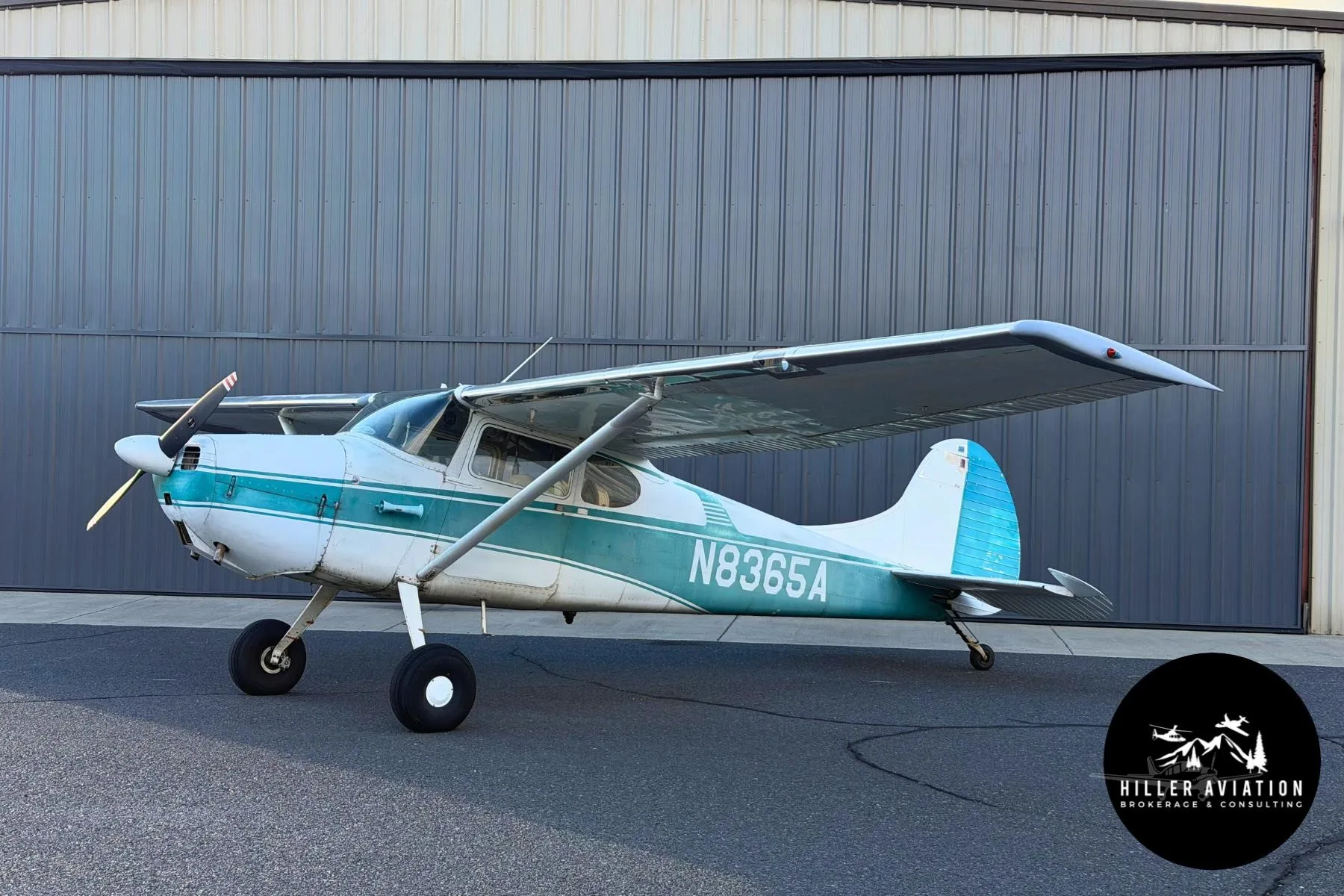
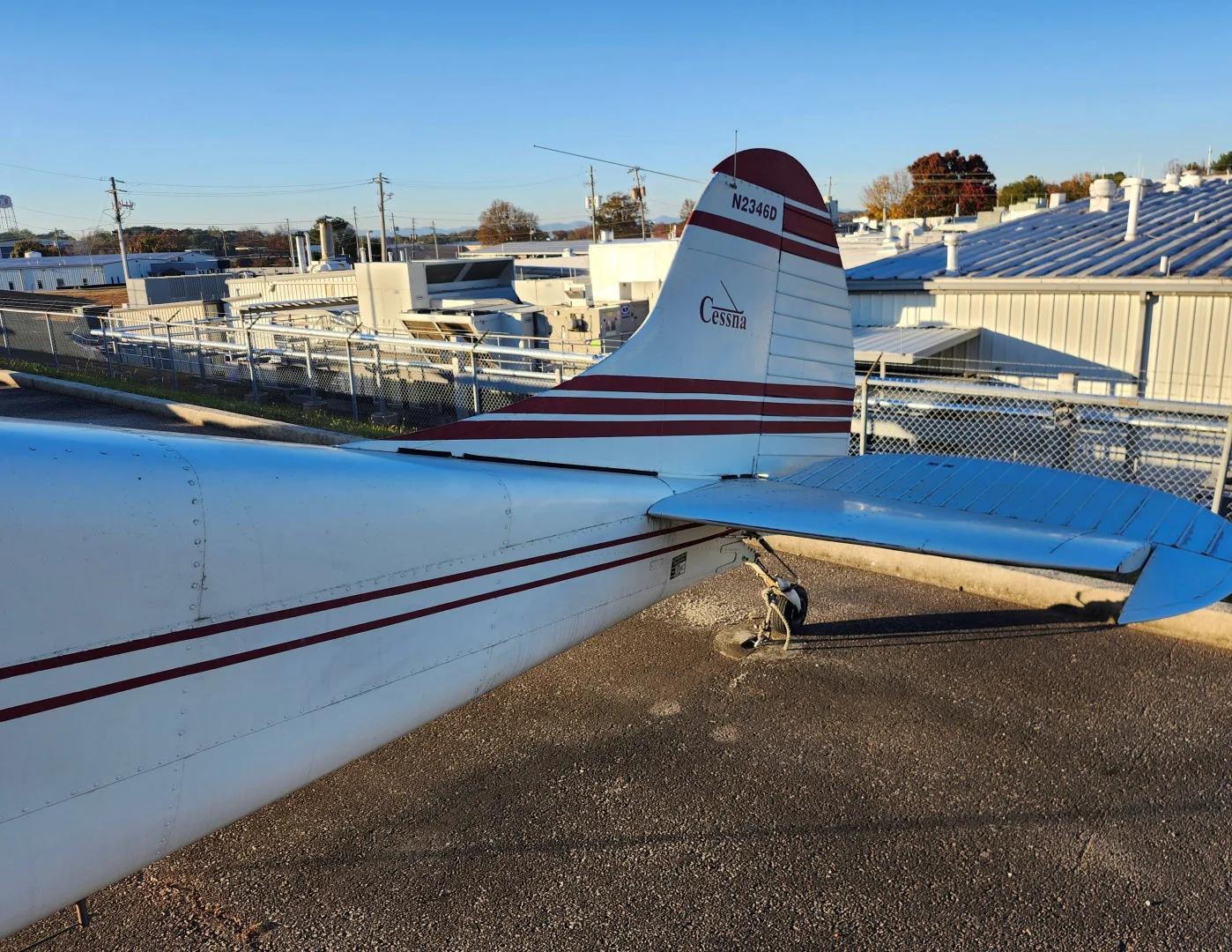
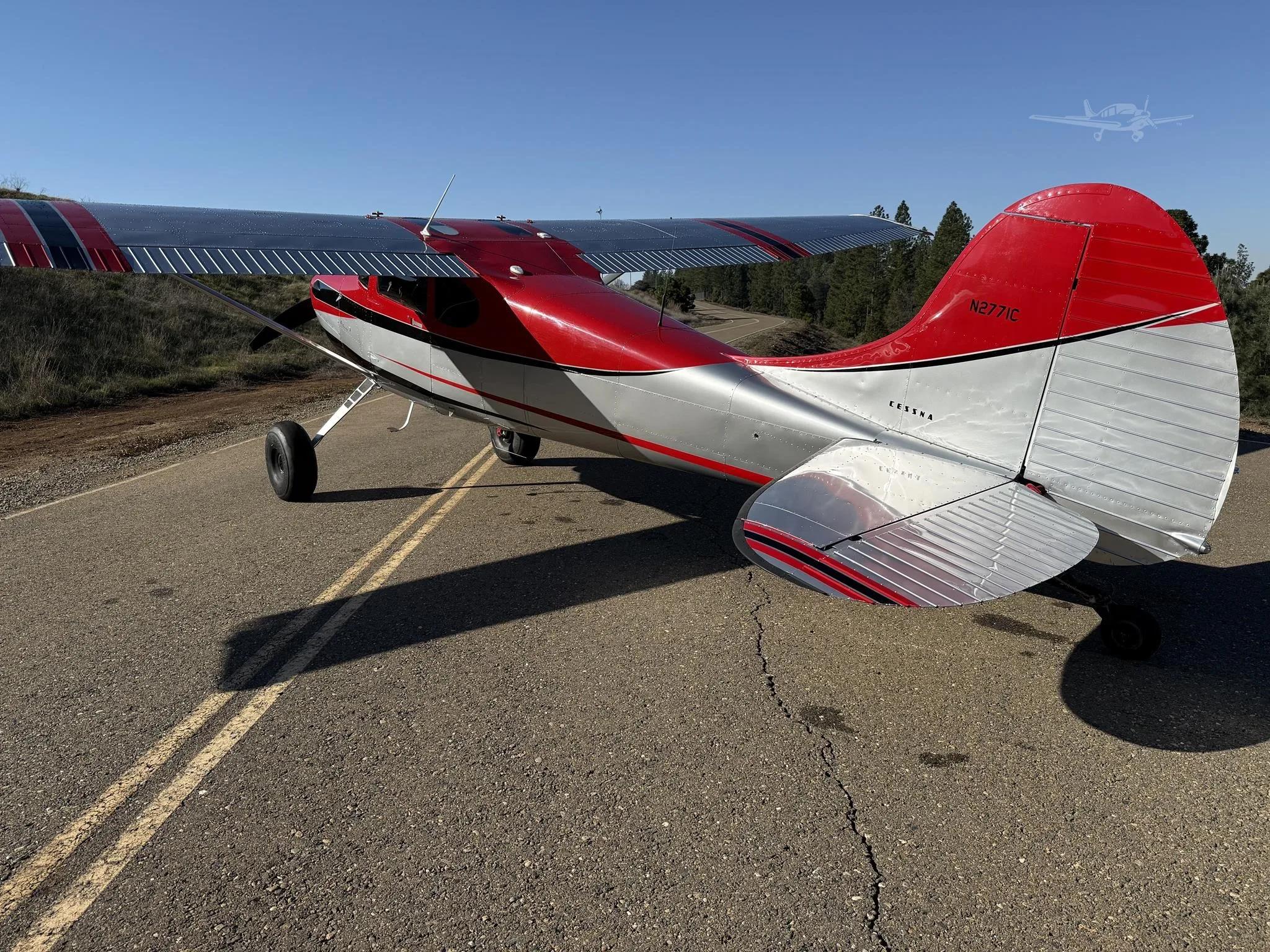
View all 4 for sale →Aircraft that this supplemental type certificate covers, listed on the sites Sprinkle reads. Asking prices, not sales. Cessna 170 asking prices by year built.
Also useful for the Cessna 170B
From Sprinkle’s library of aircraft documents. PDFs open from Sprinkle’s own files. Read Jun 26, 2026.
Want this document taken down? Request removal