CESSNA 170B Model Guide
CESSNA 170B · Model Guide
Overview
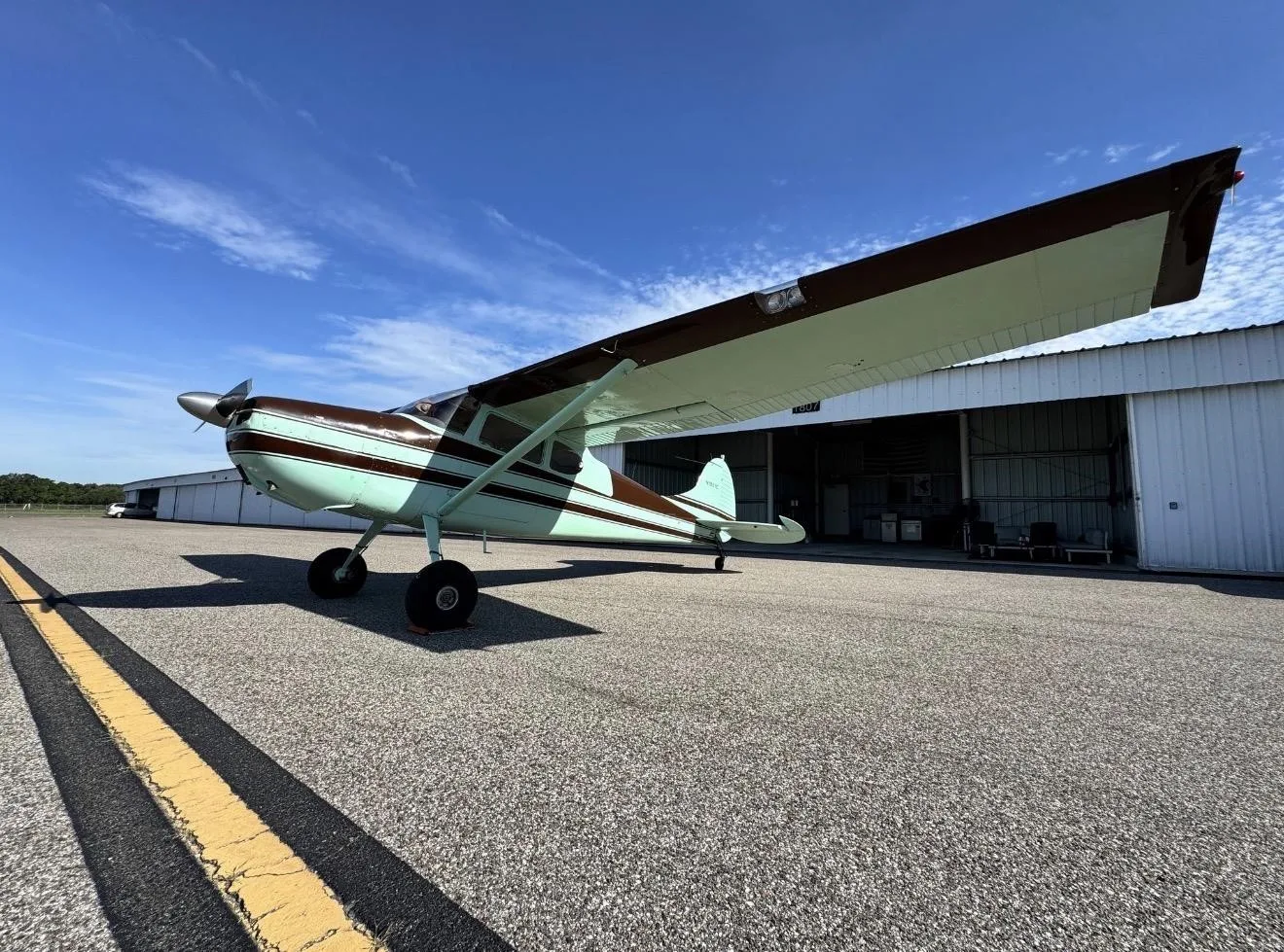
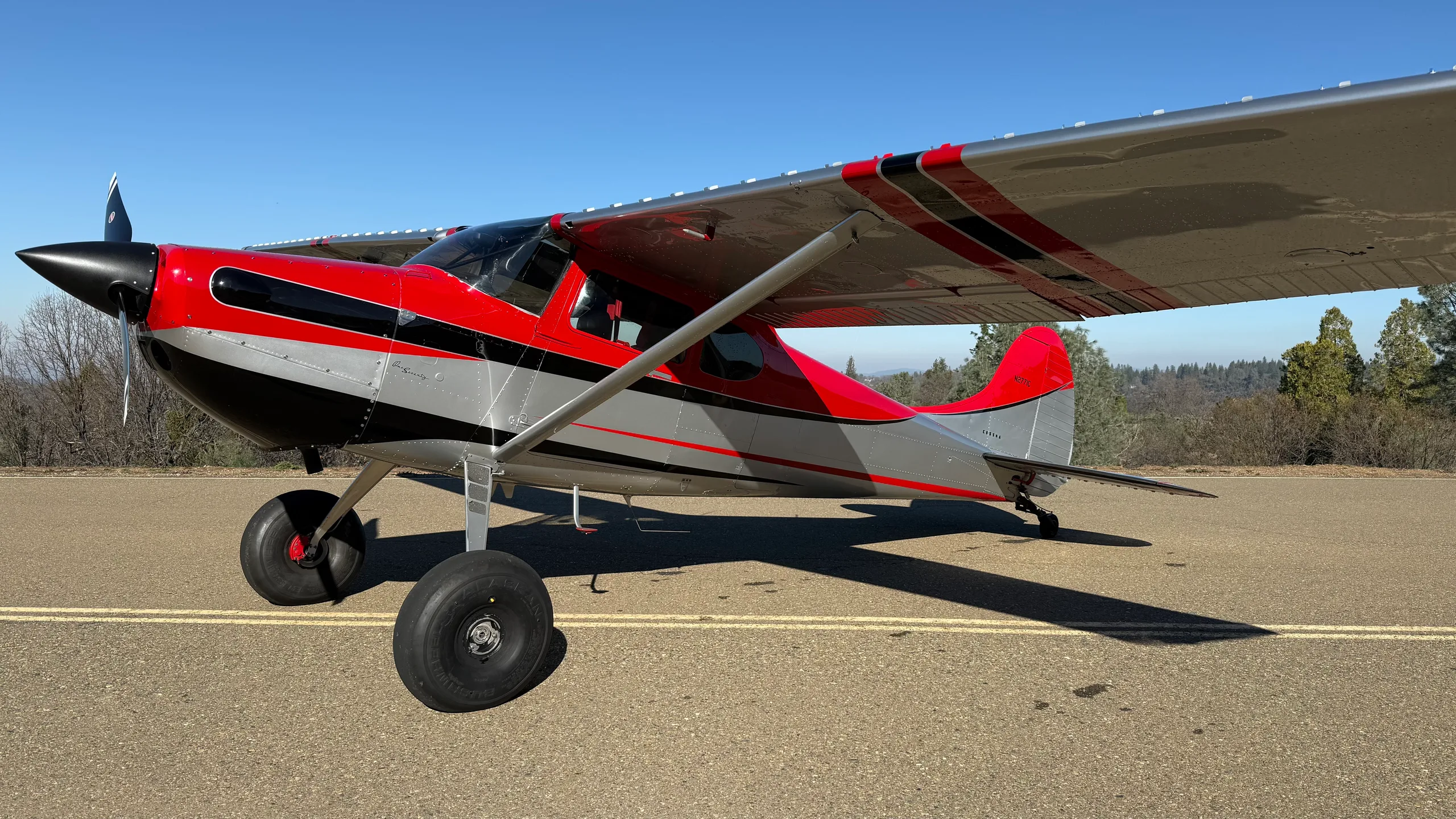
The CESSNA 170B is a single-engine piston, tailwheel, high-wing airplane. The New Zealand type acceptance report describes it as a four-seat, all-metal light aeroplane built from 1952 to 1956, originally known as the Model 171. The library data gives a Continental O-300 of 145 hp, a 100 kt cruise, 500 nm of range and 40 gal of fuel. Because it is a tailwheel airplane from the 1950s, a buyer should focus on the age-related airworthiness directives, the tailwheel bracket and the fuel system.
- The CESSNA 170B cruises at 100 kt on about 10 gph, has 40 gal of fuel and a listed range of 500 nm.
- Useful load is 950 lbs (empty weight 1450 lbs, max takeoff weight 2400 lbs), with a 200 lb baggage allowance. The NZ type acceptance report lists a maximum takeoff weight of 2200 lb, so confirm the figure against the airplane's own approved documents.
- The NZ airworthiness directive schedule requires windshield and rear spar inspections every 100 hours. The spar inspection is also required after any groundloop or wing damage.
- The original tailwheel bracket commonly cracks in the radius on each side when used under severe conditions. A coil-over tailwheel suspension kit exists for the 170B.
- Many airplanes have an 18 gal Javelin auxiliary fuel tank in the baggage compartment. The NZ AD schedule has an entry for its modification, so check that the installation is documented.
Summary written by AI from the source document. Check the original before relying on it. See which parts of Sprinkle are written by AI.
Reference only, not for flight. Use the current approved manual for your aircraft. See terms, section 5.
Document
Source
Copy found at sprinkle.com. Sprinkle hosts a reference copy with an added summary, specifications and searchable full text.
Document details
- Type ·
- Model Guide
- Year ·
- 2026
- File size ·
- 52 KB
- Copy found at ·
- sprinkle.com
Specifications & performance
Extracted from this document.
Specifications
- Range (nm) ·
- 500
- Engine (hp) ·
- 145
- Height (ft) ·
- 7.5
- Length (ft) ·
- 24.25
- Propeller ·
- McCauley
- Wingspan (ft) ·
- 36
- Engine model ·
- Continental O-300
- Max speed (kt) ·
- 120
- Cruise speed (kt) ·
- 100
- Empty weight (lb) ·
- 1,450
- Fuel capacity (gal) ·
- 40
- Rate of climb (fpm) ·
- 700
- Service ceiling (ft) ·
- 14,000
- Max takeoff weight (lb) ·
- 2,400
Performance
- Fuel burn (gph) ·
- 10
- Max speed (kt) ·
- 120
- Cruise speed (kt) ·
- 100
- Max crosswind (kt) ·
- 15
- Landing distance (ft) ·
- 600
- Takeoff distance (ft) ·
- 800
- Best glide speed (kt) ·
- 65
- Landing over 50ft (ft) ·
- 800
- Takeoff over 50ft (ft) ·
- 1,200
- Stall speed clean (kt) ·
- 50
- Stall speed landing (kt) ·
- 45
V-speeds
- VA_KTS ·
- 100
- VR_KTS ·
- 60
- VX_KTS ·
- 65
- VY_KTS ·
- 75
- VFE_KTS ·
- 85
- VNE_KTS ·
- 165
- VNO_KTS ·
- 125
- VS1_KTS ·
- 50
- VSO_KTS ·
- 47
- VREF_KTS ·
- 60
Weight & balance
- Useful load (lb) ·
- 950
- Empty weight (lb) ·
- 1,450
- Cg range max (in) ·
- 40
- Cg range min (in) ·
- 34
- Max ramp weight (lb) ·
- 2,400
- Baggage allowance (lb) ·
- 200
- Basic empty weight (lb) ·
- 1,450
- Max landing weight (lb) ·
- 2,400
- Max takeoff weight (lb) ·
- 2,400
How many people and how much does the CESSNA 170B carry?
The CESSNA 170B seats up to 4 per the NZ type acceptance report. The library data gives a useful load of 950 lbs and a 200 lb baggage allowance. Fuel and passengers share that useful load.
What are the main inspection items on a CESSNA 170B?
For a CESSNA 170B, the NZ AD schedule requires windshield and mainplane rear spar inspections every 100 hours. It also lists fuel selector valve cam, shoulder harness and seat adjustment items. Also inspect the tailwheel bracket and gear.
How far can the CESSNA 170B fly?
The library data gives the CESSNA 170B a range of 500 nm, a cruise of 100 kt and a fuel burn of about 10 gph from 40 gal. An 18 gal Javelin auxiliary tank was available, and some airplanes may have one.
Does the CESSNA 170B have a weight discrepancy?
Yes. The library data lists a CESSNA 170B max takeoff weight of 2400 lbs, while the NZ type acceptance report lists 2200 lb. Verify the figure against the airplane's own documents.
What is the CESSNA 170B Model Guide?
The CESSNA 170B Model Guide is a model guide for the CESSNA 170B, dated 2026.
What year was the CESSNA 170B Model Guide published?
The CESSNA 170B Model Guide — the CESSNA 170B model guide on file — is dated 2026.
Common. More common than 99% of the aircraft models we track.
Full essential library on file for the CESSNA 170B.
CESSNA 170B for sale now

Free — save the 170 to your watchlist and track it in one place.
More CESSNA 170Bmanuals & documents
See all 27 →- Cessna 170 & C305A (USAF O‐1A) T3 Tailwheel Suspension System Installation InstructionsWeight & Balance
- Instructions for Continued AirworthinessSystems Description
- Instructions for Continued Airworthiness No. ICA17025Maintenance Manual
- Service Bulletin: SB-001 Rev CService Bulletins
- Type Acceptance Report TAR 8/21B/24 – Cessna 170 SeriesMaintenance Manual
- Instructions for Continued AirworthinessMaintenance Manual
- Airworthiness Directive Schedule Aeroplanes Cessna 170 SeriesService Bulletins
- Cessna 170/170A/170B and Cessna 172/172A Parts ListSystems Description
- AIRWORTHINESS DIRECTIVE AD/CESSNA 170/79 Crew Seat Back Cylinder Lock ModificationService Bulletins
- AIRWORTHINESS DIRECTIVE AD/CESSNA 170/78 Amdt 1Service Bulletins
- Cessna Flap Gap Seals 100/200 Series STC#SA2382NMMaintenance Manual
- AD/CESSNA 170/47 Amdt 1 - Crankcase Breather Tube and Oil SealAirworthiness Directives
If you fly the CESSNA 170B, you may also be researching these.



In this document
What you are buying
The CESSNA 170B is a high-wing, all-metal, tailwheel airplane that seats up to 4. The library data lists a Continental O-300 of 145 hp. The NZ type acceptance report lists Continental C-145-2, C-145-2H or O-300-A engines, with McCauley or Sensenich fixed-pitch propellers. Dimensions are a 36 ft wingspan, 24.25 ft length and 7.5 ft height. Max speed is 120 kt and cruise is 100 kt. Service ceiling is 14000 ft and rate of climb is 700 fpm.
Performance and loading
Takeoff ground roll is 800 ft and 1200 ft to clear 50 ft. Landing roll is 600 ft and 800 ft over 50 ft. Clean stall speed is 50 kt and landing-configuration stall speed is 45 kt. Max demonstrated crosswind is 15 kt. Fuel burn is about 10 gph from 40 gal. The CG range is 34 to 40 inches. Check the weight and balance of the specific airplane, especially if it carries an auxiliary tank or other added equipment.
Airworthiness directives and inspections
The NZ AD schedule for the 170 Series covers windshield cracking (inspect every 100 hours), mainplane rear spar cracking near the root fitting (every 100 hours and after groundlooping or wing damage), the Javelin auxiliary fuel system, the fuel cap, the electrical system, the fuel selector valve cam, the shoulder harness and the seat adjustment mechanism. Ask for logbook evidence that each applicable item has been done. The FAA is the source of the State of Design ADs, so also check the FAA list.
Pre-buy focus: tailwheel, engine, fuel
The 100 hour / annual checklist for the 170 includes compression checks, magneto timing, landing gear legs and tail wheel springs, gear attachment bolts, fuel tanks and lines, wing attachment bolts and lift struts. Per the tailwheel kit instructions, the original bracket commonly has a crack in the radius on each side under severe conditions. Inspect that area. Check the fuel system carefully if an 18 gal auxiliary tank is fitted.
Safety notes
- Inspect the mainplane rear spar near the root fitting for cracks, especially if the airplane has been groundlooped or had wing damage.
- Inspect the windshield, its rivets and its rubbing strips every 100 hours, per the NZ AD schedule.
- Inspect the original tailwheel bracket for cracks. A crack may be there after severe use.
- Confirm the maximum takeoff weight from the airplane's own approved documents, because the sources differ (2400 lbs in the library data, 2200 lb in the NZ report).
Full document text
CESSNA 170B Model Guide The CESSNA 170B is a single-engine piston, tailwheel, high-wing airplane. The New Zealand type acceptance report describes it as a four-seat, all-metal light aeroplane built from 1952 to 1956, originally known as the Model 171. The library data gives a Continental O-300 of 145 hp, a 100 kt cruise, 500 nm of range and 40 gal of fuel. Because it is a tailwheel airplane from the 1950s, a buyer should focus on the age-related airworthiness directives, the tailwheel bracket and the fuel system. • The CESSNA 170B cruises at 100 kt on about 10 gph, has 40 gal of fuel and a listed range of 500 nm. • Useful load is 950 lbs (empty weight 1450 lbs, max takeoff weight 2400 lbs), with a 200 lb baggage allowance. The NZ type acceptance report lists a maximum takeoff weight of 2200 lb, so confirm the figure against the airplane's own approved documents. • The NZ airworthiness directive schedule requires windshield and rear spar inspections every 100 hours. The spar inspection is also required after any groundloop or wing damage. • The original tailwheel bracket commonly cracks in the radius on each side when used under severe conditions. A coil-over tailwheel suspension kit exists for the 170B. • Many airplanes have an 18 gal Javelin auxiliary fuel tank in the baggage compartment. The NZ AD schedule has an entry for its modification, so check that the installation is documented. What you are buying The CESSNA 170B is a high-wing, all-metal, tailwheel airplane that seats up to 4. The library data lists a Continental O-300 of 145 hp. The NZ type acceptance report lists Continental C-145-2, C-145-2H or O-300-A engines, with McCauley or Sensenich fixed-pitch propellers. Dimensions are a 36 ft wingspan, 24.25 ft length and 7.5 ft height. Max speed is 120 kt and cruise is 100 kt. Service ceiling is 14000 ft and rate of climb is 700 fpm. Performance and loading Takeoff ground roll is 800 ft and 1200 ft to clear 50 ft. Landing roll is 600 ft and 800 ft over 50 ft. Clean stall speed is 50 kt and landing-configuration stall speed is 45 kt. Max demonstrated crosswind is 15 kt. Fuel burn is about 10 gph from 40 gal. The CG range is 34 to 40 inches. Check the weight and balance of the specific airplane, especially if it carries an auxiliary tank or other added equipment. Airworthiness directives and inspections The NZ AD schedule for the 170 Series covers windshield cracking (inspect every 100 hours), mainplane rear spar cracking near the root fitting (every 100 hours and after groundlooping or wing damage), the Javelin auxiliary fuel system, the fuel cap, the electrical system, the fuel selector valve cam, the shoulder harness and the seat adjustment mechanism. Ask for logbook evidence that each applicable item has been done. The FAA is the source of the State of Design ADs, so also check the FAA list. Pre-buy focus: tailwheel, engine, fuel The 100 hour / annual checklist for the 170 includes compression checks, magneto timing, landing gear legs and tail wheel springs, gear attachment bolts, fuel tanks and lines, wing attachment bolts and lift struts. Per the tailwheel kit instructions, the original bracket commonly has a crack in the radius on each side under severe conditions. Inspect that area. Check the fuel system carefully if an 18 gal auxiliary tank is fitted. Safety notes: • Inspect the mainplane rear spar near the root fitting for cracks, especially if the airplane has been groundlooped or had wing damage. • Inspect the windshield, its rivets and its rubbing strips every 100 hours, per the NZ AD schedule. • Inspect the original tailwheel bracket for cracks. A crack may be there after severe use. • Confirm the maximum takeoff weight from the airplane's own approved documents, because the sources differ (2400 lbs in the library data, 2200 lb in the NZ report).