Cessna 337 Super Skymaster Model Guide
Cessna 337 Super Skymaster · Model Guide
Overview
The Cessna 337 Super Skymaster is a centreline-thrust twin-engine piston aircraft built from 1965 to 1980. It has a front and a rear engine, and seats 4 to 6. The 337D owner's manual lists a 4400 lb gross weight, two Continental IO-360-C engines of 210 rated BHP, and a 19,500 ft twin-engine service ceiling.
- 337D manual figures: 191 mph cruise at 75% power at 5500 ft, 760 mi range on 92 gallons with no reserve.
- Gear is hydraulic and complex. Two UK incidents involved gear selection error and a hydraulic fluid loss.
- Rear-engine reliability and spotting a rear-engine failure on takeoff are noted concerns in the accident report.
- Check the records for layered STCs: a Cessna 337 with five fatalities is used as a cautionary case.
Summary written by AI from the source document. Check the original before relying on it. See which parts of Sprinkle are written by AI.
Reference only, not for flight. Use the current approved manual for your aircraft. See terms, section 5.
Document
Source
Copy found at sprinkle.com. Sprinkle hosts a reference copy with an added summary, specifications and searchable full text.
Document details
- Type ·
- Model Guide
- Year ·
- 2026
- File size ·
- 50 KB
- Copy found at ·
- sprinkle.com
Specifications & performance
Extracted from this document.
Specifications
- Oil capacity (gal) ·
- 5
- Fuel capacity (gal) ·
- 93
- Engine rated power (hp) ·
- 210
- Propeller diameter (in) ·
- 76
- Fuel capacity with aux (gal) ·
- 131
Performance
- Landing roll (ft) ·
- 700
- Service ceiling (ft) ·
- 19,500
- Climb rate twin (fpm) ·
- 1,200
- Landing over 50ft (ft) ·
- 1,650
- Takeoff over 50ft (ft) ·
- 1,545
- Takeoff ground run (ft) ·
- 895
- Climb rate rear only (fpm) ·
- 385
- Climb rate front only (fpm) ·
- 300
Weight & balance
- Empty weight (lb) ·
- 2,655
- Gross weight (lb) ·
- 4,400
- Baggage allowable (lb) ·
- 365
How many people does the Cessna 337 Super Skymaster carry?
The Cessna 337 Super Skymaster seats 4 to 6 per the model data. The registry family lists up to 6 passengers. Baggage allowable in the 337D manual is 365 lbs.
What engines does the Cessna 337 Super Skymaster use?
The 337D manual for the Cessna 337 Super Skymaster lists two Continental IO-360-C fuel-injected engines. Each is rated 210 BHP at 2800 RPM and drives a 76-inch constant-speed, full-feathering propeller. A 1977 F337G had IO-360-G engines.
How far can the Cessna 337 Super Skymaster fly?
The 337D manual gives 760 mi at 75% power at 5500 ft on 92 gallons with no reserve. Optimum range at 10,000 ft is 1345 mi on the larger fuel figure listed. The family maximum is up to 1350 nm.
What is the Cessna 337 Super Skymaster Model Guide?
The Cessna 337 Super Skymaster Model Guide is a model guide for the Cessna 337 Super Skymaster, dated 2026.
What year was the Cessna 337 Super Skymaster Model Guide published?
The Cessna 337 Super Skymaster Model Guide — the Cessna 337 Super Skymaster model guide on file — is dated 2026.
Common. More common than 95% of the aircraft models we track.
Most owners only have the POH. Here's the essential set for the Cessna 337 Super Skymaster.
- Pilot's Operating Handbook / AFM
- Checklist
- Maintenance Manual
- Parts Catalog (IPC)
- Systems & Wiring
- Service Bulletins on file
- Type Certificate (TCDS)
Cessna 337 Super Skymaster for sale now
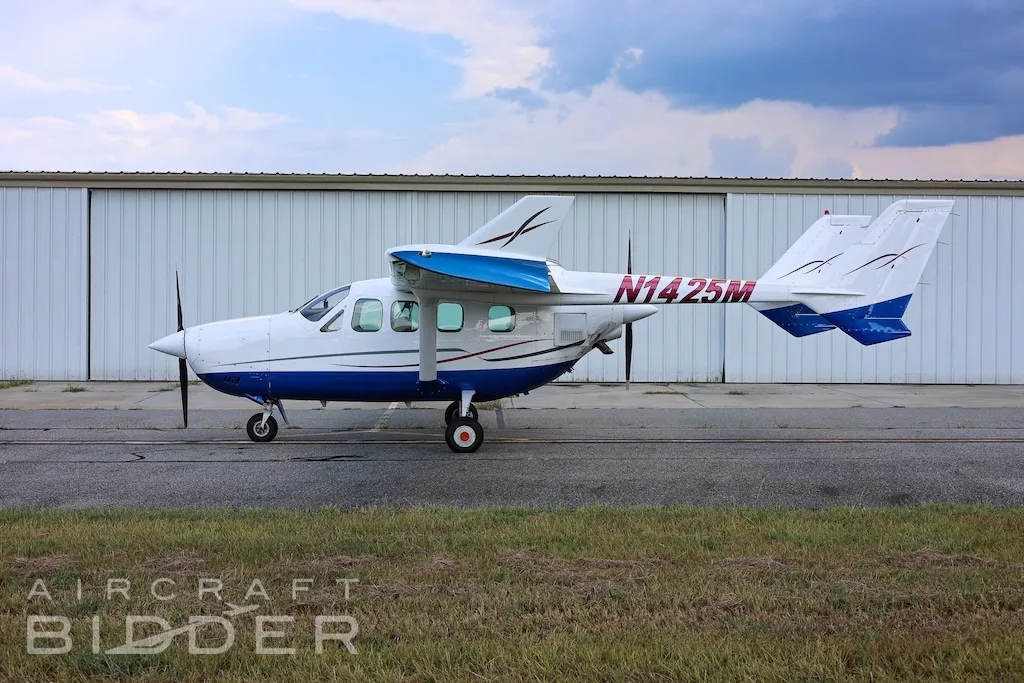
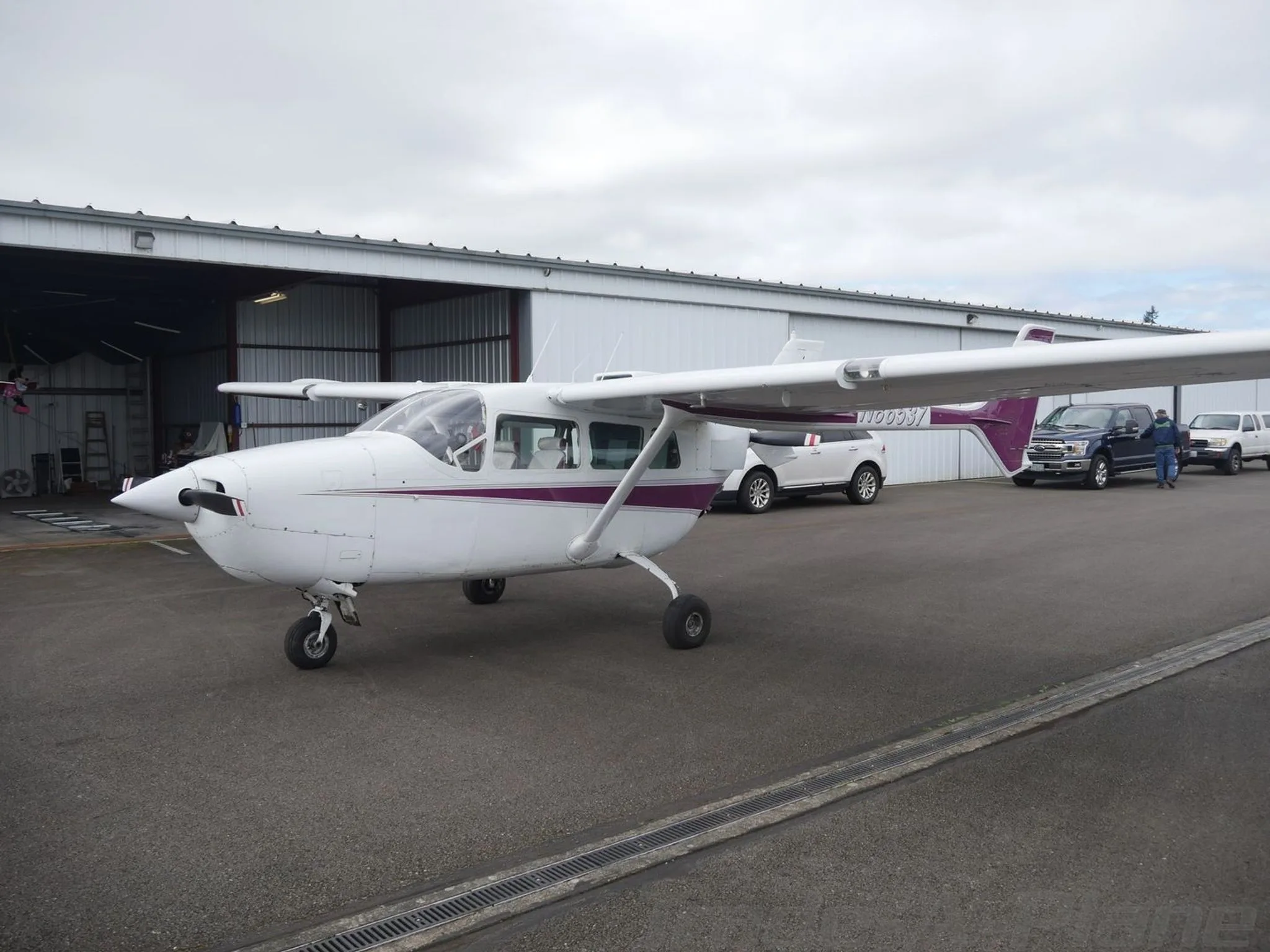

Free — save the 337 to your watchlist and track it in one place.
More Cessna 337 Super Skymastermanuals & documents
- Beware the Hidden Dangers of Layering STCsOther Documents
- Cessna F337G Super Skymaster, G-BFJROther Documents
- Remote Sensing PlatformsSystems Description
- Cessna 1971 Super Skymaster 337 POH - JasonBlair.netPilot's Operating Handbook
- Cessna 337D Owner's ManualWeight & Balance
- Cessna 337C Super Skymaster, G-BCBZOther Documents
- Turbo-System Super SkymasterSystems Description
Related documents
- CESSNA F-337 Skymaster G Model GuideCESSNA F-337 Skymaster G · Model Guide
- CESSNA 337G Model GuideCESSNA 337G · Model Guide
- Cessna 336 Skymaster Model GuideCessna 336 Skymaster · Model Guide
- CESSNA P337G Model GuideCESSNA P337G · Model Guide
- Turbo-System Super SkymasterCessna 337 Super Skymaster · Systems Description
If you fly the Cessna 337 Super Skymaster, you may also be researching these.


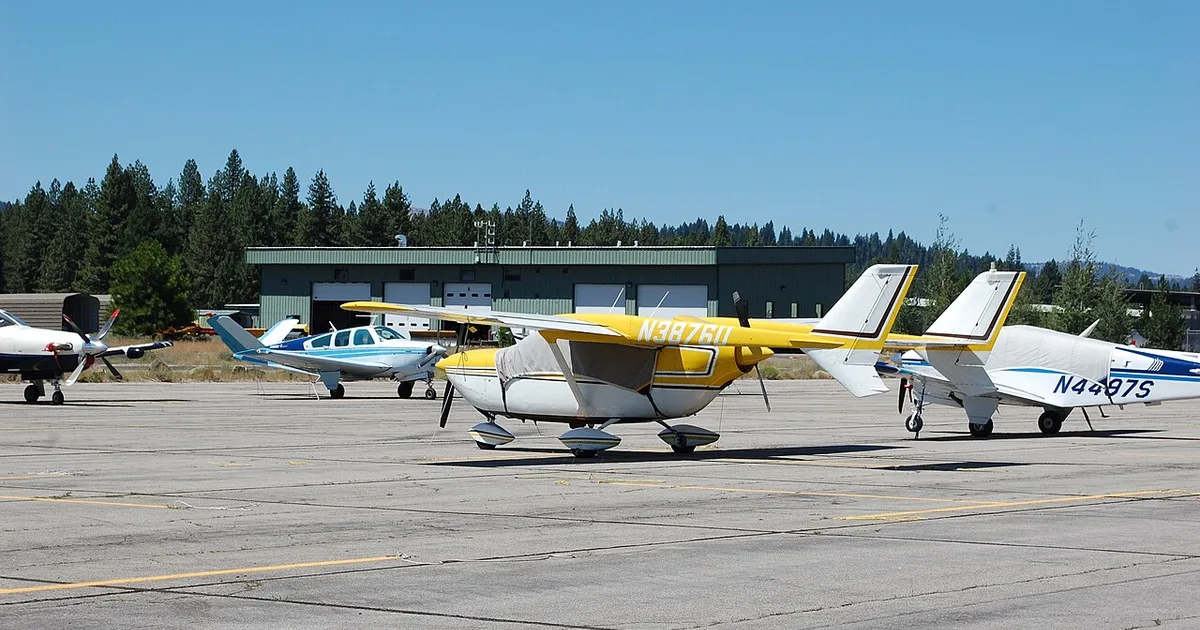
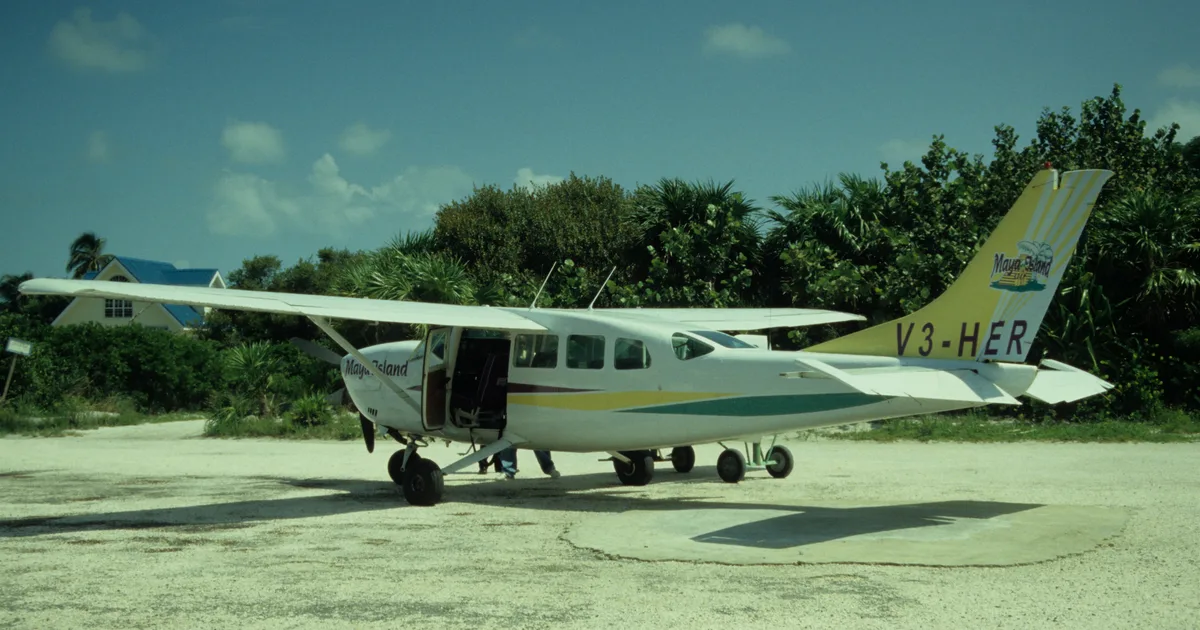



In this document
Performance and capacity (337D manual)
Top speed at sea level is 199 mph. Twin-engine climb is 1200 fpm at sea level, 300 fpm on the front engine only and 385 fpm on the rear only. Takeoff over a 50-ft obstacle takes 1545 ft. Landing over 50 ft takes 1650 ft. Standard fuel is 93 gal, or 131 gal with optional auxiliary tanks.
Family and variants
The registry family covers 27 variants, including 337A to 337H, F337, T337 turbo and P337H. Family-level maxima are up to 125 kt cruise, 1350 nm range, 19,500 ft ceiling and 6 passengers. A 1967 turbo-system article cites a 31,000 ft service ceiling and 225 mph cruise at 24,000 ft. Verify the exact variant's figures.
What to check before buying
Inspect the landing gear hydraulics, including the power pack reservoir and the emergency hand pump. Check rear-engine condition and oil: the manual says not to operate with less than 7 quarts. Review the logbooks and FAA Form 337 entries for alterations. Drain the fuel sumps and strainers and check the tank vents for stoppage.
Summary written by AI from the source document. Check the original before relying on it. See which parts of Sprinkle are written by AI.
Safety notes
- An AAIB report says rear-engine reliability issues and difficulty detecting its failure on takeoff led to several fatal accidents. Add rear-engine power first.
- In one incident the pilot retracted the gear instead of the flaps on a touch-and-go. The gear and flap levers sit on opposite sides of the throttle quadrant.
- Layered STC modifications must be compatible. FAA material cites a Cessna 337 accident with 5 fatalities in which the outboard left wing separated.
Summary written by AI from the source document. Check the original before relying on it. See which parts of Sprinkle are written by AI.
Full document text
Cessna 337 Super Skymaster Model Guide The Cessna 337 Super Skymaster is a centreline-thrust twin-engine piston aircraft built from 1965 to 1980. It has a front and a rear engine, and seats 4 to 6. The 337D owner's manual lists a 4400 lb gross weight, two Continental IO-360-C engines of 210 rated BHP, and a 19,500 ft twin-engine service ceiling. • 337D manual figures: 191 mph cruise at 75% power at 5500 ft, 760 mi range on 92 gallons with no reserve. • Gear is hydraulic and complex. Two UK incidents involved gear selection error and a hydraulic fluid loss. • Rear-engine reliability and spotting a rear-engine failure on takeoff are noted concerns in the accident report. • Check the records for layered STCs: a Cessna 337 with five fatalities is used as a cautionary case. Performance and capacity (337D manual) Top speed at sea level is 199 mph. Twin-engine climb is 1200 fpm at sea level, 300 fpm on the front engine only and 385 fpm on the rear only. Takeoff over a 50-ft obstacle takes 1545 ft. Landing over 50 ft takes 1650 ft. Standard fuel is 93 gal, or 131 gal with optional auxiliary tanks. Family and variants The registry family covers 27 variants, including 337A to 337H, F337, T337 turbo and P337H. Family-level maxima are up to 125 kt cruise, 1350 nm range, 19,500 ft ceiling and 6 passengers. A 1967 turbo-system article cites a 31,000 ft service ceiling and 225 mph cruise at 24,000 ft. Verify the exact variant's figures. What to check before buying Inspect the landing gear hydraulics, including the power pack reservoir and the emergency hand pump. Check rear-engine condition and oil: the manual says not to operate with less than 7 quarts. Review the logbooks and FAA Form 337 entries for alterations. Drain the fuel sumps and strainers and check the tank vents for stoppage. Safety notes: • An AAIB report says rear-engine reliability issues and difficulty detecting its failure on takeoff led to several fatal accidents. Add rear-engine power first. • In one incident the pilot retracted the gear instead of the flaps on a touch-and-go. The gear and flap levers sit on opposite sides of the throttle quadrant. • Layered STC modifications must be compatible. FAA material cites a Cessna 337 accident with 5 fatalities in which the outboard left wing separated.