CESSNA F-337 Skymaster G Model Guide
CESSNA F-337 Skymaster G · Model Guide
Overview
CESSNA F-337 Skymaster G is a piston-powered Cessna from the 337 Skymaster family. The documents give no variant-specific specs, so the family figures are context only: range up to 1350 nm, cruise up to 125 kt, up to 6 people, service ceiling up to 19500 ft. Most of the buying guidance below comes from one operator's ownership record and a Cessna service newsletter.
- A 1980 Skymaster used for airport inspections cost $430 per flight hour including reserves. Its owner called it efficient, with good overhead visibility.
- That owner listed known icing and small, soft runways as limitations. The aircraft sold in 2011 for $109,600 and was replaced as beyond useful service life.
- Cessna SNL93-3 covers all 336/337 Skymasters. Check for corrosion under the cabin vibration damping material at each 100 hr/annual inspection.
- Brackett lists filter BA-111 (element BA-24) for the 337 through 337H and F337E-H. P337 and T337 rear engines use BA-5810.
Summary written by AI from the source document. Check the original before relying on it. See which parts of Sprinkle are written by AI.
Reference only, not for flight. Use the current approved manual for your aircraft. See terms, section 5.
Document
Source
Copy found at sprinkle.com. Sprinkle hosts a reference copy with an added summary, specifications and searchable full text.
Document details
- Type ·
- Model Guide
- Year ·
- 2026
- File size ·
- 49 KB
- Copy found at ·
- sprinkle.com
What does it cost to run?
One 1980 Skymaster, a sister aircraft to the CESSNA F-337 Skymaster G, cost $430 per flight hour including reserves. A separate tally gave about $351 per hour, plus $79 per hour if engines are included.
What are the known limitations?
For the CESSNA F-337 Skymaster G family, one long-term operator cited known icing and small, soft runways as limitations. It credited efficiency and good overhead visibility as strengths.
What should I inspect on a pre-buy?
On a CESSNA F-337 Skymaster G, follow Cessna SNL93-3: inspect for corrosion under cabin damping material at every 100 hr/annual. Also review engine, prop, deice and airframe-crack history.
Which air filter fits?
Brackett lists assembly BA-111 with element BA-24 for the 337 through 337H and F337E, F, G, H. That covers the CESSNA F-337 Skymaster G family. The filter is FAA-PMA approved.
What is the CESSNA F-337 Skymaster G Model Guide?
The CESSNA F-337 Skymaster G Model Guide is a model guide for the CESSNA F-337 Skymaster G, dated 2026.
What year was the CESSNA F-337 Skymaster G Model Guide published?
The CESSNA F-337 Skymaster G Model Guide — the CESSNA F-337 Skymaster G model guide on file — is dated 2026.
Common. More common than 95% of the aircraft models we track.
Most owners only have the POH. Here's the essential set for the CESSNA F-337 Skymaster G.
- Pilot's Operating Handbook / AFM
- Checklist
- Maintenance Manual
- Parts Catalog (IPC)
- Systems & Wiring
- Service Bulletins on file
- Type Certificate (TCDS)
CESSNA F-337 Skymaster G for sale now
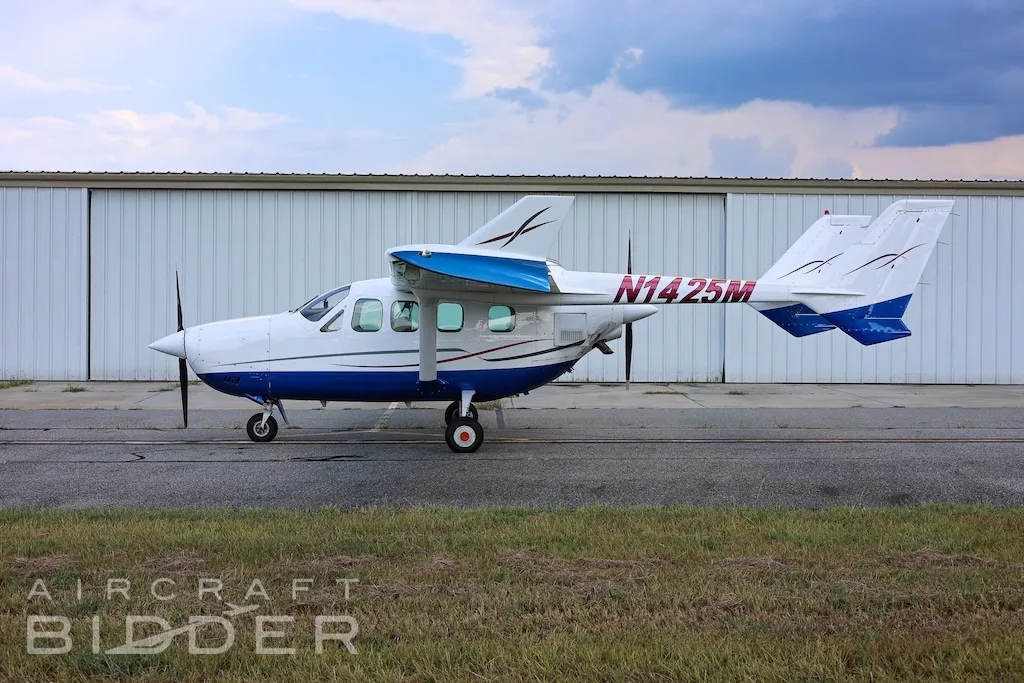
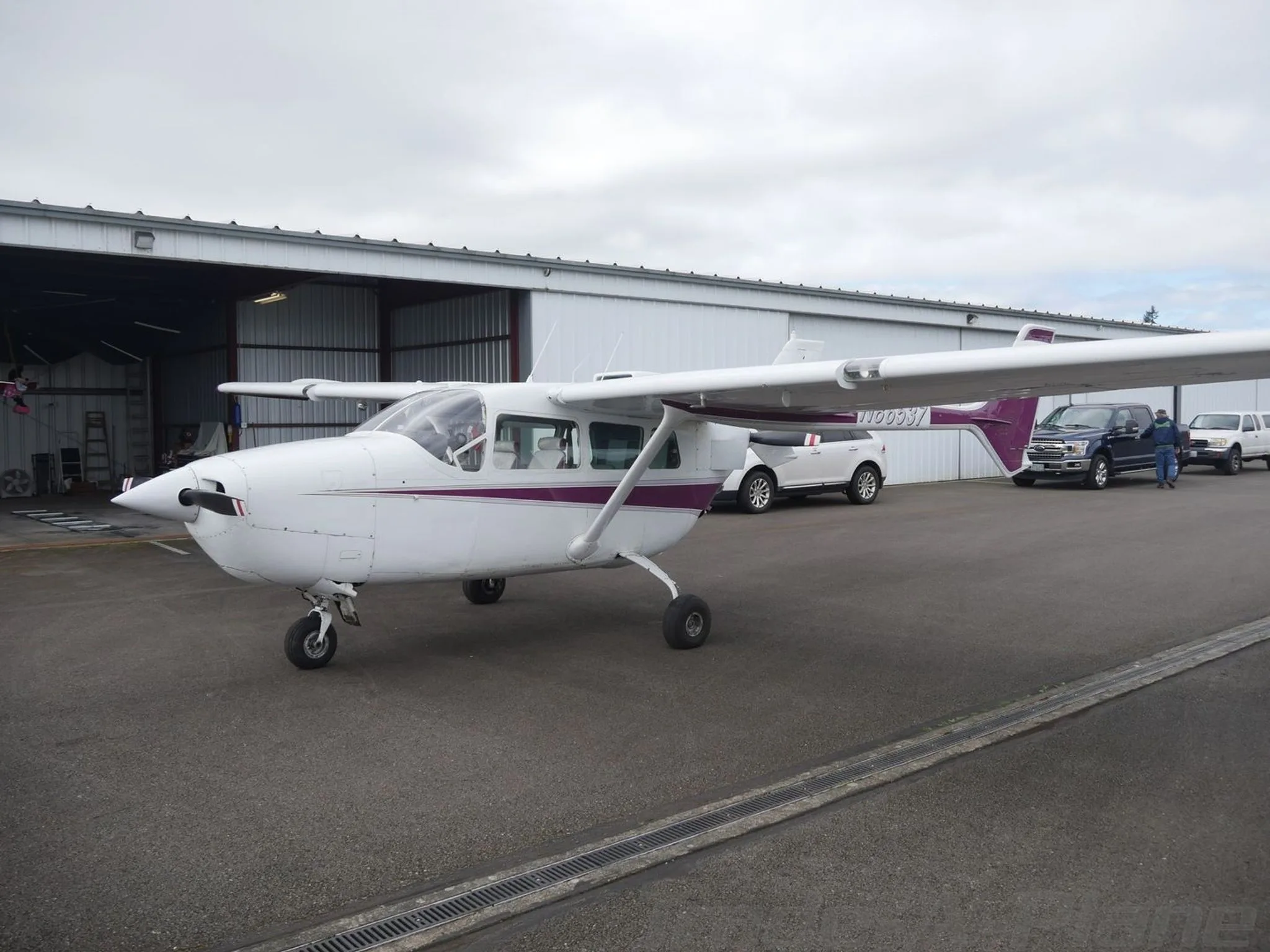

Free — save the 337 to your watchlist and track it in one place.
More CESSNA F-337 Skymaster Gmanuals & documents
- Aerial survey of coral bleaching (March 2017)Other Documents
- Pagan Airstrip Master PlanOther Documents
- 1980 Cessna 337 SkymasterPilot's Operating Handbook
- Specifications for the CESSNA F-337 Skymaster GSpecifications
- Airworthiness Directives for CESSNA F-337 Skymaster GAirworthiness Directives
- Brackett Air FiltersPilot's Operating Handbook
- Weight & Balance for CESSNA F-337 Skymaster GWeight & Balance
Related documents
- Cessna 337 Super Skymaster Model GuideCessna 337 Super Skymaster · Model Guide
- Cessna 336 Skymaster Model GuideCessna 336 Skymaster · Model Guide
- CESSNA P337G Model GuideCESSNA P337G · Model Guide
- CESSNA 337G Model GuideCESSNA 337G · Model Guide
- Turbo-System Super SkymasterCessna 337 Super Skymaster · Systems Description
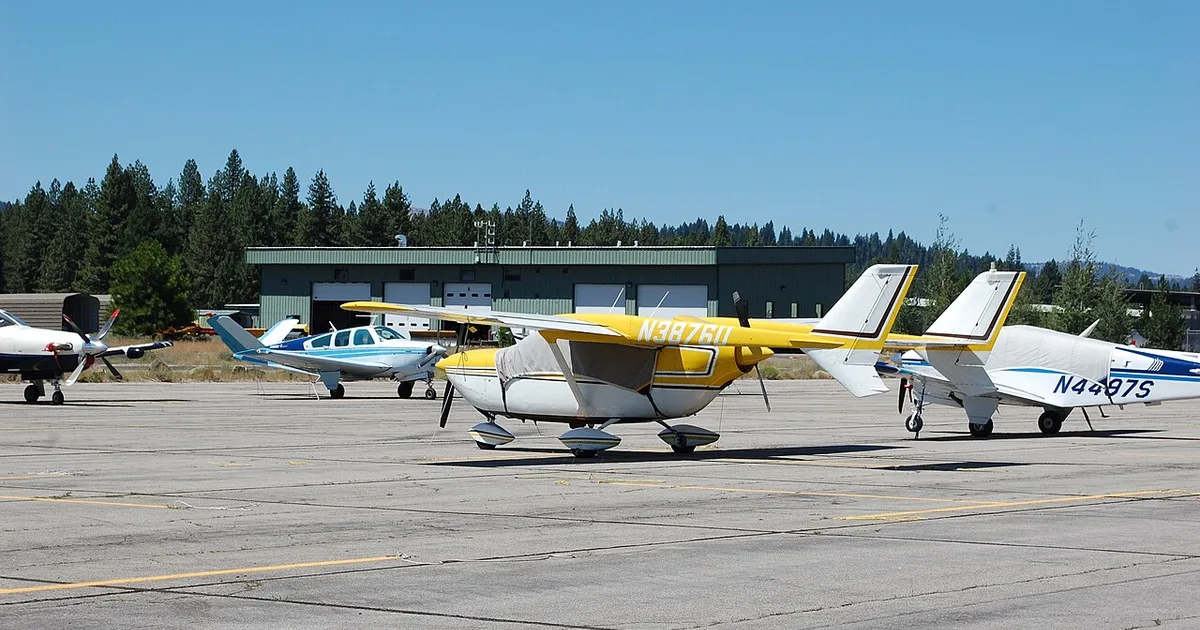
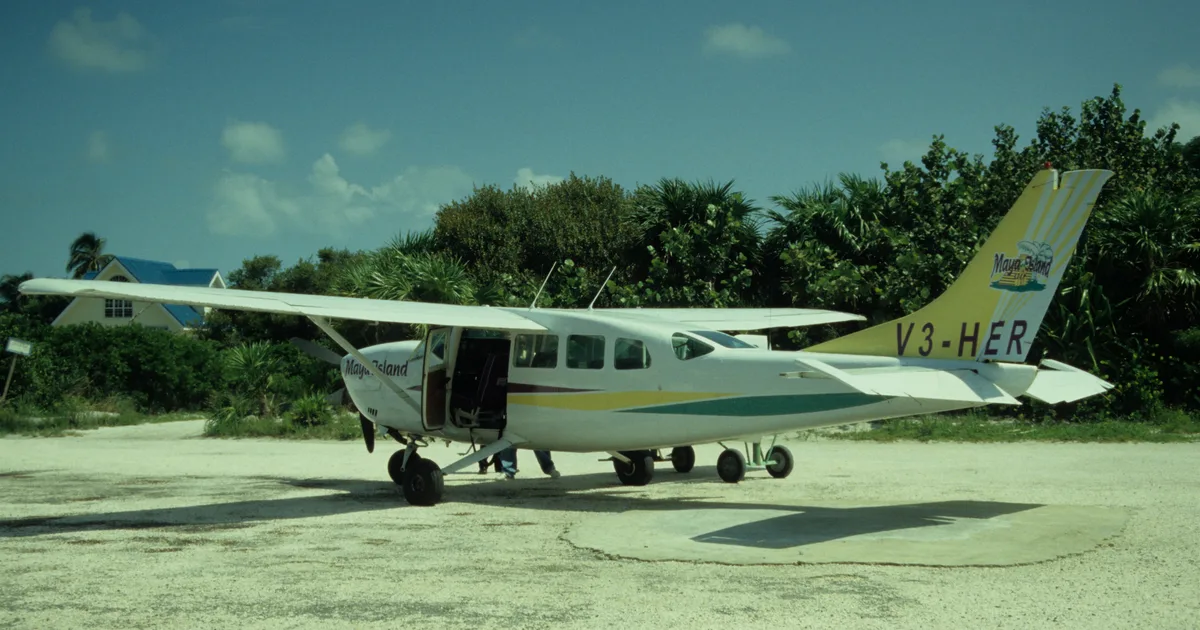
If you fly the CESSNA F-337 Skymaster G, you may also be researching these.





In this document
Ownership cost evidence
One 1980 Skymaster was bought in 1987 for $83,500 and sold in 2011 for $109,600. Since April 2009 it flew 470.9 hours. Maintenance totalled $118,066.51 and fuel $47,680.10, about $351 per flight hour. Including engines adds $79 per hour. Operator figure: $430 per hour with reserves.
What the maintenance log shows
Repeat and large items in that 1980 aircraft's log: engines ($104,194.68), prop repair ($15,283.43), airframe cracks ($12,319), a deice system ($7,888.31) and many prop synchronizer jobs. Also alternators, autopilot, HSI, tires and brakes. Ask for logs on these systems.
Corrosion and air intake checks
Cessna SNL93-3 reports corrosion under the damping material on cabin skin panels, which can cost structural strength. Look for lumps in the material under floor boards and side panels. Nonpressurized airplanes may have corrosion up to 20% of metal thickness; deeper needs repair or replacement. Also check the air filter and intake for torn couplings.
Summary written by AI from the source document. Check the original before relying on it. See which parts of Sprinkle are written by AI.
Safety notes
- Operator listed 'known icing' as a limitation. Verify any deice or prop deice equipment and its condition before buying.
- Corrosion under cabin skin damping material can go undetected and weaken the panels. Insist on the SNL93-3 inspection.
- Dirt past a worn or poorly fitted air filter can wear piston rings and cylinders enough to require an overhaul.
Summary written by AI from the source document. Check the original before relying on it. See which parts of Sprinkle are written by AI.
Full document text
CESSNA F-337 Skymaster G Model Guide CESSNA F-337 Skymaster G is a piston-powered Cessna from the 337 Skymaster family. The documents give no variant-specific specs, so the family figures are context only: range up to 1350 nm, cruise up to 125 kt, up to 6 people, service ceiling up to 19500 ft. Most of the buying guidance below comes from one operator's ownership record and a Cessna service newsletter. • A 1980 Skymaster used for airport inspections cost $430 per flight hour including reserves. Its owner called it efficient, with good overhead visibility. • That owner listed known icing and small, soft runways as limitations. The aircraft sold in 2011 for $109,600 and was replaced as beyond useful service life. • Cessna SNL93-3 covers all 336/337 Skymasters. Check for corrosion under the cabin vibration damping material at each 100 hr/annual inspection. • Brackett lists filter BA-111 (element BA-24) for the 337 through 337H and F337E-H. P337 and T337 rear engines use BA-5810. Ownership cost evidence One 1980 Skymaster was bought in 1987 for $83,500 and sold in 2011 for $109,600. Since April 2009 it flew 470.9 hours. Maintenance totalled $118,066.51 and fuel $47,680.10, about $351 per flight hour. Including engines adds $79 per hour. Operator figure: $430 per hour with reserves. What the maintenance log shows Repeat and large items in that 1980 aircraft's log: engines ($104,194.68), prop repair ($15,283.43), airframe cracks ($12,319), a deice system ($7,888.31) and many prop synchronizer jobs. Also alternators, autopilot, HSI, tires and brakes. Ask for logs on these systems. Corrosion and air intake checks Cessna SNL93-3 reports corrosion under the damping material on cabin skin panels, which can cost structural strength. Look for lumps in the material under floor boards and side panels. Nonpressurized airplanes may have corrosion up to 20% of metal thickness; deeper needs repair or replacement. Also check the air filter and intake for torn couplings. Safety notes: • Operator listed 'known icing' as a limitation. Verify any deice or prop deice equipment and its condition before buying. • Corrosion under cabin skin damping material can go undetected and weaken the panels. Insist on the SNL93-3 inspection. • Dirt past a worn or poorly fitted air filter can wear piston rings and cylinders enough to require an overhaul.