Cessna 411 Model Guide
Cessna 411 · Model Guide
Overview
The Cessna 411 is a twin-engine piston airplane built from 1965 to 1968 and certified in the Normal Category. It seats 6, 7 or 8 and has two Continental GTSIO-520-C engines rated 340 hp at 2400 rpm. Maximum takeoff and landing weight is 6500 lb. The 411A is the later variant. Buyers should concentrate on wing spar cracking, exhaust system condition, engine overhaul status and multiengine training.
- Two Continental GTSIO-520-C engines, 340 hp at 2400 rpm. Fuel is 100 or 100LL. Capacity is 175 gal. Max takeoff weight is 6500 lb.
- Mandatory wing spar cap inspection MEL-57-01 covers 411/411A with 15,000+ hours: repeat every 50 flight hours.
- Exhaust AD 2000-01-16 inspections matter on Cessna twins including the 411; failures can start an uncontrolled fuel-fed fire.
- Check engine time: recommended TBO is 1200 hours or at least every 12 years, so calendar age matters on low-time airplanes.
Summary written by AI from the source document. Check the original before relying on it. See which parts of Sprinkle are written by AI.
Reference only, not for flight. Use the current approved manual for your aircraft. See terms, section 5.
Document
Source
Copy found at sprinkle.com. Sprinkle hosts a reference copy with an added summary, specifications and searchable full text.
Document details
- Type ·
- Model Guide
- Year ·
- 2026
- File size ·
- 48 KB
- Copy found at ·
- sprinkle.com
Specifications & performance
Extracted from this document.
Specifications
- Engine power (hp) ·
- 340
- Fuel capacity (gal) ·
- 175
- Critical altitude (ft) ·
- 16,000
- Max landing weight (lb) ·
- 6,500
- Max takeoff weight (lb) ·
- 6,500
Performance
- Family max range (nm) ·
- 1,080
- Family max cruise speed (kt) ·
- 214
- Family max service ceiling (ft) ·
- 26,000
V-speeds
- MANEUVERING_SPEED_KTS ·
- 156
- NEVER_EXCEED_SPEED_KTS ·
- 231
- MINIMUM_CONTROL_SPEED_KTS ·
- 90
- FLAPS_15_EXTENDED_SPEED_KTS ·
- 156
- FLAPS_45_EXTENDED_SPEED_KTS ·
- 139
- LANDING_GEAR_OPERATING_SPEED_KTS ·
- 139
- MAX_STRUCTURAL_CRUISING_SPEED_KTS ·
- 200
Weight & balance
- Max landing weight (lb) ·
- 6,500
- Max takeoff weight (lb) ·
- 6,500
- Baggage station 186 (lb) ·
- 240
- Baggage station 246 5 (lb) ·
- 340
- Baggage 411 station 58 (lb) ·
- 120
- Baggage 411a station 71 (lb) ·
- 350
- Cg aft limit at 6500 lbs (in) ·
- 155.5
- Cg forward limit at 6500 lbs (in) ·
- 150.6
How many seats and how much fuel does the Cessna 411 have?
The Cessna 411 seats 6, 7 or 8. Fuel capacity is 175 gal: two wing tip tanks of 51 gal each and two wing tanks of 36.5 gal each. It uses grade 100 or 100LL.
What inspections matter most on a Cessna 411?
On a Cessna 411, the key items are wing spar cap inspections (AD 79-10-15 R2 and MEL-57-01) and the exhaust system AD 2000-01-16. Confirm each was done properly and is documented.
How fast is the Cessna 411?
The Cessna 411 data sheet gives maximum structural cruising speed of 200 kt and never-exceed speed of 231 kt. Registry data for the 411/411A family shows up to 214 kt cruise and up to 1080 nm range.
What engine overhaul interval applies to the Cessna 411?
For the Cessna 411's GTSIO-520-C engine, Teledyne Continental recommends overhaul at 1200 hours or at least every 12 years. Check both engines for hours and calendar age.
What is the Cessna 411 Model Guide?
The Cessna 411 Model Guide is a model guide for the Cessna 411, dated 2026.
What year was the Cessna 411 Model Guide published?
The Cessna 411 Model Guide — the Cessna 411 model guide on file — is dated 2026.
Uncommon. Rarer than 60% of the aircraft models we track.
Most owners only have the POH. Here's the essential set for the Cessna 411.
- Pilot's Operating Handbook / AFM
- Checklist
- Maintenance Manual
- Parts Catalog (IPC)
- Systems & Wiring
- Service Bulletins on file
- Type Certificate (TCDS)
Cessna 411 for sale now
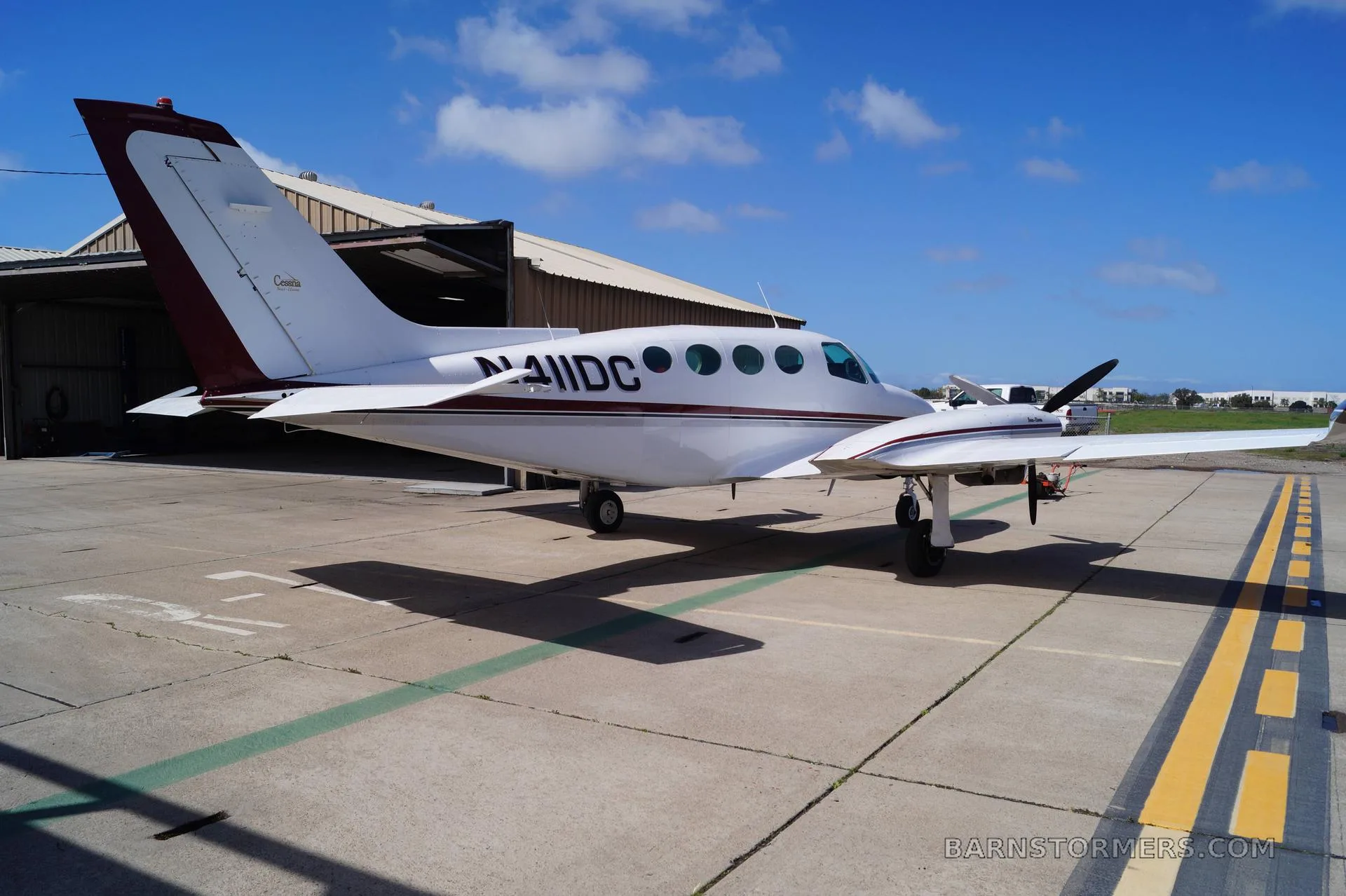
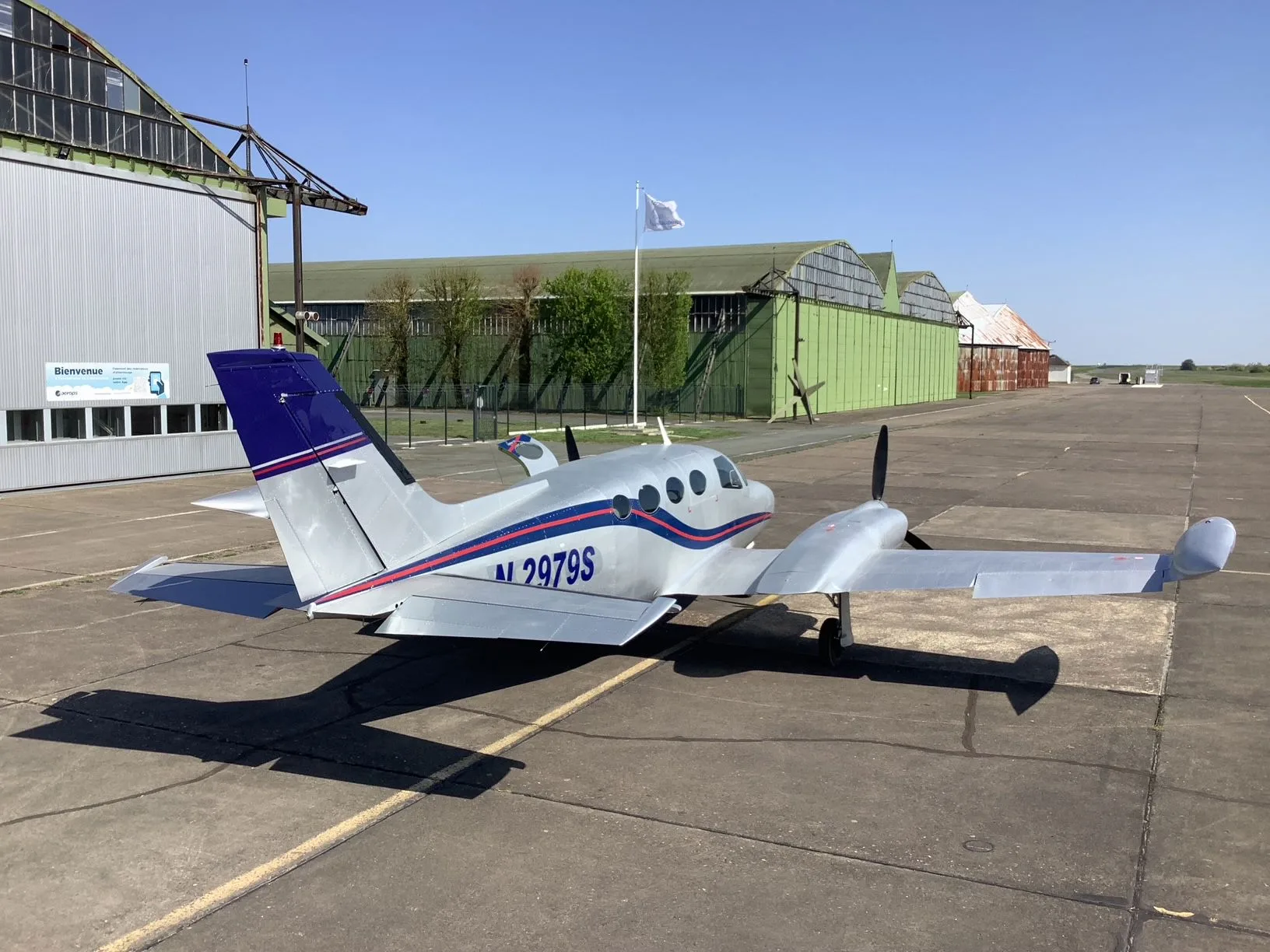
Free — save the 411 to your watchlist and track it in one place.
More Cessna 411manuals & documents
- SERVICE LETTER - MANDATORY MEL-57-01Service Bulletins
- Cessna (Multiple Models), Exhaust System, ATA 7810Airworthiness Directives
- National Transportation Safety Board Aviation Accident Final ReportOther Documents
- TYPE CERTIFICATE DATA SHEET NO. A7CEType Certificate
- Airworthiness Directives; Cessna Aircraft Company Models 401, 401A, 401B, 402, 402A, 402B, 411, and 411A AirplanesOther Documents
- Performance Data for Cessna 411Performance
If you fly the Cessna 411, you may also be researching these.


In this document
Limits and speeds
Never exceed 231 kt, maximum structural cruising 200 kt, maneuvering 156 kt, gear operating and extended 139 kt, minimum control 90 kt (CAS). Full power allows 34.5 in. Hg up to 16,000 ft. Baggage: Model 411 120 lb at station 58.0, 240 lb and 340 lb aft; Model 411A 350 lb at station 71.0.
Wing spar and exhaust history
AD 79-10-15 R2 requires repetitive inspections of the wing spar lower cap areas for fatigue cracks on 411 series airplanes. Service letter MEL-57-01 adds a forward lower carry-through spar cap inspection. The exhaust AD 2000-01-16 requires a pressure test and tailpipe removal. Ask for logbook proof that each was done correctly.
Engines and pilot training
An NTSB-reported 411 accident involved engines beyond recommended overhaul limits. Both had been overhauled about 920 hours before the accident, and the airplane had flown about 30 hours in 6 years. The pilot held no multiengine rating. Check engine and propeller overhaul records and plan type-specific training.
Summary written by AI from the source document. Check the original before relying on it. See which parts of Sprinkle are written by AI.
Safety notes
- Further flight with a cracked carry-through spar cap is prohibited; it must be replaced before further flight.
- For the exhaust pressure test, remove all cowling and heat shields, use leak-check fluid, and reinstall parts without preload.
- In an NTSB-reported 411 accident, a pilot with no multiengine rating let speed fall 13 mph below minimum control speed after an engine failed.
Summary written by AI from the source document. Check the original before relying on it. See which parts of Sprinkle are written by AI.
Full document text
Cessna 411 Model Guide The Cessna 411 is a twin-engine piston airplane built from 1965 to 1968 and certified in the Normal Category. It seats 6, 7 or 8 and has two Continental GTSIO-520-C engines rated 340 hp at 2400 rpm. Maximum takeoff and landing weight is 6500 lb. The 411A is the later variant. Buyers should concentrate on wing spar cracking, exhaust system condition, engine overhaul status and multiengine training. • Two Continental GTSIO-520-C engines, 340 hp at 2400 rpm. Fuel is 100 or 100LL. Capacity is 175 gal. Max takeoff weight is 6500 lb. • Mandatory wing spar cap inspection MEL-57-01 covers 411/411A with 15,000+ hours: repeat every 50 flight hours. • Exhaust AD 2000-01-16 inspections matter on Cessna twins including the 411; failures can start an uncontrolled fuel-fed fire. • Check engine time: recommended TBO is 1200 hours or at least every 12 years, so calendar age matters on low-time airplanes. Limits and speeds Never exceed 231 kt, maximum structural cruising 200 kt, maneuvering 156 kt, gear operating and extended 139 kt, minimum control 90 kt (CAS). Full power allows 34.5 in. Hg up to 16,000 ft. Baggage: Model 411 120 lb at station 58.0, 240 lb and 340 lb aft; Model 411A 350 lb at station 71.0. Wing spar and exhaust history AD 79-10-15 R2 requires repetitive inspections of the wing spar lower cap areas for fatigue cracks on 411 series airplanes. Service letter MEL-57-01 adds a forward lower carry-through spar cap inspection. The exhaust AD 2000-01-16 requires a pressure test and tailpipe removal. Ask for logbook proof that each was done correctly. Engines and pilot training An NTSB-reported 411 accident involved engines beyond recommended overhaul limits. Both had been overhauled about 920 hours before the accident, and the airplane had flown about 30 hours in 6 years. The pilot held no multiengine rating. Check engine and propeller overhaul records and plan type-specific training. Safety notes: • Further flight with a cracked carry-through spar cap is prohibited; it must be replaced before further flight. • For the exhaust pressure test, remove all cowling and heat shields, use leak-check fluid, and reinstall parts without preload. • In an NTSB-reported 411 accident, a pilot with no multiengine rating let speed fall 13 mph below minimum control speed after an engine failed.