CESSNA 402C Model Guide
CESSNA 402C · Model Guide
Overview
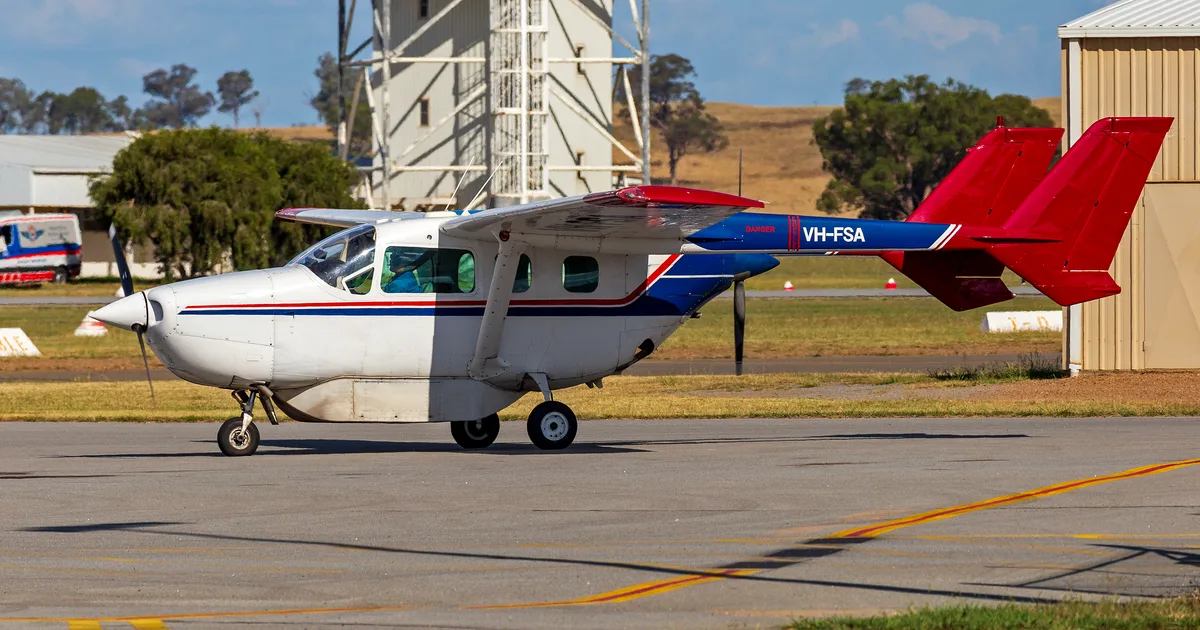
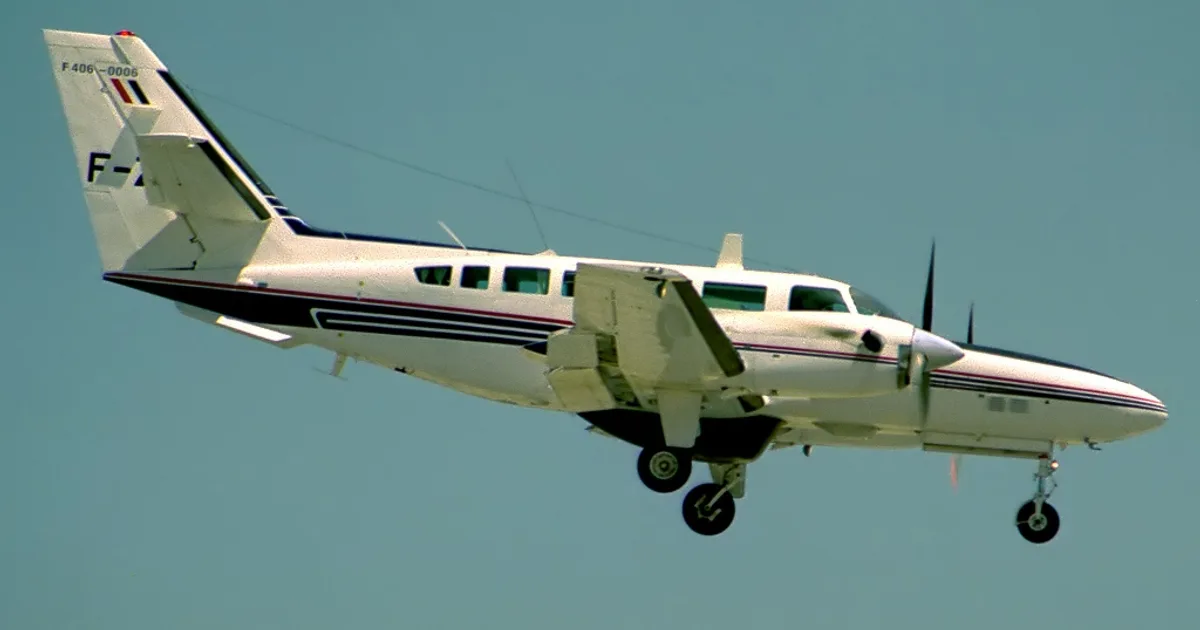
The CESSNA 402C is a low-wing, twin-engine piston airplane with retractable tricycle landing gear. It has two six-cylinder TSIO-520-VB turbocharged engines rated at 325 hp each. It is certified for single-pilot operation and can carry up to ten people in passenger configuration. Maximum takeoff weight is 6,850 lb. Buyers should focus on wing spar, wastegate, exhaust and landing gear history.
- Maximum takeoff weight is 6,850 lb. Fuel is 213.4 gal total, of which 204 gal is usable.
- AD 2005-05-52 covers wing spar cracking. Confirm the spar strap modification and the eddy-current inspection records.
- Check the exhaust bypass valve (wastegate) and exhaust system. Inconel parts can corrode from the inside without visible signs.
- On the pre-buy, test the gear warning horn and brakes. Accident reports cite both.
Summary written by AI from the source document. Check the original before relying on it. See which parts of Sprinkle are written by AI.
Reference only, not for flight. Use the current approved manual for your aircraft. See terms, section 5.
Document
Source
Copy found at sprinkle.com. Sprinkle hosts a reference copy with an added summary, specifications and searchable full text.
Document details
- Type ·
- Model Guide
- Year ·
- 2026
- File size ·
- 50 KB
- Copy found at ·
- sprinkle.com
Specifications & performance
Extracted from this document.
Specifications
- Engine power (hp) ·
- 325
- Fuel usable (gal) ·
- 204
- Max takeoff weight (lb) ·
- 6,850
- Fuel capacity total (gal) ·
- 213.4
- Max baggage forward (lb) ·
- 350
- Wing loading lbs per sqft ·
- 30.34
Performance
- Max crosswind (kt) ·
- 15
V-speeds
- VA_KTS ·
- 150
- VX_KTS ·
- 84
- VY_KTS ·
- 109
- VFE_KTS ·
- 180
- VNE_KTS ·
- 235
- VNO_KTS ·
- 205
- VMCA_KTS ·
- 80
- VYSE_KTS ·
- 104
Weight & balance
- Max takeoff weight (lb) ·
- 6,850
- Max baggage forward (lb) ·
- 350
What is the maximum takeoff weight of the CESSNA 402C?
The CESSNA 402C has a maximum takeoff weight of 6,850 lb. An accident report notes that with vortex generators this can rise to 7,210 lb. Check which modifications and STCs a given airplane actually has.
How much fuel does it carry?
The CESSNA 402C holds 213.4 US gallons in total, of which 204 gallons is usable according to the limitations sheet.
What wing inspections apply to the CESSNA 402C?
AD 2005-05-52 applies to CESSNA 402C airplanes without the spar strap modification. It requires eddy-current inspection of the forward spar and visual inspection of the aft and auxiliary spars every 100 hours.
What engine and exhaust items should a buyer check on the CESSNA 402C?
For the CESSNA 402C, check the wastegate service records, since the bulletin recommends inspection every 50 hours after 300 hours. Also check the exhaust AD records, which require visual inspection every 50 hours or 30 days.
What is the CESSNA 402C Model Guide?
The CESSNA 402C Model Guide is a model guide for the CESSNA 402C, dated 2026.
What year was the CESSNA 402C Model Guide published?
The CESSNA 402C Model Guide — the CESSNA 402C model guide on file — is dated 2026.
Common. More common than 89% of the aircraft models we track.
Most owners only have the POH. Here's the essential set for the CESSNA 402C.
CESSNA 402C for sale now
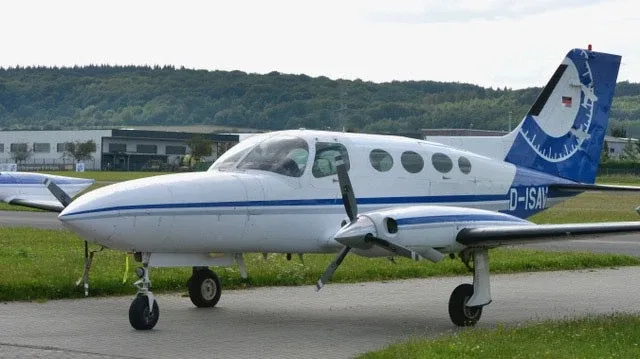
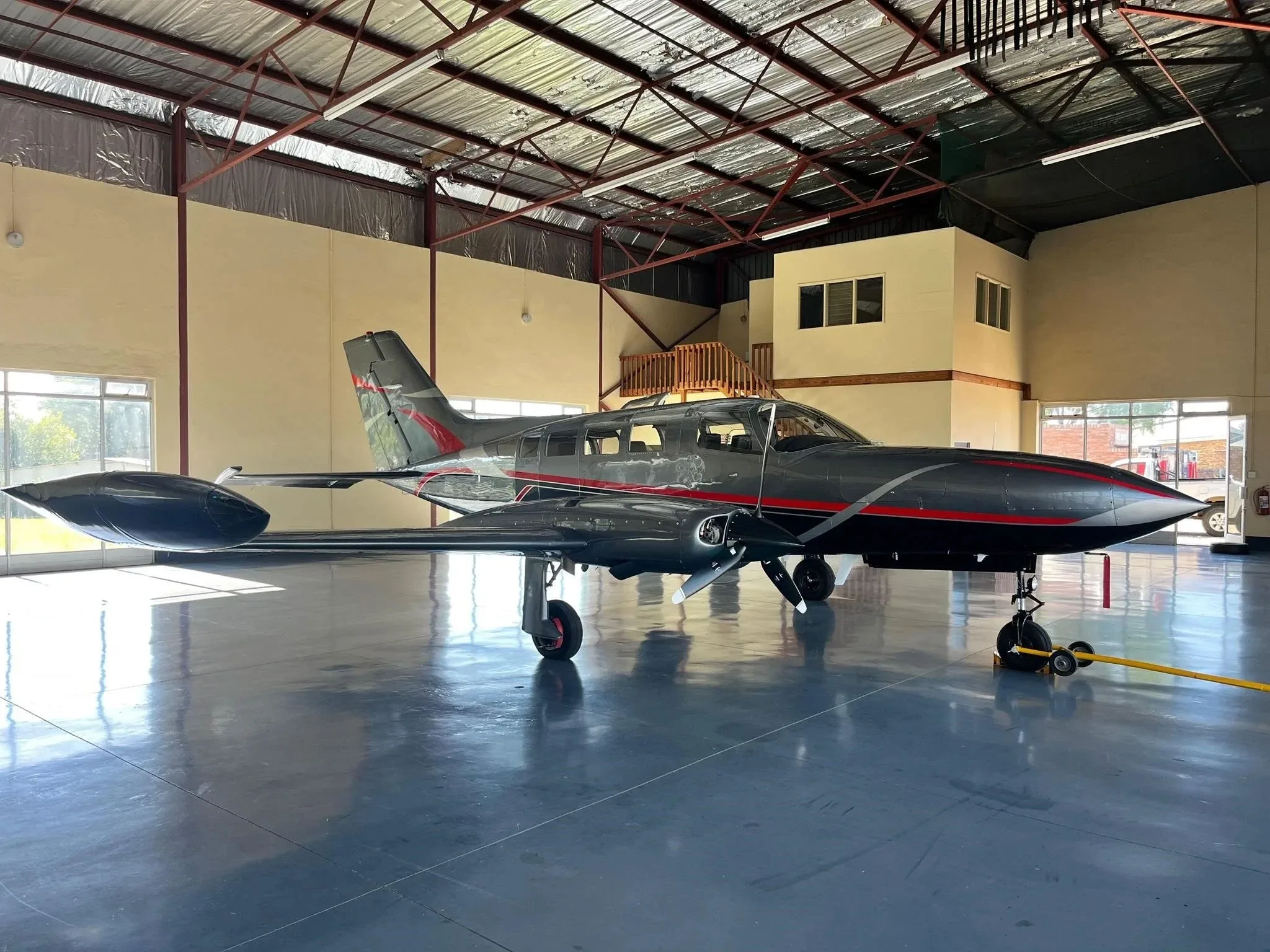
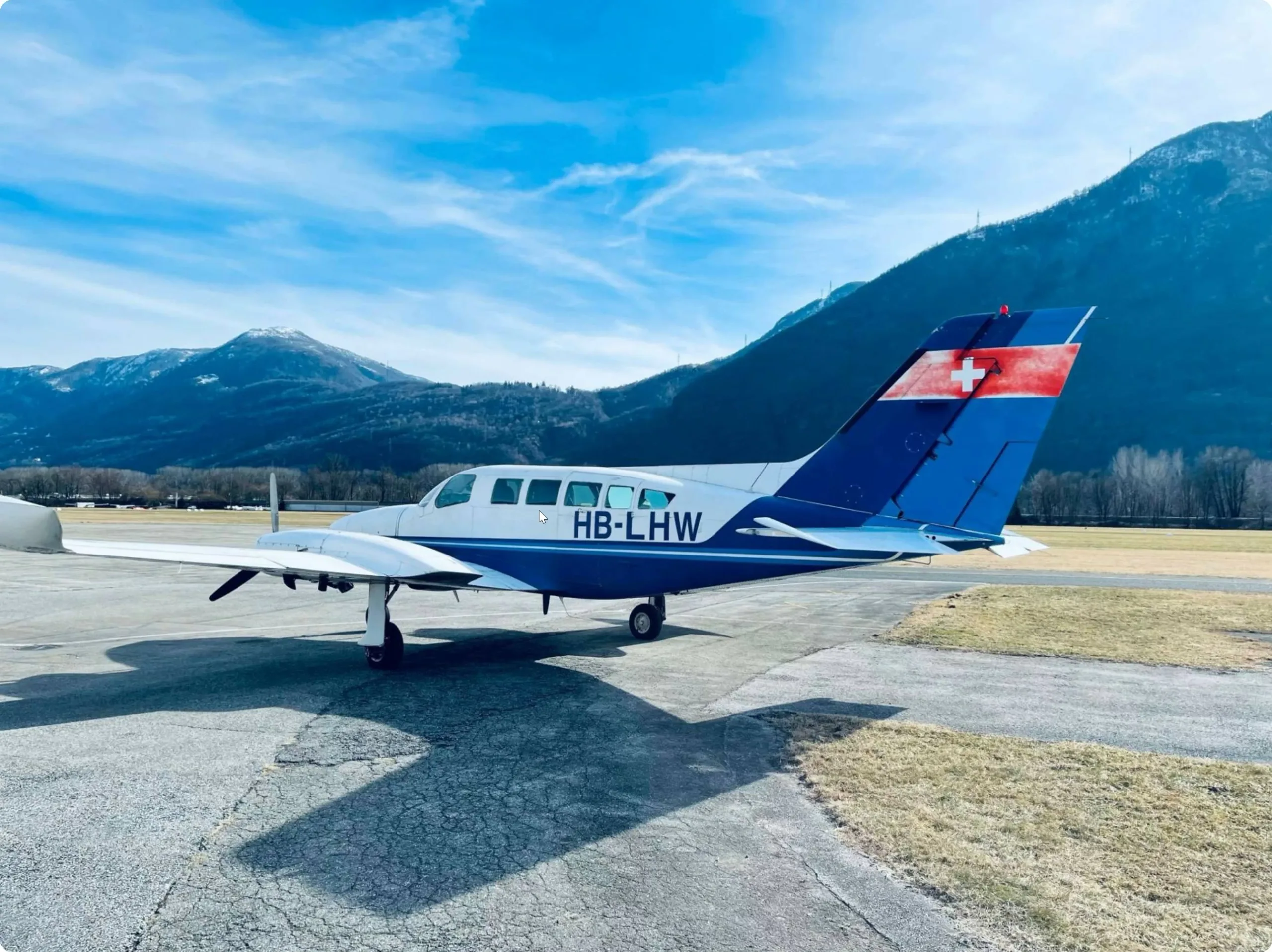
Free — save the 402 to your watchlist and track it in one place.
More CESSNA 402Cmanuals & documents
See all 13 →- AAIB Bulletin: 5/2022 VQ-TIN AAIB-27492Other Documents
- Aviation Investigation Final ReportOther Documents
- AAIB Bulletin: 3/2018 N603AB EW/C2017/02/02Other Documents
- AD/CESSNA 400/120 Fitting - Wing Attach - Lower Forward Carry Through Spar (Left and Right Wings)Service Bulletins
- CESSNA 402CSystems Description
- SPECIAL AIRWORTHINESS INFORMATION BULLETIN SAIB: CE-10-48Maintenance Manual
- EMERGENCY AIRWORTHINESS DIRECTIVEOther Documents
- Hartzell Engine Technologies Service Bulletin No. A-111Service Bulletins
- Aviation Accident Final ReportOther Documents
- SCHEDULE OF AIRWORTHINESS DIRECTIVESAirworthiness Directives
- MODEL 402C PILOT'S OPERATING HANDBOOKFlight Manual
- Emergency Procedures for Cessna 402CEmergency Procedures
If you fly the CESSNA 402C, you may also be researching these.





In this document
Wing structure and airworthiness directives
AD 2005-05-52 applies to 402C airplanes without a spar strap modification on each wing. Fatigue cracks were found near wing station 114 in the lower spar cap of airplanes with over 20,000 hours. The AD requires eddy-current inspection of the forward spar and visual inspection of the aft and auxiliary spars every 100 hours. A separate CASA AD covers non-OEM J&R fittings, part number JRA-445-1, in the wing attach area.
Engines, exhaust and landing gear
Hartzell bulletin A-111 describes the exhaust bypass valve binding from lead deposits. Symptoms are reduced takeoff power or manifold pressure sticking between 26 and 29 inches Hg. It recommends inspection at 300 hours and every 50 hours after that. AD 2000-01-16 requires visual exhaust inspection every 50 hours or 30 days, and V-band clamp replacement every 500 hours. FAA SAIB CE-10-48 stresses correct torque link washers on the main gear (P/N 5045018-2) after a torque link detached.
What accident reports show
One 402C landed gear-up. Its warning horn was unserviceable, had not been tested, and the checklist was not used. Another ran off the runway at Virgin Gorda after the left brake pedal went to the floor. The aircraft had about 20,200 flying hours. A third landed fast on a wet runway with a tailwind and crashed after a go-around. Inspect the brakes and gear warning system closely and review how the airplane has been operated.
Summary written by AI from the source document. Check the original before relying on it. See which parts of Sprinkle are written by AI.
Safety notes
- Test the landing gear warning horn with the press-to-test button before flight, and use the Normal Procedures checklist.
- Engine failure below Vmca (80 KIAS): apply rudder, reduce power to stop the turn, and lower the nose to accelerate.
- An unexplained loss of takeoff power or manifold pressure may point to a sticking wastegate. Have it inspected promptly.
Summary written by AI from the source document. Check the original before relying on it. See which parts of Sprinkle are written by AI.
Full document text
CESSNA 402C Model Guide The CESSNA 402C is a low-wing, twin-engine piston airplane with retractable tricycle landing gear. It has two six-cylinder TSIO-520-VB turbocharged engines rated at 325 hp each. It is certified for single-pilot operation and can carry up to ten people in passenger configuration. Maximum takeoff weight is 6,850 lb. Buyers should focus on wing spar, wastegate, exhaust and landing gear history. • Maximum takeoff weight is 6,850 lb. Fuel is 213.4 gal total, of which 204 gal is usable. • AD 2005-05-52 covers wing spar cracking. Confirm the spar strap modification and the eddy-current inspection records. • Check the exhaust bypass valve (wastegate) and exhaust system. Inconel parts can corrode from the inside without visible signs. • On the pre-buy, test the gear warning horn and brakes. Accident reports cite both. Wing structure and airworthiness directives AD 2005-05-52 applies to 402C airplanes without a spar strap modification on each wing. Fatigue cracks were found near wing station 114 in the lower spar cap of airplanes with over 20,000 hours. The AD requires eddy-current inspection of the forward spar and visual inspection of the aft and auxiliary spars every 100 hours. A separate CASA AD covers non-OEM J&R fittings, part number JRA-445-1, in the wing attach area. Engines, exhaust and landing gear Hartzell bulletin A-111 describes the exhaust bypass valve binding from lead deposits. Symptoms are reduced takeoff power or manifold pressure sticking between 26 and 29 inches Hg. It recommends inspection at 300 hours and every 50 hours after that. AD 2000-01-16 requires visual exhaust inspection every 50 hours or 30 days, and V-band clamp replacement every 500 hours. FAA SAIB CE-10-48 stresses correct torque link washers on the main gear (P/N 5045018-2) after a torque link detached. What accident reports show One 402C landed gear-up. Its warning horn was unserviceable, had not been tested, and the checklist was not used. Another ran off the runway at Virgin Gorda after the left brake pedal went to the floor. The aircraft had about 20,200 flying hours. A third landed fast on a wet runway with a tailwind and crashed after a go-around. Inspect the brakes and gear warning system closely and review how the airplane has been operated. Safety notes: • Test the landing gear warning horn with the press-to-test button before flight, and use the Normal Procedures checklist. • Engine failure below Vmca (80 KIAS): apply rudder, reduce power to stop the turn, and lower the nose to accelerate. • An unexplained loss of takeoff power or manifold pressure may point to a sticking wastegate. Have it inspected promptly.