Cessna 401 Model Guide
Cessna 401 · Model Guide
Overview
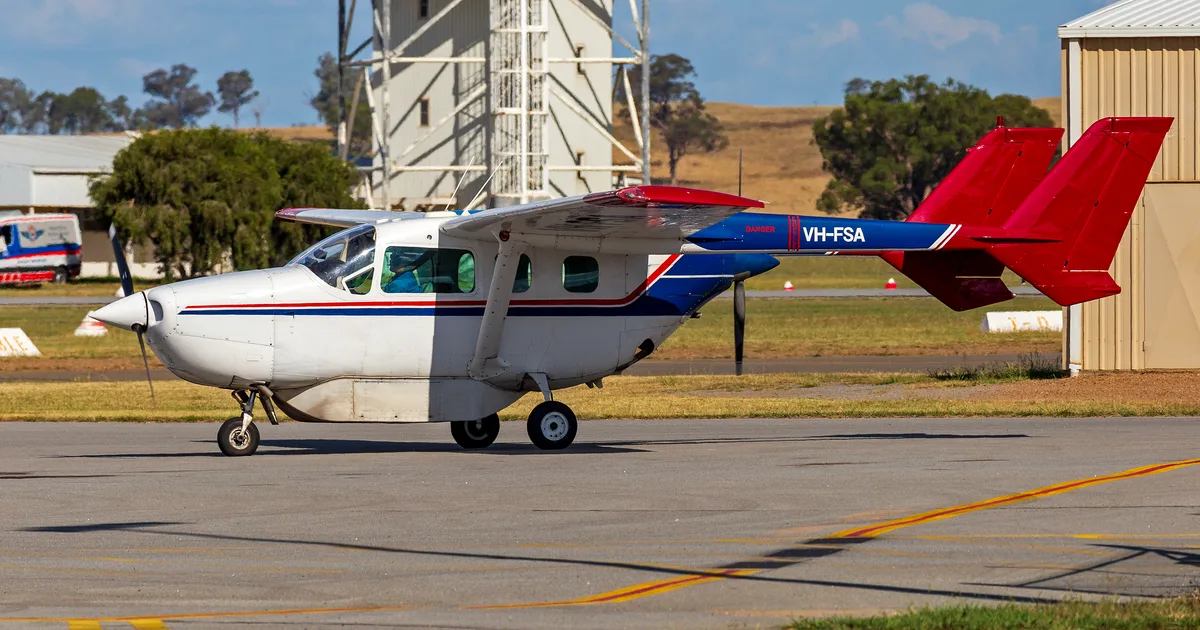
The Cessna 401 is a piston twin-engine aircraft built from 1966 to 1972 and seating 6 to 8. The registry lists the 401 family as 401, 401A and 401B, with up to 1260 nm range, 213 kt cruise and a 27000 ft service ceiling. Those are maxima across variants, not figures for every airplane. The source documents here focus on exhaust and cabin heater inspection.
- Piston twin built 1966 to 1972, seating 6 to 8. Family variants are 401, 401A and 401B.
- Family-level maxima: up to 1260 nm range, 213 kt cruise, 27000 ft ceiling. Confirm the individual airplane's own manual figures.
- Turbocharged exhaust systems fall under AD 2000-01-16: recurring inspections, plus removal for overhaul at 2500 hrs or 12 years.
- A 2012 fatal NTSB accident involved a Cessna 401 cabin heater fire. Verify the heater's logbook history.
Summary written by AI from the source document. Check the original before relying on it. See which parts of Sprinkle are written by AI.
Reference only, not for flight. Use the current approved manual for your aircraft. See terms, section 5.
Document
Source
Copy found at sprinkle.com. Sprinkle hosts a reference copy with an added summary, specifications and searchable full text.
Document details
- Type ·
- Model Guide
- Year ·
- 2026
- File size ·
- 47 KB
- Copy found at ·
- sprinkle.com
Specifications & performance
Extracted from this document.
Specifications
- Seats max ·
- 8
- Seats min ·
- 6
- Engine power (hp) ·
- 300
- Production end year ·
- 1,972
- Production start year ·
- 1,966
Performance
- Family max range (nm) ·
- 1,260
- Family max cruise speed (kt) ·
- 213
- Family max service ceiling (ft) ·
- 27,000
How many people does the Cessna 401 seat?
The Cessna 401 is listed with 6 to 8 seats. The registry family data shows up to 8 passengers across the 401, 401A and 401B variants.
How often must the Cessna 401 exhaust be inspected?
For the Cessna 401 A, B with TSIO-520-B engines, AD 2000-01-16 calls for a visual check every 50 hrs or 30 days. It also calls for tailpipe inspection and a pressure test every 12 months, and clamp replacement every 500 hrs.
What heater issue should a Cessna 401 buyer look for?
A 2012 Cessna 401 accident involved a heater with weld leaks, an inoperative entry at annual and no return-to-service record. Check the logbooks for heater testing, overheat events and repairs.
What is the Cessna 401 Model Guide?
The Cessna 401 Model Guide is a model guide for the Cessna 401, dated 2026.
What year was the Cessna 401 Model Guide published?
The Cessna 401 Model Guide — the Cessna 401 model guide on file — is dated 2026.
Common. More common than 75% of the aircraft models we track.
Most owners only have the POH. Here's the essential set for the Cessna 401.
- Pilot's Operating Handbook / AFM
- Checklist
- Maintenance Manual
- Parts Catalog (IPC)
- Systems & Wiring
- Service Bulletins on file
- Type Certificate (TCDS)
Free — save the 401 to your watchlist and track it in one place.
More Cessna 401manuals & documents
- AFMAN 11-2FTV1 EDWARDSAFBSUPTraining Manual
- SERVICE BULLETIN SB507592-401-25-01Service Bulletins
- Aviation Accident Final ReportOther Documents
- Cessna 401 Systems DescriptionSystems Description
- Pilot's Operating Handbook - FAA Approved Airplane Flight ManualPilot's Operating Handbook
- section 6 weight & balance/equipment listWeight & Balance
If you fly the Cessna 401, you may also be researching these.





In this document
Exhaust system (AD 2000-01-16)
The exhaust chart for the 401 A, B with TCM TSIO-520-B engine cites AD 2000-01-16, which applies to all serial numbers. Visual inspection is every 50 hrs or 30 days. Tailpipe removal and inspection and a pressure test are every 12 months. V-band clamps are replaced every 500 hrs. The exhaust is removed from the slip-joints aft to the turbo components every 2500 hrs or 12 years, whichever comes first.
Cabin heater history
NTSB report CEN12FA290 covers a 1967 Cessna 401 (serial 401-0123) with turbo-charged, fuel injected, 300-horsepower TSIO-520-E engines. Leaks at weld points on the heater combustion chamber led to an inflight fire and smoke. The logbook showed the heater inoperative at annual, with no entry returning it to service. The NTSB noted that this heater unit had no calendar time limit for periodic inspection.
What to check before buying
Review the logbooks for heater return-to-service entries, overheat events and pressure testing. The owner's manual says the heater must be thoroughly checked before the overheat switch is reset. The switch is in the right forward nose compartment, and the light means air in the heater exceeded 325 degrees Fahrenheit. Also confirm exhaust AD compliance records and the condition of tailpipes and turbo headers.
Summary written by AI from the source document. Check the original before relying on it. See which parts of Sprinkle are written by AI.
Safety notes
- Do not reset the heater overheat switch without finding the cause first. The manual requires a thorough check.
- Do not fly with a heater that is inoperative or lacks a return-to-service entry. This preceded a fatal fire and smoke event.
- Inspect tailpipes for internal pitting and thin walls at the outside radius and support bracket, and turbo headers for cracks.
Summary written by AI from the source document. Check the original before relying on it. See which parts of Sprinkle are written by AI.
Full document text
Cessna 401 Model Guide The Cessna 401 is a piston twin-engine aircraft built from 1966 to 1972 and seating 6 to 8. The registry lists the 401 family as 401, 401A and 401B, with up to 1260 nm range, 213 kt cruise and a 27000 ft service ceiling. Those are maxima across variants, not figures for every airplane. The source documents here focus on exhaust and cabin heater inspection. • Piston twin built 1966 to 1972, seating 6 to 8. Family variants are 401, 401A and 401B. • Family-level maxima: up to 1260 nm range, 213 kt cruise, 27000 ft ceiling. Confirm the individual airplane's own manual figures. • Turbocharged exhaust systems fall under AD 2000-01-16: recurring inspections, plus removal for overhaul at 2500 hrs or 12 years. • A 2012 fatal NTSB accident involved a Cessna 401 cabin heater fire. Verify the heater's logbook history. Exhaust system (AD 2000-01-16) The exhaust chart for the 401 A, B with TCM TSIO-520-B engine cites AD 2000-01-16, which applies to all serial numbers. Visual inspection is every 50 hrs or 30 days. Tailpipe removal and inspection and a pressure test are every 12 months. V-band clamps are replaced every 500 hrs. The exhaust is removed from the slip-joints aft to the turbo components every 2500 hrs or 12 years, whichever comes first. Cabin heater history NTSB report CEN12FA290 covers a 1967 Cessna 401 (serial 401-0123) with turbo-charged, fuel injected, 300-horsepower TSIO-520-E engines. Leaks at weld points on the heater combustion chamber led to an inflight fire and smoke. The logbook showed the heater inoperative at annual, with no entry returning it to service. The NTSB noted that this heater unit had no calendar time limit for periodic inspection. What to check before buying Review the logbooks for heater return-to-service entries, overheat events and pressure testing. The owner's manual says the heater must be thoroughly checked before the overheat switch is reset. The switch is in the right forward nose compartment, and the light means air in the heater exceeded 325 degrees Fahrenheit. Also confirm exhaust AD compliance records and the condition of tailpipes and turbo headers. Safety notes: • Do not reset the heater overheat switch without finding the cause first. The manual requires a thorough check. • Do not fly with a heater that is inoperative or lacks a return-to-service entry. This preceded a fatal fire and smoke event. • Inspect tailpipes for internal pitting and thin walls at the outside radius and support bracket, and turbo headers for cracks.