Reims-Cessna F172 Model Guide
Reims-Cessna F172 · Model Guide
Overview
The Reims-Cessna F172 is a four-seat, fixed-gear, single-engine piston high-wing built by Reims Aviation in France and listed here for 1967 to 1986. Registry data shows a Lycoming O-320, a fixed-pitch propeller, 42 gal fuel capacity and a 2300 lb maximum takeoff weight. Engines and weights vary by variant, so check the individual aircraft.
- Engine depends on year: through 1971 models used the six-cylinder O-300; from 1972 models used four-cylinder Lycoming engines.
- The F172M manual lists a Lycoming O-320-E2D, 150 HP, 80/87 minimum grade fuel, and 38 gal usable in standard tanks (48 gal with long-range tanks).
- Weights differ by source: the registry lists 2300 lbs, while a Norwegian F172N authorization page lists 2550 lbs. Confirm against the aircraft's own papers.
- Family-level context only: the wider 172 family reaches up to 140 kt cruise and 700 nm range. These are not figures for this variant.
Summary written by AI from the source document. Check the original before relying on it. See which parts of Sprinkle are written by AI.
Reference only, not for flight. Use the current approved manual for your aircraft. See terms, section 5.
Document
Source
Copy found at sprinkle.com. Sprinkle hosts a reference copy with an added summary, specifications and searchable full text.
Document details
- Type ·
- Model Guide
- Year ·
- 2026
- File size ·
- 51 KB
- Copy found at ·
- sprinkle.com
Specifications & performance
Extracted from this document.
Specifications
- Length (ft) ·
- 27
- Propeller ·
- Fixed Pitch
- Wingspan (ft) ·
- 36
- Engine model ·
- Lycoming O-320
- Usable fuel (gal) ·
- 38
- Fuel capacity (gal) ·
- 42
- Baggage capacity (lb) ·
- 120
Weight & balance
- Max takeoff weight (lb) ·
- 2,300
What engine does the Reims-Cessna F172 have?
Registry data lists a Lycoming O-320 for the Reims-Cessna F172. The F172M manual specifies an O-320-E2D of 150 HP. Earlier models through 1971 used the O-300 six-cylinder engine, so check the engine in the aircraft you are looking at.
How much fuel does the Reims-Cessna F172 carry?
The Reims-Cessna F172M has 42 gal total in standard tanks, of which 38 gal is usable. Optional long-range tanks give 52 gal total and 48 gal usable.
Can the Reims-Cessna F172 be flown IFR?
The Reims-Cessna F172M flight manual cover states that flights under instrument flight rules (IFR) are prohibited. Read the manual that applies to the specific aircraft.
What is the Reims-Cessna F172 Model Guide?
The Reims-Cessna F172 Model Guide is a model guide for the Reims-Cessna F172, dated 2026.
What year was the Reims-Cessna F172 Model Guide published?
The Reims-Cessna F172 Model Guide — the Reims-Cessna F172 model guide on file — is dated 2026.
Common. One of the most common aircraft types we track.
Most owners only have the POH. Here's the essential set for the Reims-Cessna F172.
- Pilot's Operating Handbook / AFM
- Checklist
- Maintenance Manual
- Parts Catalog (IPC)
- Systems & Wiring
- Service Bulletins on file
- Type Certificate (TCDS)
Reims-Cessna F172 for sale now
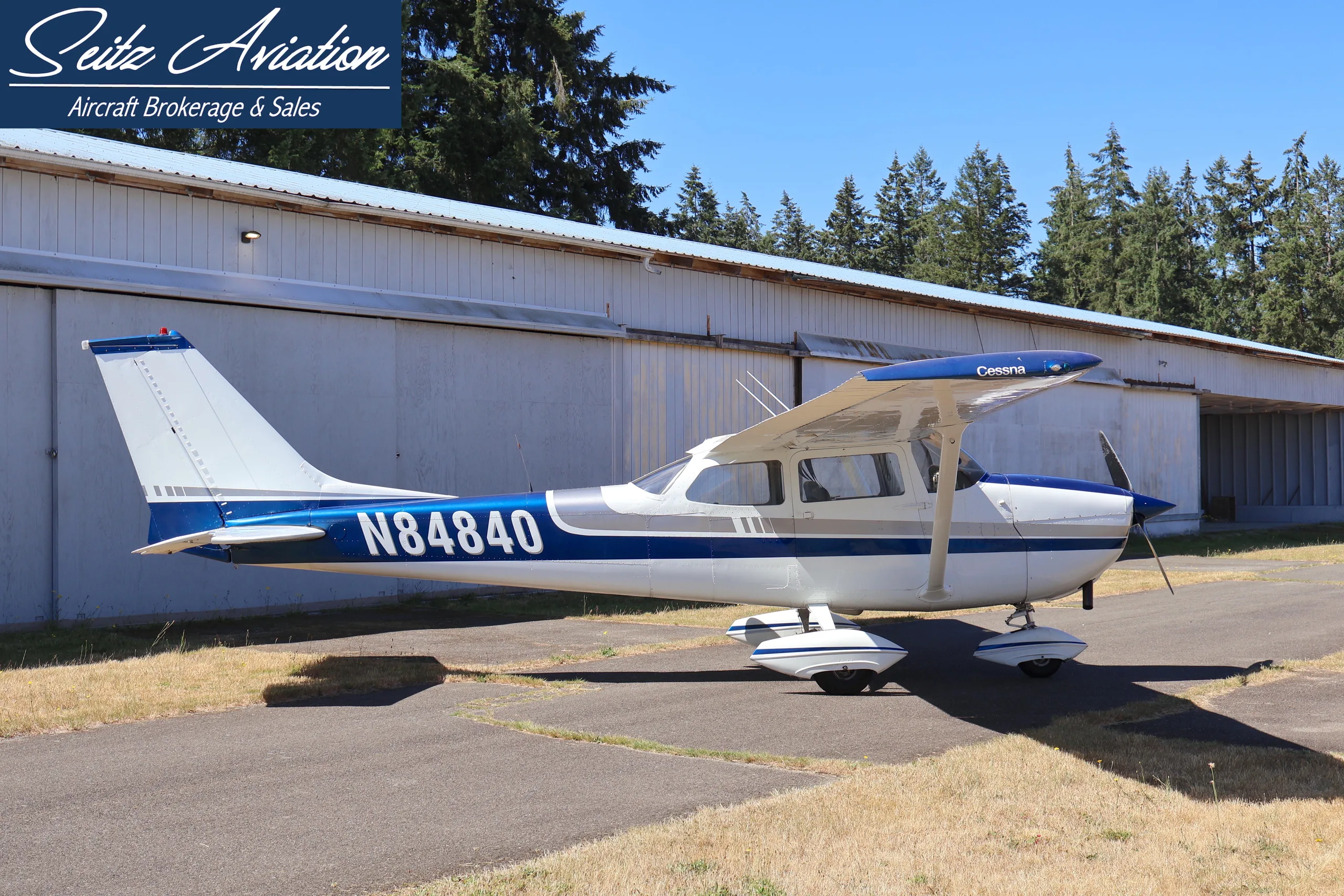
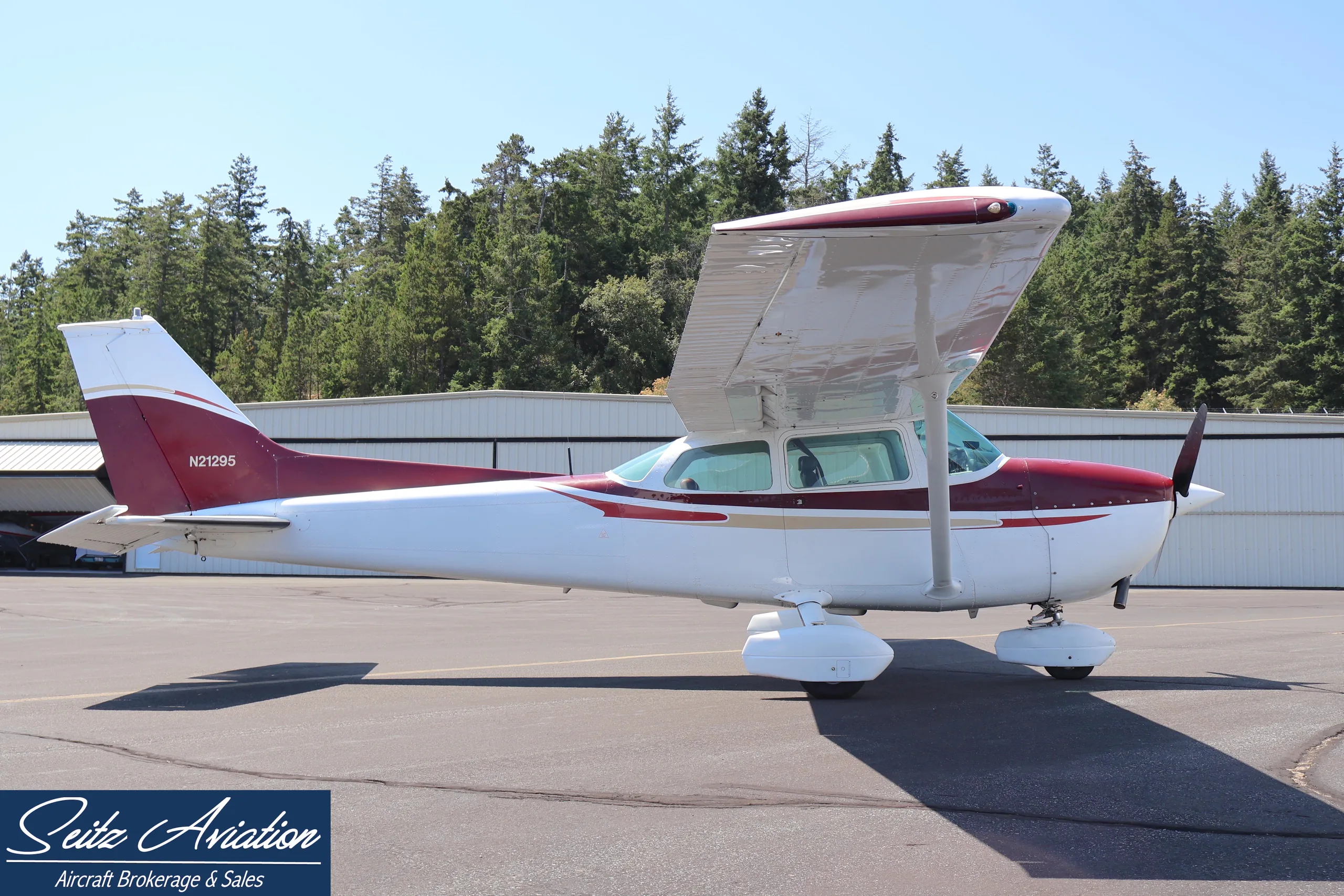
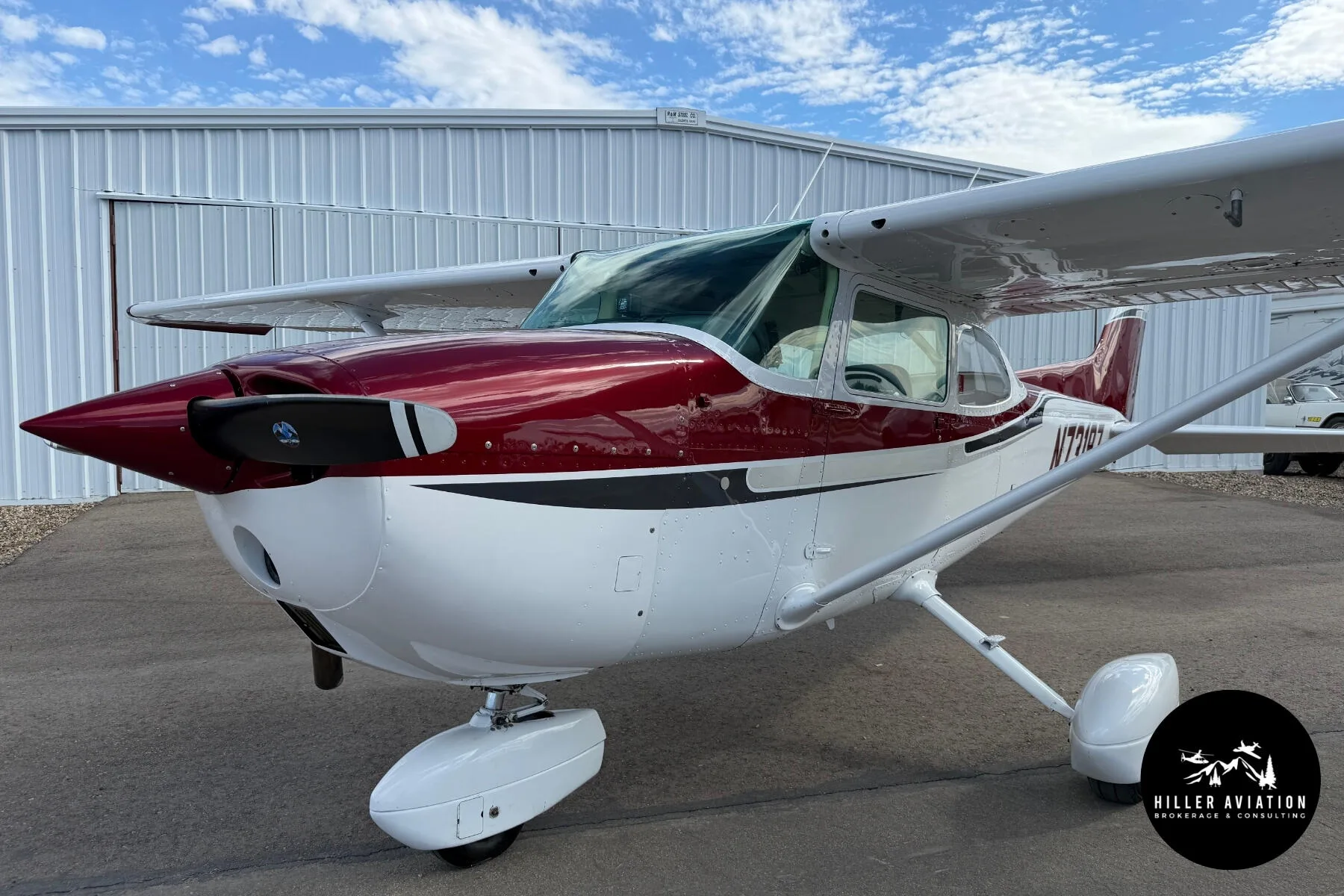
Free — save the 172 to your watchlist and track it in one place.
More Reims-Cessna F172manuals & documents
- REPORT IN-035/2011Other Documents
- Supplement POH Reims/ Cessna (F)172 N&PV Speeds Reference
- Supplement Pilot's Operating Handbook for the (Reims) Cessna (F)172 N & P Equipped with TAE 125 InstallationPilot's Operating Handbook
- Cessna 172 AND SKYHAWK SERIES 1969 THRU 1976 SERVICE MANUALService Manual
- Pilot's Operating HandbookPilot's Operating Handbook
- Normal ProceduresNormal Procedures
- WEIGHT AND BALANCEWeight & Balance
If you fly the Reims-Cessna F172, you may also be researching these.


In this document
Engine history to check
An F172H with the O-300-D engine lost power after takeoff when the number 2 cylinder rocker arm broke. Nine hours earlier, cylinders 2 and 4 were repaired for low compression (exhaust valves seized open). The rocker arms and bushings were not replaced, only inspected visually. That engine had 490 h since overhaul, against a limit of 1,800 h or 12 years. Review the engine logs closely.
Conversions and supplements
A Penn Yan STC (SA703GL) fits a 180 HP engine to the 172N and raises gross weight to 2550 lbs. Its supplement says the original fuel consumption and range data no longer apply, and range is reduced. A TAE 125 diesel supplement for the F172 N and P uses Jet A or Jet A-1 and a three-blade constant-speed propeller. Make sure the right supplement is in the aircraft.
Dimensions, fuel and loading (F172M manual)
The wing area is 174 sq ft and the baggage limit is 120 lbs. Standard tanks hold 21 gal each (42 total, 38 usable). Optional long-range tanks hold 26 gal each (52 total, 48 usable). The propeller is a 75 in McCauley two-blade fixed-pitch unit. Keep the fuel selector on BOTH for takeoff, climb and landing.
Safety notes
- The F172M flight manual cover states that flights under instrument flight rules (IFR) are prohibited.
- With 1/8 tank or less, avoid a prolonged steep descent with partial power, full flaps and 80 MPH or more. Fuel starvation is possible.
- On TAE 125 diesel conversions, a simultaneous battery and alternator failure stops the engine. Watch for alternator failure indications.
Full document text
Reims-Cessna F172 Model Guide The Reims-Cessna F172 is a four-seat, fixed-gear, single-engine piston high-wing built by Reims Aviation in France and listed here for 1967 to 1986. Registry data shows a Lycoming O-320, a fixed-pitch propeller, 42 gal fuel capacity and a 2300 lb maximum takeoff weight. Engines and weights vary by variant, so check the individual aircraft. • Engine depends on year: through 1971 models used the six-cylinder O-300; from 1972 models used four-cylinder Lycoming engines. • The F172M manual lists a Lycoming O-320-E2D, 150 HP, 80/87 minimum grade fuel, and 38 gal usable in standard tanks (48 gal with long-range tanks). • Weights differ by source: the registry lists 2300 lbs, while a Norwegian F172N authorization page lists 2550 lbs. Confirm against the aircraft's own papers. • Family-level context only: the wider 172 family reaches up to 140 kt cruise and 700 nm range. These are not figures for this variant. Engine history to check An F172H with the O-300-D engine lost power after takeoff when the number 2 cylinder rocker arm broke. Nine hours earlier, cylinders 2 and 4 were repaired for low compression (exhaust valves seized open). The rocker arms and bushings were not replaced, only inspected visually. That engine had 490 h since overhaul, against a limit of 1,800 h or 12 years. Review the engine logs closely. Conversions and supplements A Penn Yan STC (SA703GL) fits a 180 HP engine to the 172N and raises gross weight to 2550 lbs. Its supplement says the original fuel consumption and range data no longer apply, and range is reduced. A TAE 125 diesel supplement for the F172 N and P uses Jet A or Jet A-1 and a three-blade constant-speed propeller. Make sure the right supplement is in the aircraft. Dimensions, fuel and loading (F172M manual) The wing area is 174 sq ft and the baggage limit is 120 lbs. Standard tanks hold 21 gal each (42 total, 38 usable). Optional long-range tanks hold 26 gal each (52 total, 48 usable). The propeller is a 75 in McCauley two-blade fixed-pitch unit. Keep the fuel selector on BOTH for takeoff, climb and landing. Safety notes: • The F172M flight manual cover states that flights under instrument flight rules (IFR) are prohibited. • With 1/8 tank or less, avoid a prolonged steep descent with partial power, full flaps and 80 MPH or more. Fuel starvation is possible. • On TAE 125 diesel conversions, a simultaneous battery and alternator failure stops the engine. Watch for alternator failure indications.