CESSNA R172K HAWK XP Model Guide
CESSNA R172K HAWK XP · Model Guide
Overview
The CESSNA R172K HAWK XP is a single-engine piston Cessna with a fuel-injected Teledyne Continental six-cylinder engine rated 195 BHP at 2600 RPM. It has a constant-speed McCauley two-blade propeller. The handbooks reviewed cover a 1977 and a 1980 airplane. Maximum takeoff weight is 2550 lbs in the Normal category.
- 195 BHP fuel-injected engine; handbook gives 133 knots maximum at sea level and 130 knots cruise at 80% power at 6000 ft.
- Standard tanks hold 49 gallons usable (52 total); long range tanks hold 66 usable (68 total).
- Maximum takeoff weight is 2550 lbs Normal category, 2200 lbs Utility; baggage is limited to 200 lbs combined.
- The 1977 and 1980 handbooks differ on empty weight, useful load and some range figures, so check the book for the airplane you are buying.
Summary written by AI from the source document. Check the original before relying on it. See which parts of Sprinkle are written by AI.
Reference only, not for flight. Use the current approved manual for your aircraft. See terms, section 5.
Document
Source
Copy found at sprinkle.com. Sprinkle hosts a reference copy with an added summary, specifications and searchable full text.
Document details
- Type ·
- Model Guide
- Year ·
- 2026
- File size ·
- 50 KB
- Copy found at ·
- sprinkle.com
Specifications & performance
Extracted from this document.
Specifications
- Wing span (ft) ·
- 36
- Engine power (hp) ·
- 195
- Max takeoff weight (lb) ·
- 2,550
- Total fuel standard (gal) ·
- 52
- Usable fuel standard (gal) ·
- 49
- Total fuel long range (gal) ·
- 68
- Usable fuel long range (gal) ·
- 66
- Propeller diameter max (in) ·
- 76
Performance
- Rate of climb (fpm) ·
- 870
- Service ceiling (ft) ·
- 17,000
- Landing ground roll (ft) ·
- 620
- Takeoff ground roll (ft) ·
- 800
- Max speed sea level (kt) ·
- 133
- Stall speed flaps up (kt) ·
- 53
- Stall speed flaps down (kt) ·
- 46
- Cruise speed 80pct 6000ft (kt) ·
- 130
V-speeds
- VNE_KTS ·
- 163
- VNO_KTS ·
- 129
- VA_AT_2550_LBS_KTS ·
- 104
- VFE_FULL_FLAPS_KTS ·
- 85
- VFE_10_DEG_FLAPS_KTS ·
- 110
Weight & balance
- Cg aft limit (in) ·
- 47.3
- Max ramp weight (lb) ·
- 2,558
- Baggage area 1 max (lb) ·
- 200
- Baggage area 2 max (lb) ·
- 50
- Max landing weight (lb) ·
- 2,550
- Max takeoff weight (lb) ·
- 2,550
- Utility max takeoff weight (lb) ·
- 2,200
- Cg forward limit at 2550 lbs (in) ·
- 41
How much fuel does the CESSNA R172K HAWK XP carry?
The CESSNA R172K HAWK XP has standard tanks of 52 gallons total with 49 usable. Long range tanks hold 68 gallons total with 66 usable (1980 handbook). Approved fuel is 100LL (blue) or 100 (green).
What is the maximum takeoff weight of the CESSNA R172K HAWK XP?
The CESSNA R172K HAWK XP is certificated at 2550 lbs for takeoff and landing in the Normal category, with a ramp weight of 2558 lbs. In the Utility category the takeoff weight is 2200 lbs.
How fast is the CESSNA R172K HAWK XP?
The CESSNA R172K HAWK XP handbook lists 133 knots maximum at sea level and 130 knots cruise at 80% power at 6000 ft. Never-exceed speed is 163 KIAS. For comparison, the whole 172 family is listed at up to 140 knots.
What is the CESSNA R172K HAWK XP Model Guide?
The CESSNA R172K HAWK XP Model Guide is a model guide for the CESSNA R172K HAWK XP, dated 2026.
What year was the CESSNA R172K HAWK XP Model Guide published?
The CESSNA R172K HAWK XP Model Guide — the CESSNA R172K HAWK XP model guide on file — is dated 2026.
Common. One of the most common aircraft types we track.
Most owners only have the POH. Here's the essential set for the CESSNA R172K HAWK XP.
- Pilot's Operating Handbook / AFM
- Checklist
- Maintenance Manual
- Parts Catalog (IPC)
- Systems & Wiring
- Service Bulletins on file
- Type Certificate (TCDS)
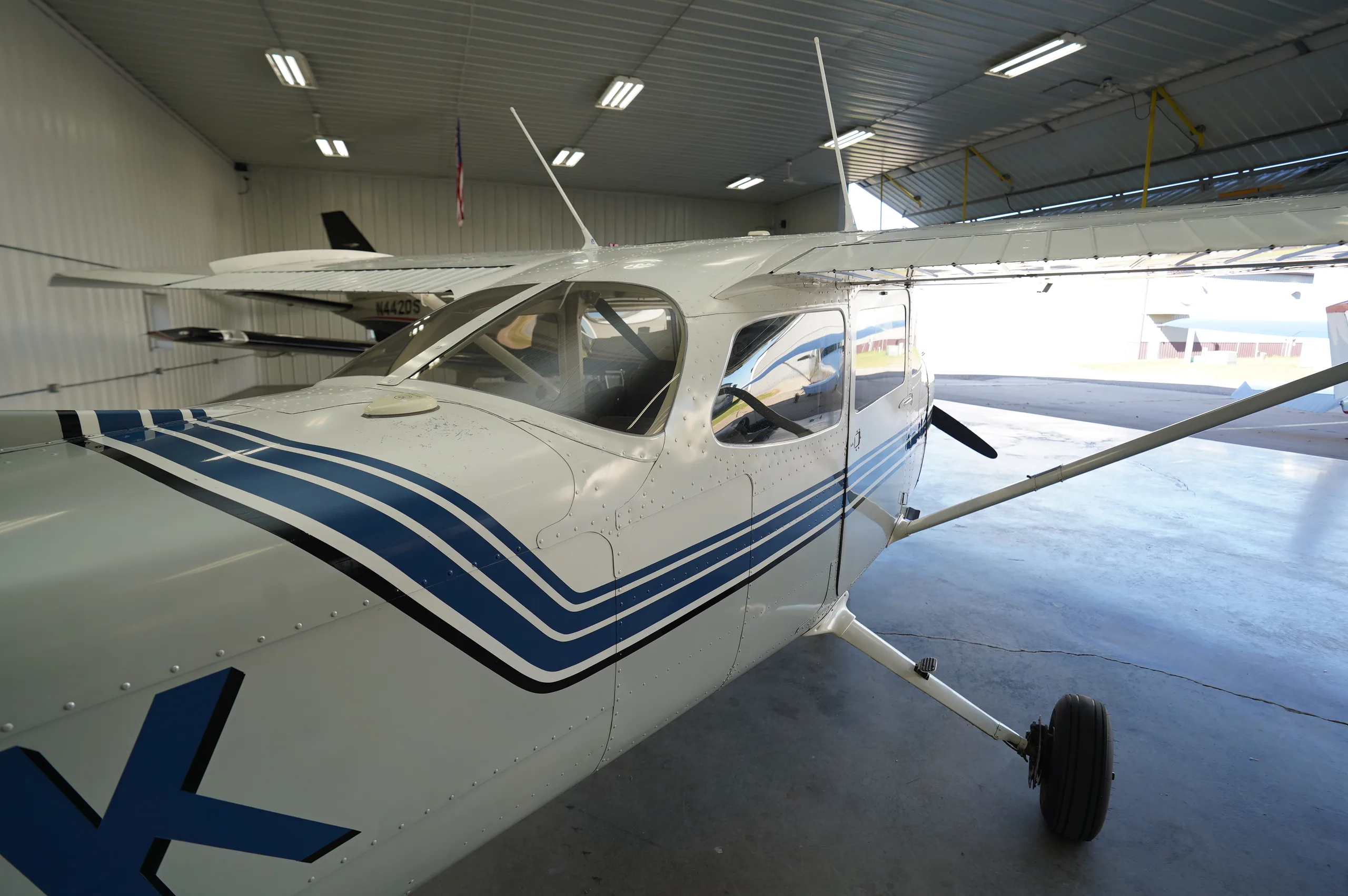
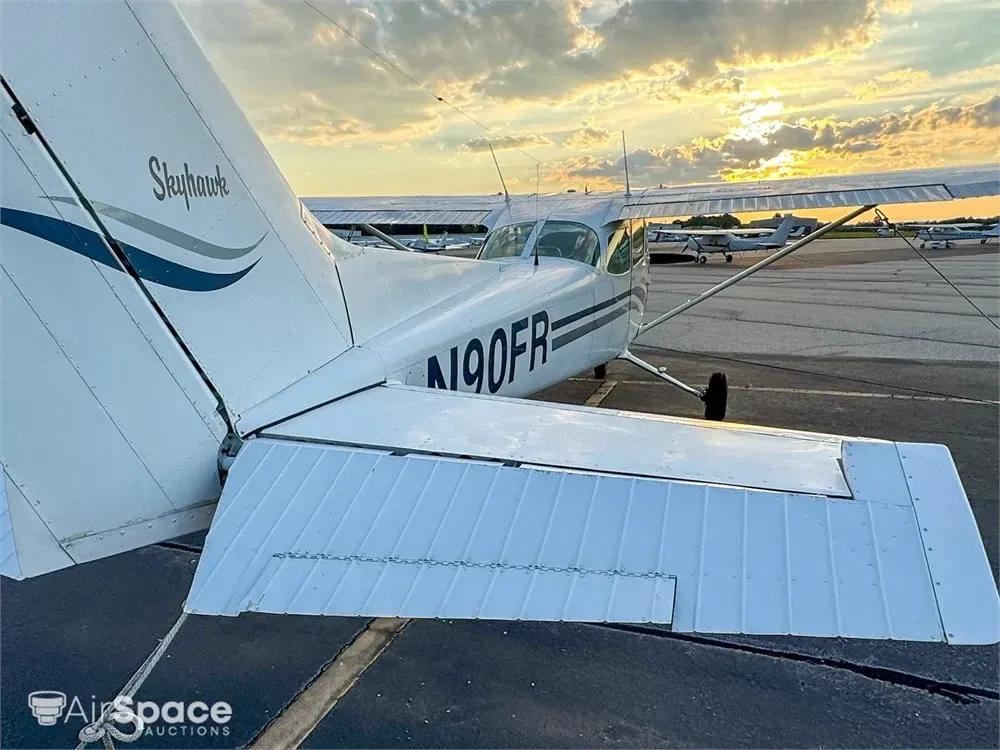
CESSNA R172K HAWK XP for sale now
Free — save the 172 to your watchlist and track it in one place.
More CESSNA R172K HAWK XPmanuals & documents
Related documents
- Weight & BalanceCESSNA R172K HAWK XP · Weight & Balance
- CESSNA 172N SKYHAWK Model GuideCESSNA 172N SKYHAWK · Model Guide
- CESSNA 172P SKYHAWK Model GuideCESSNA 172P SKYHAWK · Model Guide
- CESSNA 172S SKYHAWK SP Model GuideCESSNA 172S SKYHAWK SP · Model Guide
- PILOT'S OPERATING HANDBOOK - Hawk XPCessna R172 Hawk XP · Pilot's Operating Handbook
If you fly the CESSNA R172K HAWK XP, you may also be researching these.


In this document
Performance
Handbook figures: 870 fpm rate of climb at sea level and a 17,000 ft service ceiling. Takeoff ground roll is 800 ft; landing ground roll is 620 ft (1977 book). Stall speed is 53 knots flaps up and 46 knots flaps down, power off (CAS). Range at 80% power with 49 gallons usable is 440 nm (1980 book) or 480 nm (1977 book). Maximum range at 10,000 ft is 575 nm on 49 gallons and 815 nm on 66 gallons (1980 book).
Weight, fuel and loading
Standard empty weight for the Hawk XP is 1538 lbs in the 1980 book and 1549 lbs in the 1977 book. Max ramp weight is 2558 lbs. Baggage area 1 takes 200 lbs and area 2 takes 50 lbs, with 200 lbs combined maximum. The CG aft limit is 47.3 inches aft of datum at all weights. Approved fuel is 100LL or 100 grade.
What to check when buying
Confirm the handbook matches the airplane's serial number and has current revisions; the 1980 book names a specific serial number and registration. Confirm which tank set is fitted (standard or long range), the engine model (IO-360-K or IO-360-KB per book), and the actual empty weight and useful load from the weight and balance records.
Summary written by AI from the source document. Check the original before relying on it. See which parts of Sprinkle are written by AI.
Safety notes
- Flight into known icing conditions is prohibited.
- In the Utility category (2200 lbs max takeoff) the baggage compartment and rear seat must not be occupied.
- In the Normal category, aerobatic maneuvers including spins are not approved.
Summary written by AI from the source document. Check the original before relying on it. See which parts of Sprinkle are written by AI.
Full document text
CESSNA R172K HAWK XP Model Guide The CESSNA R172K HAWK XP is a single-engine piston Cessna with a fuel-injected Teledyne Continental six-cylinder engine rated 195 BHP at 2600 RPM. It has a constant-speed McCauley two-blade propeller. The handbooks reviewed cover a 1977 and a 1980 airplane. Maximum takeoff weight is 2550 lbs in the Normal category. • 195 BHP fuel-injected engine; handbook gives 133 knots maximum at sea level and 130 knots cruise at 80% power at 6000 ft. • Standard tanks hold 49 gallons usable (52 total); long range tanks hold 66 usable (68 total). • Maximum takeoff weight is 2550 lbs Normal category, 2200 lbs Utility; baggage is limited to 200 lbs combined. • The 1977 and 1980 handbooks differ on empty weight, useful load and some range figures, so check the book for the airplane you are buying. Performance Handbook figures: 870 fpm rate of climb at sea level and a 17,000 ft service ceiling. Takeoff ground roll is 800 ft; landing ground roll is 620 ft (1977 book). Stall speed is 53 knots flaps up and 46 knots flaps down, power off (CAS). Range at 80% power with 49 gallons usable is 440 nm (1980 book) or 480 nm (1977 book). Maximum range at 10,000 ft is 575 nm on 49 gallons and 815 nm on 66 gallons (1980 book). Weight, fuel and loading Standard empty weight for the Hawk XP is 1538 lbs in the 1980 book and 1549 lbs in the 1977 book. Max ramp weight is 2558 lbs. Baggage area 1 takes 200 lbs and area 2 takes 50 lbs, with 200 lbs combined maximum. The CG aft limit is 47.3 inches aft of datum at all weights. Approved fuel is 100LL or 100 grade. What to check when buying Confirm the handbook matches the airplane's serial number and has current revisions; the 1980 book names a specific serial number and registration. Confirm which tank set is fitted (standard or long range), the engine model (IO-360-K or IO-360-KB per book), and the actual empty weight and useful load from the weight and balance records. Safety notes: • Flight into known icing conditions is prohibited. • In the Utility category (2200 lbs max takeoff) the baggage compartment and rear seat must not be occupied. • In the Normal category, aerobatic maneuvers including spins are not approved.