CESSNA 172N SKYHAWK Model Guide
CESSNA 172N SKYHAWK · Model Guide
Overview
The CESSNA 172N SKYHAWK is a single-engine piston airplane with a 160 hp Avco Lycoming O-320-H2AD and a fixed-pitch 75 inch propeller. The handbook lists 125 knots maximum and 122 knots cruise at 75% power at 8000 ft. Range is 485 NM on 40 gallons usable fuel. Use the weight and balance records for the individual airplane you are buying.
- Handbook cruise is 122 knots at 75% power at 8000 ft. Range is 485 NM on 40 gallons usable, with 45 minute reserve.
- Max takeoff weight is 2300 lbs and baggage allowance is 120 lbs. Standard tanks hold 43 gallons; long range tanks hold 54.
- Takeoff ground roll is 805 ft and 1440 ft over a 50 ft obstacle. Landing ground roll is 520 ft and 1250 ft over 50 ft.
- Some airplanes carry an STC with a 180 hp engine and 2550 lb gross weight. Confirm the paperwork and the performance data for that airplane.
Summary written by AI from the source document. Check the original before relying on it. See which parts of Sprinkle are written by AI.
Reference only, not for flight. Use the current approved manual for your aircraft. See terms, section 5.
Document
Source
Copy found at sprinkle.com. Sprinkle hosts a reference copy with an added summary, specifications and searchable full text.
Document details
- Type ·
- Model Guide
- Year ·
- 2026
- File size ·
- 50 KB
- Copy found at ·
- sprinkle.com
Specifications & performance
Extracted from this document.
Specifications
- Engine (hp) ·
- 160
- Length (ft) ·
- 27
- Wingspan (ft) ·
- 36
- Empty weight (lb) ·
- 1,397
- Fuel capacity (gal) ·
- 43
- Max ramp weight (lb) ·
- 2,307
- Baggage allowance (lb) ·
- 120
- Max takeoff weight (lb) ·
- 2,300
Performance
- Range (nm) ·
- 485
- Max speed (kt) ·
- 125
- Cruise speed (kt) ·
- 122
- Rate of climb (fpm) ·
- 770
- Service ceiling (ft) ·
- 14,200
- Landing distance (ft) ·
- 520
- Takeoff distance (ft) ·
- 805
- Takeoff over 50ft (ft) ·
- 1,440
V-speeds
- VA_KTS ·
- 104
- VR_KTS ·
- 55
- VX_KTS ·
- 62
- VY_KTS ·
- 73
- VFE_KTS ·
- 85
- VNE_KTS ·
- 160
- VNO_KTS ·
- 128
- BEST_GLIDE_SPEED_KTS ·
- 65
Weight & balance
- Max ramp weight (lb) ·
- 2,307
- Baggage allowance (lb) ·
- 120
- Basic empty weight (lb) ·
- 1,397
- Max landing weight (lb) ·
- 2,300
- Max takeoff weight (lb) ·
- 2,300
What engine does the CESSNA 172N SKYHAWK have?
The CESSNA 172N SKYHAWK has a 160 hp Avco Lycoming O-320-H2AD at 2700 RPM with a fixed-pitch 75 inch propeller. Some airplanes were modified under STC to a 180 hp O-360.
How far can the CESSNA 172N SKYHAWK fly?
The CESSNA 172N SKYHAWK handbook lists 485 NM at 75% power at 8000 ft on 40 gallons usable fuel. With 50 gallons usable it lists 630 NM. Both include a 45 minute reserve.
How much fuel does the CESSNA 172N SKYHAWK hold?
The CESSNA 172N SKYHAWK holds 43 gallons total in standard tanks. Long range tanks hold 54 gallons.
What is the CESSNA 172N SKYHAWK Model Guide?
The CESSNA 172N SKYHAWK Model Guide is a model guide for the CESSNA 172N SKYHAWK, dated 2026.
What year was the CESSNA 172N SKYHAWK Model Guide published?
The CESSNA 172N SKYHAWK Model Guide — the CESSNA 172N SKYHAWK model guide on file — is dated 2026.
Common. One of the most common aircraft types we track.
Most owners only have the POH. Here's the essential set for the CESSNA 172N SKYHAWK.
- Pilot's Operating Handbook / AFM
- Checklist
- Maintenance Manual
- Parts Catalog (IPC)
- Systems & Wiring
- Service Bulletins on file
- Type Certificate (TCDS)
CESSNA 172N SKYHAWK for sale now
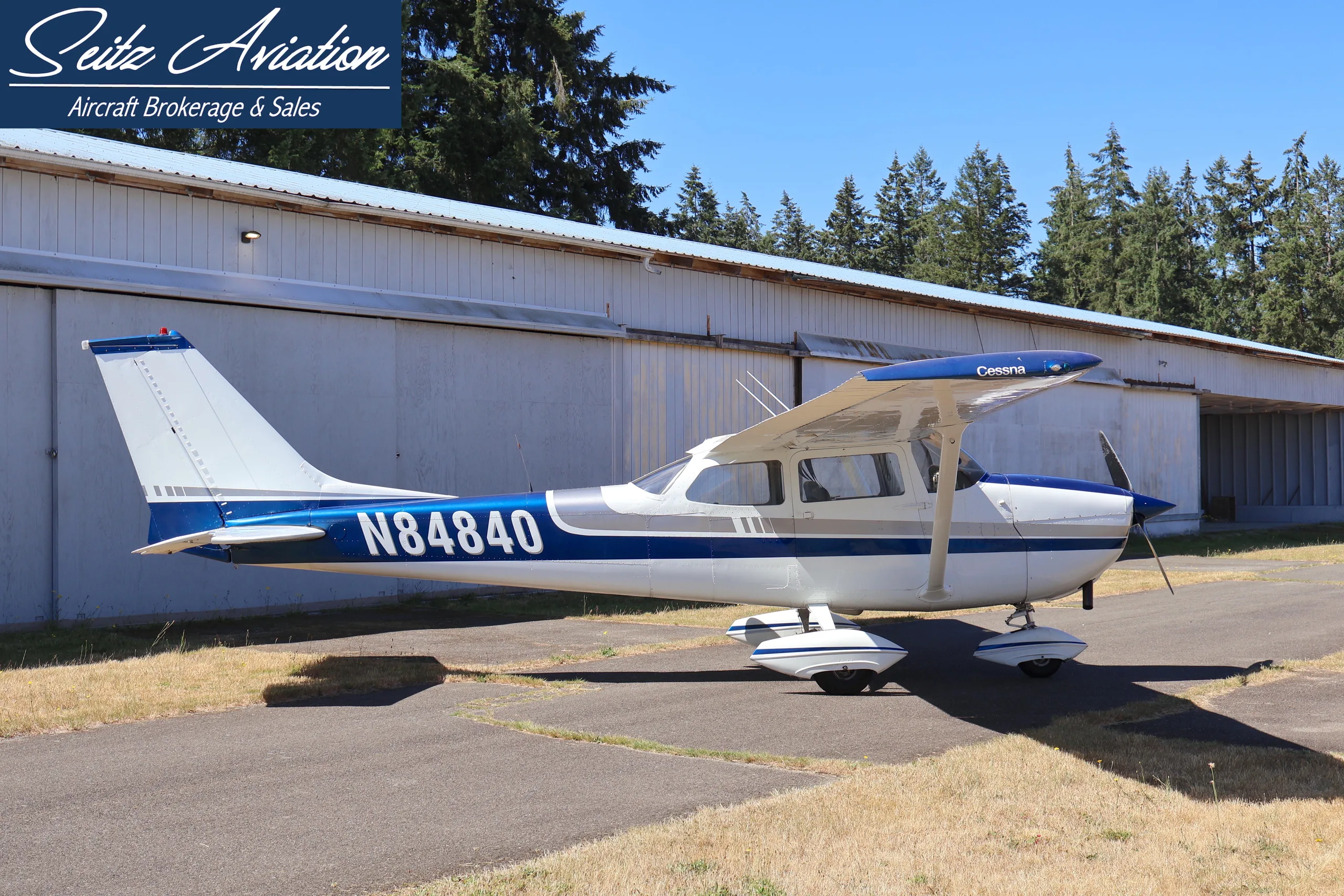
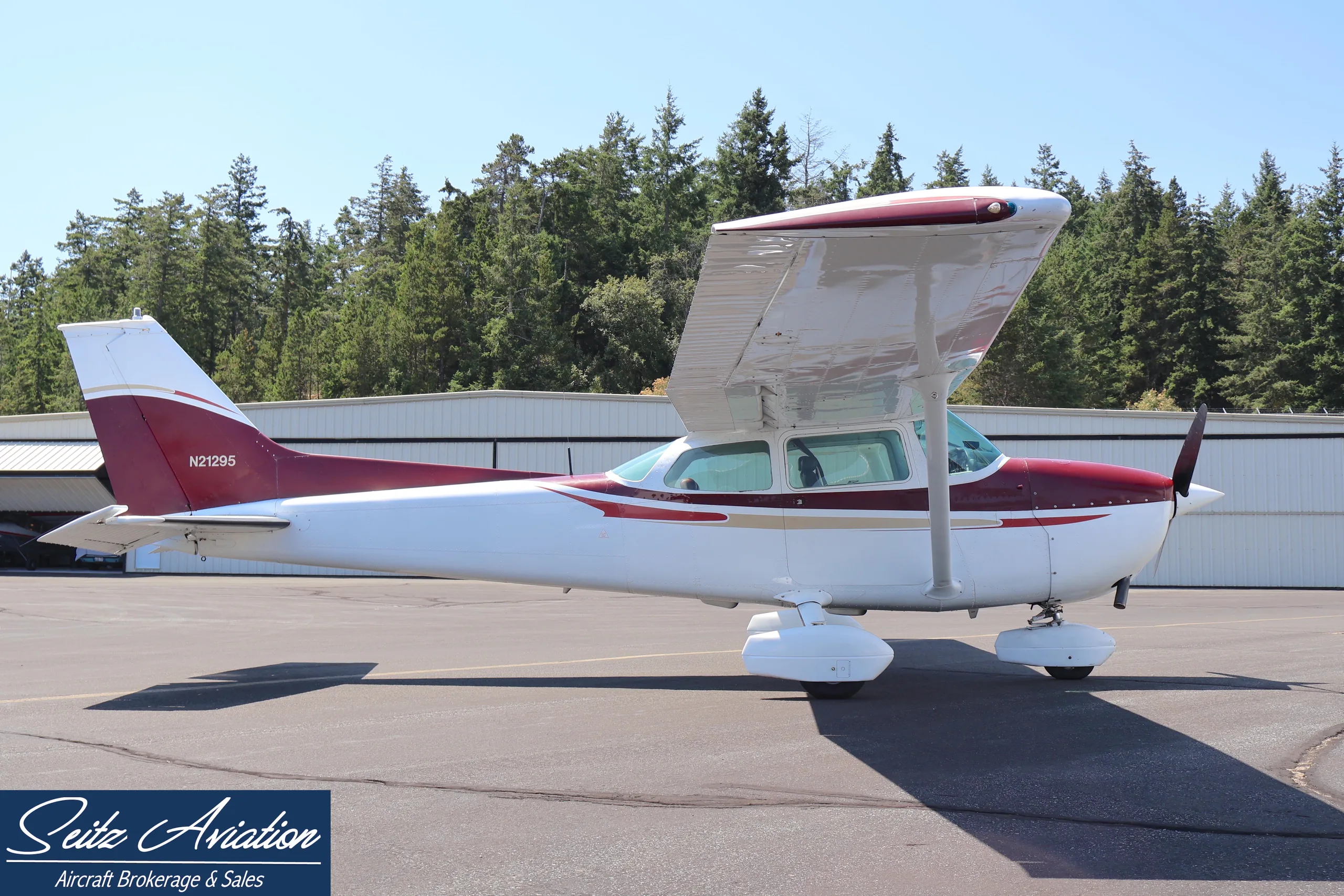
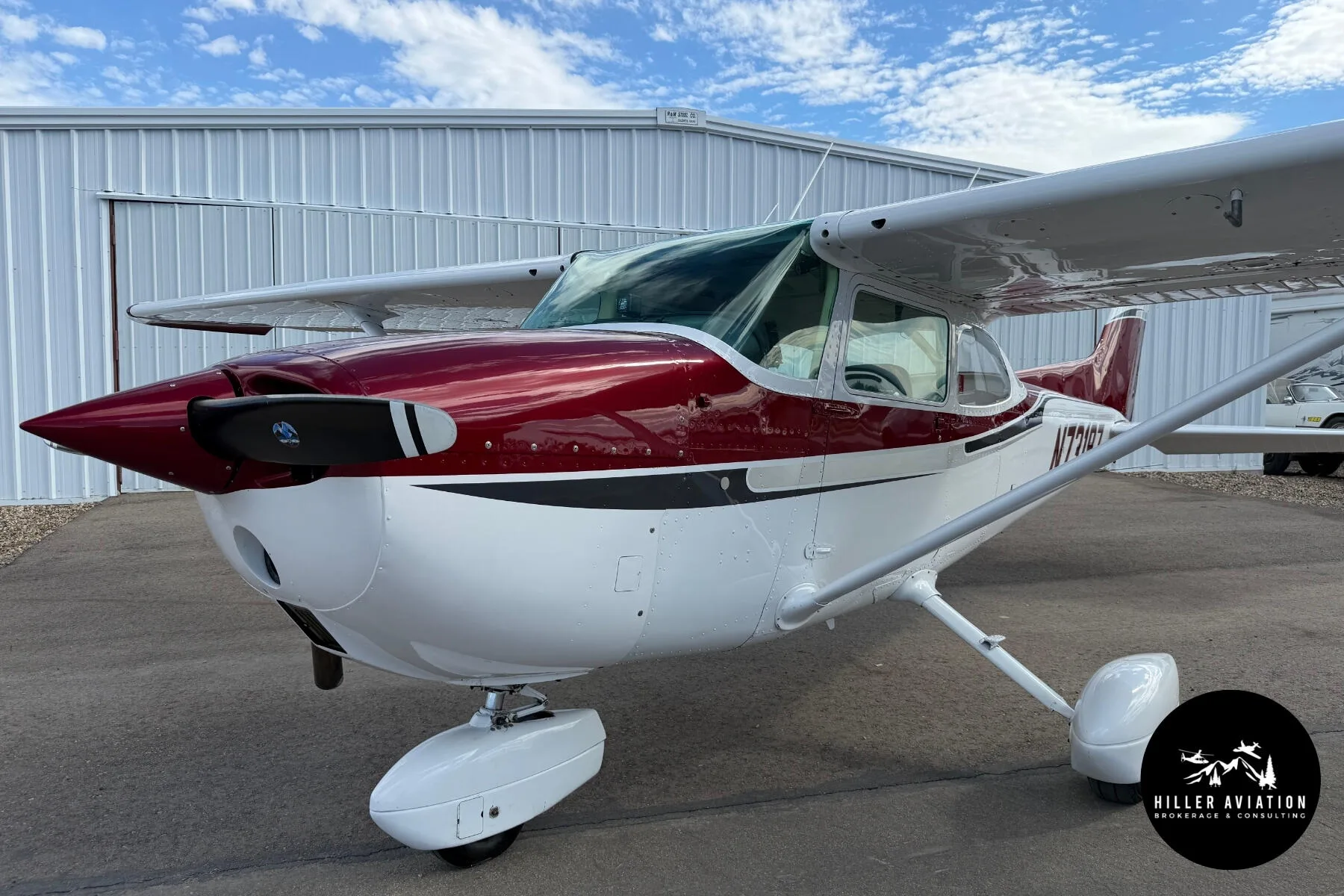
Free — save the 172 to your watchlist and track it in one place.
More CESSNA 172N SKYHAWKmanuals & documents
See all 22 →- Cessna 172N N8050E Weight and BalanceWeight & Balance
- Cessna C-172N ChecklistChecklist
- STANDARDIZATION MANUAL and AMPLIFIED PROCEDURESTraining Manual
- Cessna 172N Skyhawk Standardization ManualAvionics Manual
- C172N PREFLIGHT GUIDEChecklist
- Cessna 172P Skyhawk Standardization ManualNormal Procedures
- Cessna 172N Skyhawk Standardization ManualFlight Manual
- Supplemental Airplane Flight ManualFlight Manual
- CESSNA SKYHAWK (C-172 N/P) NORMAL CHECKLISTChecklist
- Cessna 172N Pilot's Operating HandbookPilot's Operating Handbook
- PILOT'S OPERATING HANDBOOK ~ Cessna 1978 Skyhawk CESSNA MODEL 172NPilot's Operating Handbook
- Pilot's Operating HandbookV Speeds Reference
Related documents
- CESSNA 172P SKYHAWK Model GuideCESSNA 172P SKYHAWK · Model Guide
- CESSNA 172M SKYHAWK Model GuideCESSNA 172M SKYHAWK · Model Guide
- CESSNA 172L SKYHAWK Model GuideCESSNA 172L SKYHAWK · Model Guide
- CESSNA 172E SKYHAWK Model GuideCESSNA 172E SKYHAWK · Model Guide
- CESSNA 172R SKYHAWK Model GuideCESSNA 172R SKYHAWK · Model Guide
If you fly the CESSNA 172N SKYHAWK, you may also be researching these.


In this document
What it carries and how it performs
Max takeoff and landing weight is 2300 lbs, with a max ramp weight of 2307 lbs. Rate of climb at sea level is 770 fpm and service ceiling is 14,200 ft. Stall speed is 50 knots flaps up and 44 knots flaps down, power off. Oil capacity is 6 qts.
Weight varies by airplane
Standard empty weight varies by handbook year: 1379 lbs (1977 POH), 1397 lbs (1979 POH) and 1403 lbs (1980 POH). Skyhawk II versions are heavier. Only the weight and balance records carried in the airplane give its true empty weight, arm and equipment. The pilot is responsible for loading it properly.
What to check before buying
Look for the 180 hp O-360 engine and 2550 lb gross weight STC (SA4428SW and SA2196CE). Its checklist notes that the POH Section 5 performance may be inaccurate for that engine. Check the handbook revision status, and do the magneto check at 1700 RPM: max drop 150 RPM, max difference 50 RPM.
Safety notes
- Maximum demonstrated crosswind for takeoff or landing is 15 knots.
- Range and endurance can vary by 10% or more with leaning technique, fuel metering, engine and propeller condition, and turbulence. Plan fuel conservatively.
- Treat the propeller as live whenever the master switch is on, external power is used, or the prop is pulled through by hand.
Full document text
CESSNA 172N SKYHAWK Model Guide The CESSNA 172N SKYHAWK is a single-engine piston airplane with a 160 hp Avco Lycoming O-320-H2AD and a fixed-pitch 75 inch propeller. The handbook lists 125 knots maximum and 122 knots cruise at 75% power at 8000 ft. Range is 485 NM on 40 gallons usable fuel. Use the weight and balance records for the individual airplane you are buying. • Handbook cruise is 122 knots at 75% power at 8000 ft. Range is 485 NM on 40 gallons usable, with 45 minute reserve. • Max takeoff weight is 2300 lbs and baggage allowance is 120 lbs. Standard tanks hold 43 gallons; long range tanks hold 54. • Takeoff ground roll is 805 ft and 1440 ft over a 50 ft obstacle. Landing ground roll is 520 ft and 1250 ft over 50 ft. • Some airplanes carry an STC with a 180 hp engine and 2550 lb gross weight. Confirm the paperwork and the performance data for that airplane. What it carries and how it performs Max takeoff and landing weight is 2300 lbs, with a max ramp weight of 2307 lbs. Rate of climb at sea level is 770 fpm and service ceiling is 14,200 ft. Stall speed is 50 knots flaps up and 44 knots flaps down, power off. Oil capacity is 6 qts. Weight varies by airplane Standard empty weight varies by handbook year: 1379 lbs (1977 POH), 1397 lbs (1979 POH) and 1403 lbs (1980 POH). Skyhawk II versions are heavier. Only the weight and balance records carried in the airplane give its true empty weight, arm and equipment. The pilot is responsible for loading it properly. What to check before buying Look for the 180 hp O-360 engine and 2550 lb gross weight STC (SA4428SW and SA2196CE). Its checklist notes that the POH Section 5 performance may be inaccurate for that engine. Check the handbook revision status, and do the magneto check at 1700 RPM: max drop 150 RPM, max difference 50 RPM. Safety notes: • Maximum demonstrated crosswind for takeoff or landing is 15 knots. • Range and endurance can vary by 10% or more with leaning technique, fuel metering, engine and propeller condition, and turbulence. Plan fuel conservatively. • Treat the propeller as live whenever the master switch is on, external power is used, or the prop is pulled through by hand.