Rules and Regulations - GovInfo
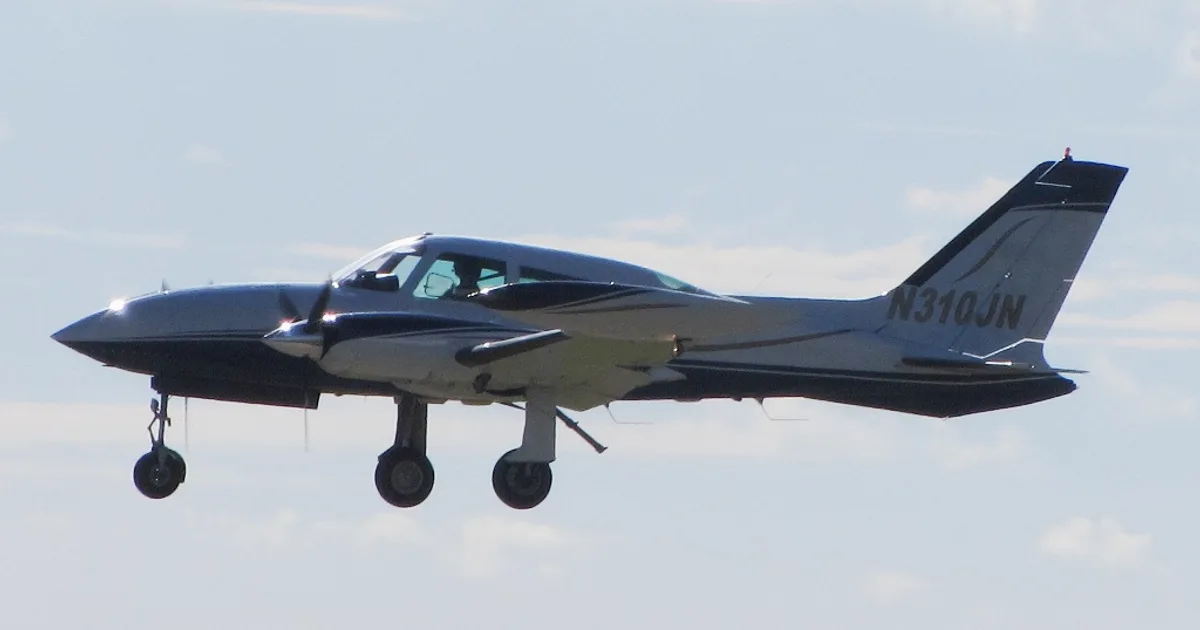
CESSNA 310F · Ad
Overview
This document is an Airworthiness Directive (AD) issued by the Federal Aviation Administration (FAA) that applies to specific models of Mooney Aircraft, including the M20J. The directive mandates inspections and potential modifications to ensure the safety and airworthiness of these aircraft. The AD is a response to identified safety concerns regarding the main landing gear leg brackets, which may develop cracks over time due to manufacturing processes. The document outlines the necessary actions to be taken by aircraft owners and operators to mitigate risks associated with these components. Compliance with the AD is required to maintain operational safety and prevent incidents during flight operations.
- The AD applies to Mooney Models M20J, M20K, M20M, and M20R.
- Owners must inspect and potentially replace main landing gear leg brackets due to cracking.
- Compliance is required by November 26, 1998, for continued safe operation.
- Estimated compliance cost is $480 per airplane, excluding replacement costs.
- Failure to comply could result in main landing gear collapse and loss of control.
Document
Source
Originally published by www.govinfo.gov. Sprinkle hosts a reference copy with an added summary, specifications and searchable full text.
Document details
- Type
- Ad
- Year
- 1998
- Pages
- 4
- File size
- 127 KB
- Publisher
- www.govinfo.gov
Common. Rarer than 2% of the aircraft models we track.
Most owners only have the POH. Here's the essential set for the CESSNA 310F.
CESSNA 310F for sale now

Free — save the 310F to your watchlist and track it in one place.
More CESSNA 310Fmanuals & documents
See all 45 →- CLEVELAND WHEELS & BRAKESParts Catalog
- Know When to Feather Your PropellerPilot's Operating Handbook
- EL-92 / 1 October 2023 Page 1 of 21 ELIGIBILITY LIST RevisionParts Catalog
- FAA Approved Model List For ADS-B Out Airworthiness Approval Peregrine STC NO. SA00756DEType Certificate
- Aircraft Aeroplanes General – Small (Up to 5700 kg MCTOW)Service Bulletins
- AC 21-34 v1.1 - Aircraft flight manuals - Civil Aviation Safety AuthorityAircraft Flight Manual
- 4910-13-P - Federal RegisterAirworthiness Directives
- TO 1-1-3 TECHNICAL MANUAL INSPECTION AND REPAIR OF AIRCRAFT INTEGRAL TANKS AND FUEL CELLSOther Documents
- OIL - TRANSMITTAL OF CONTINENTAL AEROSPACE TECHNOLOGIES CSB07-1A CONNECTING ROD PISTON PIN BUSHING INSPECTIONParts Catalog
- Goodrich® De-Icers Textron Aviation Replacement Part List Pneumatic de-ice boots Care products Prop-de-icers and hardware (RPL) Catalog 2021Parts Catalog
- FEDERAL AVIATION ADMINISTRATION (FAA) APPROVED MODEL LIST (AML) SA02511SE FOR CIES INC. CC284022 SERIES TSO C55a FUEL QUANTITY SENDERSSupplemental Type Certificate
- Canada (TCCA) Validation of the CGR-30C STCType Certificate
If you fly the CESSNA 310F, you may also be researching these.



In this document
Applicability
The AD applies to Mooney Models M20J, M20K, M20M, and M20R airplanes. It addresses specific safety concerns related to the main landing gear leg brackets.
Required Actions
Aircraft owners must grind the surface of the main landing gear leg bracket, inspect for cracks, and replace any cracked brackets. This is crucial to prevent potential failure of the main landing gear.
Compliance Timeline
The AD becomes effective on November 26, 1998. Aircraft owners are required to complete the necessary inspections and modifications prior to further flight after this date.
Cost Impact
The FAA estimates that approximately 11 airplanes in the U.S. registry will be affected by this AD. The estimated cost for compliance is around $480 per airplane, not including any potential replacement costs for cracked brackets.
Safety Implications
The actions specified in this AD are intended to prevent main landing gear collapse, which could result in loss of control during taxi, takeoff, or landing operations.
Safety notes
- Inspect main landing gear leg brackets for cracks to prevent failure during flight.
- Replace any cracked brackets immediately to ensure safety.
Full document text
This section of the FEDERAL REGISTER contains regulatory documents having general applicability and legal effect, most of which are keyed to and codified in the Code of Federal Regulations, which is published under 50 titles pursuant to 44 U.S.C. 1510. The Code of Federal Regulations is sold by the Superintendent of Documents. Prices of new books are listed in the first FEDERAL REGISTER issue of each week. Rules and Regulations Federal Register 55321 Vol. 63, No. 199 Thursday, October 15, 1998 DEPARTMENT OF AGRICULTURE Grain Inspection, Packers and Stockyard Administration 7 CFR Part 800 General Regulations CFR Correction In Title 7 of the Code of Federal Regulations, parts 700 to 899, revised as of Jan. 1, 1998, page 456, § 800.0 paragraph (b)(59) is corrected to read as follows: § 800.0 Meaning of terms. * * * * * (b) * * * (59) Official agency. Any State or local government agency, or any person, designated by the Administrator pursuant to subsection (f) of section 7 of the Act for the conduct of official inspection (other than appeal inspection), or subsection (c) of section 7A of the Act for the conduct of Class X or Class Y weighing (other than review of weighing). * * * * * BILLING CODE 1505–01–D DEPARTMENT OF TRANSPORTATION Federal Aviation Administration 14 CFR Part 39 [Docket No. 98–CE–88–AD; Amendment 39– 10844; AD 98–21–21] RIN 2120–AA64 Airworthiness Directives; Bob Fields Aerocessories Inflatable Door Seals AGENCY: Federal Aviation Administration, DOT. ACTION: Final rule; request for comments. SUMMARY: This document publishes in the Federal Register an amendment adopting Airworthiness Directive (AD) 98–21–21, which was sent previously to all known U.S. owners and operators of aircraft equipped with Bob Fields Aerocessories inflatable door seals installed in accordance with the applicable supplemental type certificate (STC). These inflatable door seals could also be installed on aircraft through field approval.This AD requires either de-activating the electric door seal inflation system; fabricating and installing a placard specifying that the system is inoperative; and inserting a copy of the AD into the Limitations Section of the airplane flight manual (AFM); or removing all provisions of the Bob Fields Aerocessories inflatable door seals installation, and installing original equipment manufacturer door seals or an FAA-approved equivalent that is of different design than the referenced Bob Fields Aerocessories inflatable door seals. The AD resulted from occurrences of overheated components associated with the electric door seal inflation system on aircraft equipped with the affected inflatable door seals. The actions specified by this AD are intended to prevent smoke and a possible fire in the cockpit caused by overheating of the electric door seal inflation systems, which could result in passenger injury. DATES: Effective October 30, 1998, to all persons except those to whom it was made immediately effective by priority letter AD 98–21–21, issued October 2, 1998, which contained the requirements of this amendment. Comments for inclusion in the Rules Docket must be received on or before December 13, 1998. ADDRESSES : Submit comments in triplicate to the Federal Aviation Administration (FAA), Central Region, Office of the Regional Counsel, Attention: Rules Docket 98–CE–88–AD, Room 1558, 601 E. 12th Street, Kansas City, Missouri 64106. Information related to this AD may be examined at the FAA at the address referenced above. FOR FURTHER INFORMATION CONTACT: Mr. Paul S. Wells, Jr., Aerospace Engineer, FAA, Los Angeles Aircraft Certification Office, 3960 Paramount Boulevard, Lakewood, California 90712; telephone: (562) 627–5354; facsimile: (562) 627– 5210. SUPPLEMENTARY INFORMATION: Discussion On October 2, 1998, the FAA issued priority letter AD 98–21–21, which applies to aircraft equipped with Bob Fields Aerocessories inflatable door seals installed in accordance with either the applicable supplemental type certificate (STC) or through field approval. This AD requires either: —de-activating the electric door seal inflation system; fabricating and installing a placard specifying that the system is inoperative; and inserting a copy of the AD into the Limitations Section of the airplane flight manual (AFM); or —removing all provisions of the Bob Fields Aerocessories inflatable door seals installation, and installing original equipment manufacturer door seals or an FAA-approved equivalent that is of different design than the referenced Bob Fields Aerocessories inflatable door seals. That AD resulted from numerous reported occurrences of overheated components associated with the electric door seal inflation system on aircraft equipped with Bob Fields Aerocessories inflatable door seals installed in accordance with the applicable supplemental type certificate (STC). One of the above-referenced occurrences resulted in a safety recommendation from the National Transportation Safety Board (NTSB). In this incident, an in-flight electrical fire caused the pilot of a Cessna Model P210N to initiate an emergency descent with a successful landing and only minor airplane damage. NTSB investigation revealed that the fire originated on the cabin sidewall, under the left side of the instrument panel and resulted in burned vinyl, plastic, and insulation material. An overheated resistor used in an electric door seal inflation system caused the fire. The resistor was used to reduce the 28-volt aircraft electrical system’s voltage to meet the power requirements of the door seal system’s 14-volt air pump motor. The inflatable door seals on this airplane were installed in accordance with STC SA4212WE, which the FAA issued to Bob Fields Aerocessories. The purpose of the seals is to decrease in- flight cabin noise caused by ill-fitting cabin doors. The FAA has issued 55322 Federal Register / Vol. 63, No. 199 / Thursday, October 15, 1998 / Rules and Regulations
Show full textShow less
numerous other STC’s that allow this installation on other make and model airplanes. In addition, these Bob Fields Aerocessories inflatable door seals could be installed on aircraft through field approvals. All of the aircraft involved in the occurrences incorporate Bob Fields Aerocessories inflatable door seals. Investigation results of three other occurrences reveal the following: —An electric door seal inflation pump that was mounted on the forward side of the nose bulkhead was found heavily charred; —The pump assembly and resistors of the electric door seal inflation system were partially melted; and —Vinyl, plastic, and insulation material in the proximity of the electric door seal inflation system were found burned. Further analysis of all of these occurrences revealed leaks in the Bob Fields Aerocessories inflatable door seals. Each electric door seal inflation system consists of an electric motor, an air pump, inflatable silicon door seals, a pressure sensing switch, an air supply control valve, a resistor assembly, a 7.5- amp in-line fuse, a caution light, and electrical wiring. The motor draws power directly from the airplane’s battery bus and is used to inflate the door seals to a pressure of about 10 pounds per square inch (psi). A sensor in the air pump determines when the pressure drops below 10 psi, at which time the air pump motor starts back up again until obtaining proper pressure. The standard time period for the air pump to inflate the door seal is about 4 to 12 seconds. During this time, the caution light remains illuminated. If the door seal has a small leak, the pump turns on and off to maintain the desired inflation pressure. When this small leak develops to a larger leak, the air pump may run continuously to keep the door seal inflated. This could cause the resistors or the air pump motor to overheat. This would cause smoke and a possible fire in the cockpit. The FAA’s Determination and Explanation of the AD Since an unsafe condition has been identified that is likely to exist or develop in other aircraft equipped with Bob Fields Aerocessories inflatable door seals installed in accordance with either the applicable supplemental type certificate (STC) or through field approval, the FAA issued priority letter AD 98–21–21 to prevent smoke and a possible fire in the cockpit caused by overheating of the electric door seal inflation systems, which could result in passenger injury. Determination of the Effective Date of the AD Since it was found that immediate corrective action was required, notice and opportunity for prior public comment thereon were impracticable and contrary to the public interest, and good cause existed to make the AD effective immediately by individual letters issued on October 2, 1998, to all known U.S. operators of aircraft equipped with the affected inflatable door seals that were installed in accordance with the applicable STC. These conditions still exist, and the AD is hereby published in the Federal Register as an amendment to section 39.13 of the Federal Aviation Regulations (14 CFR 39.13) to make it effective as to all persons. Comments Invited Although this action is in the form of a final rule that involves requirements affecting immediate flight safety and, thus, was not preceded by notice and opportunity to comment, comments are invited on this rule. Interested persons are invited to comment on this rule by submitting such written data, views, or arguments as they may desire. Communications should identify the Rules Docket number and be submitted in triplicate to the address specified above. All communications received on or before the closing date for comments will be considered, and this rule may be amended in light of the comments received. Factual information that supports the commenter’s ideas and suggestions is extremely helpful in evaluating the effectiveness of the AD action and determining whether additional rulemaking action would be needed. Comments are specifically invited on the overall regulatory, economic, environmental, and energy aspects of the rule that might suggest a need to modify the rule. All comments submitted will be available, both before and after the closing date for comments, in the Rules Docket for examination by interested persons. A report that summarizes each FAA-public contact concerned with the substance of this AD will be filed in the Rules Docket. Commenters wishing the FAA to acknowledge receipt of their comments submitted in response to this rule must submit a self-addressed, stamped postcard on which the following statement is made: ‘‘Comments to Docket No. 98–CE–88–AD.’’ The postcard will be date stamped and returned to the commenter. Regulatory Impact The regulations adopted herein will not have substantial direct effects on the States, on the relationship between the national government and the States, or on the distribution of power and responsibilities among the various levels of government. Therefore, in accordance with Executive Order 12612, it is determined that this final rule does not have sufficient federalism implications to warrant the preparation of a Federalism Assessment. The FAA has determined that this regulation is an emergency regulation that must be issued immediately to correct an unsafe condition in aircraft, and is not a ‘‘significant regulatory action’’ under Executive Order 12866. It has been determined further that this action involves an emergency regulation under DOT Regulatory Policies and Procedures (44 FR 11034, February 26, 1979). If it is determined that this emergency regulation otherwise would be significant under DOT Regulatory Policies and Procedures, a final regulatory evaluation will be prepared and placed in the Rules Docket. A copy of it, if filed, may be obtained from the Rules Docket at the location provided under the caption ADDRESSES. List of Subjects in 14 CFR Part 39 Air transportation, Aircraft, Aviation safety, Safety. Adoption of the Amendment Accordingly, pursuant to the authority delegated to me by the Administrator, the Federal Aviation Administration amends part 39 of the Federal Aviation Regulations (14 CFR part 39) as follows: PART 39—AIRWORTHINESS DIRECTIVES 1. The authority citation for part 39 continues to read as follows: Authority: 49 USC 106(g), 40113, 44701. § 39.13 [Amended] 2. Section 39.13 is amended by adding a new airworthiness directive (AD) to read as follows: 98–21–21 Bob Fields Aerocessories: Amendment 39–10844; Docket No. 98– CE–88–AD. Applicability: Inflatable door seals, installed either in accordance with the applicable supplemental type certificate (STC) or through field approval, that are installed on, but not limited to, the following aircraft: 55323 Federal Register / Vol. 63, No. 199 / Thursday, October 15, 1998 / Rules and Regulations Affected STC Make and model aircraft affected SA3735NM ........................... Cessna Models 170, 170A, and 170B Airplanes. SA4136WE ........................... Cessna Models 310, 310A, 310B, 310C, 310D, 310E, 310F, 310G, 310H, 310I, 310J, 310K, 310L, 310N, 310P, 310Q, 310R, T310P, T310Q, and T310R Airplanes. SA2226NM ........................... Cessna Models P210N and P210R Airplanes. SA3736NM ........................... Cessna Models 185, 185A, 185B, 185C, 185D, A185E, and A185F Airplanes. SA4177WE ........................... Cessna Models 175, 175A, 175B, and 175C Airplanes. SA4212WE ........................... Cessna Models 210, 210A, 210B, 210C, 210D, 210E, 210F, 210G, 210H, 210J, 210K, 210L, 210M, 210N, T210F, T210G, T210H, T210J, T210K, T210L, T210M, T210N, 210–5 (205), and 210–5A (205A) Airplanes. SA4213WE ........................... Cessna Models 310, 310A, 310B, 310C, 310D, 310F, 310G, 310H, 310I, 310J, 310K, 310L, 310N, 310P, 310Q, 310R, T310P, T310Q, and T310R Airplanes. SA4283WE ........................... Cessna Models 172, 172A, 172B, 172C, 172D, 172E, 172F, 172G, 172H, 172I, 172K, 172L, 172M, and 172N Airplanes. SA4284WE ........................... Cessna Models 180, 180A, 180B, 180C, 180D, 180E, 180F, 180G, 180H, 180J, and 180K Airplanes. SA4285WE ........................... Cessna Models 182, 182A, 182B, 182C, 182D, 182E, 182F, 182G, 182H, 182J, 182K, 182L, 182M, 182N, 182P, 182Q, R182, and TR182 Airplanes. SA4286WE ........................... Cessna Models 206, P206, P206A, P206B, P206C, P206D, P206E, TP206A, TP206B, TP206C, TP206D, TP206E, U206, U206A, U206B, U206C, U206D, U206E, U206F, U206G, TU206A, TU206B, TU206C, TU206D, TU206E, TU206F, and TU206G Airplanes. SA4287WE ........................... Cessna Models 320, 320A, 320B, 320C, 320D, 320E, 320F, and 320–1 Airplanes. SA4180WE ........................... Raytheon (Beech) Models H35, J35, K35, M35, N35, P35, S35, V35, V35A, V35B, 35–33, 35–A33, 35–B33, 35– C33, 35–C33A, E33, E33A, E33C, F33, F33A, F33C, G33, 36, A36, A36TC, and B36TC Airplanes. SA4184WE ........................... Raytheon (Beech) Models 95, B95, B95A, E95, 95–55, 95–A55, 95–B55, 95–B5A, 95–B55B, 95–C55, D55, E55, 56TC, 58, and 58A Airplanes. SA4239WE ........................... Raytheon (Beech) Models 58P, 58PA, 58TC, and 58TCA Airplanes. SA4240WE ........................... Raytheon (Beech) Models 50, B50, C50, D50, D50A, D50B, D50C, D50E, D50E–5990, E50, F50, G50, H50, and J50 Airplanes. SA4282WE ........................... Raytheon (Beech) Models 35, A35, B35, C35, D35, E35, F35, G35, and 35R Airplanes. SA4178WE ........................... Mooney Models M20, M20A, M20C, M20D, M20E, M20F, M20G, M20J, and M20K Airplanes. SA4472NM ........................... Aerostar Models PA–60–601P, PA–60–602P, and PA–60–700P Airplanes. SA4234WE ........................... The New Piper Aircraft, Inc. (Piper) Models PA–34–200, PA–34–200T, and PA–34–220T Airplanes. SA4179WE ........................... Piper Models PA–24, PA–24–250, PA–24–260, and PA–24–400 Airplanes. SA4235WE ........................... Piper Models PA–44–180 and PA–44–180T Airplanes. SA4236WE ........................... Piper Models PA–28–140, PA–28–150, PA–28–160, PA–28–180, PA–28–235, PA–28–151, PA–28–181, PA–28– 161, PA–28–236, PA–28–201T, PA–285–160, PA–28S–160, PA–28S–180, PA–28R–180, PA–28R–200, PA– 28R–201, PA–28R–201T, PA–28RT–201, and PA–28RT–201T Airplanes. SA4237WE ........................... Piper Models PA–23, PA–23–160, PA–23–235, PA–23–250, and PA–E23–250 Airplanes. SA4238WE ........................... Piper Models PA–30, PA–39, and PA–40 Airplanes. SA4385WP ........................... Piper Models PA–31, PA–31–300, PA–31–325, and PA–31–350 Airplanes. SA4288WE ........................... Piper Models PA–32–260, PA–32–300, PA–32S–300, PA–32–301, PA–32–301T, PA–32R–300, PA–32R–301, PA–32R–301T, PA–32RT–300, and PA–32RT–300T Airplanes. SA2511NM ........................... Bellanca Models 17–30, 17–31, and 17–31TC Airplanes. SA2510NM ........................... Bellanca Models 17–30A, 17–31A, and 17–31ATC Airplanes. SA4316WE ........................... Wing Aircraft Company Model D–1 Airplanes. Note 1: This AD applies to each aircraft identified in the preceding applicability provision that has the affected inflatable door seals installed, regardless of whether it has been modified, altered, or repaired in the area subject to the requirements of this AD. For aircraft that have been modified, altered, or repaired so that the performance of the requirements of this AD is affected, the owner/operator must request approval for an alternative method of compliance in accordance with paragraph (f) of this AD. The request should include an assessment of the effect of the modification, alteration, or repair on the unsafe condition addressed by this AD; and, if the unsafe condition has not been eliminated, the request should include specific proposed actions to address it. Compliance: Required prior to further flight after the effective date of this AD, unless already accomplished. To prevent smoke and a possible fire in the cockpit caused by overheating of the electric door seal inflation systems, which could result in passenger injury, accomplish the following: (a) Deactivate the electric door seal inflation system by accomplishing the following: (1) Disconnect the battery. (2) Locate the air pump and identify the power wire to the air pump. (3) Trace the power wire to its connection to the airplane’s original electrical power system. Disconnect the power wire at its attachment to the airplane’s electrical power system and stow the wire end. (4) For non-pressurized airplanes or for airplanes that have an operating manual door seal inflation system, fabricate a placard that incorporates the following words utilizing letters that are at least 0.10-inch in height, and install this placard on the instrument panel within the pilot’s clear view: ‘‘ELECTRIC DOOR SEAL INFLATION SYSTEM INOPERATIVE’’ (5) For pressurized airplanes or for airplanes that do not have an operating manual door seal inflation system, fabricate a placard that incorporates the following words utilizing letters that are at least 0.10- inch in height, and install this placard on the instrument panel within the pilot’s clear view: ‘‘ELECTRIC DOOR SEAL INFLATION SYSTEM INOPERATIVE. THIS AIRPLANE CAN ONLY BE OPERATED IN UNPRESSURIZED FLIGHT’’ (6) Reconnect the battery before returning to service. (b) Insert a copy of this AD into the Limitations Section of the airplane flight manual (AFM). (c) As an alternative method of compliance to the actions of paragraph (a), including all subparagraphs, and paragraph (b) of this AD, remove all provisions of the Bob Fields Aerocessories inflatable door seals, and install original equipment manufacturer door seals or an FAA-approved equivalent that is of different design than the referenced Bob Fields Aerocessories inflatable door seals. (d) As of the effective date of this AD, no person may install on any aircraft, Bob Fields Aerocessories inflatable door seals either in accordance with the applicable STC or through field approval. (e) Special flight permits may be issued in accordance with §§ 21.197 and 21.199 of the 55324 Federal Register / Vol. 63, No. 199 / Thursday, October 15, 1998 / Rules and Regulations Federal Aviation Regulations (14 CFR 21.197 and 21.199) to operate the airplane to a location where the requirements of this AD can be accomplished provided the following are adhered to, as applicable: (1) Locate and remove the in-line fuse for the electric door seal inflation system; or (2) Pull the system circuit breaker for the electric door seal inflation system; and (3) For pressurized airplanes or for airplanes that do not have an operating manual door seal inflation system, operate the airplane in unpressurized flight only. (f) An alternative method of compliance or adjustment of the compliance time that provides an equivalent level of safety may be approved by the Manager, FAA, Los Angeles Aircraft Certification Office (ACO), 3960 Paramount Blvd., Lakewood, California 90712. The request shall be forwarded through an appropriate FAA Maintenance Inspector, who may add comments and then send it to the Manager, Los Angeles ACO. Note 2: Information concerning the existence of approved alternative methods of compliance with this AD, if any, may be obtained from the Los Angeles ACO. (g) Information related to this AD may be examined at the FAA, Central Region, Office of the Regional Counsel, Room 1558, 601 E. 12th Street, Kansas City, Missouri 64106. (h) This amendment becomes effective on October 30, 1998, to all persons except those persons to whom it was made immediately effective by priority letter AD 98–21–21, issued October 2, 1998, which contained the requirements of this amendment. Issued in Kansas City, Missouri, on October 7, 1998. Marvin R. Nuss, Acting Manager, Small Airplane Directorate, Aircraft Certification Service. [FR Doc. 98–27605 Filed 10–14–98; 8:45 am] BILLING CODE 4910–13–U DEPARTMENT OF TRANSPORTATION Federal Aviation Administration 14 CFR Part 39 [Docket No. 98–CE–47–AD; Amendment 39– 10834; AD 98–21–26] RIN 2120–AA64 Airworthiness Directives; Mooney Aircraft Corporation Models M20J, M20K, M20M, and M20R Airplanes AGENCY: Federal Aviation Administration, DOT. ACTION: Final rule. SUMMARY: This amendment adopts a new airworthiness directive (AD) that applies to certain Mooney Aircraft Corporation (Mooney) Models M20J, M20K, M20M, and M20R airplanes. This AD requires grinding the surface of the main landing gear (MLG) leg bracket, inspecting this area for cracks, and replacing any cracked MLG leg bracket. This AD is the result of the manufacturing of several of the MLG leg brackets using laser pattern cutting. The brackets, when manufactured using this process, develop minor cracks at the bends, which could propagate over time. The actions specified by this AD are intended to prevent failure of the MLG side brace bolt caused by cracking of the MLG leg bracket, which could result in MLG collapse with consequent loss of control of the airplane during taxi, takeoff, or landing operations. DATES: Effective November 26, 1998. The incorporation by reference of certain publications listed in the regulations is approved by the Director of the Federal Register as of November 26, 1998. ADDRESSES : Service information that applies to this AD may be obtained from Mooney Aircraft Corporation, Louis Schreiner Field, Kerrville, Texas 78028. This information may also be examined at the Federal Aviation Administration (FAA), Central Region, Office of the Regional Counsel, Attention: Rules Docket No. 98–CE–47–AD, Room 1558, 601 E. 12th Street, Kansas City, Missouri 64106; or at the Office of the Federal Register, 800 North Capitol Street, NW, suite 700, Washington, DC. FOR FURTHER INFORMATION CONTACT: Mr. Bob D. May, Aerospace Engineer, FAA, Airplane Certification Office, 2601 Meacham Boulevard, Fort Worth, Texas 76193–0150; telephone: (817) 222–5156; facsimile: (817) 222–5960. SUPPLEMENTARY INFORMATION: Events Leading to the Issuance of This AD A proposal to amend part 39 of the Federal Aviation Regulations (14 CFR part 39) to include an AD that would apply to certain Mooney Models M20J, M20K, M20M, and M20R airplanes was published in the Federal Register as a notice of proposed rulemaking (NPRM) on June 17, 1998 (63 FR 33016). The NPRM proposed to require grinding the surface of the MLG leg bracket, part number (P/N) 510010; inspecting this area for cracks; and replacing any cracked MLG leg bracket. Accomplishment of the proposed surface grinding and inspection action as specified in the NPRM would be in accordance with Mooney Service Bulletin M20–265, dated April 13, 1998. Replacement of any cracked MLG leg bracket, if required, would be accomplished in accordance with the applicable maintenance manual. The NPRM was the result of the manufacturing of several of the MLG leg brackets using laser pattern cutting. The brackets, when manufactured using this process, develop minor cracks at the bends, which could propagate over time. Interested persons have been afforded an opportunity to participate in the making of this amendment. No comments were received on the proposed rule or the FAA’s determination of the cost to the public. The FAA’s Determination After careful review of all available information related to the subject presented above, the FAA has determined that air safety and the public interest require the adoption of the rule as proposed except for minor editorial corrections. The FAA has determined that these minor corrections will not change the meaning of the AD and will not add any additional burden upon the public than was already proposed. Cost Impact The FAA estimates that 11 airplanes in the U.S. registry will be affected by this AD, that it will take approximately 8 workhours per airplane to accomplish these actions, and that the average labor rate is approximately $60 an hour. Based on these figures, the total cost impact of this AD on U.S. operators is estimated to be $5,280, or $480 per airplane. These figures are based on the presumption that no affected airplane owner/operator has accomplished these actions. These figures do not account for the cost of any necessary replacement if any MLG leg bracket is found cracked. The FAA has no way of determining how many MLG leg brackets may be found cracked during this inspection. Mooney will provide warranty credit for up to 8 workhours that are necessary to comply with the requirements of this AD. Details are provided in Mooney Service Bulletin M20–265, dated April 13, 1998. Regulatory Impact The regulations adopted herein will not have substantial direct effects on the States, on the relationship between the national government and the States, or on the distribution of power and responsibilities among the various levels of government. Therefore, in accordance with Executive Order 12612, it is determined that this final rule does not have sufficient federalism implications to warrant the preparation of a Federalism Assessment. For the reasons discussed above, I certify that this action (1) is not a ‘‘significant regulatory action’’ under Executive Order 12866; (2) is not a ‘‘significant rule’’ under DOT
What's in the CESSNA 310F TCDS
A Type Certificate Data Sheet (TCDS) is the FAA's record of what an aircraft type was approved as. It is the source of truth for weights, seating, fuel and the rules the design was certified against. Expand any line to see what it means.
5,752 CESSNA 310F parts for sale
See all →


Parts listed for sale by vetted eBay sellers — confirmed on eBay at checkout.