Cirrus SR22 G2 Model Guide
Cirrus SR22 G2 · Model Guide
Overview
Cirrus SR22 G2 is a single-engine piston Cirrus built from 2004 to 2007, with 4 to 5 seats. Cirrus has built some 2,700 SR22s in total, so the used market is deep. Registry data for the whole SR22 family shows up to 700 nm range, up to 180 kt cruise and up to 17500 ft service ceiling. Treat those as family maxima, not G2 figures.
- Built 2004 to 2007 as a piston single with 4 to 5 seats. Cirrus built some 2,700 SR22s, so many used examples are listed.
- The SR22 has more load capacity and better climb than the SR20. That matters in mountains, in heat, or with adults in every seat.
- Turbonormalized SR22s have mandatory service bulletins on wastegate linkage and tailpipe brackets. Check the logbooks for compliance.
- Full TKS fluid adds 27 pounds on the G2 and is not in basic empty weight. TKS is not certified or safe for flight in ice.
Summary written by AI from the source document. Check the original before relying on it. See which parts of Sprinkle are written by AI.
Reference only, not for flight. Use the current approved manual for your aircraft. See terms, section 5.
Document
Source
Copy found at sprinkle.com. Sprinkle hosts a reference copy with an added summary, specifications and searchable full text.
Document details
- Type ·
- Model Guide
- Year ·
- 2026
- File size ·
- 48 KB
- Copy found at ·
- sprinkle.com
Specifications & performance
Extracted from this document.
Weight & balance
- Tks full fluid weight (lb) ·
- 27
Which years was the Cirrus SR22 G2 built?
The Cirrus SR22 G2 is listed as built from 2004 to 2007, as a single-engine piston airplane with 4 to 5 seats.
Why choose the Cirrus SR22 G2 over an SR20?
The Cirrus SR22 G2 has more load capacity and a better climb rate. The article says the SR20 can struggle at high altitude and in hot weather. Air conditioning and TKS were never offered on the SR20. SR20s cost less and have held their value better.
What should I check on a turbo Cirrus SR22 G2?
For a turbonormalized Cirrus SR22 G2, check logbook compliance with TAT SB07-01 (wastegate linkage bracket and clevis pins) and TAT SB10-02 Rev B (tailpipe brackets). Also confirm the oxygen system required by the STC is installed.
Does the Cirrus SR22 G2 have anti-ice?
TKS anti-ice was offered on the SR22. On the Cirrus SR22 G2, full TKS fluid adds 27 pounds beyond basic empty weight. The system is for escaping inadvertent icing and is not certified for flight in ice.
What is the Cirrus SR22 G2 Model Guide?
The Cirrus SR22 G2 Model Guide is a model guide for the Cirrus SR22 G2, dated 2026.
What year was the Cirrus SR22 G2 Model Guide published?
The Cirrus SR22 G2 Model Guide — the Cirrus SR22 G2 model guide on file — is dated 2026.
Common. One of the most common aircraft types we track.
Most owners only have the POH. Here's the essential set for the Cirrus SR22 G2.
- Pilot's Operating Handbook / AFM
- Checklist
- Maintenance Manual
- Parts Catalog (IPC)
- Systems & Wiring
- Service Bulletins on file
- Type Certificate (TCDS)
Cirrus SR22 G2 for sale now
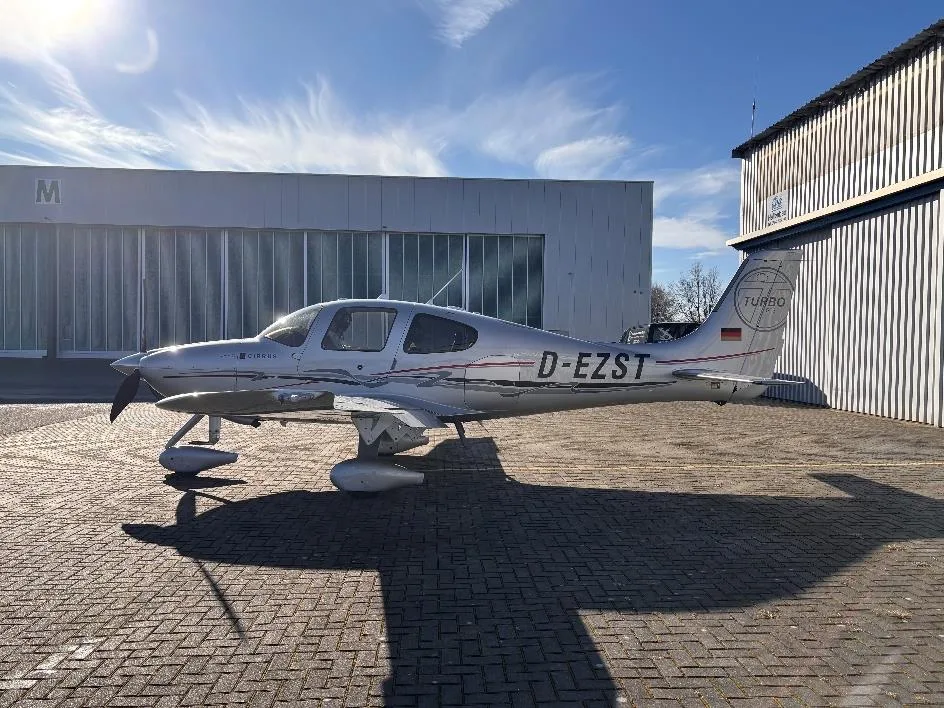
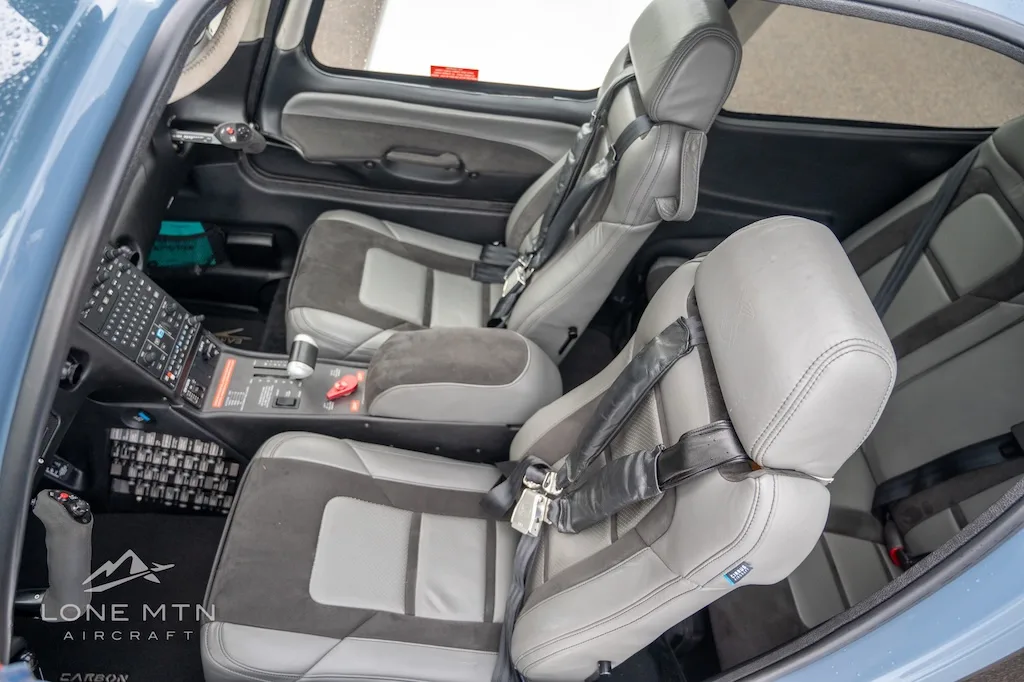
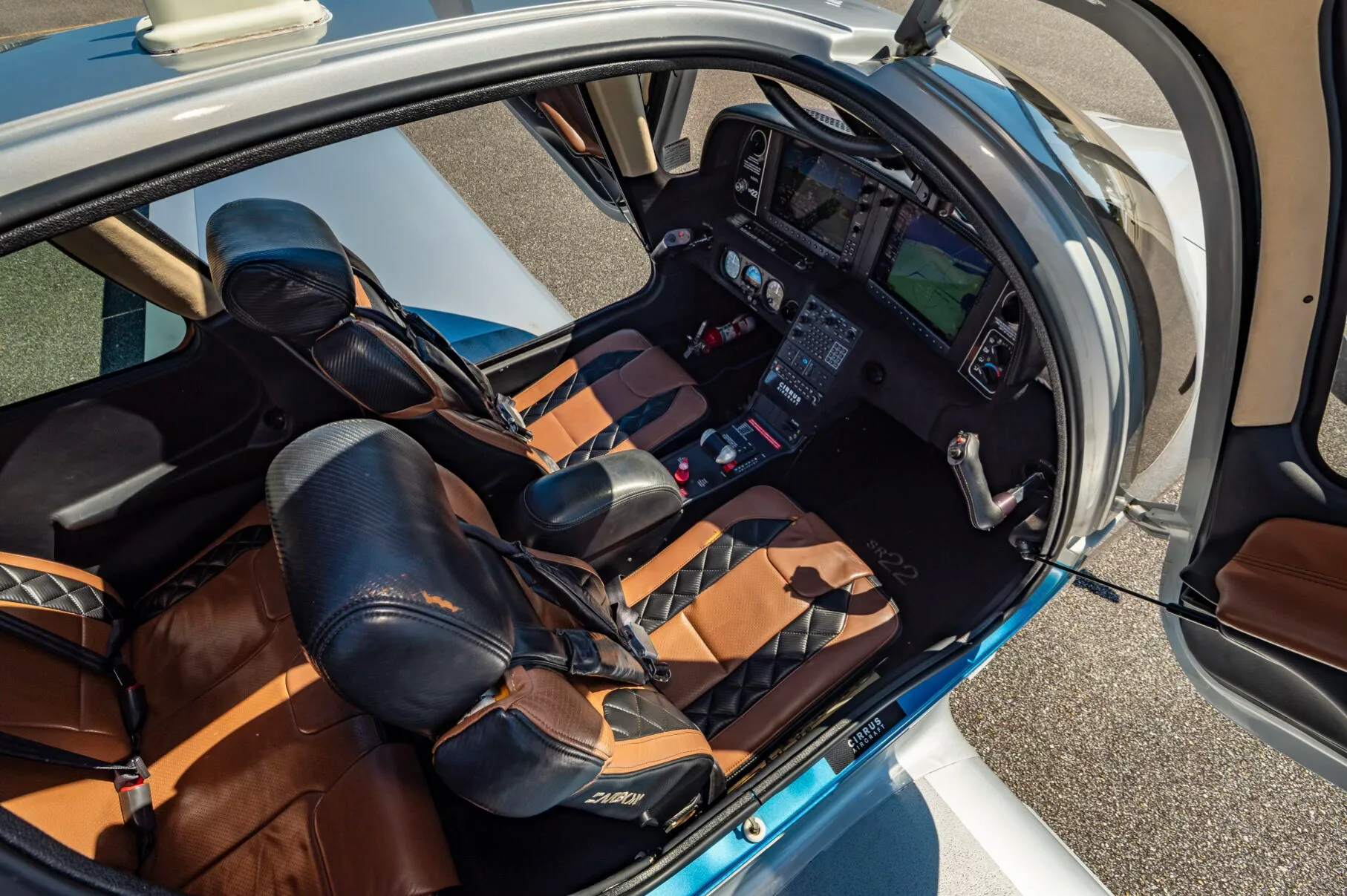
Free — save the SR22 to your watchlist and track it in one place.
More Cirrus SR22 G2manuals & documents
- UMX Cirrus SR22T BNF BasicParts Catalog
- AOPA PILOT / October 2021Service Bulletins
- INSTALLATION ASSEMBLY - CIRRUS SR22 GLICZMaintenance Manual
- PILOT’S OPERATING HANDBOOK AND FAA APPROVED AIRPLANE FLIGHT MANUAL for the CIRRUS DESIGN SR22Pilot's Operating Handbook
- Tornado Alley Turbo, Inc. TAT SB10-02, Rev. BService Bulletins
- TECHTALK • Cirrus sr20/sr22 MODel HistOry 1999-2007Service Bulletins
- Pilot’s Operating HandbookPilot's Operating Handbook
- Tornado Alley Turbo, Inc. TAT SB07-01Service Bulletins
- Supplemental Type CertificateType Certificate
If you fly the Cirrus SR22 G2, you may also be researching these.


In this document
Original pricing and equipment
Published SR22 base prices were $328,700 in 2004, $334,700 in 2005, $349,995 in 2006 and $371,200 in 2007. GTS versions were $413,150, $434,145, $449,995 and $469,990, priced without turbo or a/c. The S-TEC 55X is by far the most common autopilot. The Avidyne EX5000C MFD is on nearly all Cirrus aircraft, and the Arnav ICDS-2000 was the original MFD. Preheaters are easily added, so they should not drive a buying decision.
Turbonormalized aircraft: what to verify
The turbonormalizing STC (SA10588SC) fits a modified Teledyne Continental 10-550-N and requires an oxygen system. TAT SB07-01 is mandatory: it adds a wastegate linkage support bracket. Aircraft with more than 60 hours since installation also need the 2 clevis pins inspected and replaced. TAT SB10-02 Rev B covers cracking tailpipe brackets, which can stress the exhaust manifold. Confirm both are recorded in the logbook.
Engine heat and care
One owner-advice article puts the Continental CHT redline at 460 degrees F. It suggests keeping CHT near 380 degrees F as a comfortable target, and lower for very efficient cooling systems such as Cirrus. It reports an SR22 cylinder head separating from its barrel at 466 degrees F. It also names extended disuse and the resulting internal corrosion as the top reason engines miss TBO. Ask for engine monitor history and how often the aircraft flew.
Summary written by AI from the source document. Check the original before relying on it. See which parts of Sprinkle are written by AI.
Safety notes
- TKS anti-ice is for escaping inadvertent icing only. It is not certified or safe for flight in ice.
- Keep CHT well below the 460 degrees F Continental redline. A head-to-barrel separation was reported at 466 degrees F in an SR22.
- A turbonormalizing STC installation requires an oxygen system meeting FAR 23 requirements.
Summary written by AI from the source document. Check the original before relying on it. See which parts of Sprinkle are written by AI.
Full document text
Cirrus SR22 G2 Model Guide Cirrus SR22 G2 is a single-engine piston Cirrus built from 2004 to 2007, with 4 to 5 seats. Cirrus has built some 2,700 SR22s in total, so the used market is deep. Registry data for the whole SR22 family shows up to 700 nm range, up to 180 kt cruise and up to 17500 ft service ceiling. Treat those as family maxima, not G2 figures. • Built 2004 to 2007 as a piston single with 4 to 5 seats. Cirrus built some 2,700 SR22s, so many used examples are listed. • The SR22 has more load capacity and better climb than the SR20. That matters in mountains, in heat, or with adults in every seat. • Turbonormalized SR22s have mandatory service bulletins on wastegate linkage and tailpipe brackets. Check the logbooks for compliance. • Full TKS fluid adds 27 pounds on the G2 and is not in basic empty weight. TKS is not certified or safe for flight in ice. Original pricing and equipment Published SR22 base prices were $328,700 in 2004, $334,700 in 2005, $349,995 in 2006 and $371,200 in 2007. GTS versions were $413,150, $434,145, $449,995 and $469,990, priced without turbo or a/c. The S-TEC 55X is by far the most common autopilot. The Avidyne EX5000C MFD is on nearly all Cirrus aircraft, and the Arnav ICDS-2000 was the original MFD. Preheaters are easily added, so they should not drive a buying decision. Turbonormalized aircraft: what to verify The turbonormalizing STC (SA10588SC) fits a modified Teledyne Continental 10-550-N and requires an oxygen system. TAT SB07-01 is mandatory: it adds a wastegate linkage support bracket. Aircraft with more than 60 hours since installation also need the 2 clevis pins inspected and replaced. TAT SB10-02 Rev B covers cracking tailpipe brackets, which can stress the exhaust manifold. Confirm both are recorded in the logbook. Engine heat and care One owner-advice article puts the Continental CHT redline at 460 degrees F. It suggests keeping CHT near 380 degrees F as a comfortable target, and lower for very efficient cooling systems such as Cirrus. It reports an SR22 cylinder head separating from its barrel at 466 degrees F. It also names extended disuse and the resulting internal corrosion as the top reason engines miss TBO. Ask for engine monitor history and how often the aircraft flew. Safety notes: • TKS anti-ice is for escaping inadvertent icing only. It is not certified or safe for flight in ice. • Keep CHT well below the 460 degrees F Continental redline. A head-to-barrel separation was reported at 466 degrees F in an SR22. • A turbonormalizing STC installation requires an oxygen system meeting FAR 23 requirements.