CIRRUS SR20 NORMAL CHECKLIST
Cirrus SR20 · Emergency Procedures
Overview
This document is a Normal Checklist for the Cirrus SR20, detailing preflight, before takeoff, and emergency procedures. It is designed for pilots operating the Cirrus SR20 aircraft, providing essential steps to ensure safety and proper operation before and during flight. The checklist includes critical checks for engine start, takeoff, and emergency situations, ensuring pilots are prepared for various scenarios. It emphasizes the importance of following the Pilot Operating Handbook (POH) as the official source of information.
- Vne (Never Exceed) is 200 KIAS.
- Vno (Maximum Structural Cruise) is 165 KIAS.
- Best Rate of Climb (Vy) is 96 KIAS.
- Best Angle of Climb (Vx) is 81 KIAS.
- Stall speed in landing configuration (Vso) is 56 KIAS.
Document
Source
Originally published by www.inflightpilottraining.com. Sprinkle hosts a reference copy with an added summary, specifications and searchable full text.
Document details
- Type
- Emergency Procedures
- Year
- 2014
- Pages
- 6
- File size
- 248 KB
- Publisher
- www.inflightpilottraining.com
Common. One of the most common aircraft types we track.
Most owners only have the POH. Here's the essential set for the Cirrus SR20.
- Pilot's Operating Handbook / AFM
- Checklist
- Maintenance Manual
- Parts Catalog (IPC)
- Systems & Wiring
- Service Bulletins
- Type Certificate (TCDS)
Cirrus SR20 for sale now
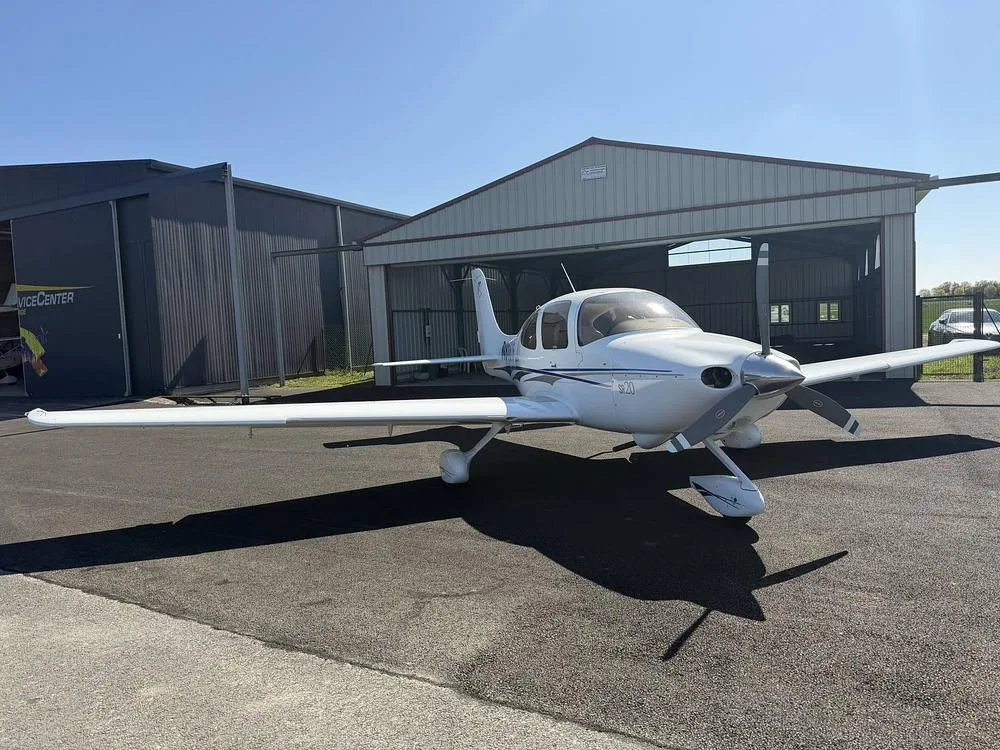
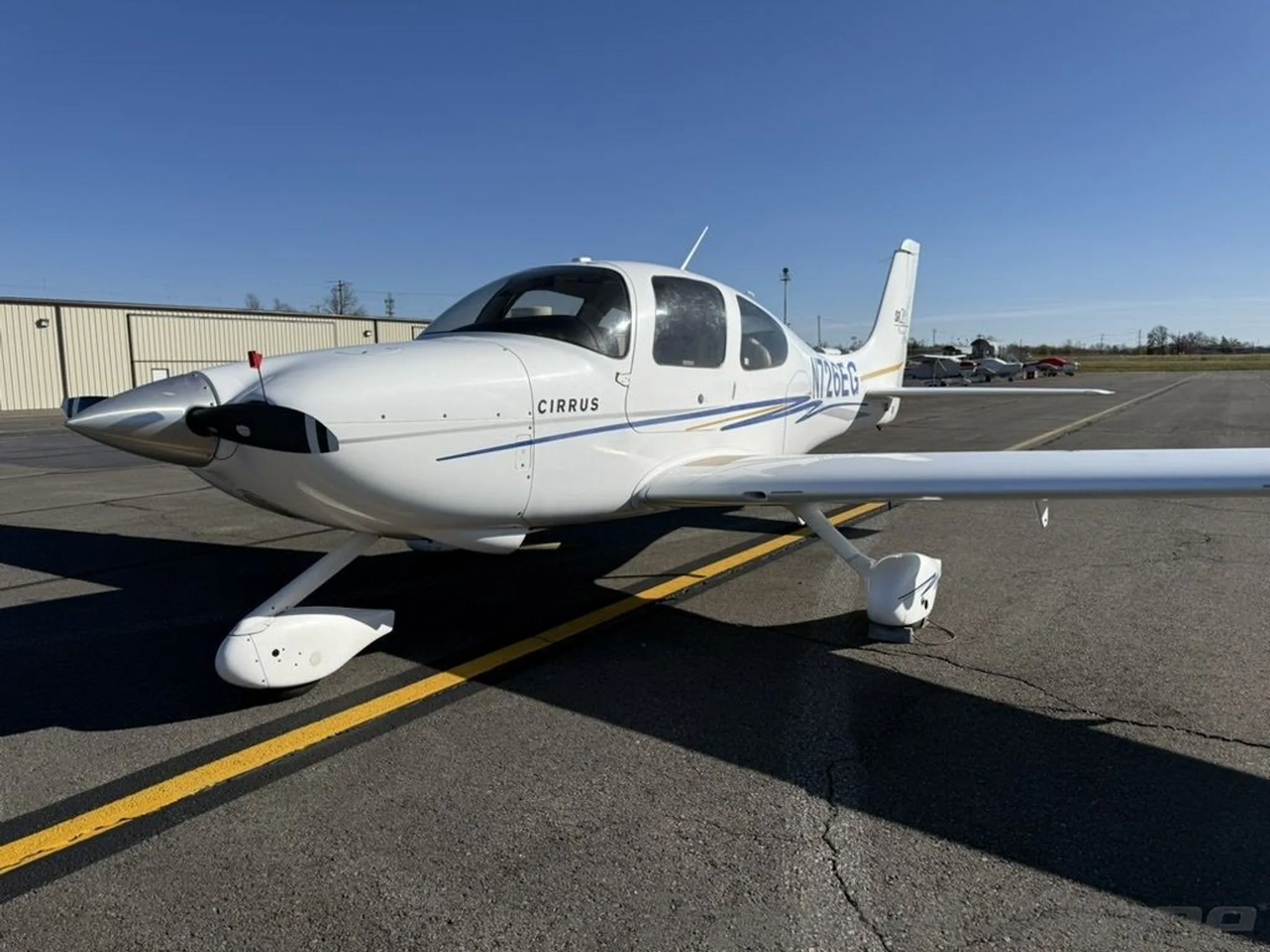

Free — save the SR20 to your watchlist and track it in one place.
More Cirrus SR20manuals & documents
See all 17 →- DFC Autopilot Series Installation ManualWiring Diagram
- Cirrus Owners and Pilots Quick Reference Guide for SR Series aircraftV Speeds Reference
- Validation ReportOther Documents
- PILOT’S OPERATING HANDBOOK AND FAA APPROVED AIRPLANE FLIGHT MANUAL for the CIRRUS DESIGN SR20Pilot's Operating Handbook
- Standard Practice Maintenance ManualMaintenance Manual
- Aviation Maintenance Alert - Cirrus SR20 and SR22 AircraftMaintenance Manual
- PILOT’S OPERATING HANDBOOK AND FAA APPROVED AIRPLANE FLIGHT MANUAL for the CIRRUS SR20Training Manual
- Dual Fuel Level – Cirrus Aircraft w/ CIES Inc. SendersWiring Diagram
- Pilot’s Operating HandbookPilot's Operating Handbook
- Service BulletinService Bulletins
- AIRWORTHINESS DIRECTIVEAirworthiness Directives
- SERVICE BULLETIN SB 7084Service Bulletins
If you fly the Cirrus SR20, you may also be researching these.


In this document
Before Start Check
This section outlines the necessary checks before starting the engine, including preflight inspection, ensuring emergency equipment is on board, and securing passenger briefings. It also includes checks for seat adjustments, door closures, and engine parameters.
Before Takeoff Check
The before takeoff checklist includes verifying the CAPS pin is removed, securing seat belts, confirming fuel quantity, and setting the fuel selector to the fullest tank. It also covers engine parameters and navigation settings.
Emergency Procedures
This section provides detailed emergency procedures for various scenarios, including engine failure during takeoff, in-flight emergencies, and cabin fires. It emphasizes the importance of maintaining control of the aircraft and following specific steps to manage emergencies.
Starting Engine
Instructions for starting the engine include ensuring the mixture is full rich, priming the fuel pump, and monitoring oil pressure after start. It also advises on the proper sequence of actions to take during engine start.
V Speeds
The checklist provides critical V speeds for the Cirrus SR20, including Vne (Never Exceed) at 200 KIAS, Vno (Maximum Structural Cruise) at 165 KIAS, and stall speeds in various configurations.
Safety notes
- Always refer to the Pilot Operating Handbook (POH) for definitive procedures and information.
- In case of engine failure, establish best glide speed of 96 KIAS.
Full document text
CIRRUS SR20 NORMAL CHECKLIST BEFORE START CHECK Preflight Inspection……………..…………..COMPLETE Emergency Equipment………………….….ON BOARD Passenger Briefing: Door operation Egress hammer location Off-field landing discussion CAPS operation Sterile cockpit Traffic awareness No smoking Who controls aircraft in emergency Positive exchange of controls…...COMPLETE Seats…………………………...ADJUSTED & LOCKED Seat Belts and Harnesses……………...….….SECURE Doors…...CLOSED and CHECKED (may be deferred) Key………………………………………......IN IGNITION Brakes………………………………...…………….HOLD BAT Master Switches….…………....ON (Check Volts) Strobe Lights…………………………………………..ON Mixture……………………………….……….FULL RICH Power Lever………………...………..FULL FORWARD Fuel Pump……...…..PRIME (count to 4) then BOOST Propeller Area…………………………………….CLEAR Power Lever…………………..………..OPEN 1/4 INCH Ignition Switch…………….START (Release after start) Power Lever….…....RETARD (to maintain 1000 RPM) Oil Pressure…………………..…….CHECK IN GREEN Alt Master Switches……………………………….…..ON Avionics Power Switch…………………………….....ON Engine Parameters……………….…………..MONITOR Amp Meter Indications…………………..……...CHECK Flaps………………………………….………………...UP Radios & Avionics……………..….SET AS REQUIRED Cabin Heat/Defrost………………...…...AS REQUIRED Fuel Selector…………………………....SWITCH TANK NOTE: Taxi over loose gravel at low RPM to avoid damage to propeller. Max engine speed during taxi is 1000 RPM. Brakes………………..…………………………...CHECK Directional Gyro…………………………...……..CHECK Attitude Gyro…………………………………..….CHECK Turn Coordinator……………………………..…..CHECK BEFORE TAKEOFF CHECK CAPS Pin…………………………..VERIFY REMOVED Seat Belts and Harnesses………………….....SECURE Fuel Quantity…………………………………..CONFIRM Fuel Selector…………………………...FULLEST TANK Fuel Pump………………….……………….……BOOST Flaps……………………….……….SET 50% & CHECK Transponder………………………………….……….SET Navigation Radios/GPS……...SET FOR DEPARTURE Cabin Heat/Defrost……………………..AS REQUIRED Brakes…………………………………………..…..HOLD Mixture………………………………………….…...RICH Power Lever………………………………......1700 RPM Alternator…………………………………..……..CHECK Pitot heat…………………….……...………..ON Navigation Lights…………….…...…...…….ON Landing Lights…………………………….....ON Annunciator Lights……………………..CHECK Amp Meter Indication………….…....CHECK POSITIVE Pitot Heat…………………….…………..AS REQUIRED Navigation Lights………………………..AS REQUIRED Landing Light………………..…………..AS REQUIRED Magnetos……………………...………….CHECK BOTH Ignition Switch…....R, check RPM, then BOTH Ignition Switch…....L, check RPM, then BOTH Engine Parameters………………….……..…….CHECK Power Lever…………………………………...1000 RPM Autopilot………….…….......TEST, then DISCONNECT Flight Instruments…………………….....CHECK & SET Heading Bug………….....RUNWAY HEADING Altitude Bug…………….….INITIAL ALTITUDE VSI Setting…..………CLIMB RATE DESIRED Trim……..…..SET IN T/O RANGE (aileron & elevator) Flight Controls………………...…...FREE & CORRECT Doors……….............…..……CLOSED and CHECKED Determine Need for/Direction of Crosswind Correction Type of Takeoff Planned (Normal, Soft, Short) Direction of Departure or Initial Assigned Heading Initial Planned or Assigned Altitude Rotation Speed is 65-70 KIAS Procedure if Engine Fails During Takeoff: During Takeoff Roll……………..ABORT ON RUNWAY < 500’ AGL………….….…...LAND STRAIGHT AHEAD 500-1200 AGL……………....AREA EXPANDS AHEAD > 1200’ AGL……..TURN INTO WIND IF RETURNING NOTE: Returning to the field can only be accomplished once adequate altitude has been attained. A 45° bank turn into the wind is recommended at best glide speed. STARTING ENGINE PAGE 1 The POH remains the official source of information. BEFORE TAXI CHECK TAXI CHECK BEFORE TAKEOFF BRIEFING Revision Date: 23 SEP 14 CIRRUS SR20 NORMAL CHECKLIST Power Lever…………………………..FULL FORWARD Engine Instruments……………………………...CHECK Brakes………………………………………….RELEASE Elevator Control…...ROTATE Smoothly at 65-70 KIAS At 85 KIAS, Flaps……………………………….…….UP Initial Climb………………………….……..…....96 KIAS Flaps…………………………………………………..50% Brakes……………………………………………....HOLD Power Lever………………….……….FULL FORWARD Engine Instruments………………………….…..CHECK Brakes………………………………………….RELEASE Elevator Control…….……Rotate Smoothly at 65 KIAS Airspeed at Obstacle…………………..………..77 KIAS Transition to Normal Climb….…….……..….....96 KIAS Enroute Climb…………………………...……..105 KIAS Throttle………………………….…………...FULL OPEN Mixture…………………………………..……FULL RICH Engine Parameters…………………………...….CHECK Fuel Pump…………………………………………….OFF Landing Light..........................................................OFF Cruise Power…………………...……..SET 55% to 75% Mixture………………......................…………SEE QRC Engine Parameters………………..………….MONITOR Fuel Flow and Balance………………….…...MONITOR COM 2……………………………………..Monitor 121.5 Note: The Fuel Pump must be used for switching from one tank to another to avoid engine restart delays should engine quit due to fuel starvation. Cruise Leaning if Desired: Best Power = 75° Rich of Peak EGT 75% Power or Less Best Economy = 50° Lean of Peak EGT 65% Power or Less Approach Settings: MP KIAS FLAPS Prior to FAF: 22 100 50% Glideslope: 12 100 50% NP Decent: 10 100 50% ATIS/AWOS/Local Weather..………………RECEIVED Approach Briefing……………….………….COMPLETE Altimeter...…………………………………………….SET Cabin Heat/Defrost……………....……..AS REQUIRED Landing Light………….……………………………….ON Fuel System…………………...………………….CHECK Mixture…………………………………...AS REQUIRED Brake Pressure……….………………………….CHECK Seat Belts and Harnesses………………...…..SECURE Fuel Pump……………………………………......BOOST Mixture………………………….…………….FULL RICH Flaps…………………………………......AS REQUIRED Autopilot……………………......OFF BELOW 500’ AGL Downwind………………...…….100 KIAS, FLAPS 50% Base………………………...…..90 KIAS, FLAPS 100% Final Approach……….……….*80 KIAS, FLAPS 100% Touchdown………………….…..MAIN WHEELS FIRST Nosewheel………………………..…..GENTLY LOWER Braking…………………...……...MINIMUM REQUIRED * Airspeed on final approach should be increased at least 5 KIAS in turbulent conditions. Power Lever……………………………….….1000 RPM Fuel Pump…………..………………………………..OFF Wing Flaps…………..………………………………....UP Transponder…………………………………...…...STBY Lights…………………………...………..AS REQUIRED
Show full textShow less
Mixture……………………………….……………..LEAN Pitot Heat………………………..…………………...OFF Fuel Pump……………………………..……………..OFF Throttle……………………….………………………IDLE Ignition Switch…………………..CHECK GROUNDING Avionics Power Switch….…………………………...OFF Mixture……………………………..……..IDLE CUTOFF All Switches (right to left).....…….……………….....OFF Magnetos…...………..………….…………….……..OFF ELT………………………….....TRANSMIT LIGHT OUT CAPS Pin………………………………………..INSTALL Chocks, Tie-Downs, Pitot Cover.……...AS REQUIRED Brake Sensors……………………………...….INSPECT NORMAL TAKEOFF CRUISE CHECK ARRIVAL AREA CHECK BEFORE LANDING CHECK AFTER LANDING CHECK SHUTDOWN CHECK NORMAL LANDING PAGE 2 SHORT FIELD TAKEOFF CLIMB CHECK (above 1000 AGL) Wing Flaps………...……………………..………...100% Airspeed……….....MAINTAIN 75 KIAS UNTIL FLARE Trim……………………………………….……..ADJUST Power……………....USE TO CONTROL GLIDE PATH Clear of Obstacles………SLOWLY REDUCE POWER Attitude………..NOSE DOWN TO MAINTAIN 75 KIAS Touchdown……………………..MAIN WHEELS FIRST Brakes………………………….….APPLY AS NEEDED Wing Flaps..RETRACT (improves brake effectiveness) Power should slowly be reduced once clear of obstacles, reaching idle just prior to touchdown. Do NOT lock-up the brakes as this will flat spot the tires and increase the stopping distance. Power Lever……………………...SET 65-75% POWER Fuel Pump…………………………..……...VERIFY OFF Lean Assist........................................PRESS BUTTON BEST POWER: Lean until “Peak Detected” then slowly enrich the mixture until “Peak Detected (Rich)” shows. “Best Power” will display at optimal mixture. BEST ECONOMY: Use 65% or less power for BEST ECONOMY settings Lean until “Last Peak Detected” is shown. Continue leaning until “Best Economy” is shown. Press the “Normalize” button after leaning the mixture. Oil Type Used………….…AEROSHELL OIL W 15w50 Oil Quantity (Normal)………………...MINIMUM 6 QTS. Oil Quantity (Long-Distance)…………………….7 QTS. Fuel at Tabs……………………….26 GALS. USEABLE Fuel to Top………………...………56 GALS. USEABLE Nose Tire Pressure………………………...40 +2/-0 PSI Main Tire Pressure………………………....53 +2/-0 PSI Three rows of circuit breakers are located near the pilots right leg. This checklist series describes them by row (Front, Center, Aft ) and number from the top down (1-13). EXAMPLE: F4 is Front row, 4th breaker from the top. AWOS/ATIS………………...………………..OBTAINED Altimeter………..……………….…………………....SET Localizer / VOR / NDB Frequency…………………SET Approach Course…………………………………….SET Runway Length (Rwy ldg)……………...………...NOTE Touchdown Zone Elevation (TDZ)….…………...NOTE Airport Elevation…………………………………...NOTE Approach Lighting……………………………...….NOTE Missed Approach Procedure……….………….REVIEW Approach Control Frequency………….……………SET Tower Frequency…………..……….SET IN STANDBY Minimum Safe Altitude in Sector……………...….NOTE MDA/DH (Minimums)……………….……..BUG (if able) Missed Approach Point (MAP)…………...DETERMINE Direction of Turn Off Runway After Landing…....NOTE Note: For a non-precision approach determine how the Missed Approach Point will be identified, either using timing or DME distance as published. Instrument Approach……..…....105 KIAS/FLAPS 50% Downwind………………….….…100 KIAS/FLAPS 50% Base…………………………..….90 KIAS/FLAPS 100% Final………………..…...……....*80 KIAS/FLAPS 100% *Reduce airspeed to 75 KIAS on short final. Use 85-90 KIAS for No Flap Landing. Approach Settings: MP KIAS FLAPS Prior to FAF: 17 100 50% Glideslope: 12 100 50% NP Decent: 10 100 50% V SPEEDS Vne / Never Exceed……………………...……200 KIAS Vno / Maximum Structural Cruise….....…...…165 KIAS Vo / Operating Maneuvering. (3000 lbs.).....131 KIAS Vfe / Max. Speed w/flaps 50%.……........…..120 KIAS Vfe / Max. Speed w/Flaps 100%…………….100 KIAS Vpd / Max. Demo’d Chute Deployment….…..135 KIAS Vy / Best Rate of Climb………….….………...96 KIAS Vx / Best Angle of Climb………………….…...81 KIAS Vr / Rotate…………………….………….……..67 KIAS Vs1 / Stall in Cruise Configuration………...…..65 KIAS Vso / Stall in Landing Configuration……….…..56 KIAS Normal Climbout……………….....…………..…96 KIAS Enroute Climb…………………..…..………….105 KIAS Best Glide (at 3000 lbs.)………….……..……...96 KIAS SHORT-FIELD LANDING INSTRUMENT APPROACH RECOMMENDED AIRSPEEDS CRUISE LEANING The POH remains the official source of information. SERVICING CIRCUIT BREAKERS CIRRUS SR20 QUICK REFERENCE CARD QRC BRIEF ALT 1 LIGHT STEADY VERIFY CONDITION: Prior to conducting the following procedure verify that ALT 1 is offline by checking the voltage meter indication for ALT 1. If the indication is near 28 volts the problem is a bad ALT 1 current sensor and you should NOT proceed with the following procedure. If ALT 1 Current is Near 24 Volts ALT 1 Master Switch………………………………...OFF ALT 1 Circuit Breaker (C5)………..CHECK and RESET ALT 1 Master Switch………………………………….ON If alternator does not reset ALT 1 Master Switch………………………………...OFF Autopilot…………………………………….…..ENGAGE Reduce Loads Audio Panel………………………….………………...OFF GPS/COM 2……………………….……….………….OFF Fuel Pump………………………….….……………...OFF Panel and Overhead Lights…….…………………...OFF Landing Light………………….………………………OFF Strobe Lights……….……………………….………...OFF Pitot Heat……..…………………………………….....OFF Pull Circuit Breakers Skywatch/TAWS (F1)….……………..……………..PULL WX/Stormscope (F5)……………………………......PULL MFD (F6).……………………………………...……..PULL Use the Autopilot to fly the aircraft. Avoid use of manual trim. Do NOT reset a circuit breaker more than one time. Land within ONE hour. Plan on a flaps up or flaps 50% landing. Do NOT extend flaps to 100% for landing. You may not have sufficient power to retract flaps should a go-around be necessary. NOTE: ALT 2 will not come on line at low RPM settings. VERIFY CONDITION: Prior to conducting the following procedure verify that ALT 2 is offline by checking the voltage meter indication for ALT 2. If the indication is higher than the ALT 1 voltage then the problem is a bad ALT 2 current sensor and you should NOT proceed with the following procedure. If ALT 2 Voltage is the Same as ALT 1 Voltage ALT 2 Master Switch………………………..………..OFF Discontinue IFR Flight as soon as practical. Redundant electrical power is no longer available. 1. Prime engine until 15 GPH is obtained: - Power Lever FULL FORWARD - Mixture FULL FORWARD - Boost pump switch to PRIME 2. Follow quickly with MIXTURE IDLE CUTOFF (power lever remains full forward). 3. Boost pump switch to BOOST. 4. Clear prop and START engine. 5. If no start within 15 seconds repeat procedure but turn OFF boost pump after priming. 6. At engine start RETARD POWER LEVER followed by FULL RICH mixture. 7. Lean mixture as required. Airspeed…………………..….REDUCE TO 80-90 KIAS Flaps………………………………………….…SET 50% Land………………………...AS SOON AS PRACTICAL NOTE: With electrical failure the audio panel connects COM 1 to the pilot’s headset and speakers . Switches, Controls……………………………….CHECK Frequency……………………………………....CHANGE Circuit Breakers…………………………….…….CHECK Headset…………CHECK CONNECTIONS / CHANGE Hand Held Microphone………………………CONNECT Transponder……………………………...….CODE 7600 Any trim or autopilot failure can be overridden by use of the control yoke. Airplane Control……………………………..MANUALLY Autopilot…………………………………....DISENGAGE If Problem Not Corrected: Circuit Breakers…………….…....PULL AS REQUIRED PITCH TRIM (F11) ROLL TRIM (F12) AUTOPILOT (A9) Power Lever……………………………..AS REQUIRED Control Yoke………....MANUALLY HOLD PRESSURE Circuit Breaker (A1)………………...PULL AND RESET HOT START CIRRUS SR20 ABNORMAL PROCEDURES ADDITIONAL ABNORMAL PROCEDURES ARE LOCATED IN THE PILOT’S OPERATING HANDBOOK ALT 2 LIGHT STEADY DOOR OPEN IN FLIGHT COMMUNICATIONS FAILURE TRIM / AUTOPILOT FAILURE ENGINE INSTRUMENTS RESET EMERGENCY CHECKLIST FLY THE AIRPLANE - IDENTIFY EMERGENCY - READ CHECKLIST - DO NOT HURRY! ENGINE FAILURE DURING TAKEOFF ROLL Throttle……..………………..……………..IDLE Brakes…..…………...…………..………APPLY Wing Flaps…..……...…...…………...RETRACT Mixture……………………...….............CUTOFF Master Switch……………...………….….....OFF IMMEDIATELY AFTER LIFTOFF Best Glide or Landing Speed.…ESTABLISH Mixture………………..…...…....IDLE CUTOFF Fuel Selector Valve…..……ROTATE TO OFF Ignition Switch…….……………………....OFF Wing Flaps..…….……..……...AS REQUIRED If time permits: Power Lever……………………….……….IDLE Fuel Pump…………………………...……...OFF Bat-Alt Master Switches……………….…..OFF Seat Belts……………......ENSURE SECURED DURING FLIGHT (ATTEMPT RESTART) Airspeed……………….……….………96 KIAS Mixture………….….…..…………………..RICH Fuel Selector Valve….……..SWITCH TANKS Fuel Pump…………..………….....…...BOOST Alternate Air…………………………..…......ON Ignition……………………………….…….BOTH WITHOUT ENGINE POWER Airspeed………..……..…...96 KIAS (flaps up) Radio……………..……..TRANSMIT MAYDAY Transponder……..…………...SQUAWK 7700 If off airport………..…...……..ACTIVATE ELT Power Lever……...………….…………….IDLE Mixture…………..……...……………..CUTOFF Fuel Selector Valve……..…ROTATE TO OFF Ignition Switch………..…………………....OFF Fuel Pump…………………………...……...OFF Flaps (when landing assured)…………...100% Master Switch……….………………..……..OFF Seatbelts…………………………….....SECURE Exit Aircraft……………….MEET PAX UPWIND PRECAUTIONARY LANDING WITH ENGINE POWER (off-field) Seatbelts……………………………...SECURE Flaps……………….…………….…………50% Airspeed……………...………………..95 KIAS Selected Field.…...FLY OVER TO OBSERVE Selected Field……….….LINE UP FOR FINAL Avionics Power Switch…….……………...OFF Wing Flaps……..….………………...……100% Airspeed………….………..…………...75 KIAS Master Switch….……..…………………….OFF Doors...UNLATCH PRIOR TO TOUCHDOWN Touchdown………….....SLIGHTLY TAIL LOW Ignition Switch……...……………………....OFF Brakes…………………….….APPLY HEAVILY IN FLIGHT Mixture…………..……………………CUTOFF Fuel Pump……………………...………….OFF Power Lever………………………….…...IDLE Airflow Selector......................................OFF Fuel Selector....….………..ROTATE TO OFF Ignition……………………………………...OFF Cabin Door...................OPEN RIGHT DOOR If fire fails to extinguish increase glide speed to incombustible mixture speed. Emergency Landing ………...….….EXECUTE DURING START Mixture……………..…………..IDLE CUTOFF Fuel Pump….……………………………...OFF Fuel Selector……………………...…...….OFF Power Lever..………………….....FORWARD Starter……………………………..…...CRANK Fire Extinguisher…....……OBTAIN AND USE If flames persist: Power Lever………………………..……...IDLE Fuel Pump……………………………….....OFF Mixture………………………………...CUTOFF Fuel Selector……………………………….OFF Ignition Switch……………………………...OFF Bat-Alt Master Switches…………………..OFF Exit Aircraft…….……….MEET PAX UPWIND ENGINE FIRE EMERGENCY LANDING SR20 PAGE 1 IMMEDIATE ACTION ITEMS ARE IN BOLD PRINT Revision Date: 06 JUN 14 EMERGENCY CHECKLIST FLY THE AIRPLANE - IDENTIFY EMERGENCY - READ CHECKLIST - DO NOT HURRY! CABIN FIRE IN FLIGHT Bat-Alt Master Switch…....……………….OFF Vents/Cabin Air/Heater.………….…CLOSED Fire Extinguisher…………..………ACTIVATE WARNING: Ventilate cabin by opening vents and opening doors if needed after use of fire extinguisher. Avionics Power Switch………...…….……..OFF All Other Switches (except ignition)….…...OFF If fire appears to be out and electrical power is required for continued safe flight (IFR flight): Bat-Alt Master Switch…..………………..….ON Circuit Breakers…....CHECK for faulty circuit DO NOT RESET if breaker has tripped. Individual Radio Switches..…………..……OFF Avionics Power Switch……….……………..ON GPS-COM/Electrical Switches…..ON one at a time until the short circuit is localized. Pitot Heat Switch……………………….….OFF Navigation Light Switch……………..…...OFF Landing Light Switch...............................OFF Strobe Light Switch……………………….OFF Perform a sideslip to keep flames away from fuel tank and cabin. Putting the airplane into a dive may blow out the fire. Do not exceed Vne (200) during the dive. Land ASAP using wing flaps only as required for final approach and touchdown. WING FIRE Pitot Heat Switch……..…………………...ON Time……………………………...……..NOTED Heading and/or Altitude………......CHANGE A heading change of 180° should return you to ice free conditions. Lower altitudes are normally warmer. Advise ATC if under IFR control. Cabin Heat………………………....MAXIMUM Windshield Defrost……….…….FULL OPEN Alternate Induction Air…………………....ON WARNING: With extremely rapid ice buildup select a suitable off-airport landing site. Stall Speed will be significantly higher with ice accretion of 1/4 inch or more. Wing Flaps Use flaps 50% or no flaps as wing wake airflow change with flaps down could result in loss of elevator effectiveness. Forward Slip to land if needed for improved forward visibility. Approach: If ice is suspected to be adhering to the tail use higher approach speeds. No-Flap use 95-100 KIAS Flaps 50% use 90-95 KIAS Land in a level attitude. SEE POH SECTION 3 This checklist was created to deal with most, but not all, emergency situations. Additional informa- tion is available in Section 3 of the Pilot Operating Handbook (POH). The POH is the definitive source of information concerning operation of this aircraft. The Pilot in Command is responsible for complying with all items in the POH and applicable STC’s. ICING ENCOUNTER PAGE 2 OTHER EMERGENCIES SR20 Copyright SafeAviator, 2014 IMMEDIATE ACTION ITEMS ARE IN BOLD PRINT
What's in the Cirrus SR20 TCDS
A Type Certificate Data Sheet (TCDS) is the FAA's record of what an aircraft type was approved as. It is the source of truth for weights, seating, fuel and the rules the design was certified against. Expand any line to see what it means.
844 Cirrus SR20 parts for sale
See all →



Parts listed for sale by vetted eBay sellers — confirmed on eBay at checkout.