PILATUS PC-12 NGX (PC12)
PILATUS PC-12 NG · Checklist
Overview
This document is a checklist for the Pilatus PC-12 NG aircraft, detailing operating limitations, emergency procedures, and performance specifications. It serves as a quick reference for pilots to ensure safe operation and adherence to critical procedures.
- Maximum ramp weight: 10,495 lbs
- Maximum take-off weight: 10,450 lbs
- Maximum landing weight: 9,921 lbs
- Total fuel capacity: 406.8 U.S. gallons
- Maximum oil pressure: 135 PSI
- Vmo: 240 KIAS
- Emergency descent requires landing gear below 180 KIAS
- Best glide speed: 93 KIAS at 6,400 lbs
Summary written by AI from the source document. Check the original before relying on it. See which parts of Sprinkle are written by AI.
Reference only, not for flight. Use the current approved manual for your aircraft. See terms, section 5.
Document
Source
Copy found at gob.cl. Sprinkle hosts a reference copy with an added summary, specifications and searchable full text.
Document details
- Type ·
- Checklist
- File size ·
- 99 KB
- Copy found at ·
- gob.cl
- Language ·
- es
Specifications & performance
Extracted from this document.
Specifications
- Baggage capacity (lb) ·
- 400
- Maximum ramp weight (lb) ·
- 10.495
- Total fuel capacity (gal) ·
- 406.8
- Usable fuel capacity (gal) ·
- 402
- Maximum landing weight (lb) ·
- 9.921
- Maximum take off weight (lb) ·
- 10.450
- Maximum zero fuel weight (lb) ·
- 9.039
Performance
- Vo kias ·
- 166
- Vx kias ·
- 120
- Vle kias ·
- 240
- Vmo kias ·
- 240
- Vy 0 flaps kias ·
- 130
- Glide speed kias ·
- 93
- Vlo extension kias ·
- 180
- Vlo retraction kias ·
- 180
- Vapp flaps dn 40 kias ·
- 85
- Vfe landing conf kias ·
- 130
- Vfe take off conf kias ·
- 165
- Vs idle 0 flaps no ice kias ·
- 93
- Vs idle 15 flaps no ice kias ·
- 76
V-speeds
- VO_KIAS ·
- 166
- VX_KIAS ·
- 120
- VLE_KIAS ·
- 240
- VMO_KIAS ·
- 240
- VY_0_FLAPS_KIAS ·
- 130
- GLIDE_SPEED_KIAS ·
- 93
- VLO_EXTENSION_KIAS ·
- 180
- VLO_RETRACTION_KIAS ·
- 180
- VAPP_FLAPS_DN_40_KIAS ·
- 85
- VFE_LANDING_CONF_KIAS ·
- 130
- VFE_TAKE_OFF_CONF_KIAS ·
- 165
- VS_IDLE_0_FLAPS_NO_ICE_KIAS ·
- 93
- VS_IDLE_15_FLAPS_NO_ICE_KIAS ·
- 76
Weight & balance
- Baggage capacity (lb) ·
- 400
- Maximum ramp weight (lb) ·
- 10.495
- Maximum landing weight (lb) ·
- 9.921
- Maximum take off weight (lb) ·
- 10.450
- Maximum zero fuel weight (lb) ·
- 9.039
Common. More common than 99% of the aircraft models we track.
Most owners only have the POH. Here's the essential set for the PILATUS PC-12 NG.
- Pilot's Operating Handbook / AFM
- Checklist
- Maintenance Manual
- Parts Catalog (IPC)
- Systems & Wiring
- Service Bulletins on file
- Type Certificate (TCDS)
PILATUS PC-12 NG for sale now
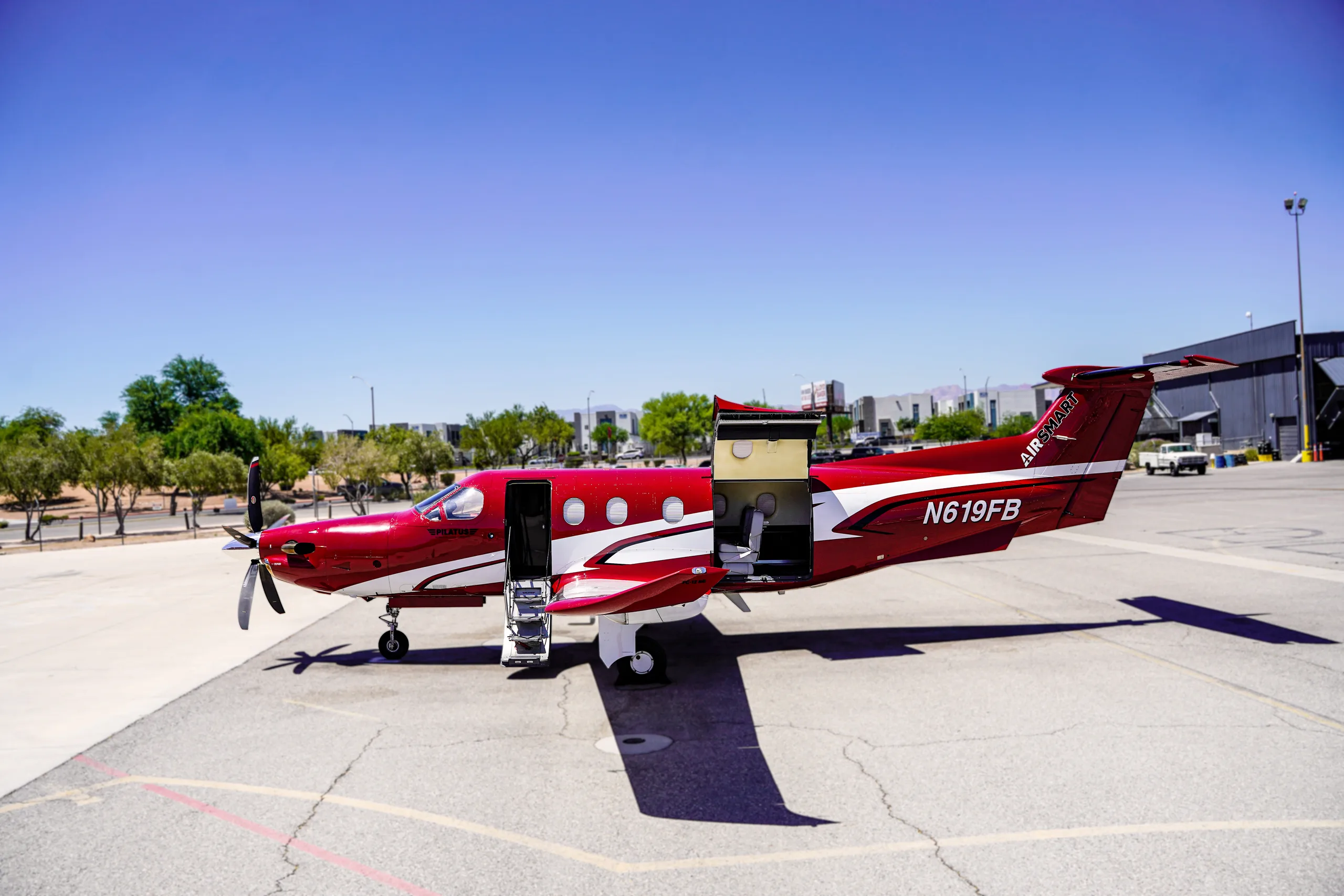
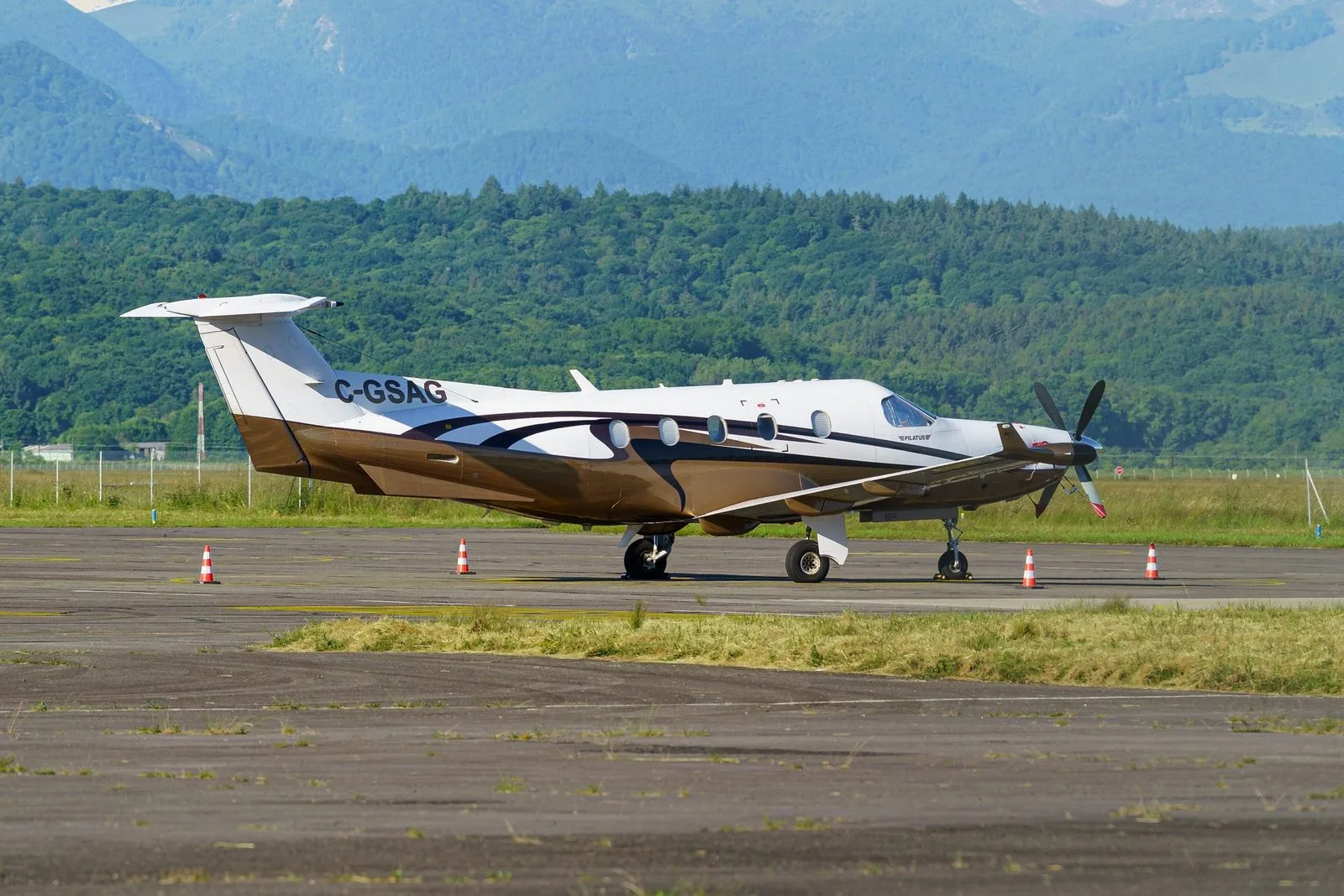
Free — save the PC-12 to your watchlist and track it in one place.
More PILATUS PC-12 NGmanuals & documents
If you fly the PILATUS PC-12 NG, you may also be researching these.




In this document
Operating Limitations
Details maximum weights, fuel capacities, engine limitations, and speed limitations for safe operation.
Emergency Procedures
Outlines steps for handling rejected take-offs, engine failures before and after rotation, and emergency descents.
Engine Operating Limitations
Specifies maximum continuous power, RPM, oil pressure, and temperature limits.
Fuel Specifications
Indicates fuel type (JET A-1), total and usable fuel capacities, and fuel pressure limits.
V-Speeds
Lists critical speeds including Vx, Vy, Vapp, and stall speeds with flaps configurations.
Emergency Landing Procedures
Describes procedures for emergency landings, including glide speed and flap configurations.
Summary written by AI from the source document. Check the original before relying on it. See which parts of Sprinkle are written by AI.
Safety notes
- Ensure oil pressure remains between 60 and 135 PSI.
- Monitor oil temperature to stay within 15°C to 110°C.
- Do not exceed maximum fuel imbalance of 26.4 lbs.
- Follow emergency procedures promptly to ensure safety.
- Check all occupants' seat belts are fastened during emergency descent.
- Prepare oxygen masks before cabin altitude exceeds 10,000 ft.
Summary written by AI from the source document. Check the original before relying on it. See which parts of Sprinkle are written by AI.
Full document text
1 DEPARTAMENTO “SEGURIDAD OPERACIONAL” “SUBDEPARTAMENTO “LICENCIAS” “PILATUS PC-12 NGX (PC12)” “N872DG” A.- OPERATING LIMITATION 1.- Limitation Speed (KIAS) 3.- Weight (LBS) Maximum RAMP 10.495 Maximum TAKE-OFF 10.450 Maximum LANDING 9.921 Maximum Zero fuel Weight 9.039 Baggage 400 4.- Engine (Maximum Continuous Power) Engine Operating Limitations Reason SHP 1200 Maximum RPM 100% Np 1700 Oil Pressure (PSI) Maximum 135 Minimum 60 Oil Temperature (°C) Maximum 110 Minimum 15 2.- Fuel (U.S. GAL) 5.- Starter Limitation If Ng ≤ 30% Type to Use JET A-1 Total Capacity 406.8 Usable Capacity 402 Max Fuel Imbalance 26.4 Fuel Pressure (PSI) Maximum 43 Minimum 2 1 Sequence 60 seg OFF 2 Sequence 60 seg OFF 3 Sequence 30 min OFF Vo 166 Vmo 240 Vfe Take-Off Conf (15°) 165 Vfe Landing Conf 130 Vlo Extension 180 Vlo Retraction 180 Vle 240 Vs (idle) 0° Flaps no ice 93 Vs (idle) 15° Flaps no ice 76 Vx 120 Vy 0° Flaps 130 Vapp (Flaps DN 40°) 85 Glide Speed (6400 lbs) 93 Max Cross Wind (Flaps 15 B.- EMERGENCIES PROCEDURES 2 1.- REJECTED TAKE OFF 1 . PCL IDLE 2. Braking AS REQUIRED 3. Reverse AS REQUIRED 2.- ENG. FAILURE BEFORE ROTATION 1. PCL IDLE 2. Braking AS REQUIRED If runway overrun or collision is likely, then : 3. Engine Switch OFF 4. Fuel EMER shut off PRESS LATCH DOWN AND PULL LEVER UP 5. MASTER POWER Switch EMERGENCY OFF After the aircraft has stopped 6. Aircraft. Evacuate B.- EMERGENCIES PROCEDURES 3 3.- ENG. FAILURE AFTER ROTATION – Landing gear up If total power loss: 1. Landing Gear Down, if landing site allows, 2. Flaps 40° 3. Final App Speed 88 KIAS (flaps 40°) 4. PCL Idle 5. Engine Switch OFF 6. Fuel Emerg Shut Off PRESS LATCH DOWN AND PULL LEVER UP After touch down: 7. MASTER POWER Switch EMERGENCY OFF After the aircraft has stopped 8. Aircraft. Evacuate 4.- ENG. FAILURE IN FLIGHT (TOTAL POWER LOSS) 3 1. Auto Pilot 93 KIAS (6400 lbs) 2. PCL Idle 3. Aircraft PROCEED TO NEAREST AIRFIELD 4. Remaining Fuel CHECK If no mechanical damage suspected and time permits: 5. Carry out AIR START if cabin altitud is above 10.000 ft 6. Carry out EMERGENCY DESCENT If no air start: 7. Carry out EMERGENCY LANDING 5.- EMERGENCY DESCENT (MAX. RATE DESCENT) 1. PCL Idle 2. Landing Gear Below 180 KIAS, down 3. Aircraft Speed Mmo/Vmo 4. All Occupants CHECK BELTS FASTENED 5. Main OXYGEN lever Confirm ON 6. Crew oxygen masks. Prepare. Put on before cabin altitude exceeds 10,000 ft 6.- EMERGENCY LANDING (glide distance and speed) 4 1. LANDING GEAR UP 2. FLAPS 0° 3. BEST GLIDE SPEED 93 KIAS (6400 LBS)