EMERGENCY PROCEDURES Bell 505
BELL 505 · Checklist
Overview
This document outlines the emergency procedures for the Bell 505 helicopter. It includes detailed steps for various emergency scenarios such as engine failure, electrical issues, and tail rotor malfunctions.
- Only checks & procedures in the RFM are approved.
- In case of engine failure, control heading and maintain appropriate airspeed.
- For engine underspeed, set collective to maintain NR/NP.
- In case of engine overspeed, adjust collective to maintain NR/NP.
- Monitor engine oil pressure and temperature during emergencies.
- For tail rotor malfunctions, maintain heading and adjust power as necessary.
- In case of electrical failure, use standby instruments and land as practical.
- For total electrical failure, use emergency fuel shutoff if necessary.
Summary written by AI from the source document. Check the original before relying on it. See which parts of Sprinkle are written by AI.
Reference only, not for flight. Use the current approved manual for your aircraft. See terms, section 5.
Document
Source
Copy found at heli-academy.ch. Sprinkle hosts a reference copy with an added summary, specifications and searchable full text.
Document details
- Type ·
- Checklist
- Year ·
- 2023
- File size ·
- 490 KB
- Copy found at ·
- heli-academy.ch
- Language ·
- en
What is the EMERGENCY PROCEDURES Bell 505?
The EMERGENCY PROCEDURES Bell 505 is a checklist for the BELL 505, dated 2023.
What year was the EMERGENCY PROCEDURES Bell 505 published?
The EMERGENCY PROCEDURES Bell 505 — the BELL 505 checklist on file — is dated 2023.
Common. More common than 93% of the aircraft models we track.
Most owners only have the POH. Here's the essential set for the BELL 505.
- Pilot's Operating Handbook / AFM
- Checklist
- Maintenance Manual
- Parts Catalog (IPC)
- Systems & Wiring
- Service Bulletins on file
- Type Certificate (TCDS)
BELL 505 for sale now
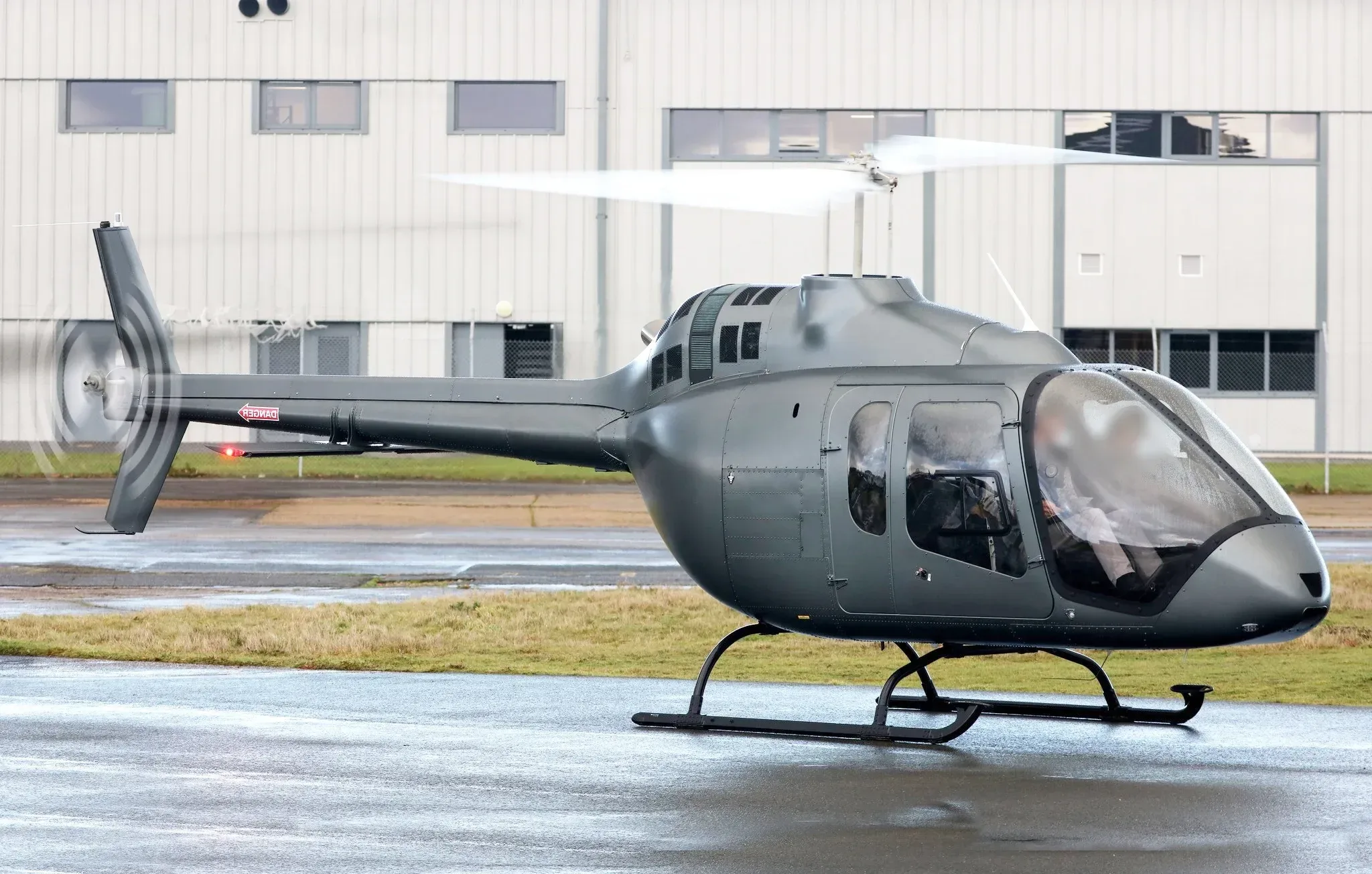

Free — save the 505 to your watchlist and track it in one place.
More BELL 505manuals & documents
- BELL 505 Model GuideModel Guide
- 505 Crew Headset, Hanger Instructions for Continuing AirworthinessMaintenance Manual
- TECHNICAL BULLETIN 505-20-23Service Bulletins
- ROTORCRAFT FLIGHT MANUALPilot's Operating Handbook
- TECHNICAL BULLETIN xxx-xx-xxxService Bulletins
- BEAR PAW, KIT FLIGHT MANUAL SUPPLEMENTFlight Manual Supplement
Related documents
- Emergencies - Heli AcademyEUROCOPTER EC120B · Checklist
- CESSNA 172S including G1000 Avionics NORMAL & EMERGENCY PROCEDURES CHECKLISTCESSNA 172S SKYHAWK SP · Emergency Procedures
- Cessna C-172S (Nav III) Normal ChecklistCESSNA 172S Skyhawk · Checklist
- Cessna C-172S (Nav III) Normal ChecklistCESSNA 172S SKYHAWK SP · Checklist
- Cabri G2 HB-ZTYGUIMBAL CABRI G2 · Checklist
If you fly the BELL 505, you may also be researching these.





In this document
Engine Out Procedures
Control heading and maintain vertical descent in hover; in flight, maintain NR and IAS within specified ranges.
Engine Underspeed
Set collective to maintain NR/NP and confirm throttle position.
Engine Overspeed
Adjust collective to maintain NR/NP and fly to a suitable landing site if able.
Tail Rotor Malfunctions
Establish level flight and verify pedal authority; adjust power and airspeed as necessary.
Electrical Failures
Use standby instruments and land as practical; monitor electrical load and respond accordingly.
Total Electrical Failure
Attempt to restore power and use standby instruments; land as possible.
Summary written by AI from the source document. Check the original before relying on it. See which parts of Sprinkle are written by AI.
Safety notes
- Only checks & procedures in the RFM are approved.
- Monitor PSI for possible decrease in power margin.
- Land as practical in case of engine oil pressure or temperature issues.
- In case of electrical overload, reduce electrical load immediately.
- If unable to maintain level flight due to tail rotor failure, enter autorotation.
- In case of engine fire, land as possible and evacuate the helicopter.
Summary written by AI from the source document. Check the original before relying on it. See which parts of Sprinkle are written by AI.
Full document text
EMERGENCY PROCEDURES Bell 505 HS – Emergency Procedures Bell 505 Iss 1 / Rev 0 Only checks & procedures in the RFM are approved. Page 1 ENGINE OUT. voice message IN HOVER • Control HDG – Vertical Descent – ROD IN FLIGHT • Control HDG – 90-111% NR – IAS 60-100 KIAS RESTART • Min ROD ....................... Airspeed 50 KIAS / 90 NR • BLEED AIR ................... OFF • THROTTLE ................... FLY • ENGINE ........................ OFF, then START/RUN • Start sequence .............. CONFIRM initiated automatically when NG < 8% • PSI ................................ MONITOR starting limitations • ENG OIL PRESS .......... CHECK • THROTTLE ................... CONFIRM FLY / 104% NR ENGINE UNDERSPEED PSI DEcreasing NR / NP DEcreasing Power required to maintain level flight at 60 KIAS • COLLECTIVE................ SET to maintain ³ 97% NR/NP • THROTTLE ................... CONFIRM FLY • Able to maintain NP/NR ? ¿ UNABLE ................. Enter AR ¿ ABLE....................... LAND ASA PRACTICAL ENGINE OVERSPEED PSI INcreasing NR / NP INcreasing Power required to maintain level flight at 60 KIAS • COLLECTIVE................ SET to maintain £ 105% NR/NP • IF able to maint. flight.... Fly to suitable landing site • ENGINE ........................ OFF, enter AR COMPRESSOR STALL Engine pops High / erratic NP/NR PSI oscillations • COLLECTIVE................ REDUCE power, maintain 60 KIAS • PSI ................................ CHECK for normal indications • BLEED AIR .................. ON • COLLECTIVE................ INCREASE SLOWLY to achieve desired power level, if possible • PSI ................................ MONITOR for normal response • LAND ASA PRACTICAL If engine condition deteriorates • Engine still pops ............ Enter AR (LAND ASA POSSIBLE) • THROTTLE ................... IDLE • ENGINE ........................ OFF ENGINE HOT START PSI needle increases rapidly during start • ENGINE ........................ OFF • WHEN NG £ 10% ......... CRANK until MGT @ normal temp • ENGINE ........................ OFF .ENGINE OIL. PSI LOW. ENG OIL PRESS < MIN • COLLECTIVE................ REDUCE power, maintain 60 KIAS • ENG OIL ....................... MONITOR PRESS and TEMP • LAND ASA PRACTICAL If ENG OIL PRESS further decreases • LAND ASA POSSIBLE .ENGINE OIL. .PSI HI. ENG OIL PRESS > MAX • ENG OIL ....................... MONITOR PRESS and TEMP • LAND ASA PRACTICAL EMERGENCY PROCEDURES Bell 505 HS – Emergency Procedures Bell 505 Iss 1 / Rev 0 Only checks & procedures in the RFM are approved. Page 2 .ENG OIL TEMP. ENG OIL TEMP > 110°C • COLLECTIVE................ REDUCE power, maintain 60 KIAS • ENG OIL ....................... MONITOR PRESS and TEMP • LAND ASA PRACTICAL If ENG OIL TEMP further increases • LAND ASA POSSIBLE DRIVESHAFT FAILURE Left yaw Rapid decrease NR Moment. increase NP .RPM. audio / light Increased noise level • CONTROLS .................. Maintain HDG and attitude • COLLECTIVE................ Adjust 90-111% NR • CYCLIC ......................... 60 KIAS (50-70 KIAS) • THROTTLE ................... KEEP in FLY position • LANDING ...................... IN AUTOROTATION • After Landing................. SHUT DOWN ENGINE ECU FAIL. voice message DURING START • ENGINE ........................ OFF • MGT .............................. MONITOR • If MGT excessive .......... CRANK when NG < 10% • ENGINE ........................ OFF ON GROUND (NR fluctuations inversely to collective input, frozen fuel flow) • ENGINE ........................ OFF INFLIGHT • COLLECTIVE................ Adjust 97 – 105% NR/NP • Able to maintain level flight: LAND ASA PRACTICAL • Prepare for POWER OFF landing • If ENG switch not functional: use EMERG FUEL SHUT OFF .IBF CLOGGED. ABLE to avoid contaminated atmospheric conditions • Avoid rapid power changes • MONITOR PSI for possible decrease in power margin available UNABLE to avoid contaminated atmospheric conditions, or power available decreasing • LAND ASA POSSIBLE .ENGINE FIRE. voice message ON GROUND Smoke, fumes • ENGINE ........................ OFF • GEN .............................. OFF • BATT ............................. OFF • ROTOR BRAKE ............ ENGAGE • EVACUATE HELICOPTER IN FLIGHT Smoke, fumes Erratic ENG indications • FIRE CONFIRMED ....... LAND ASA POSSIBLE • ENTER AR .................... 60 – 100 KIAS / 90-111% NR • ENGINE ........................ OFF • EMERG FUEL SHUTOFF...... CLOSE • GEN .............................. OFF • BATT ............................. OFF FIRE SMOKE FUMES COCKPIT / CABIN • DESCENT ..................... INITIATE, LAND ASA POSSIBLE • VENT / WINDOWS ....... OPEN • BLEED AIR ................... CLOSE • If time permits ............... Identify source, use fire extinguisher EMERGENCY PROCEDURES Bell 505 HS – Emergency Procedures Bell 505 Iss 1 / Rev 0 Only checks & procedures in the RFM are approved. Page 3 ELECTRICAL FIRE Fire, smoke, fumes Abnormal AMP indication • DESCENT ..................... INITIATE, LAND ASA POSSIBLE • VENT / WINDOWS ....... OPEN • BLEED AIR ................... CLOSE • If time permits ............... INFORM PASSENGERS • GEN .............................. OFF • BATT ............................. OFF • STANDBY INSTR ......... USE (VNE placard) • AFTER LANDING ......... USE EMERG FUEL SHUTOFF TAIL ROTOR MAL- FUNCTIONS General Malfunctions involving the anti-torque system: 1. Drive system failure 2. A failure leading to fixed T/R pitch 3. T/R cable failure Establish 90 KIAS level flight. Verify T/R pedal authority by gently applying left and right pedal inputs in sequence. COMPLETE LOSS OF T/R THRUST The left and right pedals can be moved freely without any yaw response from the aircraft. IN HOVER • THROTTLE ................... IDLE, HOVER AR LANDING IN FLIGHT • If UNABLE to maintain level flight ¿ AUTOROTATION ............ ENTER (90-111% NR, 60-100 KIAS) ¿ MINIMUM AIRSPEED ..... 40 KIAS ¿ THROTTLE ...................... IDLE
Show full textShow less
• If ABLE to maintain level flight & reach suitable landing site ¿ . Do approach while maintaining left yaw on final approach, maintain helicopter in a mild flare ¿ . Land with forward airspeed and minimal sideslip RIGHT T/R CABLE FAILURE The right pedal authority is lost; left pedal authority is available • Adjust power and airspeed to a value where a comfortable yaw angle can be maintained • Fly to nearest suitable landing area • Do approach while maintaining left yaw • On final approach, decrease airspeed and increase power while applying left pedal to maintain minimum sideslip • Maintain minimum sideslip and land with forward speed LEFT T/R CABLE FAILURE The left pedal authority is lost; right pedal authority is available • Adjust power and airspeed to a value where a comfortable yaw angle can be maintained • Fly to nearest suitable landing area • THROTTLE ................... IDLE • AUTOROTATION ......... ENTER (90-111% NR, 60-100 KIAS) EMERGENCY PROCEDURES Bell 505 HS – Emergency Procedures Bell 505 Iss 1 / Rev 0 Only checks & procedures in the RFM are approved. Page 4 FIXED PITCH T/R FAILURE T/R pedals cannot be moved. Establish MCP level flight, verify sideslip indicator to assess condition and severity of the fixed pitch failure. IN HOVER • Slightly reduce COLLECTIVE and land • If severe right yaw occurs: - THROTTLE ........... IDLE - Before touchdown . raise COLLECTIVE to cushion landing IN FLIGHT LEFT PEDAL APPLIED • Adjust power and airspeed to a value where a comfortable yaw angle can be maintained • Do approach while maintaining left yaw • On final approach, decrease airspeed and increase power to eliminate sideslip • Maintain minimum sideslip and land with forward speed, if necessary IN FLIGHT RIGHT PEDAL APPLIED • Adjust power and airspeed to a value where a comfortable yaw angle can be maintained • Do approach while maintaining left yaw • On final approach, decrease airspeed and increase power to eliminate sideslip • Maintain minimum sideslip and land with forward speed, if necessary • If right yaw becomes excessive: - THROTTLE ........... IDLE - Perform a HOVER AR landing HYDRAULIC FAILURE Possibly uncommanded manoeuvres High flight control forces • ATTITUDE .................... MAINTAIN • HYD SYS ...................... OFF • AIRSPEED .................... 50-80 KIAS (100 KIAS possible to extend flight) • LAND ASA PRACTICAL .. Run-on landing ca. 15 KIAS, hard surface .GEN. AMP 0 A VOLT < 28V • GEN .............................. OFF, then ON If GEN not restored: • GEN .............................. OFF • LAND ASA PRACTICAL (ca. 33min ELEC power available) .GEN. .OVERLOAD. AMP excessive load • Electrical load................ REDUCE If overload situation persists: • GEN .............................. OFF • LAND ASA PRACTICAL (ca. 33min ELEC power available) MFD / PFD FAIL MFD failed • REV............................... Select PFD REV • LAND ASA PRACTICAL PFD failed • REV............................... Select MFD REV • .MFD REV. .................... Displayed • LAND ASA PRACTICAL EMERGENCY PROCEDURES Bell 505 HS – Emergency Procedures Bell 505 Iss 1 / Rev 0 Only checks & procedures in the RFM are approved. Page 5 ADAHRS failures ASI, ALT, VSI, OAT, ATT, HDG may not be available (X) • STANDBY INSTR ......... USE • LAND ASA PRACTICAL GIA FAILURE COM1, NAV1 and GPS1 crossed out (X) • Secondary failures not displayed – refer to Table 3-5 • COM / NAV ................... USE COM2 / NAV2 • LAND ASA PRACTICAL GEA FAILURE FUEL QT, XMSN OIL PRESS/TEMP, GEN AMPS, BUS VOLT crossed out (X) • Secondary failures not displayed – refer to Table 3-5 • LAND ASA PRACTICAL TOTAL ELEC FAILURE ECU maintains 104% NP All instruments OFF except STBY instrument • BATT ............................. OFF, then ON • GEN .............................. OFF, then ON If electrical power not restored: • STBY INSTR ................. USE (refer to VNE placard) • LAND ASA POSSIBLE • For ENG shutdown after landing, use EMERG FUEL SHUTOFF, if ENG switch not functional GMA failure Audio alerts only audible from RH seat audio • If flying from LEFT seat ..... MONITOR CAS messages • LAND ASA POSSIBLE