Cessna 172 Skyhawk Model Guide
Cessna 172 Skyhawk · Model Guide
Overview
The Cessna 172 Skyhawk is a four-seat, single-engine piston airplane built since 1956 and still listed as in production. Engines and equipment vary a lot by year: the 1972 manual shows a 150 hp Lycoming, and the 1964 manual shows a 145 hp Continental. Check the exact year and engine of any airplane you consider.
- Cessna 172 Skyhawk: 4 seats, piston engine, in production since 1956, with listed range of 640 nm.
- The 1972 manual lists a 2300 lbs gross weight and 120 lbs of baggage.
- The 1972 manual lists 42 gal standard fuel, with 52 gal long-range tanks optional.
- Engine and performance figures differ by year, so match the manual to the airplane.
Summary written by AI from the source document. Check the original before relying on it. See which parts of Sprinkle are written by AI.
Reference only, not for flight. Use the current approved manual for your aircraft. See terms, section 5.
Document
Source
Copy found at sprinkle.com. Sprinkle hosts a reference copy with an added summary, specifications and searchable full text.
Document details
- Type ·
- Model Guide
- Year ·
- 2026
- File size ·
- 49 KB
- Copy found at ·
- sprinkle.com
Specifications & performance
Extracted from this document.
Specifications
- Seats ·
- 4
- Range (nm) ·
- 640
- Engine power (hp) ·
- 150
- Fuel capacity (gal) ·
- 42
- Baggage capacity (lb) ·
- 120
Performance
- Range (nm) ·
- 640
- Rate of climb (fpm) ·
- 645
- Service ceiling (ft) ·
- 13,100
- Takeoff distance (ft) ·
- 1,630
- Takeoff ground run (ft) ·
- 865
Weight & balance
- Gross weight (lb) ·
- 2,300
- Baggage capacity (lb) ·
- 120
How many people does the Cessna 172 Skyhawk seat?
The Cessna 172 Skyhawk seats 4 people, according to the model library data.
How far can the Cessna 172 Skyhawk fly?
The model library lists a range of 640 nm for the Cessna 172 Skyhawk. The 1972 manual lists 42 gal of fuel in standard tanks and 52 gal in optional long-range tanks.
What engine does the Cessna 172 Skyhawk have?
It depends on the year. The 1972 manual lists a 150 HP Lycoming O-320-E2D. The 1964 manual lists a 145 HP Continental O-300. Verify the engine of the specific Cessna 172 Skyhawk you are considering.
What is the Cessna 172 Skyhawk Model Guide?
The Cessna 172 Skyhawk Model Guide is a model guide for the Cessna 172 Skyhawk, dated 2026.
What year was the Cessna 172 Skyhawk Model Guide published?
The Cessna 172 Skyhawk Model Guide — the Cessna 172 Skyhawk model guide on file — is dated 2026.
Common. One of the most common aircraft types we track.
Full essential library on file for the Cessna 172 Skyhawk.
Cessna 172 Skyhawk for sale now
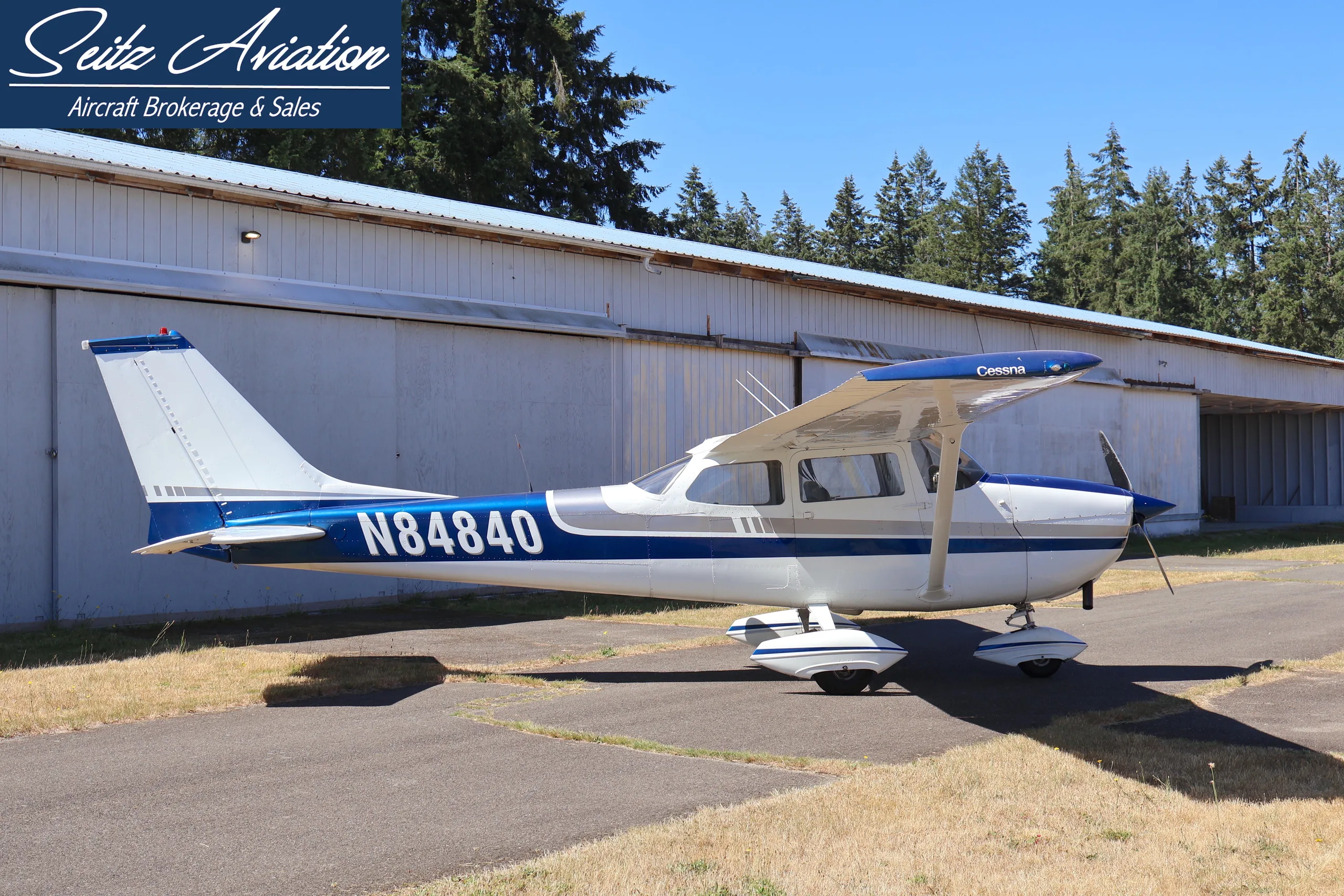
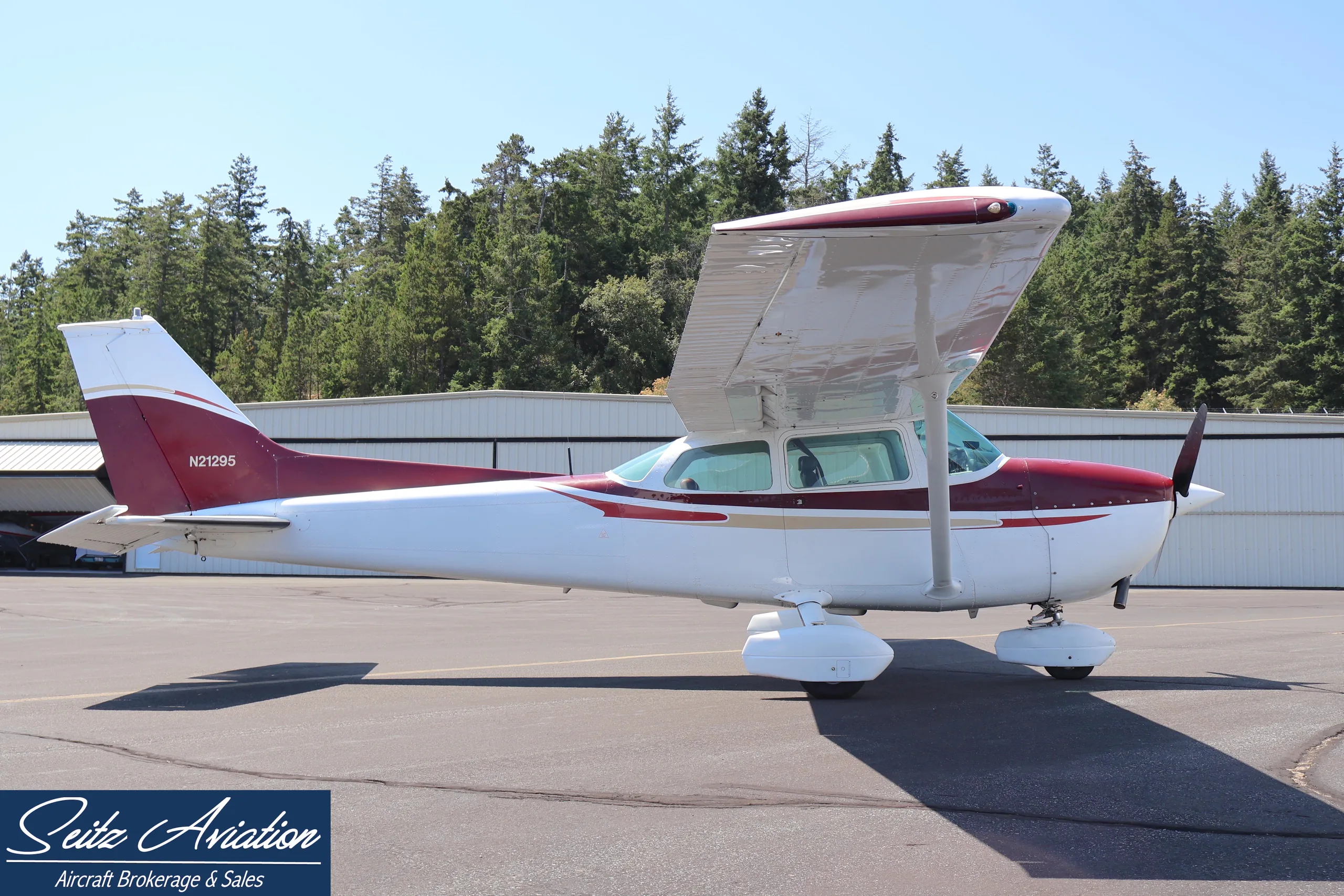
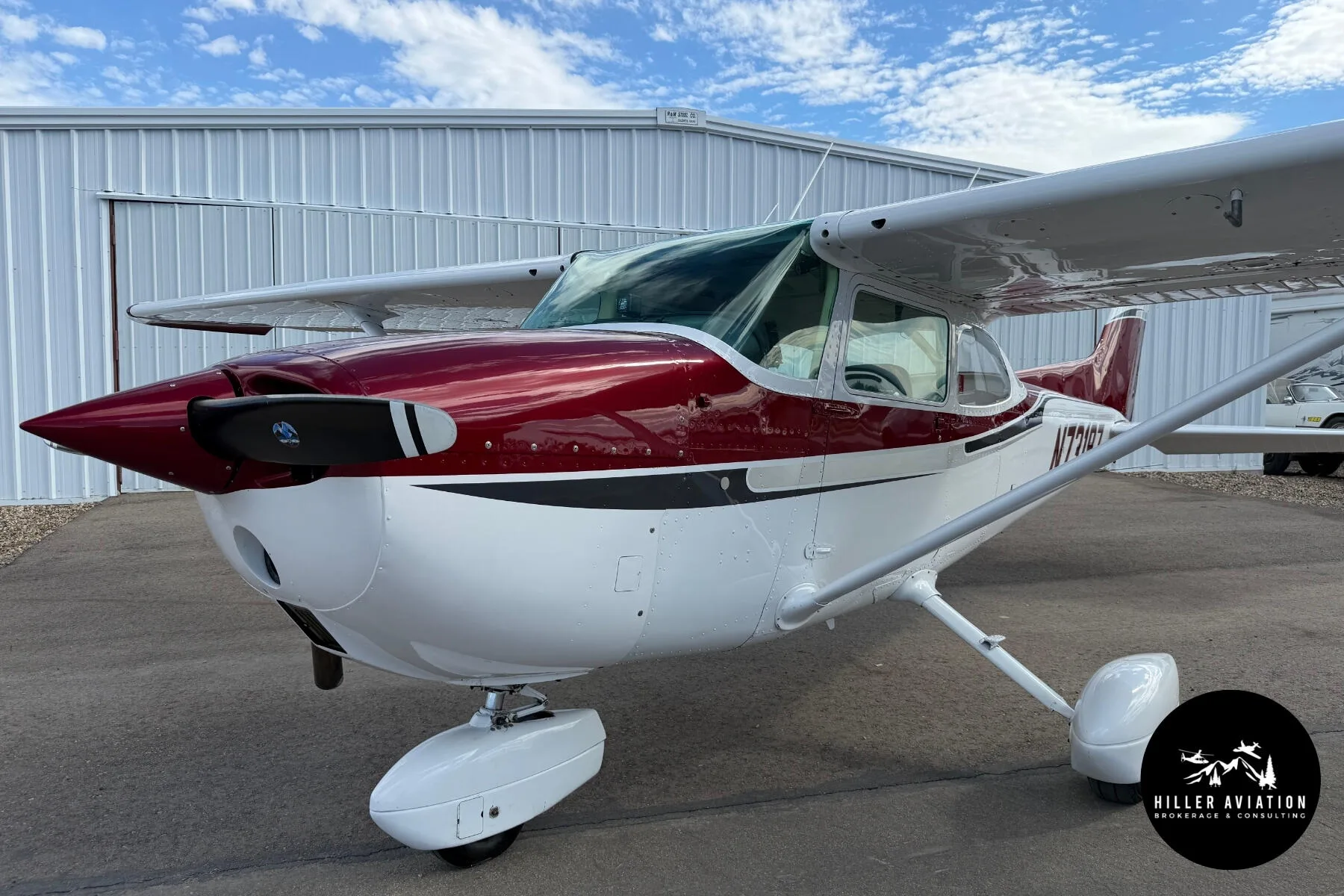
Free — save the 172 to your watchlist and track it in one place.
More Cessna 172 Skyhawkmanuals & documents
See all 23 →- Cessna 172 Training SupplementTraining Manual
- Cessna 172 Aircraft ExamSupplemental Type Certificate
- SkyView Airplane Flight Manual SupplementFlight Manual
- SkyView HDX System Fuel Flow Sensor and Mounting Bracket Installation GuideAvionics Manual
- Rev: G Vizion Install Appendix A C172F-RWiring Diagrams
- Garmin G1000 NXi Pilot’s Guide for the Cessna Nav IIIV Speeds Reference
- Textron Aviation Safety InitiativeAirworthiness Directives
- Garmin G1000 NXi Pilot’s Guide for the Cessna Nav IIIV Speeds Reference
- CESSNA 172S SKYHAWK NORMAL CHECKLISTSChecklist
- AAIB Bulletin: 8/2016Service Bulletins
- Service Bulletin No. / Date: TM TAE 000-0007, Revision 28 / February 05, 2015Service Bulletins
- Garmin G1000 Pilot’s Guide for Cessna Nav IIISystems Description
Related documents
- CESSNA 172K Skyhawk Model GuideCESSNA 172K Skyhawk · Model Guide
- CESSNA 172L SKYHAWK Model GuideCESSNA 172L SKYHAWK · Model Guide
- CESSNA 172S Skyhawk Model GuideCESSNA 172S Skyhawk · Model Guide
- CESSNA 172P SKYHAWK Model GuideCESSNA 172P SKYHAWK · Model Guide
- CESSNA 172E SKYHAWK Model GuideCESSNA 172E SKYHAWK · Model Guide
If you fly the Cessna 172 Skyhawk, you may also be researching these.


In this document
Performance (1972 manual)
The 1972 owner's manual lists a 645 fpm sea-level climb rate, a 13,100 ft service ceiling and an 865 ft takeoff ground run. The library figure for takeoff distance is 1630 ft, while the manual gives 1525 ft over a 50-foot obstacle. Treat these as new-airplane figures, not what a worn example will do.
Engines across the years
The 1972 manual lists a Lycoming O-320-E2D with 150 rated HP at 2700 RPM. The 1964 manual lists a Continental O-300 with 145 HP. A float-equipped 1968 example in the training documents has a 180 HP Lycoming O-360. G1000 Nav III documents cover the 172R and 172S, so confirm which engine and avionics you are buying.
What to check on inspection
The older manuals' walk-around says to check oil level and not to operate with less than six quarts. They also call for draining the fuel strainer, checking tires and the nose strut, and checking pitot, static and fuel vent openings for stoppage. The 172S checklist has a different oil minimum, so use the manual for your specific airplane.
Safety notes
- The AOPA Air Safety Foundation booklet says forty percent of serious Skyhawk accidents occur in the first 200 hours of pilot total time.
- The same booklet says night flying and marginal weather increase accident risk. Get a weather briefing and plan an alternate course of action.
- Oil minimums differ between manuals (six quarts in older manuals, over 4 qts in the 172S checklist). Follow the manual for the airplane in question.
Full document text
Cessna 172 Skyhawk Model Guide The Cessna 172 Skyhawk is a four-seat, single-engine piston airplane built since 1956 and still listed as in production. Engines and equipment vary a lot by year: the 1972 manual shows a 150 hp Lycoming, and the 1964 manual shows a 145 hp Continental. Check the exact year and engine of any airplane you consider. • Cessna 172 Skyhawk: 4 seats, piston engine, in production since 1956, with listed range of 640 nm. • The 1972 manual lists a 2300 lbs gross weight and 120 lbs of baggage. • The 1972 manual lists 42 gal standard fuel, with 52 gal long-range tanks optional. • Engine and performance figures differ by year, so match the manual to the airplane. Performance (1972 manual) The 1972 owner's manual lists a 645 fpm sea-level climb rate, a 13,100 ft service ceiling and an 865 ft takeoff ground run. The library figure for takeoff distance is 1630 ft, while the manual gives 1525 ft over a 50-foot obstacle. Treat these as new-airplane figures, not what a worn example will do. Engines across the years The 1972 manual lists a Lycoming O-320-E2D with 150 rated HP at 2700 RPM. The 1964 manual lists a Continental O-300 with 145 HP. A float-equipped 1968 example in the training documents has a 180 HP Lycoming O-360. G1000 Nav III documents cover the 172R and 172S, so confirm which engine and avionics you are buying. What to check on inspection The older manuals' walk-around says to check oil level and not to operate with less than six quarts. They also call for draining the fuel strainer, checking tires and the nose strut, and checking pitot, static and fuel vent openings for stoppage. The 172S checklist has a different oil minimum, so use the manual for your specific airplane. Safety notes: • The AOPA Air Safety Foundation booklet says forty percent of serious Skyhawk accidents occur in the first 200 hours of pilot total time. • The same booklet says night flying and marginal weather increase accident risk. Get a weather briefing and plan an alternate course of action. • Oil minimums differ between manuals (six quarts in older manuals, over 4 qts in the 172S checklist). Follow the manual for the airplane in question.