CESSNA 172K Skyhawk Model Guide
CESSNA 172K Skyhawk · Model Guide
Overview
The CESSNA 172K Skyhawk is a single-engine, high-wing piston aircraft. Its handbook lists a 150 hp Lycoming O-320-E2D engine and a 2300 lbs gross weight, with a fixed-pitch propeller. An accident report lists 4 occupants for a 172K. This guide uses the 172K owner's manual, a 172K checklist and a 172K accident report.
- Handbook gross weight is 2300 lbs for takeoff and landing, with 120 lbs of baggage allowed.
- Power is a Lycoming O-320-E2D rated at 150 hp at 2700 RPM, running on 80/87 minimum grade avgas.
- Fuel is 42 gal total (38 usable) in standard tanks, or 52 gal total (48 usable) with long-range tanks.
- An accident report on a 172K found water in the fuel system caused engine failure. Check the fuel drains and fuel history.
Summary written by AI from the source document. Check the original before relying on it. See which parts of Sprinkle are written by AI.
Reference only, not for flight. Use the current approved manual for your aircraft. See terms, section 5.
Document
Source
Copy found at sprinkle.com. Sprinkle hosts a reference copy with an added summary, specifications and searchable full text.
Document details
- Type ·
- Model Guide
- Year ·
- 2026
- File size ·
- 51 KB
- Copy found at ·
- sprinkle.com
Specifications & performance
Extracted from this document.
Specifications
- Engine power (hp) ·
- 150
- Baggage capacity (lb) ·
- 120
- Fuel total standard (gal) ·
- 42
- Fuel usable standard (gal) ·
- 38
- Fuel total long range (gal) ·
- 52
- Propeller diameter (in) ·
- 76
- Fuel usable long range (gal) ·
- 48
Performance
- Landing roll (ft) ·
- 520
- Service ceiling (ft) ·
- 13,100
- Takeoff ground run (ft) ·
- 865
- Rate of climb sea level (fpm) ·
- 645
- Landing over 50ft obstacle (ft) ·
- 1,250
- Takeoff over 50ft obstacle (ft) ·
- 1,525
V-speeds
- VA_KTS ·
- 106
- VR_KTS ·
- 55
- VX_KTS ·
- 60
- VY_KTS ·
- 70
- VFE_KTS ·
- 87
- VNO_KTS ·
- 122
- VS1_KTS ·
- 50
- VSO_KTS ·
- 43
Weight & balance
- Baggage capacity (lb) ·
- 120
- Max landing weight (lb) ·
- 2,300
- Max takeoff weight (lb) ·
- 2,300
- Fuel weight per gal (lb) ·
- 6
- Utility category weight (lb) ·
- 2,000
What engine does the CESSNA 172K Skyhawk use?
The CESSNA 172K Skyhawk manual lists a Lycoming O-320-E2D rated at 150 hp at 2700 RPM. It drives a fixed-pitch propeller 76 inches in diameter and needs 80/87 minimum grade aviation fuel.
How much fuel can the CESSNA 172K Skyhawk carry?
The CESSNA 172K Skyhawk holds 42 gal total (38 usable) in standard tanks. Optional long-range tanks give 52 gal total (48 usable). Fuel weighs 6 lbs per gallon in the loading example.
What are the key speeds for the CESSNA 172K Skyhawk?
The CESSNA 172K Skyhawk checklist lists rotation at 55 kts, best angle climb (Vx) at 60 kts and best rate climb (Vy) at 70 kts. Flaps-extended speed (Vfe) is 87 kts and maneuvering speed (Va) is 106 kts.
What is the main safety lesson from the CESSNA 172K Skyhawk accident report?
The report on a CESSNA 172K Skyhawk training aircraft found water contamination in the fuel system caused a total loss of engine power after takeoff. Buyers should check fuel drains, fuel servicing history and maintenance records.
What is the CESSNA 172K Skyhawk Model Guide?
The CESSNA 172K Skyhawk Model Guide is a model guide for the CESSNA 172K Skyhawk, dated 2026.
What year was the CESSNA 172K Skyhawk Model Guide published?
The CESSNA 172K Skyhawk Model Guide — the CESSNA 172K Skyhawk model guide on file — is dated 2026.
Common. One of the most common aircraft types we track.
Most owners only have the POH. Here's the essential set for the CESSNA 172K Skyhawk.
- Pilot's Operating Handbook / AFM
- Checklist
- Maintenance Manual
- Parts Catalog (IPC)
- Systems & Wiring
- Service Bulletins on file
- Type Certificate (TCDS)
CESSNA 172K Skyhawk for sale now
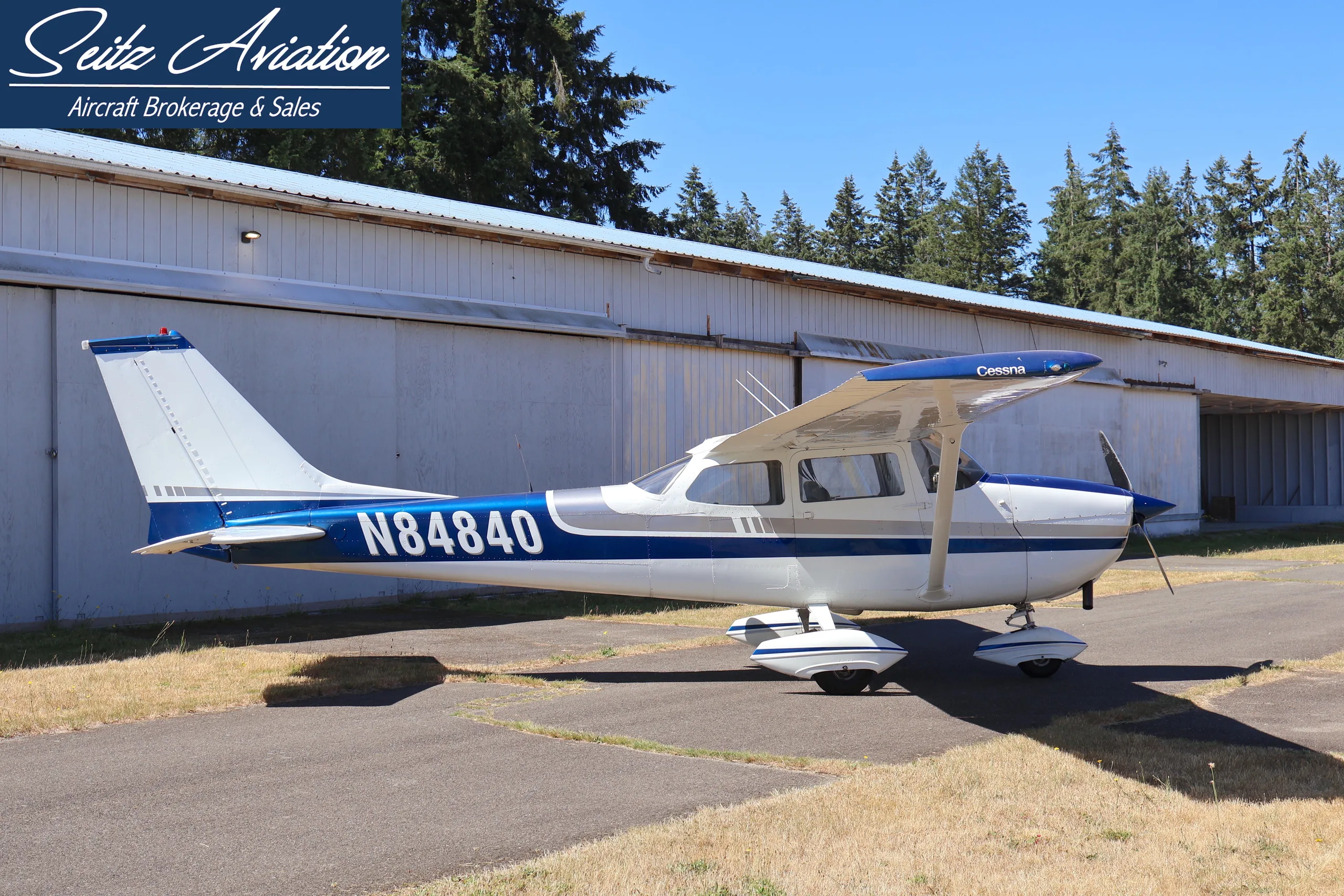
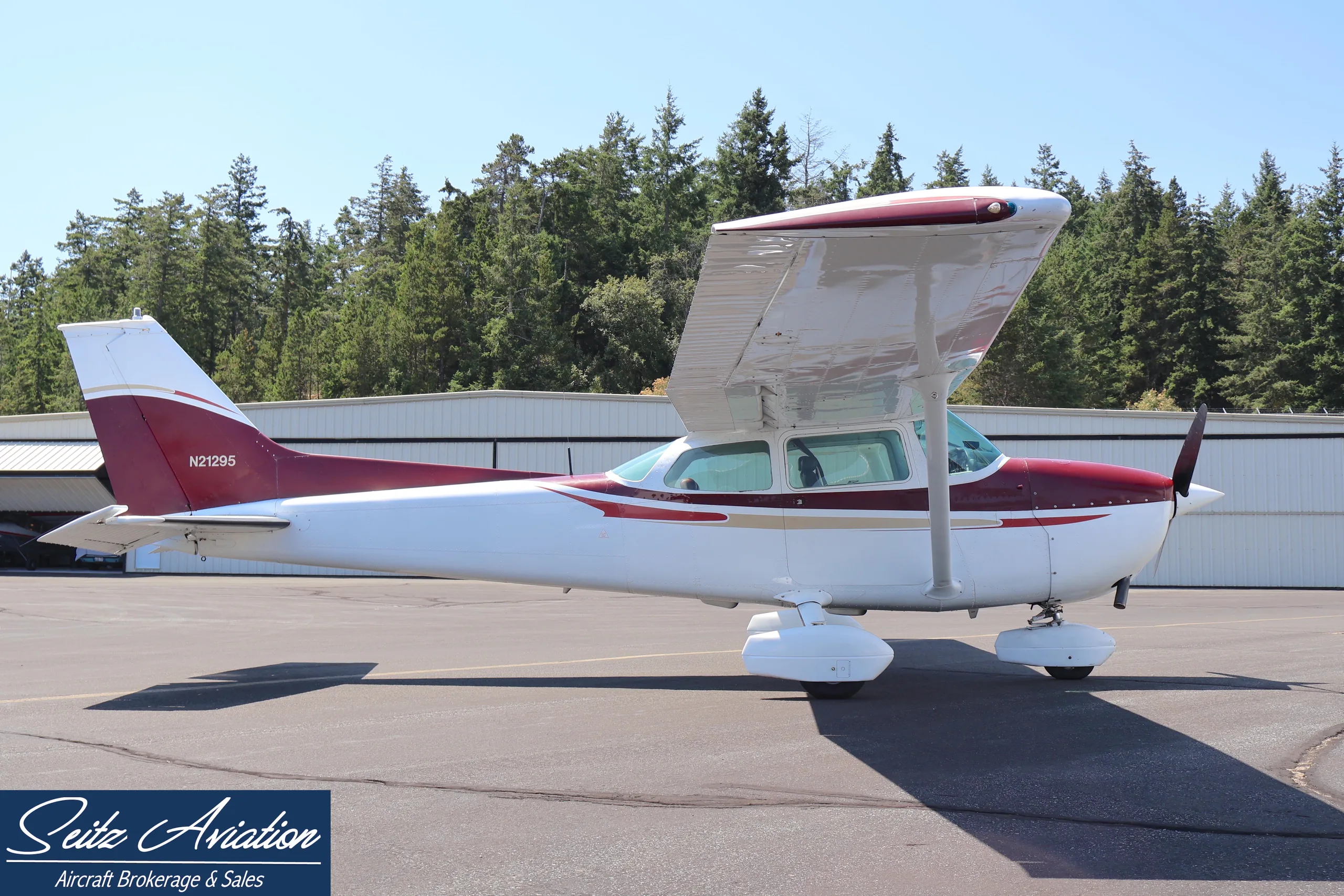
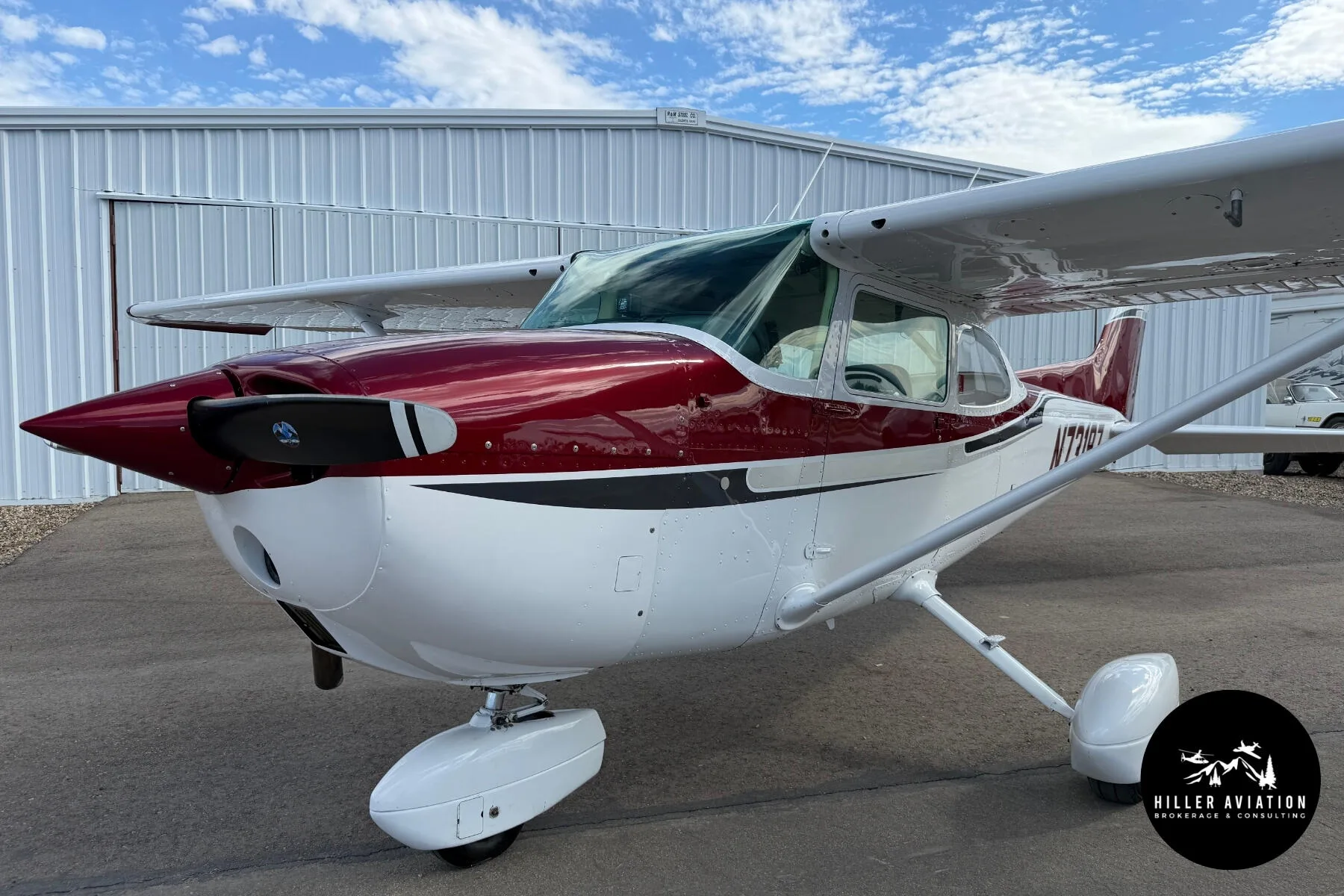
Free — save the 172 to your watchlist and track it in one place.
More CESSNA 172K Skyhawkmanuals & documents
Related documents
- Cessna 172 Skyhawk Model GuideCessna 172 Skyhawk · Model Guide
- CESSNA 172P SKYHAWK Model GuideCESSNA 172P SKYHAWK · Model Guide
- CESSNA 172L SKYHAWK Model GuideCESSNA 172L SKYHAWK · Model Guide
- CESSNA 172S Skyhawk Model GuideCESSNA 172S Skyhawk · Model Guide
- CESSNA 172E SKYHAWK Model GuideCESSNA 172E SKYHAWK · Model Guide
If you fly the CESSNA 172K Skyhawk, you may also be researching these.


In this document
Handbook performance at 2300 lbs
Top speed at sea level is 139-140 mph. Cruise at 75% power at 9000 ft is 131-132 mph. Rate of climb at sea level is 645 fpm and service ceiling is 13,100 ft. Takeoff ground run is 865 ft (1525 ft over a 50-foot obstacle). Landing roll is 520 ft (1250 ft over 50 ft). Range is about 615-620 miles on 38 gal with no reserve.
What to check when buying
Look at the fuel quick drain valves at each wing and the nose, the fuel caps and vents, and the carburetor air filter. Check the nose strut and tire, and propeller nicks, which the manual says should be dressed out promptly. Compare engine time with the overhaul interval: the accident aircraft's engine showed 2,246 hours since new against 2,400 hours between overhaul. Confirm the weight and balance data sheet and FAA-337 changes are in the aircraft file.
Operating limits and servicing
Oil capacity is 8 qts. The manual says do not operate on less than 6 qts and fill to 7 qts for flights under 3 hours. Tachometer red line is 2700 RPM and oil pressure red line is 25 psi minimum, 100 psi maximum. An annual inspection is required, and 100-hour inspections if flown for hire. Utility category weight is 2000 lbs with the rear seat and baggage compartment empty.
Safety notes
- An accident report on a CESSNA 172K attributed a total power loss to water in the fuel system. Drain every fuel sump before the first flight of the day.
- Utility category (2000 lbs): the baggage compartment and rear seat must not be occupied, and only the listed maneuvers are approved.
- The optional carburetor air temperature gauge shows an icing range of -15° to 5°C (yellow arc). The checklist calls for carb heat on as required during descent.
Full document text
CESSNA 172K Skyhawk Model Guide The CESSNA 172K Skyhawk is a single-engine, high-wing piston aircraft. Its handbook lists a 150 hp Lycoming O-320-E2D engine and a 2300 lbs gross weight, with a fixed-pitch propeller. An accident report lists 4 occupants for a 172K. This guide uses the 172K owner's manual, a 172K checklist and a 172K accident report. • Handbook gross weight is 2300 lbs for takeoff and landing, with 120 lbs of baggage allowed. • Power is a Lycoming O-320-E2D rated at 150 hp at 2700 RPM, running on 80/87 minimum grade avgas. • Fuel is 42 gal total (38 usable) in standard tanks, or 52 gal total (48 usable) with long-range tanks. • An accident report on a 172K found water in the fuel system caused engine failure. Check the fuel drains and fuel history. Handbook performance at 2300 lbs Top speed at sea level is 139-140 mph. Cruise at 75% power at 9000 ft is 131-132 mph. Rate of climb at sea level is 645 fpm and service ceiling is 13,100 ft. Takeoff ground run is 865 ft (1525 ft over a 50-foot obstacle). Landing roll is 520 ft (1250 ft over 50 ft). Range is about 615-620 miles on 38 gal with no reserve. What to check when buying Look at the fuel quick drain valves at each wing and the nose, the fuel caps and vents, and the carburetor air filter. Check the nose strut and tire, and propeller nicks, which the manual says should be dressed out promptly. Compare engine time with the overhaul interval: the accident aircraft's engine showed 2,246 hours since new against 2,400 hours between overhaul. Confirm the weight and balance data sheet and FAA-337 changes are in the aircraft file. Operating limits and servicing Oil capacity is 8 qts. The manual says do not operate on less than 6 qts and fill to 7 qts for flights under 3 hours. Tachometer red line is 2700 RPM and oil pressure red line is 25 psi minimum, 100 psi maximum. An annual inspection is required, and 100-hour inspections if flown for hire. Utility category weight is 2000 lbs with the rear seat and baggage compartment empty. Safety notes: • An accident report on a CESSNA 172K attributed a total power loss to water in the fuel system. Drain every fuel sump before the first flight of the day. • Utility category (2000 lbs): the baggage compartment and rear seat must not be occupied, and only the listed maneuvers are approved. • The optional carburetor air temperature gauge shows an icing range of -15° to 5°C (yellow arc). The checklist calls for carb heat on as required during descent.