CESSNA 172L SKYHAWK Model Guide
CESSNA 172L SKYHAWK · Model Guide
Overview
The CESSNA 172L SKYHAWK is a single-engine piston Cessna from the 172 family, which the registry lists as seating up to 4 passengers. The 1972 equipment list shows a Lycoming O-320-E2D engine with a fixed-pitch McCauley propeller. These sources give no variant-specific cruise or range figures, so check the airplane's own POH and weight-and-balance data.
- Sample 1972 loading: 1364 lb licensed empty weight, 2300 lb total with two front, two rear occupants and baggage.
- The equipment list shows a Lycoming O-320-E2D, a fixed-pitch McCauley prop, a 60-amp alternator and a 12-volt battery.
- Family-level maxima (not this variant): up to 140 kt cruise, 700 nm range, 17000 ft ceiling.
- Confirm the engine is original or covered by an STC, and check the paperwork for alterations.
Summary written by AI from the source document. Check the original before relying on it. See which parts of Sprinkle are written by AI.
Reference only, not for flight. Use the current approved manual for your aircraft. See terms, section 5.
Document
Source
Copy found at sprinkle.com. Sprinkle hosts a reference copy with an added summary, specifications and searchable full text.
Document details
- Type ·
- Model Guide
- Year ·
- 2026
- File size ·
- 48 KB
- Copy found at ·
- sprinkle.com
Specifications & performance
Extracted from this document.
Performance
- Family max range (nm) ·
- 700
- Family max cruise speed (kt) ·
- 140
- Family max service ceiling (ft) ·
- 17,000
Weight & balance
- Unusable fuel (gal) ·
- 4
- Unusable fuel (lb) ·
- 24
- Sample baggage (lb) ·
- 13
- Sample front occupants (lb) ·
- 240
- Sample rear passengers (lb) ·
- 340
- Sample total loaded weight (lb) ·
- 2,300
- Sample licensed empty weight (lb) ·
- 1,364
What engine does the CESSNA 172L SKYHAWK use?
The 1972 equipment list for the CESSNA 172L SKYHAWK shows a Lycoming O-320-E2D with a fixed-pitch McCauley propeller. A supplemental manual also covers O-320-D2J or O-320-E2D engines modified under an STC.
How fast and how far does it fly?
These sources give no variant-specific figures for the CESSNA 172L SKYHAWK. The 172 family as a whole reaches up to 140 kt cruise, 700 nm range and a 17000 ft ceiling. Check the airplane's POH for actual numbers.
What approach speed does the checklist give?
For the CESSNA 172L SKYHAWK, the normal landing approach is 75 MPH. A short or soft-field landing uses 40° flaps and 70 MPH, and the go-around climb is 75 MPH.
What is the CESSNA 172L SKYHAWK Model Guide?
The CESSNA 172L SKYHAWK Model Guide is a model guide for the CESSNA 172L SKYHAWK, dated 2026.
What year was the CESSNA 172L SKYHAWK Model Guide published?
The CESSNA 172L SKYHAWK Model Guide — the CESSNA 172L SKYHAWK model guide on file — is dated 2026.
Common. One of the most common aircraft types we track.
Most owners only have the POH. Here's the essential set for the CESSNA 172L SKYHAWK.
- Pilot's Operating Handbook / AFM
- Checklist
- Maintenance Manual
- Parts Catalog (IPC)
- Systems & Wiring
- Service Bulletins on file
- Type Certificate (TCDS)
CESSNA 172L SKYHAWK for sale now
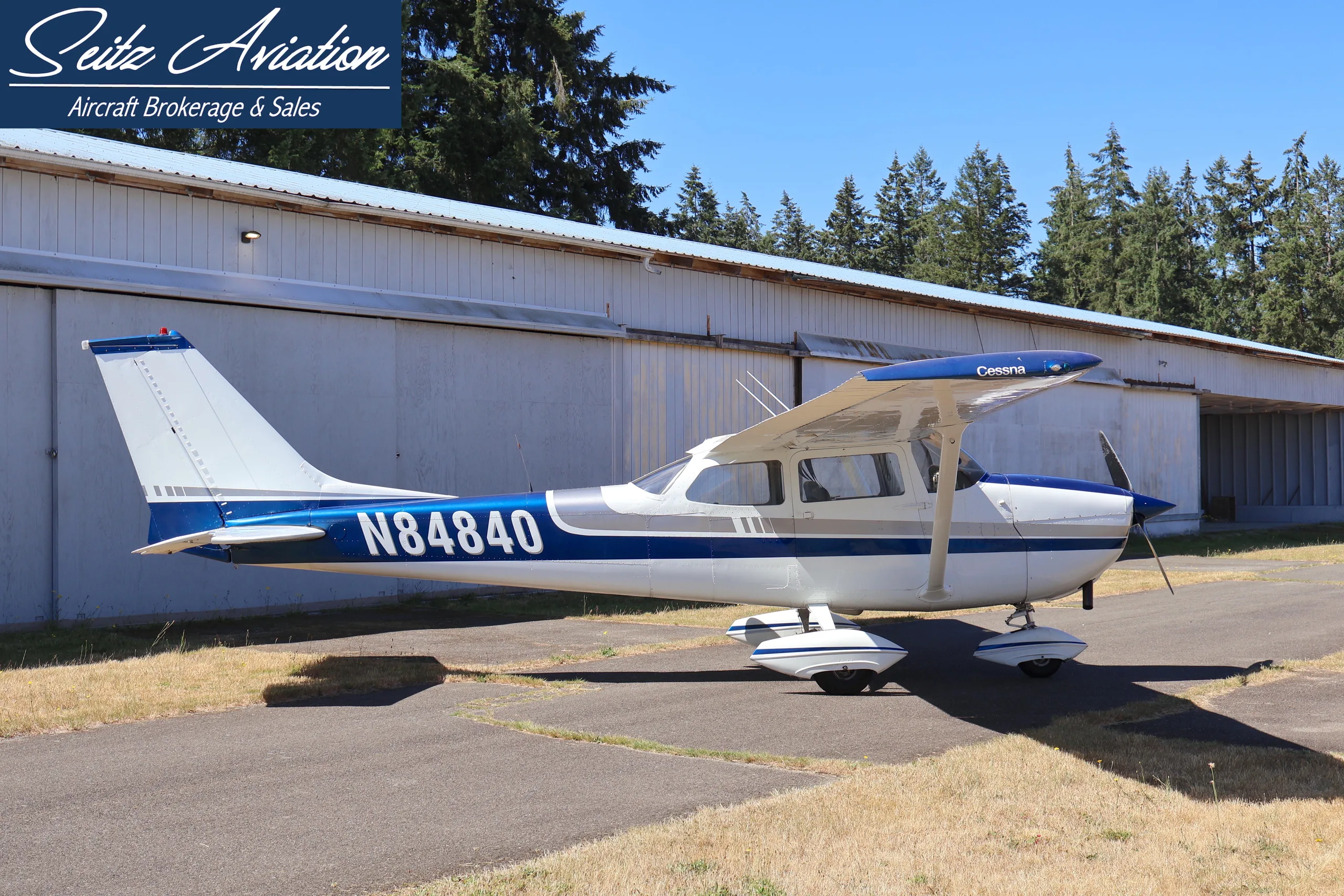
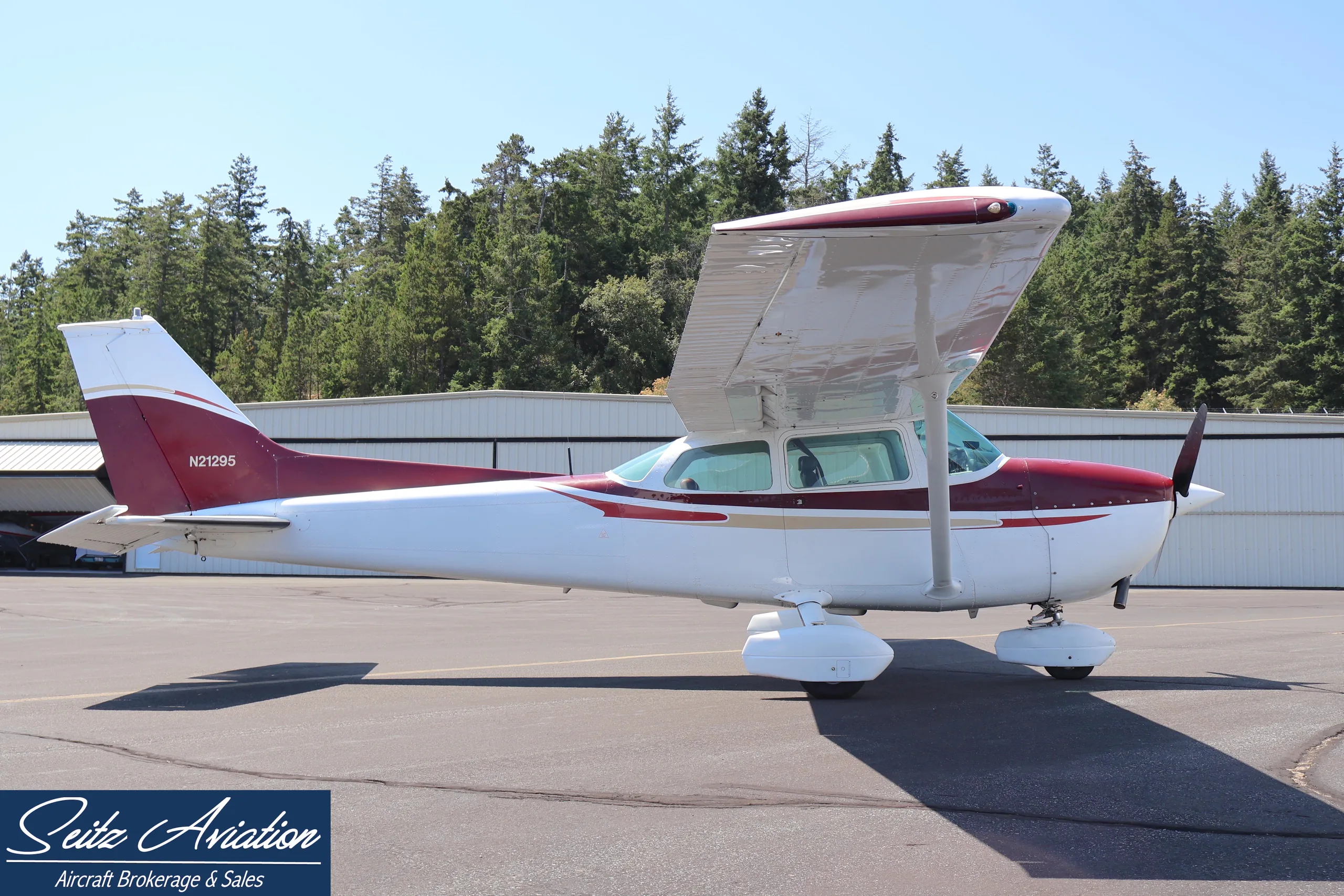
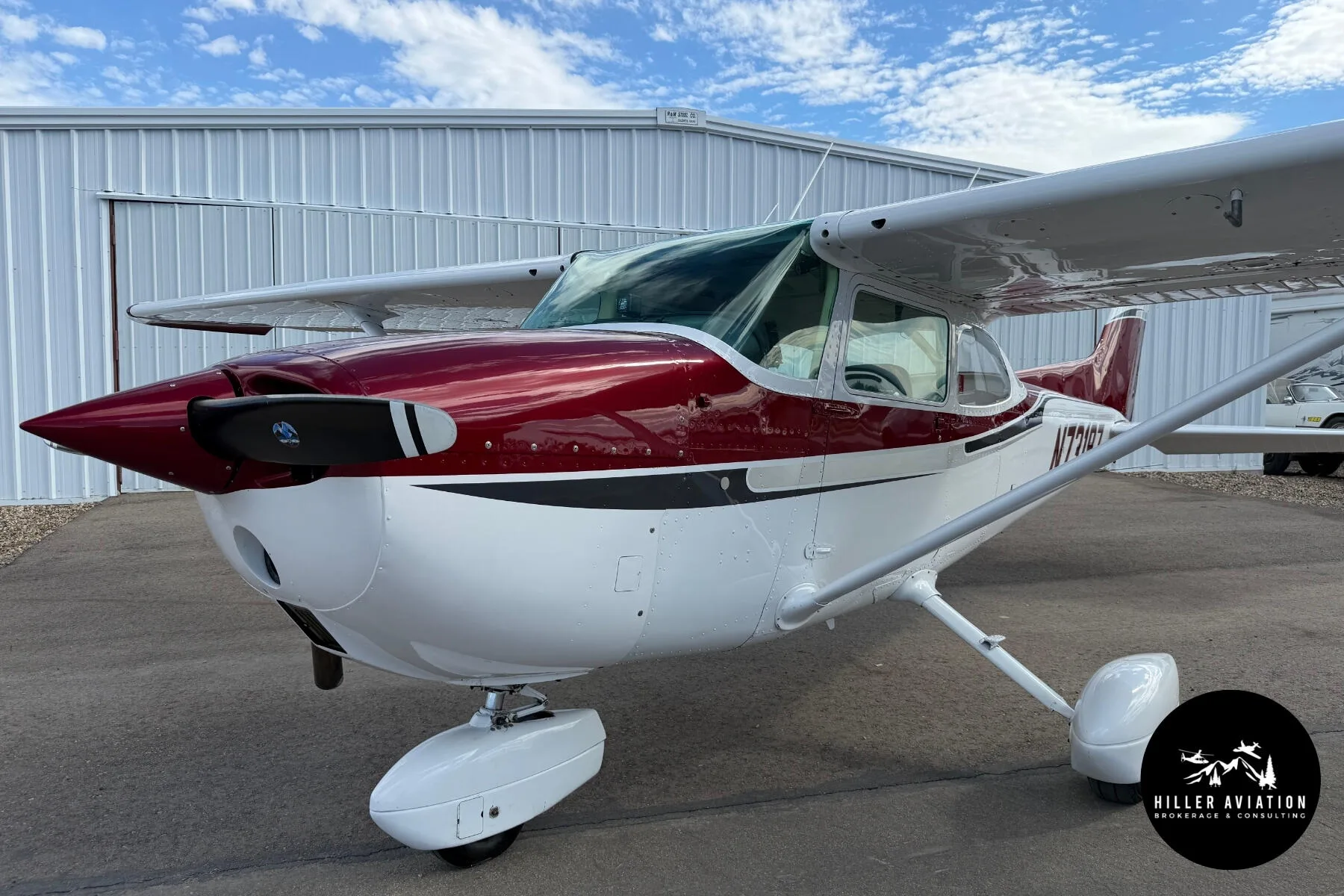
Free — save the 172 to your watchlist and track it in one place.
More CESSNA 172L SKYHAWKmanuals & documents
Related documents
- CESSNA 172E SKYHAWK Model GuideCESSNA 172E SKYHAWK · Model Guide
- CESSNA 172P SKYHAWK Model GuideCESSNA 172P SKYHAWK · Model Guide
- CESSNA 172M SKYHAWK Model GuideCESSNA 172M SKYHAWK · Model Guide
- CESSNA 172N SKYHAWK Model GuideCESSNA 172N SKYHAWK · Model Guide
- CESSNA 172R SKYHAWK Model GuideCESSNA 172R SKYHAWK · Model Guide
If you fly the CESSNA 172L SKYHAWK, you may also be researching these.


In this document
Equipment and loading
The 1972 equipment list shows a Lycoming O-320-E2D engine, a fixed-pitch McCauley propeller, a 14-volt 60-amp alternator and a 12-volt 25 amp-hour battery. The sample normal-category load is 1364 lb empty, 240 lb in front, 340 lb in the rear and 13 lb of baggage, for 2300 lb total. Unusable fuel is 4 gallons (24 lb).
Speeds and settings from the checklist
The checklist gives these figures. Normal approach is 75 MPH. A short or soft-field landing uses 40° flaps at 70 MPH. A go-around climb is 75 MPH. The engine-failure glide is 80 MPH. Runup is at 1700 RPM, and full throttle on takeoff reads 2300 RPM plus or minus 50. The preflight calls for at least 6 quarts of oil.
What to check before buying
Review the weight and balance data sheet and any FAA Form 337 for alterations. A RAM Aircraft supplemental flight manual (STC SA2375SH, dated 1987) covers O-320-D2J or O-320-E2D engines modified per an STC. It lists 150 HP continuous at 2650 RPM and 160 HP for takeoff at 2700 RPM. The documents quote wing fuel as 36/48 gallons in one place and 42/52 in another, so confirm the real capacity. Also check the vacuum reading (4.6-5.4 inches), the alternator belt and the fuel sumps.
Safety notes
- Engine fire in flight: mixture idle cut-off, fuel selector off, master off, 120 MPH or more, execute a forced landing. Do not attempt a restart.
- Electrical fire: master and avionics off, close cabin heat and vents, then use the extinguisher. Do not reset circuit breakers.
- The pilot and owner are responsible for loading the airplane properly. Use the aircraft's own licensed empty weight, arm and moment.
Full document text
CESSNA 172L SKYHAWK Model Guide The CESSNA 172L SKYHAWK is a single-engine piston Cessna from the 172 family, which the registry lists as seating up to 4 passengers. The 1972 equipment list shows a Lycoming O-320-E2D engine with a fixed-pitch McCauley propeller. These sources give no variant-specific cruise or range figures, so check the airplane's own POH and weight-and-balance data. • Sample 1972 loading: 1364 lb licensed empty weight, 2300 lb total with two front, two rear occupants and baggage. • The equipment list shows a Lycoming O-320-E2D, a fixed-pitch McCauley prop, a 60-amp alternator and a 12-volt battery. • Family-level maxima (not this variant): up to 140 kt cruise, 700 nm range, 17000 ft ceiling. • Confirm the engine is original or covered by an STC, and check the paperwork for alterations. Equipment and loading The 1972 equipment list shows a Lycoming O-320-E2D engine, a fixed-pitch McCauley propeller, a 14-volt 60-amp alternator and a 12-volt 25 amp-hour battery. The sample normal-category load is 1364 lb empty, 240 lb in front, 340 lb in the rear and 13 lb of baggage, for 2300 lb total. Unusable fuel is 4 gallons (24 lb). Speeds and settings from the checklist The checklist gives these figures. Normal approach is 75 MPH. A short or soft-field landing uses 40° flaps at 70 MPH. A go-around climb is 75 MPH. The engine-failure glide is 80 MPH. Runup is at 1700 RPM, and full throttle on takeoff reads 2300 RPM plus or minus 50. The preflight calls for at least 6 quarts of oil. What to check before buying Review the weight and balance data sheet and any FAA Form 337 for alterations. A RAM Aircraft supplemental flight manual (STC SA2375SH, dated 1987) covers O-320-D2J or O-320-E2D engines modified per an STC. It lists 150 HP continuous at 2650 RPM and 160 HP for takeoff at 2700 RPM. The documents quote wing fuel as 36/48 gallons in one place and 42/52 in another, so confirm the real capacity. Also check the vacuum reading (4.6-5.4 inches), the alternator belt and the fuel sumps. Safety notes: • Engine fire in flight: mixture idle cut-off, fuel selector off, master off, 120 MPH or more, execute a forced landing. Do not attempt a restart. • Electrical fire: master and avionics off, close cabin heat and vents, then use the extinguisher. Do not reset circuit breakers. • The pilot and owner are responsible for loading the airplane properly. Use the aircraft's own licensed empty weight, arm and moment.