CESSNA 172H Model Guide
CESSNA 172H · Model Guide
Overview
CESSNA 172H is a single-engine piston Cessna 172 variant. The registry also lists it as a USAF T-41A. The 172 family seats up to 4 passengers, with family-level maxima of 140 kt cruise, 700 nm range and a 17000 ft ceiling. The sources give few figures specific to the 172H, so check weights and performance against the airplane's own flight manual.
- Family-wide maxima (all 172 variants, not the 172H alone): up to 4 passengers, 140 kt cruise, 700 nm range, 17000 ft ceiling.
- The 172H checklist gives rotate at 60 MPH, Vx about 68 MPH, Vy about 80 MPH, and best glide 80 mph.
- Textron service letter SEL-28-10 lists the 172H for a mandatory fuel strainer bowl inspection. Ask to see the logbook entry.
- Some 172Hs carry a TAE 125-02 diesel STC. EASA AD 2020-0228 covers a turbocharger hose on those engines.
Summary written by AI from the source document. Check the original before relying on it. See which parts of Sprinkle are written by AI.
Reference only, not for flight. Use the current approved manual for your aircraft. See terms, section 5.
Document
Source
Copy found at sprinkle.com. Sprinkle hosts a reference copy with an added summary, specifications and searchable full text.
Document details
- Type ·
- Model Guide
- Year ·
- 2026
- File size ·
- 47 KB
- Copy found at ·
- sprinkle.com
Specifications & performance
Extracted from this document.
Specifications
- Main tire pressure psi ·
- 24
- Nose tire pressure psi ·
- 26
- Suction gauge max (in) ·
- 5.4
- Suction gauge min (in) ·
- 4.5
V-speeds
- BEST_GLIDE_MPH ·
- 80
- ROTATE_SPEED_MPH ·
- 60
- BEST_RATE_CLIMB_VY_MPH ·
- 80
- BEST_ANGLE_CLIMB_VX_MPH ·
- 68
- ENGINE_FAILURE_AFTER_TAKEOFF_FLAPS_UP_MPH ·
- 70
- ENGINE_FAILURE_AFTER_TAKEOFF_FLAPS_DOWN_MPH ·
- 65
How many people can a CESSNA 172H carry?
The registry shows the 172 family carrying up to 4 passengers. That is a family-level maximum, not a CESSNA 172H figure. Confirm seating and loading against the airplane's own weight and balance data.
What service letter applies to the CESSNA 172H?
Mandatory Textron Service Letter SEL-28-10 lists the CESSNA 172H. It requires a visual inspection of the 0756008-1 Fuel Strainer Bowl at the next 100-hour or 12-month inspection.
Does the CESSNA 172H have a diesel engine option?
EASA AD 2020-0228 applies to a CESSNA 172H only if it has a TAE 125-02-99 or TAE 125-02-114 diesel installed under EASA STC 10014287. It requires replacing an affected turbocharger hose within 20 flight hours or 30 days.
What is the CESSNA 172H Model Guide?
The CESSNA 172H Model Guide is a model guide for the CESSNA 172H, dated 2026.
What year was the CESSNA 172H Model Guide published?
The CESSNA 172H Model Guide — the CESSNA 172H model guide on file — is dated 2026.
Common. One of the most common aircraft types we track.
Most owners only have the POH. Here's the essential set for the CESSNA 172H.
- Pilot's Operating Handbook / AFM
- Checklist
- Maintenance Manual
- Parts Catalog (IPC)
- Systems & Wiring
- Service Bulletins on file
- Type Certificate (TCDS)
CESSNA 172H for sale now
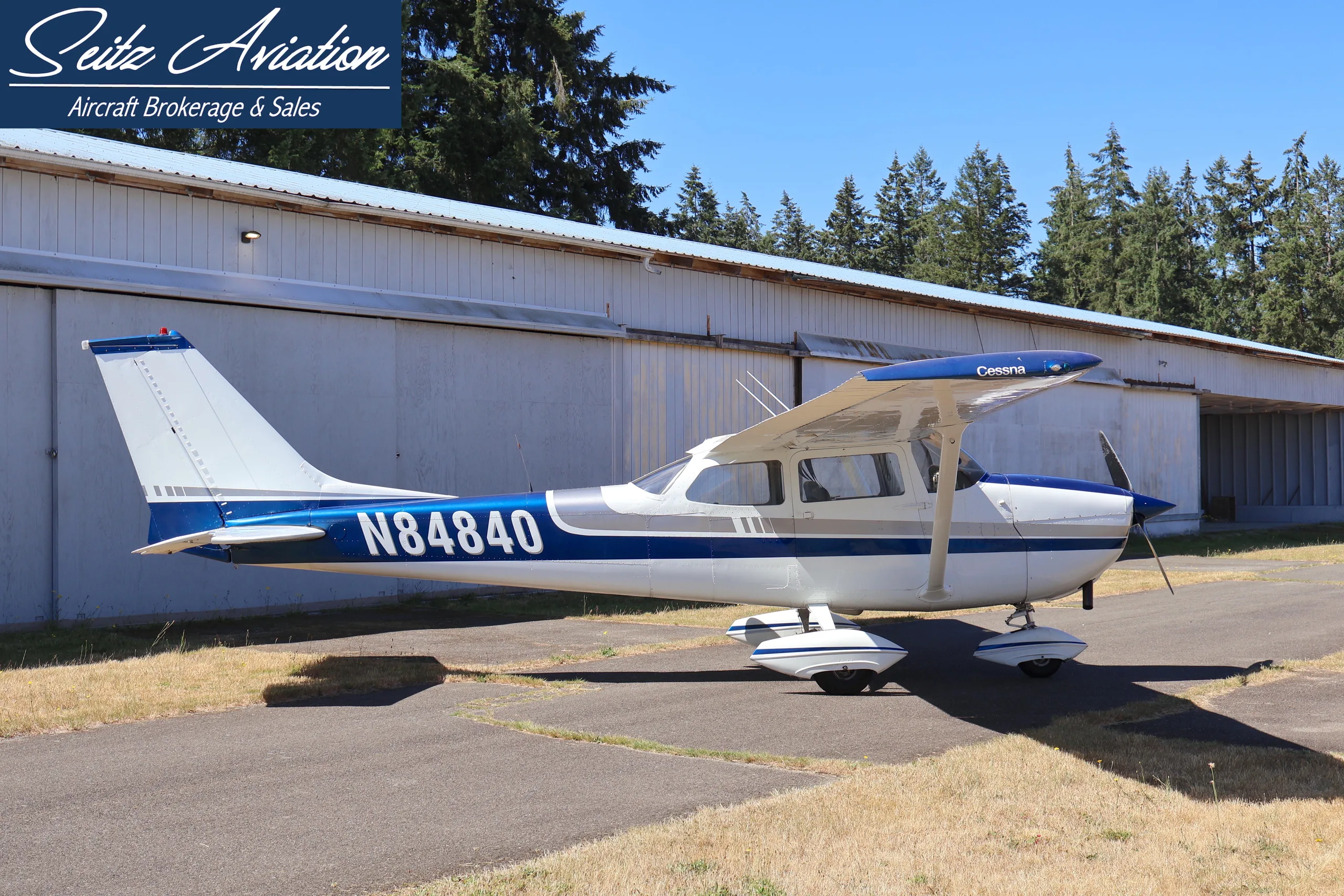
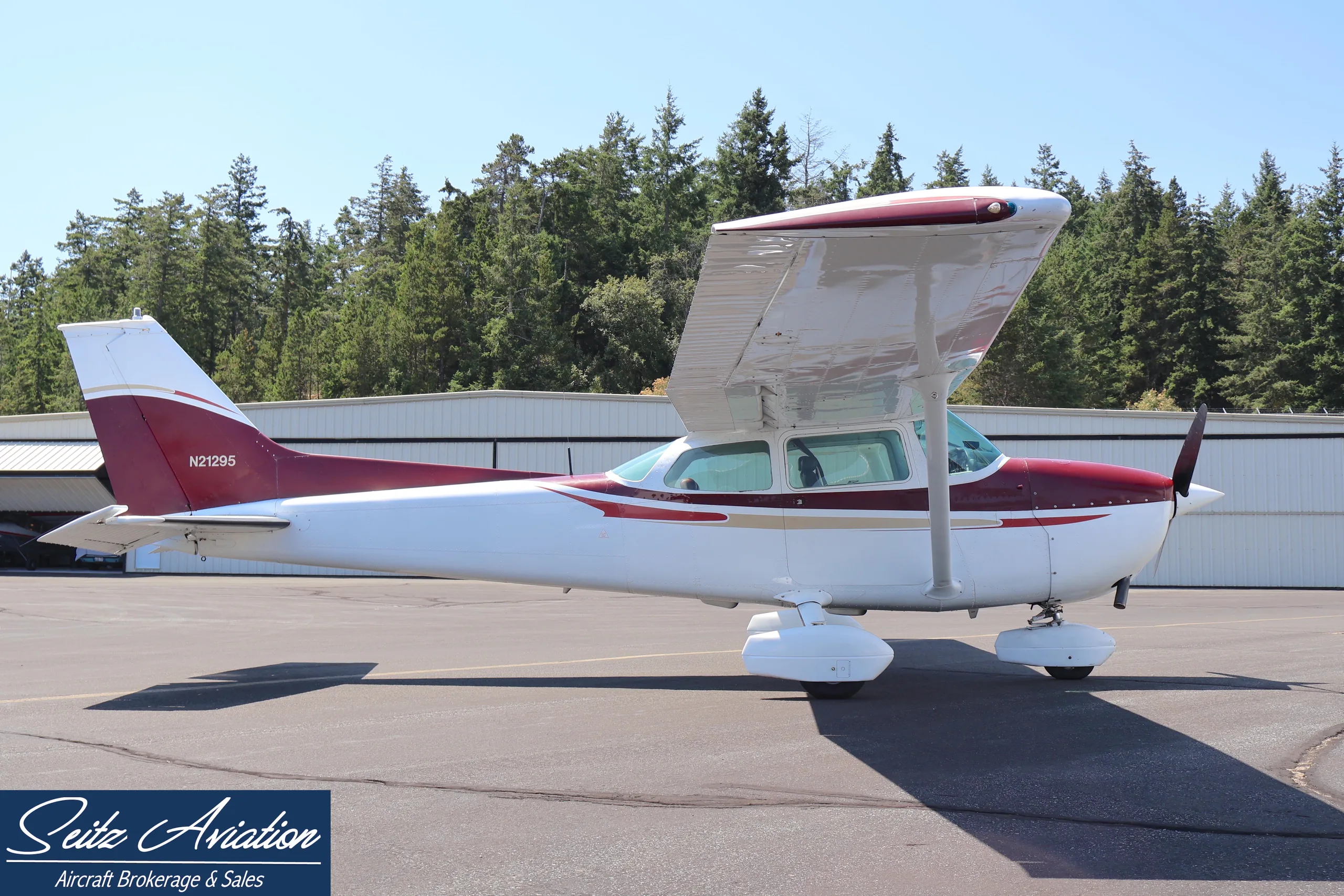
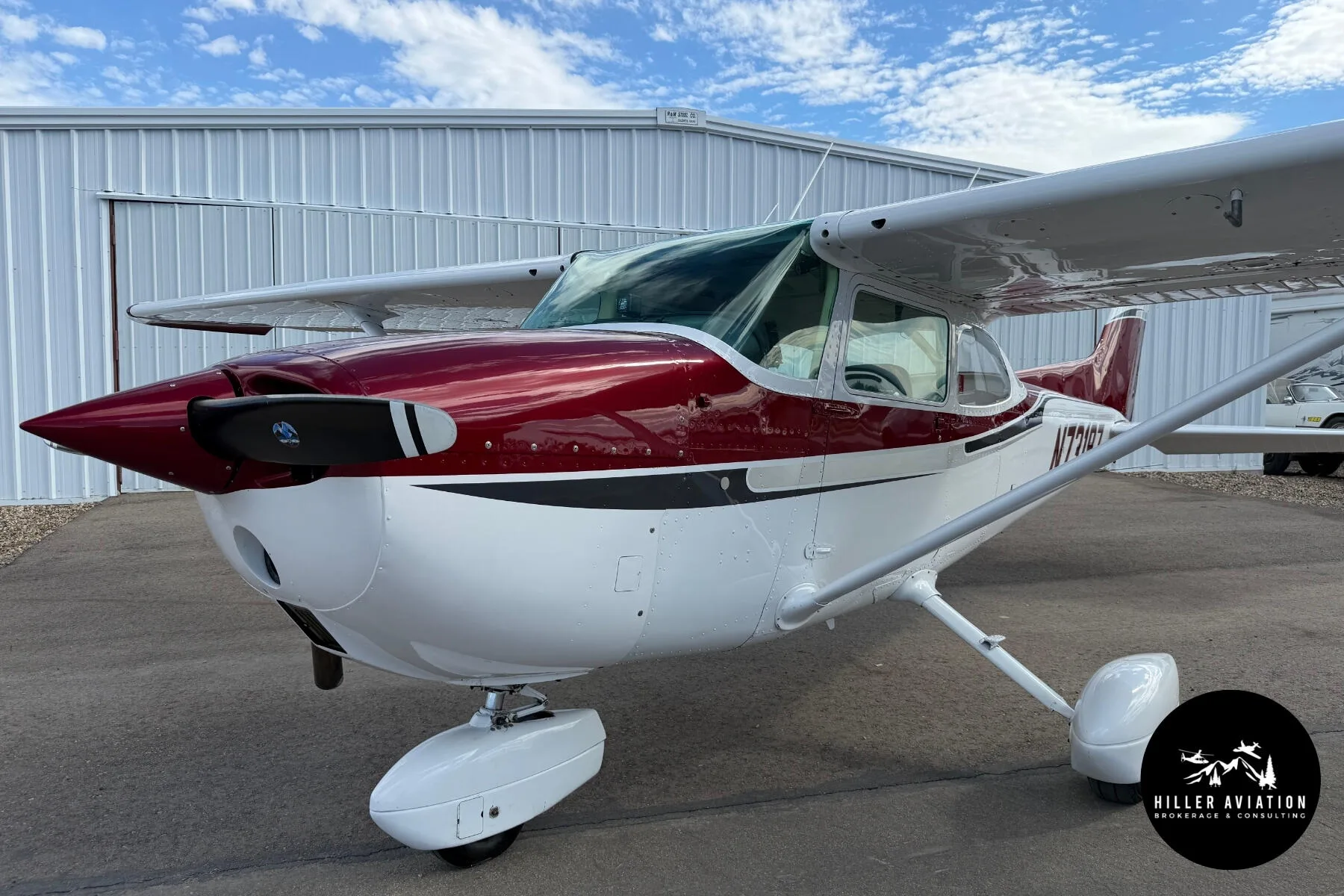
Free — save the 172 to your watchlist and track it in one place.
More CESSNA 172Hmanuals & documents
- FUEL - FUEL STRAINER BOWL INSPECTIONService Bulletins
- Airworthiness Directive AD No.: 2020-0228Airworthiness Directives
- VI-200 DC-DC ConvertersSpecifications
- OWNER'S MANUALPilot's Operating Handbook
- Checklist for Cessna 172HChecklist
- Systems Description for CESSNA 172HSystems Description
- Weight & Balance for CESSNA 172HWeight & Balance
- C-172H Emergency Procedures ChecklistPilot's Operating Handbook
- Low Pass Filter MMIC REFLECTIONLESS XLF-172H+Specifications
If you fly the CESSNA 172H, you may also be researching these.


In this document
Preflight and engine checks
The 172H checklist calls for engine oil of 6-8 qts, with 6 as the minimum. Main tires should be at 24 PSI and the nose tire at 26 PSI. At run-up the suction gauge should read 4.5 - 5.4. The magneto check allows a maximum drop of 125 and a difference of 50. Also drain and check the fuel sumps, and inspect the alternator belt, air filter, static port and fuel vent.
Service letter and AD paperwork
Service letter SEL-28-10 (January 5, 2023) is mandatory at the next 100-hour or 12-month inspection. It covers the 0756008-1 Fuel Strainer Bowl, which may have missed its corrosion treatment. Replace the bowl if it carries work order markings 112706, 124963 or 132350. Confirm the logbook records compliance. For a diesel-converted 172H (TAE 125-02-99 or 02-114), check AD 2020-0228 hose compliance.
Safety notes
- Engine failure after takeoff: 70 MPH flaps up or 65 MPH flaps down, and land straight ahead.
- Forced landing without power: best glide 80 mph. Flaps 40° are recommended. Unlatch the doors and touch down slightly tail low.
- Suspected static source blockage: pull the alternate static source valve on, then consult the airspeed calibration tables.
Full document text
CESSNA 172H Model Guide CESSNA 172H is a single-engine piston Cessna 172 variant. The registry also lists it as a USAF T-41A. The 172 family seats up to 4 passengers, with family-level maxima of 140 kt cruise, 700 nm range and a 17000 ft ceiling. The sources give few figures specific to the 172H, so check weights and performance against the airplane's own flight manual. • Family-wide maxima (all 172 variants, not the 172H alone): up to 4 passengers, 140 kt cruise, 700 nm range, 17000 ft ceiling. • The 172H checklist gives rotate at 60 MPH, Vx about 68 MPH, Vy about 80 MPH, and best glide 80 mph. • Textron service letter SEL-28-10 lists the 172H for a mandatory fuel strainer bowl inspection. Ask to see the logbook entry. • Some 172Hs carry a TAE 125-02 diesel STC. EASA AD 2020-0228 covers a turbocharger hose on those engines. Preflight and engine checks The 172H checklist calls for engine oil of 6-8 qts, with 6 as the minimum. Main tires should be at 24 PSI and the nose tire at 26 PSI. At run-up the suction gauge should read 4.5 - 5.4. The magneto check allows a maximum drop of 125 and a difference of 50. Also drain and check the fuel sumps, and inspect the alternator belt, air filter, static port and fuel vent. Service letter and AD paperwork Service letter SEL-28-10 (January 5, 2023) is mandatory at the next 100-hour or 12-month inspection. It covers the 0756008-1 Fuel Strainer Bowl, which may have missed its corrosion treatment. Replace the bowl if it carries work order markings 112706, 124963 or 132350. Confirm the logbook records compliance. For a diesel-converted 172H (TAE 125-02-99 or 02-114), check AD 2020-0228 hose compliance. Safety notes: • Engine failure after takeoff: 70 MPH flaps up or 65 MPH flaps down, and land straight ahead. • Forced landing without power: best glide 80 mph. Flaps 40° are recommended. Unlatch the doors and touch down slightly tail low. • Suspected static source blockage: pull the alternate static source valve on, then consult the airspeed calibration tables.