MODEL 172 SERIES (1969 - 1976) SERVICE MANUAL
CESSNA 172H · Service Bulletins
Overview
This document is a service manual for the Cessna 172 series aircraft, specifically detailing the inspection procedures for the horizontal stabilizer, elevators, and their attachments. It outlines compliance requirements, inspection methods, and repair/modification guidelines.
- Inspection is required at 10,000 hours or 20 years initially, then every 3,000 hours or 5 years.
- Visual inspections must check for damage, fatigue, and deterioration.
- Eddy current inspections are required if corrosion or frozen bearings are found.
- Access panels must be opened for inspection.
- Repairs include replacing damaged bolts, nuts, and fittings.
- Coordinate inspections with SID 55-30-01 for the vertical stabilizer.
- Inspect torque tube for corrosion and rivet security.
- No detectable crack size is allowed in the horizontal tail.
Summary written by AI from the source document. Check the original before relying on it. See which parts of Sprinkle are written by AI.
Reference only, not for flight. Use the current approved manual for your aircraft. See terms, section 5.
Document
Source
Copy found at cessnaflyer.org. Sprinkle hosts a reference copy with an added summary, specifications and searchable full text.
Document details
- Type ·
- Service Bulletins
- Year ·
- 2004
- File size ·
- 89 KB
- Copy found at ·
- cessnaflyer.org
- Language ·
- en
What is the MODEL 172 SERIES (1969 - 1976) SERVICE MANUAL?
The MODEL 172 SERIES (1969 - 1976) SERVICE MANUAL is a service bulletins for the CESSNA 172H, dated 2004.
What year was the MODEL 172 SERIES (1969 - 1976) SERVICE MANUAL published?
The MODEL 172 SERIES (1969 - 1976) SERVICE MANUAL — the CESSNA 172H service bulletins on file — is dated 2004.
Common. One of the most common aircraft types we track.
Most owners only have the POH. Here's the essential set for the CESSNA 172H.
- Pilot's Operating Handbook / AFM
- Checklist
- Maintenance Manual
- Parts Catalog (IPC)
- Systems & Wiring
- Service Bulletins on file
- Type Certificate (TCDS)
CESSNA 172H for sale now
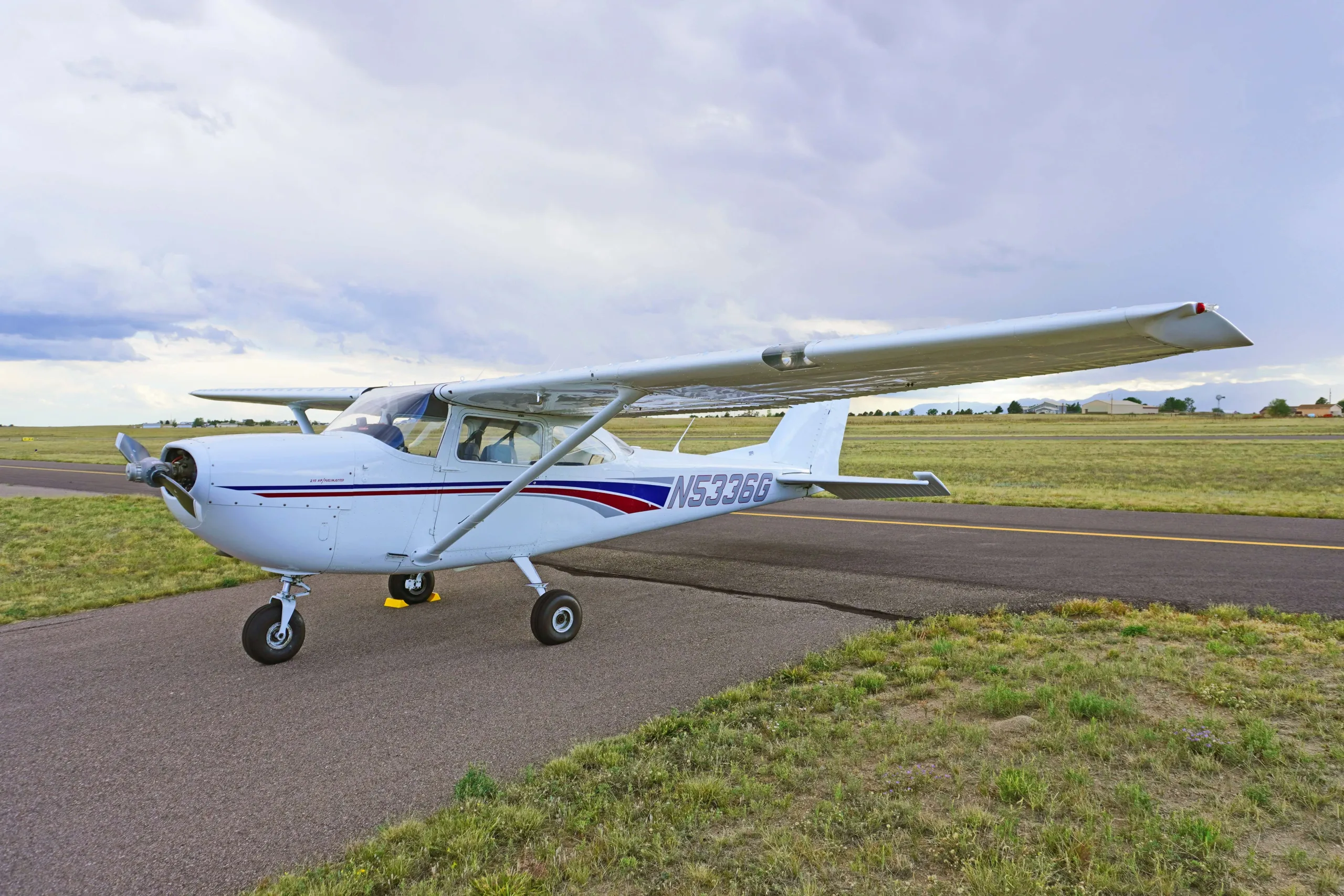
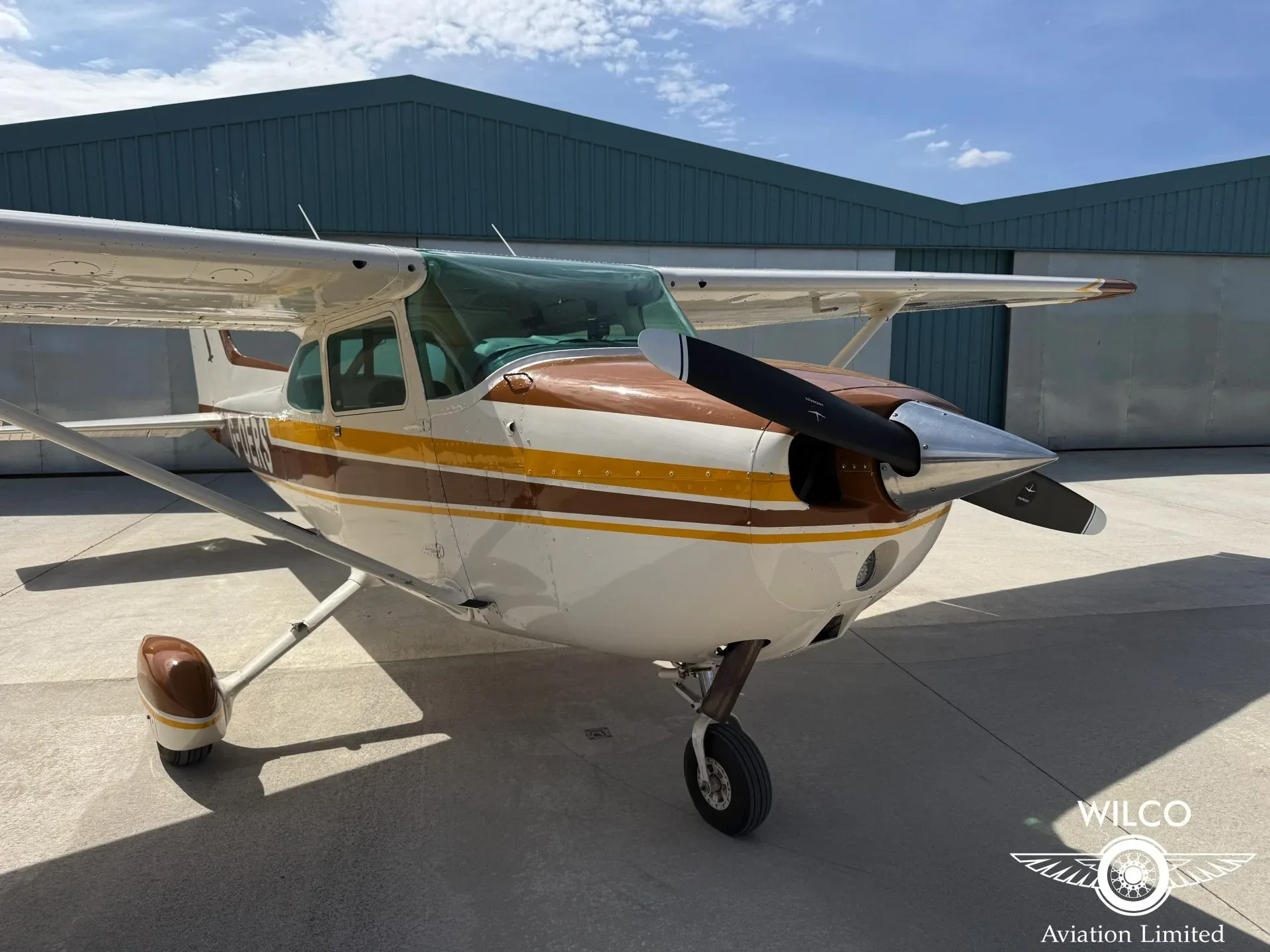
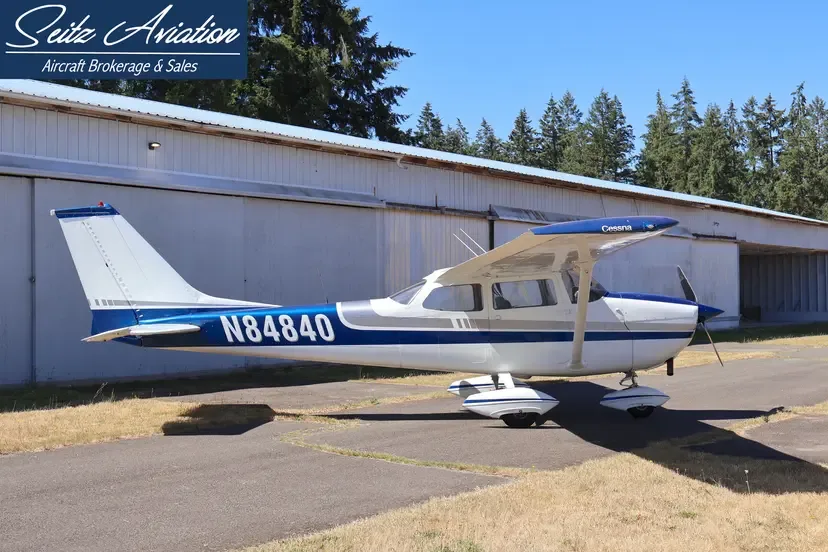
Free — save the 172 to your watchlist and track it in one place.
More CESSNA 172Hmanuals & documents
- CESSNA 172H Model GuideModel Guide
- FUEL - FUEL STRAINER BOWL INSPECTIONService Bulletins
- Airworthiness Directive AD No.: 2020-0228Airworthiness Directives
- VI-200 DC-DC ConvertersSpecifications
- OWNER'S MANUALPilot's Operating Handbook
- Checklist for Cessna 172HChecklist
- Systems Description for CESSNA 172HSystems Description
- Weight & Balance for CESSNA 172HWeight & Balance
- C-172H Emergency Procedures ChecklistPilot's Operating Handbook
- Low Pass Filter MMIC REFLECTIONLESS XLF-172H+Specifications
Related documents
- SERVICE LETTER - McFarlane AviationCESSNA 185 · Maintenance Manual
- Aviation Maintenance Alerts TemplateCESSNA 172S Skyhawk · Service Bulletins
- FLIGHT CONTROLS/STABILIZERS – AFT FUSELAGE, RUDDERVATOR, AND RELATED SYSTEMS INSPECTION FOR CONDITIONBeechcraft V35B Bonanza · Service Bulletins
- SERVICE BULLETINBEECHCRAFT N35 BONANZA · Service Bulletins
- Service BulletinCESSNA FR172J · Service Bulletins
If you fly the CESSNA 172H, you may also be researching these.


In this document
Purpose
To inspect horizontal stabilizer, elevator and attachments for signs of damage, fatigue or deterioration.
Inspection Instructions
Detailed steps for visually inspecting stabilizer and elevator components, including cleaning areas before inspection.
Repair/Modification
Guidelines for replacing damaged parts and conducting repairs in accordance with the service manual.
Inspection Compliance
Initial inspection at 10,000 hours or 20 years, with repeat inspections every 3,000 hours or 5 years.
Access and Detectable Crack Size
No detectable crack size is allowed in the horizontal tail.
Inspection Method
Visual inspection with eddy current if required.
Summary written by AI from the source document. Check the original before relying on it. See which parts of Sprinkle are written by AI.
Full document text
CESSNA AIRCRAFT COMPANY MODEL 172 SERIES (1969 - 1976) SERVICE MANUAL SUPPLEMENTAL INSPECTION NUMBER: 55-10-01 1. TITLE: Horizontal Stabilizer, Elevators and Attachments Inspection 2. EFFECTIVITY 17257162 thru 17267584 F17200560 thru F17201514 INSPECTION COMPLIANCE ALL USAGE: INITIAL 10,000 Hours or 20 Years (NOTE) REPEAT 3,000 Hours or 5 Years (NOTE) NOTE: Refer to Note 1, Section 2A-14-00. 3. PURPOSE To inspect horizontal stabilizer, elevator and attachments for signs of damage, fatigue or deterioration. 4. INSPECTION INSTRUCTIONS A. Open all stabilizer and elevator access panels, including the stinger and stabilizer to horizontal tail fairings. Refer to the applicable Model 172 Service Manual. B. Visually inspect stabilizer and elevator for condition, cracks and security; hinge bolts, hinge bearings for condition and security; bearings for freedom of rotation; attach fittings for evidence of damage, wear, failed fasteners and security. Refer to Figure 1. (1) Clean area before inspecting if grime or debris is present. C. Visually inspect the torque tube for corrosion and rivet security. Pay particular attention to the flange riveted onto the torque tube near the airplane centerline for corrosion. (1) Clean area before inspecting if grime or debris is present. D. Visually inspect forward and aft stabilizer and elevator spars, ribs and attach fittings for cracks, corrosion, loose fasteners, elongated fastener attach holes and deterioration. Pay particular attention to the skins at the location where stringers pass through ribs and at the leading edge skin close to the fuselage. Apply finger pressure at the stringer intersection or the rib to spar juncture to check for free play indicating a broken rib. Visually inspect the forward stabilizer attachment bulkhead for cracks. (1) Clean area before inspecting if grime or debris is present. E. If corrosion or a frozen bearing is found, conduct a surface eddy current inspection for cracks of each elevator hinge attach fitting. Refer to Section 2A-13-01, Nondestructive Inspection Methods and Requirements, Eddy Current Inspection – Surface Inspection, for additional instructions. The inspection is for the aluminum structure outside of the bearing, so set the instrument for aluminum. F. Visually inspect the trailing edge portion of the elevator for indications of cracks, corrosion or deterioration. Visually inspect the attachment of the trim tab horn to the trim tab. G. Install all previously removed access panels. Refer to the applicable Model 172 Service Manual. 5. ACCESS AND DETECTABLE CRACK SIZE ACCESS/LOCATION DETECTABLE CRACK SIZE Horizontal Tail Not Allowed 6. INSPECTION METHOD Visual with Eddy Current if required. D972-4-13 Temporary Revision Number 5 - Dec 1/2011 2A-14-16 Page 1 © Cessna Aircraft Company Mar 1/2004 CESSNA AIRCRAFT COMPANY MODEL 172 SERIES (1969 - 1976) SERVICE MANUAL 7. REPAIR/MODIFICATION Replace damaged bolts and nuts. Replace damaged fittings and small parts. Replace damaged or loose rivets. Hinge bearings are pre-packed with grease, which will eventually oxidize and harden after years of service. Several applications of penetrating oil will help free up a stiff bearing. It is the owner's/operator's option to replace stiff bearings. Repairs may be made in accordance with Section 18 (Structural Repair) of the applicable Model 172 Service Manual. Any repair not available in Section 18 should be coordinated with Cessna Customer Service prior to beginning the repair. 8. COMMENTS Coordinate this inspection with SID 55-30-01, Vertical Stabilizer, Rudder and Attachments Inspection. D972-4-13 Temporary Revision Number 5 - Dec 1/2011 2A-14-16 Page 2 © Cessna Aircraft Company Mar 1/2004 CESSNA AIRCRAFT COMPANY MODEL 172 SERIES (1969 - 1976) SERVICE MANUAL HORIZONTAL STABILIZER, ELEVATORS AND ATTACHMENTS INSPECTION Figure 1 (Sheet 1) D972-4-13 Temporary Revision Number 5 - Dec 1/2011 2A-14-16 Page 3 © Cessna Aircraft Company Mar 1/2004 CESSNA AIRCRAFT COMPANY MODEL 172 SERIES (1969 - 1976) SERVICE MANUAL HORIZONTAL STABILIZER, ELEVATORS AND ATTACHMENTS INSPECTION Figure 1 (Sheet 2) D972-4-13 Temporary Revision Number 5 - Dec 1/2011 2A-14-16 Page 4 © Cessna Aircraft Company Mar 1/2004