Advisory Circular Subject: Towbar and Towbarless Movement of Aircraft
Mooney M20J 201 · Emergency Procedures
Overview
This document is an Advisory Circular (AC) issued by the FAA, focusing on the safe movement of aircraft using towbar and towbarless systems. It provides essential guidelines for operators to prevent accidents and injuries during ground handling. The AC is relevant for all operators under various parts of the Federal Aviation Regulations, emphasizing the importance of safety practices and training for personnel involved in towing operations. It includes information on proper equipment usage, safety checks, and emergency procedures, making it a critical resource for ensuring safe aircraft movement on the ground.
- Follow established towing procedures to ensure safety during aircraft movement.
- Conduct thorough safety checks on towing vehicles and equipment before each operation.
- Ensure all personnel involved in towing operations receive proper training and are familiar with emergency procedures.
- Maintain clear communication between the tow vehicle operator and the cockpit observer during towing operations.
- Adhere to safety practices to prevent accidents and injuries during ground handling.
Document
Source
Originally published by www.faa.gov. Sprinkle hosts a reference copy with an added summary, specifications and searchable full text.
Document details
- Type
- Emergency Procedures
- Year
- 2010
- Pages
- 15
- File size
- 71 KB
- Publisher
- www.faa.gov
Common. Rarer than 24% of the aircraft models we track.
Most owners only have the POH. Here's the essential set for the Mooney M20J 201.
- Pilot's Operating Handbook / AFM
- Checklist
- Maintenance Manual
- Parts Catalog (IPC)
- Systems & Wiring
- Service Bulletins
- Type Certificate (TCDS)
Mooney M20J 201 for sale now
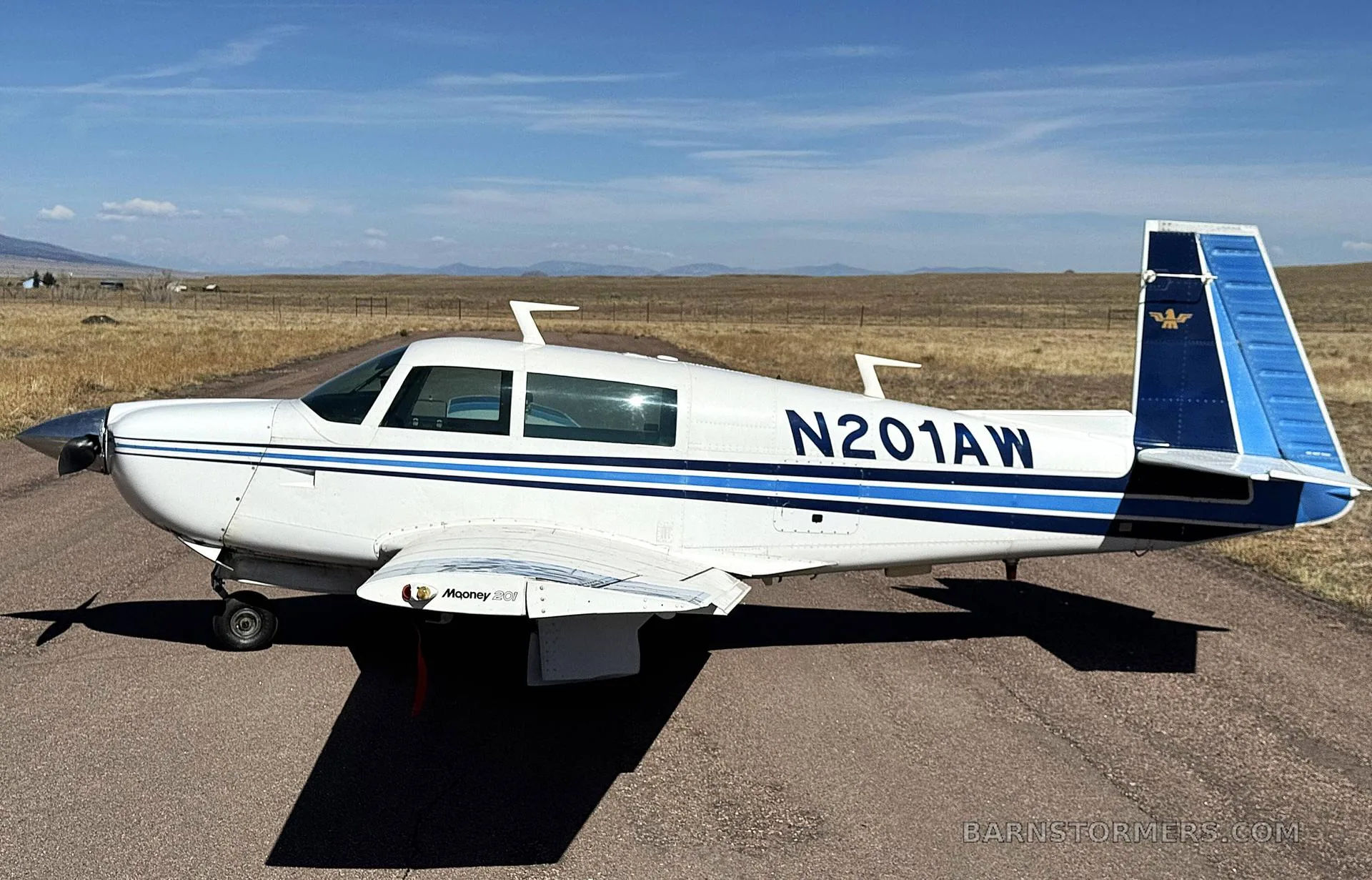
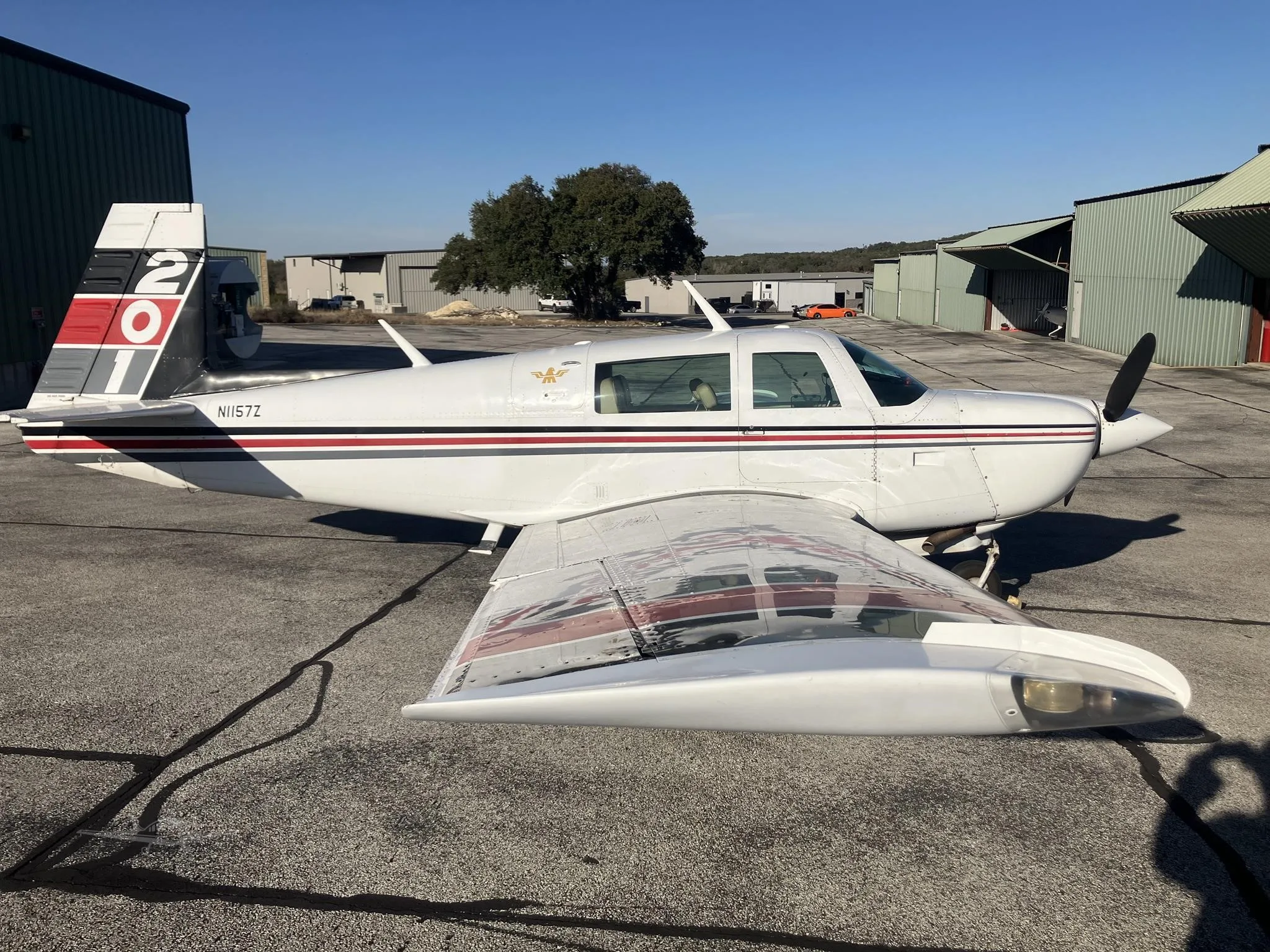
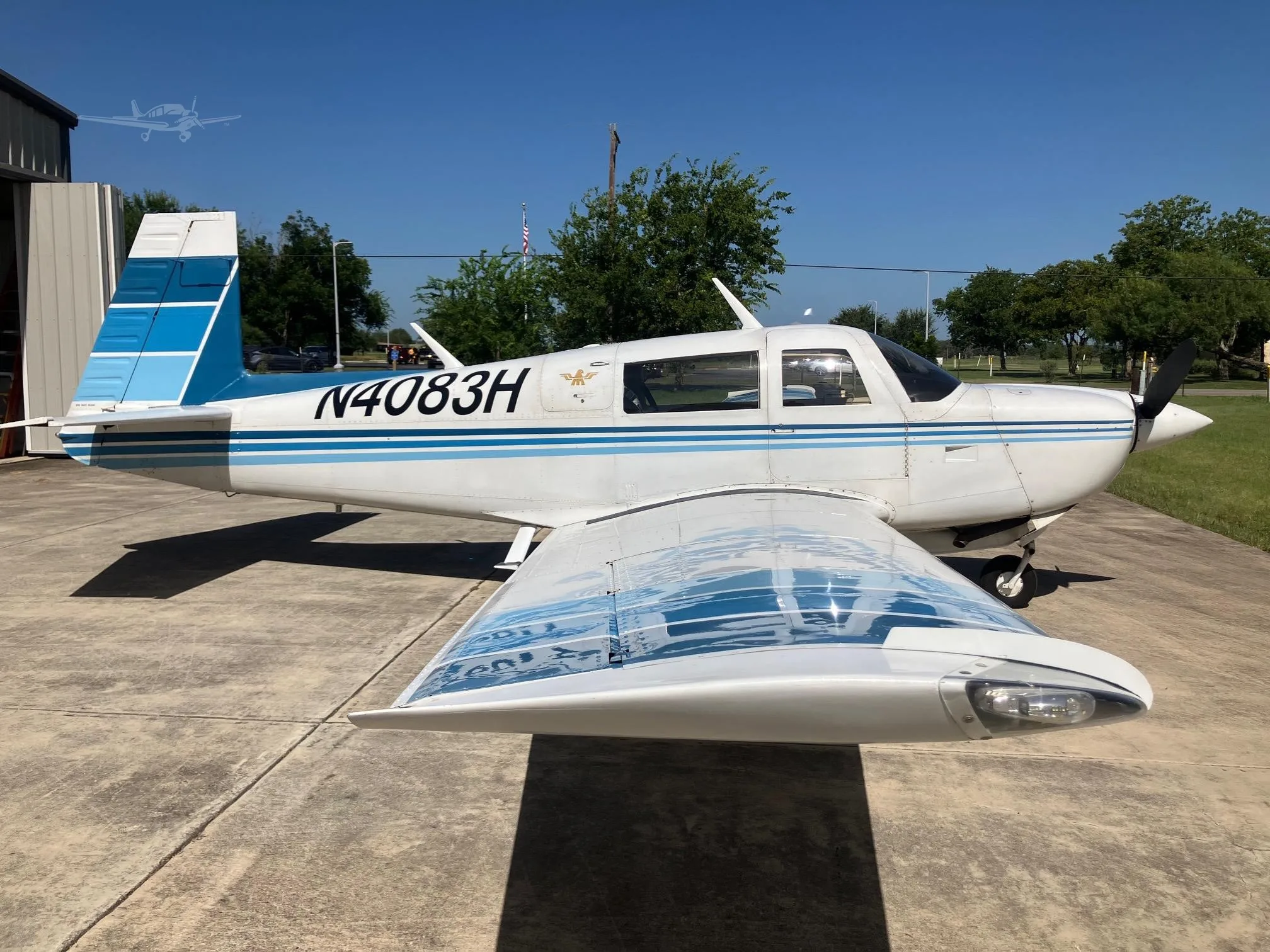
Free — save the M20J 201 to your watchlist and track it in one place.
More Mooney M20J 201manuals & documents
See all 18 →- SERVICE BULLETIN M20-335DService Bulletins
- Form 2.59c M20J N5760R Emergency Checklist – Version 5 2014/10/29Checklist
- Aircraft Design: A Systems Engineering ApproachPerformance Data
- SERVICE BULLETIN M20-313AService Bulletins
- SERVICE BULLETIN M20-314AService Bulletins
- SPECIAL AIRWORTHINESS INFORMATION BULLETIN SAIB: NE-08-26R3Airworthiness Directives
- AAIB Bulletin: 4/2010Maintenance Manual
- SERVICE BULLETIN M20-282-AAvionics Manual
- SCHEDULE OF AIRWORTHINESS DIRECTIVESAirworthiness Directives
- INSTALL MOONEY 201 (M20J) SPINNERS ON EARLIER MODEL MOONEYSWeight And Balance
- PILOT'S OPERATING HANDBOOK AND FAA APPROVED AIRPLANE FLIGHT MANUAL MOONEYPilot's Operating Handbook
- Mooney M20J 2900 POUND GROSS WEIGHT INCREASE, RETROFIT KITSWeight And Balance
If you fly the Mooney M20J 201, you may also be researching these.


In this document
Purpose
The purpose of this Advisory Circular is to provide guidance for the safe movement of aircraft using towbar and towbarless systems. It aims to enhance safety practices and reduce the risk of accidents during ground handling.
Training Requirements
Operators must establish training programs that comply with 14 CFR parts 121 and 135. Training should cover towing procedures, safety practices, and the use of checklists. Initial and recurrent training is essential for all personnel involved in towing operations.
Towing Operations
Towing operations should be conducted using qualified personnel following established procedures. Safety checks on towing vehicles and equipment must be performed before each operation. Personnel must maintain clear communication and adhere to safety protocols to prevent accidents.
Emergency Procedures
In case of emergencies such as unclear radio transmissions or aircraft collisions, specific procedures must be followed. Personnel should stop the vehicle, communicate with ground control, and take necessary actions to ensure safety.
Safety Practices
The document emphasizes the importance of safety practices during towing operations. This includes proper equipment usage, conducting safety checks, and ensuring that all personnel are trained and aware of their responsibilities.
Safety notes
- Always use the appropriate towbar and tow vehicle for the aircraft being moved.
- Do not tow aircraft with faulty brakes unless necessary for repairs, and only with personnel ready to assist.
- Charge aircraft brake systems before towing operations and stop immediately if brake pressure drops below safe limits.
- Ensure all personnel are trained in safety procedures and emergency protocols before towing operations.
Full document text
U.S. Department of Transportation Federal Aviation Administration Advisory Circular Subject: Towbar and Towbarless Movement of Aircraft Date: 11/8/10 Initiated by: AFS-300 AC No: AC 00-65 Change: 1 1. PURPOSE. This advisory circular (AC) provides guidance for towbar and towbarless movement of aircraft. 2. PRINICIPLE CHANGES. This change incorporates minor changes and updates throughout the AC, and a new appendix to AC 00-65 has been added. Information regarding whom you may contact with questions regarding information in this AC, and where you may obtain a copy, are also included. PAGE CHANGE CONTROL CHART Remove Pages Dated Insert Pages Dated 1 thru 9 8/27/09 1 thru 9 11/8/10 Appendix 1 11/8/10 /s/ for John M. Allen Director, Flight Standards Service U.S. Department of Transportation Federal Aviation Administration Advisory Circular Subject: Towbar and Towbarless Movement of Aircraft Date: 8/27/09 Initiated by: AFS-300 AC No: AC 00-65 Change: 1 1. PURPOSE. This advisory circular (AC) provides guidance for towbar and towbarless movement of aircraft and applies to all operators under Title 14 of the Code of Federal Regulations (14 CFR) parts 91, 91 subpart K (91K), 121, 125, 129, and 135. 2. RELATED CFR REGULATIONS. • Part 91, General Operating and Flight Rules; • Part 121, Operating Requirements: Domestic, Flag, and Supplemental Operations; and • Part 139, Certification of Airports. 3. RELATED READING MATERIAL (current editions). • AC 91-73, Part 91 and Part 135, Single-Pilot Procedures During Taxi Operations; • AC 120-57, Surface Movement Guidance and Control System; • AC 120-74, Parts 91, 121, 125, and 135, Flightcrew Procedures During Taxi Operations; • AC 150/5200-37, Introduction to Safety Management System (SMS) for Airport Operators; • AC 150/5210-5, Painting, Marking, and Lighting of Vehicles used on an Airport; • AC 150/5210-18, Systems for Interactive Training of Airport Personnel; • AC 150/5210-20, Ground Vehicle Operations on Airports; • AC 150/5210-21, Announcement of Availability: Airport Surface Safety Training Programs for Mechanics and Ramp Personnel; and • AC 20-35, Tiedown Sense. AC 00-65 8/27/09 Page 2 Par 4 4. BACKGROUND. There are several reported cases (documented and undocumented) of near incursions and mishaps involving tug operators moving aircraft. Specifically, super tugs have had incidents such as jackknifing, uncontrolled movement, and inability to stop the tug and aircraft quickly. There have been several potential ground incursion instances where super tugs were not seen by the aircraft and ground controllers. There have also been reported cases where pilots are not cognizant to the “right of way passage” of these tugs, even when they are cleared for movement in the active areas. Lastly, air traffic control (ATC) specialists have reported that it is very difficult to identify a super tug towing an un-powered aircraft at night, because the aircraft being towed is not illuminated with any lights. For ATC and other pilots in the area, this creates the optical illusion that the low profile super tug is by itself, making the large, dark aircraft being towed nearly invisible. 5. WHERE YOU CAN FIND THIS AC. You can find this AC on the MyFAA employee Web site at https://employees.faa.gov/tool_resources/orders_notices. Inspectors can access this AC through the Flight Standards Information Management System (FSIMS) at http://fsims.avs.faa.gov. Operators and the public may find this information on the Federal Aviation Administration’s (FAA) Web site at http://fsims.faa.gov. 6. PREVENTING INJURIES TO PERSONNEL AND DAMAGE TO AIRCRAFT DURING GROUND HANDLING. The aviation industry has found, through experience, that the potential for damage and/or injury if a mishap occurs is high; however, firm safety practices deter accidents. This AC contains generally accepted information and safety practices, which may help prevent injuries to personnel and damage to aircraft during ground handling and reduce runway incursions. a. Anticipation of Safety Management System (SMS) Requirements. In anticipation of SMS requirements, all managers and supervisors should identify, eliminate, control, and document hazards within the workplace to minimize risks associated with uncertainty in the decision-making process. b. Identifying Hazards. After identifying hazards, assess the risks associated with each hazard, then determine and take action as needed to reduce the risk by: (1) Engineering the hazard out or imposing procedural actions (operational limits, frequent inspections, protective equipment, or stopping until corrective action is taken); and/or (2) Educating and training personnel on the hazards and the safety procedures to follow to reduce the chances of a mishap occurring. c. On-the-Job Training (OJT). Ensure all personnel receive safety and health OJT upon initial assignment and whenever there is a change in equipment, procedures, processes, or safety and health requirements. Well-trained and educated personnel are the greatest deterrent to mishaps in the workplace. Supervisors should document safety-related training. d. Proper Towbar and/or Towbar Vehicle Usage. When towing aircraft, use the proper towbar and/or tow vehicle. The wrong type of towbar, or makeshift equipment, can cause damage to the aircraft. Persons performing towing operations should be thoroughly familiar with the procedures that apply to the type of aircraft to be moved and the type of tow vehicle. 11/8/10 AC 00-65 CHG 1 Par 6 Page 3 e. Proper Auxiliary Power Unit (APU) Operation and the Use of an Approved APU Checklist. When the APU is being operated while the aircraft is being towed, the use of an approved checklist for normal APU start up/shut down and emergency procedures is essential for safe operation. 7. TRAINING. a. Procedures and Guidance. The following information outlines procedures and guidance regarding training.
Show full textShow less
(1) Air carriers must establish guidance per 14 CFR part 121, § 121.135, and part 135, § 135.21. Carriers may cover this information in a standard operating procedures (SOP) handbook, which should clearly define duties and responsibilities and employ the use of a checklist (see Appendix 1 for checklist example) covering all items pertaining to the safe movement of the type aircraft being towed. (2) Operators should ensure aircraft ground handling personnel become thoroughly familiar with all published towing procedures pertaining to the type of aircraft being towed, along with understanding the restrictions and/or limitations on any vehicle authorized to move an aircraft. (3) Initial and recurrent training should include: • Speed restrictions both for clear and cluttered ramp conditions; • Speed restrictions for contaminated pavement conditions; • The effects of momentum towing various weights and speeds; • Airport signage and markings; • Prior to use, vehicle safety inspection; • Crew Resource Management (CRM); • Situational awareness (SA); • Use of written checklists (see Appendix 1 for checklist example); • Acceleration and deceleration characteristics and techniques; • Braking in turns; • ATC communications procedures; • Tug/aircraft configuration; i.e., lighting; AC 00-65 CHG 1 11/8/10 Page 4 Par 7 • Emergency procedures; and • Recurrent training. (4) Consideration should be given to the employee’s speech and accent, if any, relative to sentence patterns, sentence structure, and in the case of an ATC clearance, use of standard clearance terminology is satisfactory. (5) Newly assigned aircraft maintenance specialists/ground movement personnel should pass a proficiency test on the types of aircraft towed, after completing supervised OJT. (6) Wing and tail walkers may not have to be familiar with all published towing procedures or receive annual proficiency training if their duties are restricted to these positions during towing operations. Additionally, recurrent training should include, but not be limited to, airport signage, limitations or restrictions, ATC communications procedures, and radio and light commands, and should be completed before the initial performance of such duties at least once annually. (7) A high degree of safety is the responsibility of all personnel involved in moving an aircraft. b. Operational Consideration. Operators that use the towbarless tractor should submit appropriate procedures outlining the towing operations to their certificate-holding district office (CHDO). The procedures should include, but not be limited to, the following: • Safety instructions; • Operating procedures (include the differences between day and night operations); • Initial and recurrent training; • Radio communication; and • Towing procedures checklist. 8. TOWBAR AND TOWBARLESS TOWING OF AIRCRAFT. a. Towbarless Tractor. High speed tugs such as Goldhofer Aircraft System Tractor Models AST-1 and AST-1X, Douglas Equipment, and the FMC Expediter family of towbarless tractors, sometimes referred to as “super tugs,” usually move aircraft between the terminal gates to maintenance hangars. The weight of an aircraft and its fuel load is a major consideration during towing because handling characteristics of the tow tractor changes proportionally with the change in aircraft weight. Heavier aircraft put more stress on the vehicle. After movement begins, heavy aircraft can “push” the tug with a greater force than lighter aircraft because of weight and momentum. Tow operators must recognize and understand these characteristics. Heavier weights and too much speed create the potential for disaster. Therefore, reduce towing speeds according to the weight of the aircraft. The braking distance required to stop a large aircraft will be greater than the distance required to stop a smaller aircraft. 8/27/09 AC 00-65 Par 8 Page 5 b. Towing Vehicles. A few of the many tow vehicles used by operators to move aircraft are as follows: (1) The Lynco Tugger Corporation’s 4 KD4 is a patented fully hydra-static tow vehicle with a 48-inch turning radius. Load capacity of 60,000 pounds with a level drawbar pull of 4,000 pounds. (2) Harlan currently produces more than seven standard model tractors. These vehicles range from 3,000 to 20,000 pounds drawbar pull. The A/S32A-37 aircraft towing tractor is an inline, 6-cylinder, diesel-powered, liquid-cooled, 4-wheel drive vehicle used to move heavy aircraft. The A/S32A-42 aircraft mid-range tow vehicle is a 4-cylinder, diesel-powered, liquid-cooled, 4-wheel drive vehicle used to move medium aircraft. (3) Aero Specialties is the exclusive corporate and fixed-base operator distributor of Eagle Tugs. With a towing capacity of up to 180,000 pounds, Eagle Tugs are the only aircraft tractors in their class with available all wheel drive and limited slip differential. c. Towing Vehicle Inspections. Tow vehicle operators should ensure all towing equipment is serviceable and functioning properly before starting any towing operation. Before connecting the towbar to the aircraft, the tow vehicle operator should inspect the tow vehicle for defects or extraneous material that may interfere with safe operation. An operator should inspect each tow vehicle at least once each shift to verify that the cab and exterior of the vehicle are clear of all extraneous materials and the vehicle is in safe working condition. Additionally, check all radio communications before dispatching a tow vehicle. Inspect towing connections before each use. When tow vehicle operators find mechanical defects affecting safety on tow vehicles, the carrier should take the equipment out of service and send it to vehicle maintenance for repairs. d. Towing Operations. (1) Using qualified personnel, following established procedures, and properly planning for weather and local conditions (such as inclined ramps, emergencies, and other limitations), should prevent mishaps. (2) For maximum safety, towing personnel will not place themselves in the direct path of aircraft wheels nor ride on any external portion of an aircraft or tow vehicle. (3) The best practice is to use a checklist. (4) Ensure placards are legible and located inside the tow vehicle cab to identify any restrictions that apply to the tow vehicle. (5) Observe any other placards that might be of a temporary nature prior to all movements. (6) When connecting a towbar to any towing vehicle, personnel should stand clear until the backing tow vehicle is in close proximity to the towbar. AC 00-65 CHG 1 11/8/10 Page 6 Par 8 (7) When connecting a tow vehicle, personnel should be extremely vigilant to any sudden movement of the tow vehicle or aircraft. e. Aircraft Lighting. Before movement of any aircraft, part 91, § 91.209 states that no person may: (1) During the period from sunset to sunrise (or, in Alaska, during the period a prominent unlighted object cannot be seen from a distance of 3 statute miles or the sun is more than 6 degrees below the horizon): (a) Operate an aircraft unless it has lighted position lights; (b) Park or move an aircraft in, or in dangerous proximity to, a night flight operations area of an airport unless the aircraft: 1. Is clearly illuminated, 2. Has lighted position lights, or 3. Is in an area that is marked by obstruction lights. (c) Anchor an aircraft unless the aircraft: 1. Has lighted anchor lights, or 2. Is in an area where anchor lights are not required on vessels. (2) Operate an aircraft that is equipped with an anti-collision light system, unless it has lighted anti-collision lights. However, the anti-collision lights need not be lighted when the pilot in command (PIC) determines that, because of operating conditions, it would be in the interest of safety to turn the lights off. NOTE: Clearly illuminated means that the aircraft wingtips and tail can be seen by other means of illumination just as clearly as if the aircraft position lights were turned on. NOTE: The aircraft position lights may be powered by means of the aircraft battery, APU, or an external power source such as a tow vehicle APU/generator. NOTE: During any nighttime operation or movement of an aircraft on airport movement/active areas, aircraft position lights should be turned on. f. Flight Deck/Cockpit Observer. A trained and authorized person should be in the pilot’s seat to operate the aircraft’s brakes if needed. If the hydraulic pressure that provides braking drops below safe operating limits, the towing operation should be terminated. Additionally, the observer serves as the primary person communicating with the control tower and/or ramp control, and with the tow vehicle operator as a backup. Flight deck/cockpit observer duties 11/8/10 AC 00-65 CHG 1 Par 8 Page 7 include looking outside the cockpit and warning the tow vehicle operator of possible safety issues. The communication roles of the Towbarless Tow Vehicle (TLTV) driver and observer should be clearly defined and understood before every tow operation. g. Tow Vehicle Operator. The tow vehicle driver is responsible for operating the vehicle in a safe manner. The vehicle operator should follow all direction from the flight deck as they are directed by the control tower and also obey emergency stop instructions given by any team member. A trained vehicle operator should be at the controls of the towing vehicle at all times during aircraft movement. The vehicle operator should stop the vehicle upon losing communication with the cockpit observer and, unless on an active runway, proceed to safely clear the runway. h. Wing Walker. Station a wing walker at each wingtip to ensure adequate clearance of any obstruction in the path of the aircraft. The wing walker is responsible for properly signaling the tow vehicle operator as soon as it appears the aircraft is in danger of colliding with an obstruction. In such cases, stop towing until the vehicle operator personally checks the clearance. Wing walkers are not required for helicopters being towed with rotor blades in parallel position. Wing walkers do not require annual proficiency testing and need not be fully qualified in all towing procedures. i. Tail Walker. Use a tail walker during towing operations when you turn the aircraft sharply or back into position. Avoid backing of aircraft as much as possible. Tail walkers do not require annual proficiency testing and need not be fully qualified in all towing procedures as long as this is their only task. NOTE: When towing small aircraft, you can eliminate the tail walker at the discretion of the tow team lead. j. Personnel Riding or Walking. Under no circumstances should personnel walk between the nose wheel of an aircraft and its towing vehicle, nor should they ride on the outside of a moving aircraft, on the towbar, or on the outside of the vehicle unless in an authorized seat. No person should attempt to board or leave a moving aircraft or towing vehicle. k. Night Crew Signals. Operators should issue two luminous wands to towing team members who require wands. Other tow team members should use wands, as required, to warn any aircraft traffic that may approach. Additionally, before moving any aircraft, ensure compliance with § 91.209. l. Control Tower Clearance. Before towing an aircraft on or across an established taxiway or runway, the tow vehicle operator will obtain clearance from the control tower via the cockpit observer. At no time should any aircraft be towed on or across runways or taxiways without advance approval of the control tower. The primary means of communication will be the aircraft radio. An alternate method (when conditions restrict aircraft battery operation) is through an escort vehicle in direct radio contact with the control tower. The radio-equipped escort vehicle will accompany the aircraft throughout the towing operation. AC 00-65 CHG 1 11/8/10 Page 8 Par 8 m. Towing Speed. Towing speed should not exceed that of walking team members. Towing speed should not exceed the safe operating speed for the conditions or the published speeds established by the TLTV operators published procedures. n. Aircraft Brakes. To prevent serious mishaps, charge aircraft brake systems before each towing operation and stop towing immediately if brake pressure drops below safe operating limits. Do not tow aircraft with faulty brakes, except to repair facilities, and then only with personnel standing by ready with chocks for emergency use. o. Towbars. Before moving any aircraft, inspect the towing vehicle, towbar, towbar connections, and other associated equipment for defects. Use only authorized equipment in good condition in towing operations. p. Chocks. Make chocks immediately available in case of an emergency throughout towing operations. Place them properly before disconnecting the towing vehicle. When towing or parking aircraft with snow, ice, or frost present anywhere on the parking ramp or towing surface, use sand bags and chocks. Use heavier tow vehicles with chains to improve starting and stopping traction during tow operations on ice or snow-covered towing surfaces. Do not place or hang chocks or other support equipment on any part of the aircraft exterior during towing or repositioning. q. Starts and Stops. When moving aircraft, tow vehicle operators should not stop and start suddenly. Never apply aircraft brakes when an aircraft is being towed, except in emergencies and upon instructions given by any team member. Before disconnecting the towing vehicle from the aircraft, chock the aircraft in place and set the aircraft’s brakes. r. Equipment, Stands, and Similar Materials. Ensure removal and proper storage of all equipment, work stands, loose aircraft parts, and other materials from the vicinity of an aircraft. s. Entrance Doors, Ladders, and Down Locks. To avoid possible worker injury and aircraft damage during towing operations, close entrance doors, retract or remove ladders, and install landing gear down locks (if required). The only allowable deviations from these requirements are those allowed by specific aircraft manufacturer instructions. t. Struts and Tires. Before towing any aircraft, towing team members should check nose and main landing gear struts and tires for proper inflation. Unless the applicable manufacturer instructions require a gauge check, a visual check of tires and struts is adequate for towing purposes. u. Engine Operation. As a general rule, do not tow aircraft with engines operating. The following exceptions apply to aircraft towing operations with engines running: pushing aircraft away from terminal gates used by airlines for dispatch. Develop procedures for personnel so that they keep away from rotating propellers and away from the danger zones of jet engines. v. TLTV Painting and Marking. Refer to the current edition of AC 150/5210-5. 8/27/09 AC 00-65 Par 9 Page 9 9. CONTACT. For additional information, please contact the FAA Aircraft Maintenance Division, AFS-300, 800 Independence Ave., SW., Washington, D.C. 20591. John M. Allen Director, Flight Standards Service 11/8/10 AC 00-65 CHG 1 Appendix 1 Page 1 APPENDIX 1. CHECKLIST EXAMPLE Qualified and authorized personnel should use the appropriate group of checklist items before performing each operation. Check Logbook and Special Equipment List. LOGBOOK AND SPECIAL EQUIPMENT LIST (Prior to engine start, perform the following visual walk-around safety checks) Check for: 1. Tires Checked 4. Hydraulic Fluid Quantity OK 2. Fluid Leaks No 5. Three (3) Sets of Chocks Verify 3. Structural Damage No 6. Aircraft Steering Bypass Pins Verify NOTE: If defects are found, complete company form on unserviceable ground equipment. VEHICLE SAFETY CHECKLIST 1. Manufacture’s Safety Check Complete 12. Seat Belts On 2. Airport Diagram Check 13. Seat and Mirrors Position Checked 3. Cabin Switches OFF 14. VHF Radios (if applicable) On 4. Tractor Parking Brake On 15. Transponder (if equipped) Standby 5. Fuel Quantity Verify 16. Nose wheel Cradle Up 6. Air Tank Pressure (if applicable) Verify 17. Parking Brake Released 7. Warning lights test Complete 18. Travel Direction Selector As Required 8. Interior Light Operation Checked 19. Normal Brakes Checked 9. Exterior Light Operation Checked 20. Steering Checked 10. Windows and Windshields Clean, Free of Obstructions 21. Side View Mirrors Undamaged 11. Wipers Good, Working Condition NOTE: If defects are found, complete company form on unserviceable ground equipment. AC 00-65 CHG 1 11/8/10 Appendix 1 Page 2 AIRCRAFT SAFETY CHECKS (Perform prior to connecting tractor to aircraft) 1. Aircraft Logbook for Items that Would Prevent Towing Checked 6. Aircraft Lights As Required 2. Perform Aircraft Exterior Safety Checks Per Aircraft Requirements Complete 7. Aircraft Fuel Quantity As Required Checked and Balanced 3. Landing Gear Ground Lock Pins as Required Installed 8. Total Tow Weight Computed 4. Chocks Both Main Landing Gear Installed 9. Aircraft Nose Wheels Straight 5. If APU Inoperative, Brake Accumulator Fully Charged As Required CONNECTING TO AIRCRAFT 1. Position Tractor In Front of and in Line with Aircraft Nose Wheel Complete 12. Tractor Parking Brake On 2. Parking Brake On 13. Press Nose Wheel Pin Button Complete 3. Rotate Seat To Face Aircraft Complete 14. Raise Cradle Until Cradle Raised Light Is Illuminated Complete 4. Select Required Steering Mode Complete 15. Tractor Parking Brake On 5. Lower Cradle Until Cradle Down Warning Light is Illuminated Complete 16. Flight Deck Communication Established 6. Select Correct Aircraft Wheel Size Complete 17. Aircraft Towing GHCL (If Aircraft Is Occupied). Completed 7. Open Gate Until Gate Open Warning Light is Illuminated Complete 18. Aircraft Chocks Removed 8. Aircraft Steering Bypass Pin Installed/Confirmed 19. Aircraft Parking Brake Released 9. Parking Brake Released 20. Seat Belts On 10. Drive To Engage Nose Wheel Centrally In Cradle Complete 21. Select Appropriate Forward or Reverse Gear Complete 11. Close Gate Until Gate Closed Light is Illuminated and Safety Bars Contact Nose Wheels Complete 22. Tractor Parking Brake Off 11/8/10 AC 00-65 CHG 1 Appendix 1 Page 3 AIRCRAFT TOWING 1. Crew Briefing Complete 7. Wing Walkers As Required 2. VHF Radios Set 8. Parking Brake Off 3. ATC Contact 9. Accelerator Smoothly Actuate 4. Clearances Readback 10. Brakes Check 5. Transponder (if equipped) On 11. Aircraft Steering Angle Monitor 6. Exterior Lights/Strobes On CAUTION: If red oversteer indicator illuminates, notify crew chief, supervisor, or manager. Engineering will determine if documented aircraft nosegear inspection is required. AIRCRAFT PARKING/UNDOCKING 1. Wing Walkers As Required 11. Raise Cradle Until Cradle Raised Light is Illuminated Complete 2. Exterior Lights/Strobes As Required 12. Rotate Seat To Face Forward Complete 3. Transponder (if Equipped) Standby 13. Travel Direction Selector Neutral 4. Parking Brake On 14. Parking Brake On 5. Aircraft Chocks Installed Both MLG 15. Aircraft Steering Bypass Pin Removed 6. Parking Brake Off 16. Aircraft Parking Brake As Required 7. Lower Cradle Until Cradle Down Warning Light is Illuminated Complete 17. Perform Parking Checks Per Aircraft GHCL (if Required) Complete 8. Open Gate Until Gate Open Warning Light is Illuminated Complete 18. Perform Aircraft Exterior Safety Checks Per Aircraft GHCL Complete 9. Withdraw Tractor from Aircraft Complete 19. Inspect Spray Deflector For Damage if Applicable Complete 10. Close Gate Until Gate Closed Light is Illuminated Complete AIRCRAFT SHUTDOWN 1. Driver Seat Forward 6. Exterior Lights Off 2. Nose Wheel Cradle Up 7. Interior Lights Off 3. Travel Direction Selector Neutral 8. Engine Ignition Off 4. Parking Brake On 9. Seat Belts Stowed 5. VHF Radios/Transponder Off AC 00-65 CHG 1 11/8/10 Appendix 1 Page 4 ABNORMAL OPERATIONS APU Inoperative 1. Aircraft Brake Accumulator Charged Oversteer Warning (Red Light) 1. Tow Operation Complete 2. Crew Chief, Supervisor, or Manager Advised 11/8/10 AC 00-65 CHG 1 Appendix 1 Page 5 (and 6) EMERGENCY OPERATIONS Unclear Radio Transmission 1. Vehicle Stop 2. Instructions Repeat TLTV/Cockpit Communication Lost 1. Use Backup Frequency/Radio Check ATC Communication Lost 1. Last Clearance Complete 2. Await Ground Control Light Gun Check Disorientated 1. Vehicle Stop 2. Ground Control Request Progressive TLTV Disabled 1. Clear Runway (if possible) Complete 2. Ground Control Advised 3. Ramp Control Tower (if applicable) Advised TLTV or Aircraft Collision 1. TLTV/Aircraft (clear runway if possible) Stop 2. Ground Control Advised 3. Ramp Control Tower (if applicable) Advised 4. Provide Assistance Complete Aircraft Disabled 1. Clear Runway (if possible) Complete 2. Ground Control Advised 3. Ramp Control Tower (if applicable) Advised Aircraft Fire 1. TLTV/Aircraft (clear runway if possible) Stop 2. Evacuate Aircraft Complete 3. Extinguish Fire (if possible) Complete 4. Ground Control Advised 5. Ramp Control Tower (if applicable) Advised 6. Chock Aircraft Complete 7. Provide Assistance Complete