BEECHCRAFT KING AIR 350I Model Guide
BEECHCRAFT KING AIR 350I · Model Guide
Overview
The BEECHCRAFT KING AIR 350I is a twin-engine turboprop certified for a single pilot, with provisions for up to nine passengers (nine is standard). The August 2018 Textron Aviation specification covers serial numbers FL-1161 onward. It has two Pratt & Whitney Canada PT6A-60A engines, Hartzell four-blade propellers and a Rockwell Collins Pro Line Fusion avionics suite.
- Maximum cruise is 312 KTAS (26,000 ft, 12,000 lb cruise weight, maximum cruise power). Maximum certified altitude is 35,000 ft.
- NBAA IFR range is 1,485 NM at max weight with full fuel payload. Ferry range is 1,806 NM with one pilot and no payload.
- Maximum takeoff weight and maximum landing weight are both 15,000 lb. Usable fuel is 3,611 lb.
- Certified for flight into known icing. RVSM-compliant, but the operator needs specific approval to use RVSM airspace.
Summary written by AI from the source document. Check the original before relying on it. See which parts of Sprinkle are written by AI.
Reference only, not for flight. Use the current approved manual for your aircraft. See terms, section 5.
Document
Source
Copy found at sprinkle.com. Sprinkle hosts a reference copy with an added summary, specifications and searchable full text.
Document details
- Type ·
- Model Guide
- Year ·
- 2026
- File size ·
- 49 KB
- Copy found at ·
- sprinkle.com
Specifications & performance
Extracted from this document.
Specifications
- Engines ·
- Two Pratt & Whitney Canada PT6A-60A turboprops
- Wingspan ·
- 57 ft 11 in
- Cabin width ·
- 4 ft 6 in
- Cabin height ·
- 4 ft 9 in
- Cabin length ·
- 24 ft 10 in
- Overall height ·
- 14 ft 4 in
- Overall length ·
- 46 ft 8 in
- Passengers standard ·
- 9
Performance
- Nbaa ifr range (nm) ·
- 1,485
- Max ferry range (nm) ·
- 1,806
- Landing distance (ft) ·
- 2,692
- Max cruise speed (kt) ·
- 312
- Takeoff field length (ft) ·
- 3,300
- Max certified altitude (ft) ·
- 35,000
V-speeds
- VMO_KTS ·
- 263
- VFE_APPROACH_KTS ·
- 202
- VFE_FULL_DOWN_KTS ·
- 158
- GEAR_EXTENSION_KTS ·
- 184
- GEAR_RETRACTION_KTS ·
- 166
- GEAR_EMERGENCY_OPERATING_KTS ·
- 184
Weight & balance
- Usable fuel (lb) ·
- 3,611
- Max ramp weight (lb) ·
- 15,100
- Max landing weight (lb) ·
- 15,000
- Max takeoff weight (lb) ·
- 15,000
- Max zero fuel weight (lb) ·
- 12,500
- Basic operating weight (lb) ·
- 9,955
How many people can the BEECHCRAFT KING AIR 350I carry?
The BEECHCRAFT KING AIR 350I has provisions for up to nine passengers, and nine is standard. It is certified for a single pilot.
How far can the BEECHCRAFT KING AIR 350I fly?
The BEECHCRAFT KING AIR 350I has an NBAA IFR range of 1,485 NM at max weight with full fuel payload. Ferry range is 1,806 NM with one pilot and no payload. Both include a 100 NM alternate.
What runway does the BEECHCRAFT KING AIR 350I need?
For the BEECHCRAFT KING AIR 350I, takeoff field length at max takeoff weight is 3,300 ft. Landing distance at max landing weight is 2,692 ft with no prop reverse. Both figures are for a sea-level dry runway in ISA conditions.
What is the BEECHCRAFT KING AIR 350I Model Guide?
The BEECHCRAFT KING AIR 350I Model Guide is a model guide for the BEECHCRAFT KING AIR 350I, dated 2026.
What year was the BEECHCRAFT KING AIR 350I Model Guide published?
The BEECHCRAFT KING AIR 350I Model Guide — the BEECHCRAFT KING AIR 350I model guide on file — is dated 2026.
Common. More common than 91% of the aircraft models we track.
Most owners only have the POH. Here's the essential set for the BEECHCRAFT KING AIR 350I.
- Pilot's Operating Handbook / AFM
- Checklist
- Maintenance Manual
- Parts Catalog (IPC)
- Systems & Wiring
- Service Bulletins on file
- Type Certificate (TCDS)
BEECHCRAFT KING AIR 350I for sale now
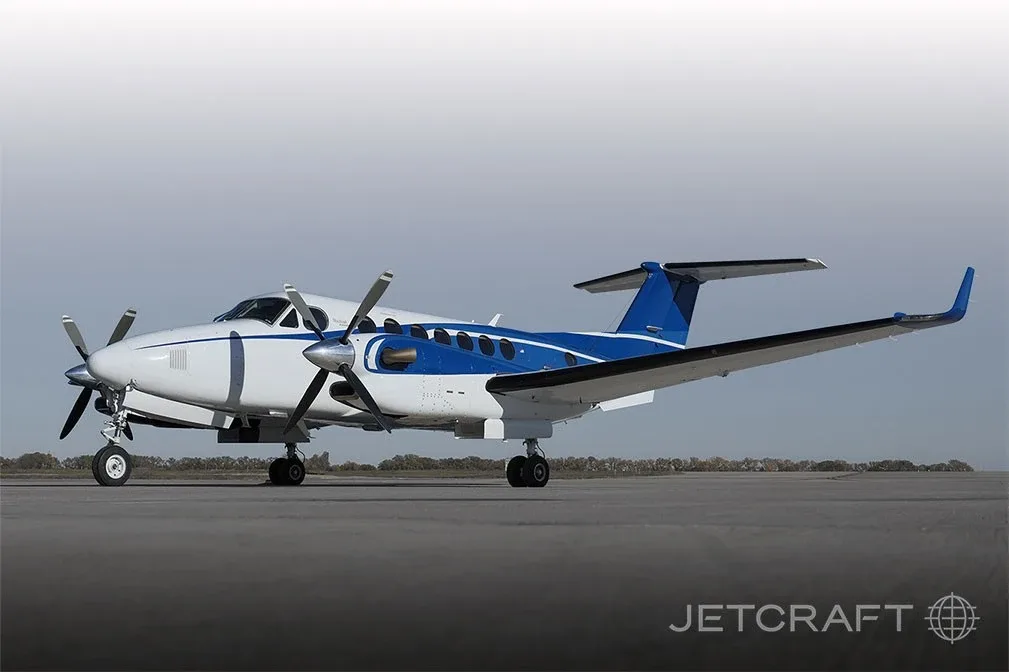
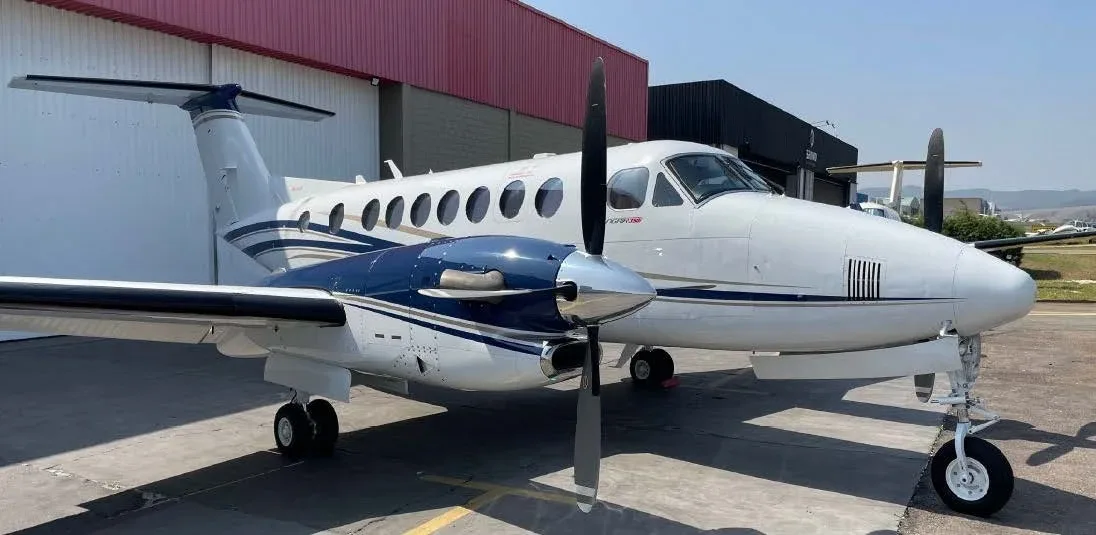
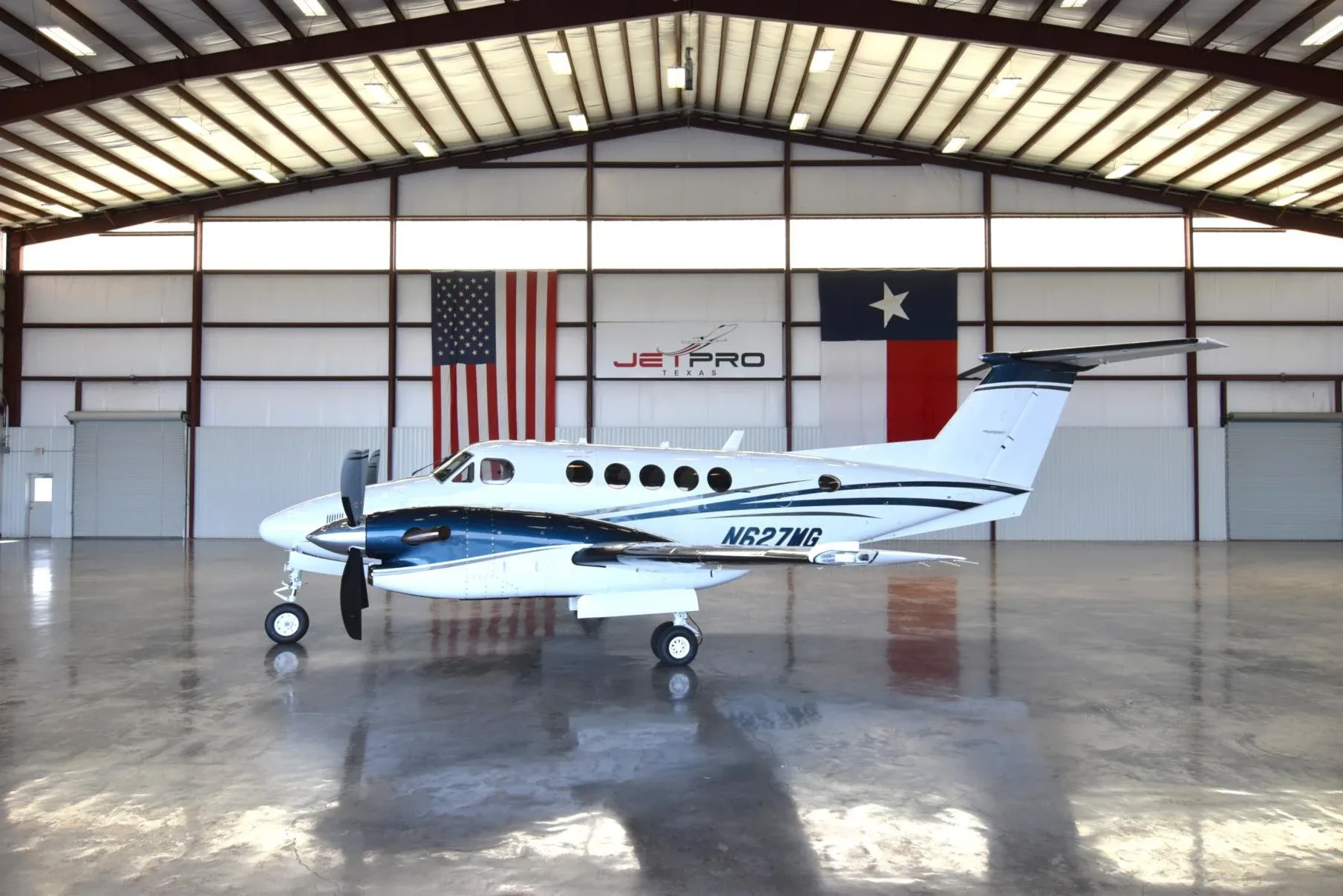
Free — save the 300 to your watchlist and track it in one place.
More BEECHCRAFT KING AIR 350Imanuals & documents
Related documents
- Beechcraft King Air 350 Model GuideBeechcraft King Air 350 · Model Guide
- Performance Data for Beechcraft King Air 360BEECHCRAFT KING AIR 350I · Performance Data
- Beechcraft King Air 360 Model GuideBeechcraft King Air 360 · Model Guide
- Beechcraft King Air 250 Model GuideBeechcraft King Air 250 · Model Guide
- Technical DataBeechcraft King Air 350 · Specifications
If you fly the BEECHCRAFT KING AIR 350I, you may also be researching these.
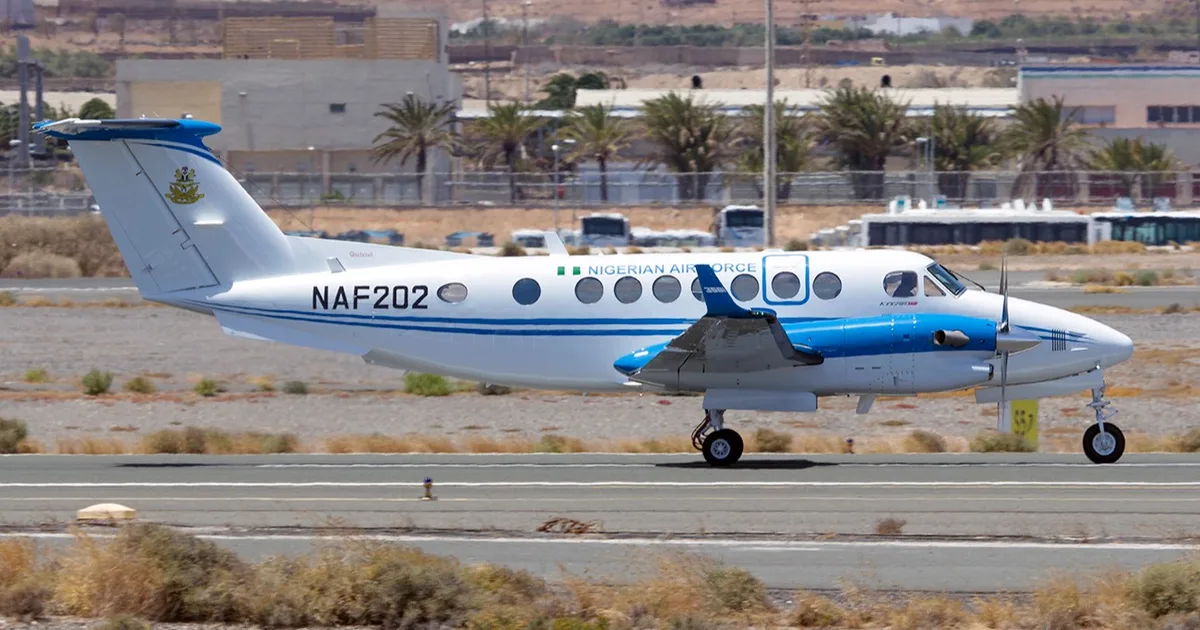



In this document
Cabin, airframe and equipment
The cabin is 24 ft 10 in long (forward bulkhead to aft bulkhead), 4 ft 6 in wide and 4 ft 9 in high, with a dropped aisle. It has a metallic square-oval fuselage, a straight wing with composite winglets and a T-tail. One interior and two exterior storage compartments carry baggage and cargo.
How the performance figures are defined
Figures assume a standard aircraft in ISA conditions with zero wind. Takeoff and landing lengths assume a flat, dry, hard sea-level runway. Takeoff field length is 3,300 ft at max takeoff weight. Landing distance is 2,692 ft with no prop reverse. Individual aircraft will vary.
What to check before buying
The specification is a general description. Seller may revise it, and the Aircraft Purchase Agreement controls if the two conflict. Confirm that the airframe matches the serial range. Budget for any modifications needed for international certification, which the purchaser pays for. Confirm RVSM approval.
Summary written by AI from the source document. Check the original before relying on it. See which parts of Sprinkle are written by AI.
Safety notes
- Do not exceed 263 KIAS (VMO) from sea level to 21,000 ft, or Mach 0.58 indicated (MMO). Design load limits with flaps up are -1.24 to +3.10G.
- Flap limit speeds are 202 KIAS (approach) and 158 KIAS (full down). Gear extension limit is 184 KIAS and retraction limit is 166 KIAS.
- Basic operating weight of 9,955 lb assumes one 200 lb pilot. Check actual weight and balance for each flight.
Summary written by AI from the source document. Check the original before relying on it. See which parts of Sprinkle are written by AI.
Full document text
BEECHCRAFT KING AIR 350I Model Guide The BEECHCRAFT KING AIR 350I is a twin-engine turboprop certified for a single pilot, with provisions for up to nine passengers (nine is standard). The August 2018 Textron Aviation specification covers serial numbers FL-1161 onward. It has two Pratt & Whitney Canada PT6A-60A engines, Hartzell four-blade propellers and a Rockwell Collins Pro Line Fusion avionics suite. • Maximum cruise is 312 KTAS (26,000 ft, 12,000 lb cruise weight, maximum cruise power). Maximum certified altitude is 35,000 ft. • NBAA IFR range is 1,485 NM at max weight with full fuel payload. Ferry range is 1,806 NM with one pilot and no payload. • Maximum takeoff weight and maximum landing weight are both 15,000 lb. Usable fuel is 3,611 lb. • Certified for flight into known icing. RVSM-compliant, but the operator needs specific approval to use RVSM airspace. Cabin, airframe and equipment The cabin is 24 ft 10 in long (forward bulkhead to aft bulkhead), 4 ft 6 in wide and 4 ft 9 in high, with a dropped aisle. It has a metallic square-oval fuselage, a straight wing with composite winglets and a T-tail. One interior and two exterior storage compartments carry baggage and cargo. How the performance figures are defined Figures assume a standard aircraft in ISA conditions with zero wind. Takeoff and landing lengths assume a flat, dry, hard sea-level runway. Takeoff field length is 3,300 ft at max takeoff weight. Landing distance is 2,692 ft with no prop reverse. Individual aircraft will vary. What to check before buying The specification is a general description. Seller may revise it, and the Aircraft Purchase Agreement controls if the two conflict. Confirm that the airframe matches the serial range. Budget for any modifications needed for international certification, which the purchaser pays for. Confirm RVSM approval. Safety notes: • Do not exceed 263 KIAS (VMO) from sea level to 21,000 ft, or Mach 0.58 indicated (MMO). Design load limits with flaps up are -1.24 to +3.10G. • Flap limit speeds are 202 KIAS (approach) and 158 KIAS (full down). Gear extension limit is 184 KIAS and retraction limit is 166 KIAS. • Basic operating weight of 9,955 lb assumes one 200 lb pilot. Check actual weight and balance for each flight.