Cessna 140 Model Guide
Cessna 140 · Model Guide
Overview
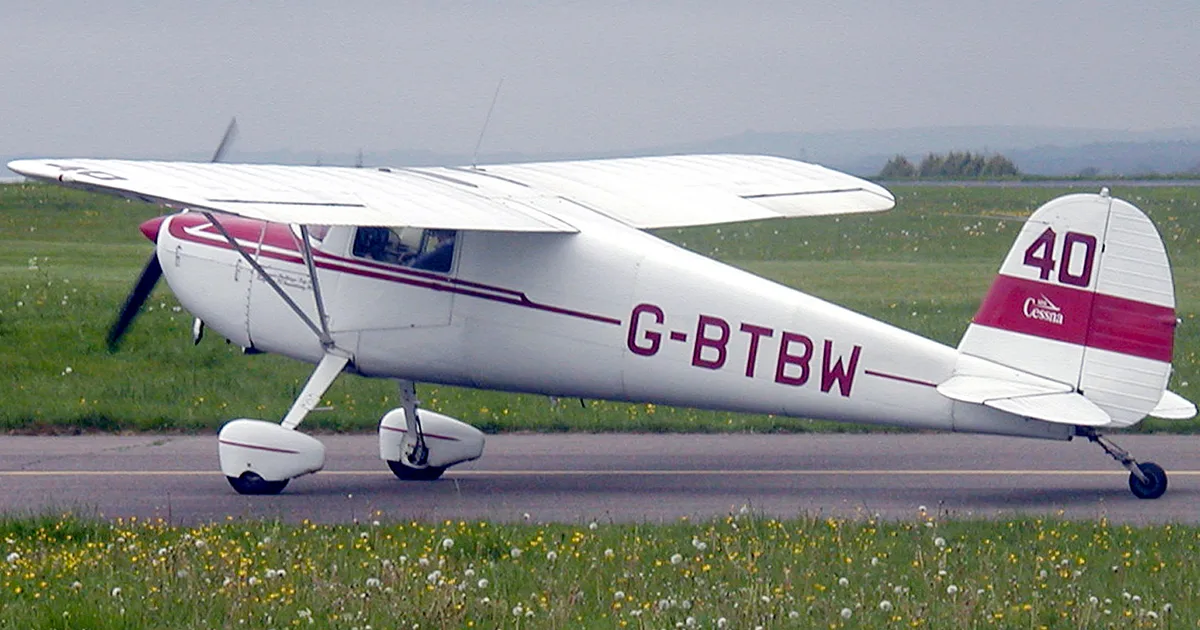
The Cessna 140 is a two-seat, single-engine piston tailwheel airplane built from 1946 to 1951, in 140 and 140A variants. It has all-metal monocoque construction with fabric-covered wings. Power is a Continental C85 or C90. This guide covers what it is, the weight limit, operating basics and what to check before buying.
- Two seats, piston power. The type certificate lists a 1450 lb maximum takeoff weight for the landplane.
- The POH calls the flight characteristics normal, with no unconventional handling to master.
- Check that the shoulder harness adjuster and seat belt bracket service items were done and logged.
- Check the logbooks for the mainspar cap corrosion directive and the generator drive coupling inspection.
Summary written by AI from the source document. Check the original before relying on it. See which parts of Sprinkle are written by AI.
Reference only, not for flight. Use the current approved manual for your aircraft. See terms, section 5.
Document
Source
Copy found at sprinkle.com. Sprinkle hosts a reference copy with an added summary, specifications and searchable full text.
Document details
- Type ·
- Model Guide
- Year ·
- 2026
- File size ·
- 48 KB
- Copy found at ·
- sprinkle.com
Specifications & performance
Extracted from this document.
Specifications
- Seats ·
- 2
- Max takeoff weight seaplane (lb) ·
- 1,556
- Max takeoff weight landplane (lb) ·
- 1,450
Performance
- Family max range (nm) ·
- 270
- Family max cruise speed (kt) ·
- 90
- Family max service ceiling (ft) ·
- 15,500
Weight & balance
- Max takeoff weight (lb) ·
- 1,450
What engines does the Cessna 140 use?
The Cessna 140 type data lists the Continental C85-12 or C85-12F. It also lists the C90-12F or C90-14F, on the 1948 model. Check which engine and propeller combination is installed against the type certificate data.
How fast and far does it go?
Registry data for the Cessna 140 family (140 and 140A) shows up to 270 nm range, up to 90 kt cruise and up to a 15500 ft ceiling. These are family-level maximums, not a guarantee for one airplane.
Is the Cessna 140 hard to fly?
The POH for the Cessna 140 and 120 says flight characteristics are normal in all respects. It says no unconventional operations need to be mastered, and the controls respond normally.
What paperwork should I check on a Cessna 140?
For a Cessna 140, check logbook entries for the shoulder harness adjuster directive and Service Bulletin SEB-25-03. Also check the mainspar cap corrosion directive and the generator coupling bushing inspection.
What is the Cessna 140 Model Guide?
The Cessna 140 Model Guide is a model guide for the Cessna 140, dated 2026.
What year was the Cessna 140 Model Guide published?
The Cessna 140 Model Guide — the Cessna 140 model guide on file — is dated 2026.
Common. More common than 98% of the aircraft models we track.
Most owners only have the POH. Here's the essential set for the Cessna 140.
- Pilot's Operating Handbook / AFM
- Checklist
- Maintenance Manual
- Parts Catalog (IPC)
- Systems & Wiring
- Service Bulletins on file
- Type Certificate (TCDS)
Cessna 140 for sale now
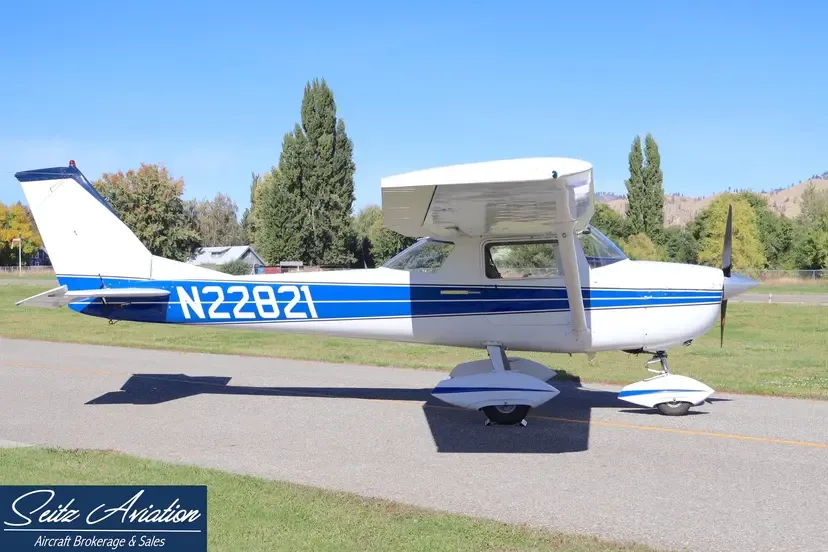
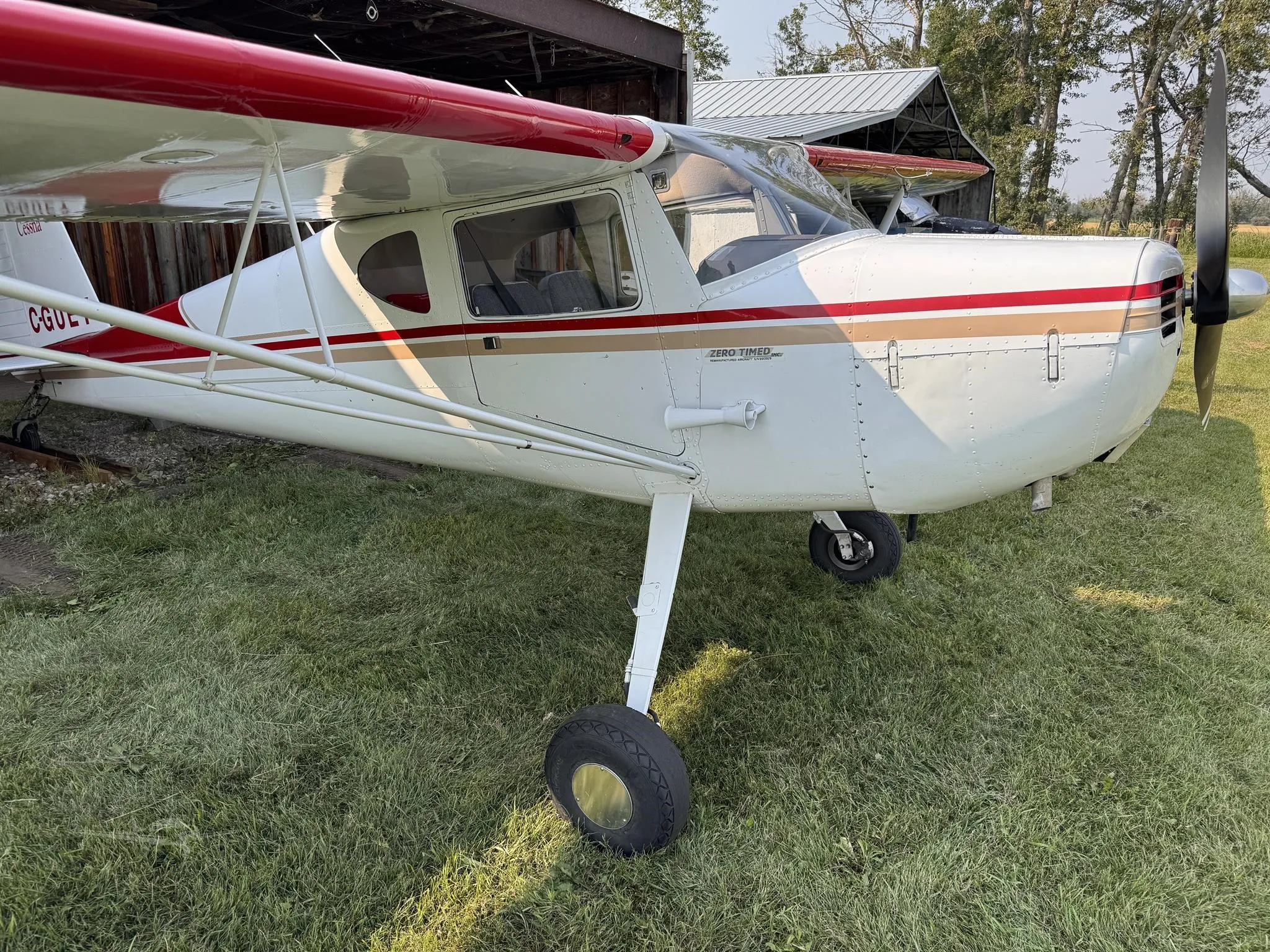
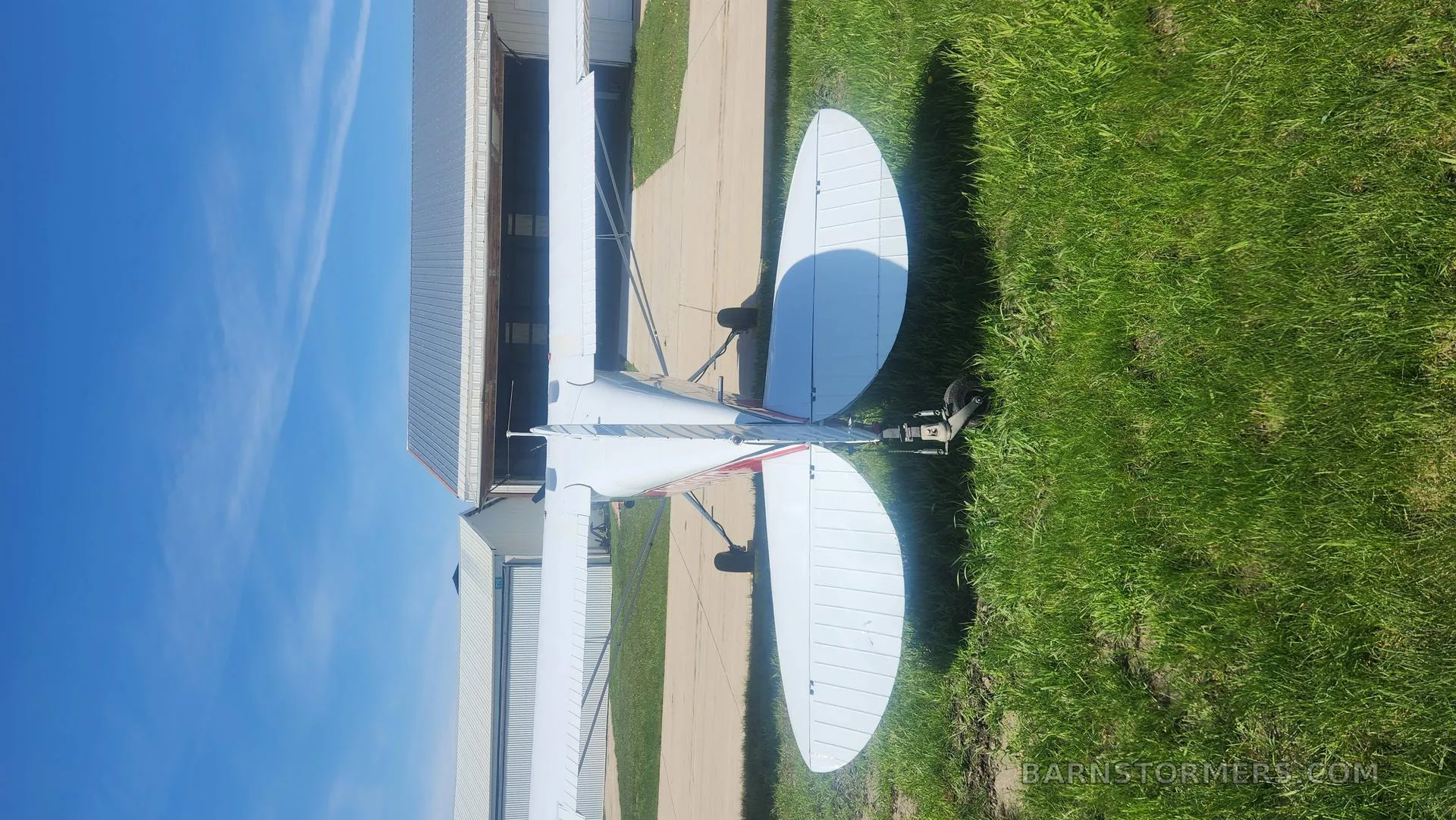
Free — save the 140 to your watchlist and track it in one place.
More Cessna 140manuals & documents
See all 13 →- CESSNA OWNER MAGAZINEPilot's Operating Handbook
- Airworthiness Concern SheetOther Documents
- SERVICE BULLETIN SEB-25-03Service Bulletins
- Type Acceptance Report TAR 9/21B/12 – Cessna 120/140Other Documents
- Airworthiness Directive AD/CESSNA 120/13 Upper Shoulder Harness Adjuster SpringService Bulletins
- Pilot's Operating Handbook for Cessna 140 and Cessna 120Pilot's Operating Handbook
- Cessna 140 Parts CatalogParts Catalog
- Cessna 140 Maintenance ManualParts Catalog
- PREFLIGHTChecklist
- Airplane Flight ManualFlight Manual
- Cessna 140 Parts CatalogParts Catalog
- Wiring Diagram for Cessna 140Wiring Diagrams
If you fly the Cessna 140, you may also be researching these.


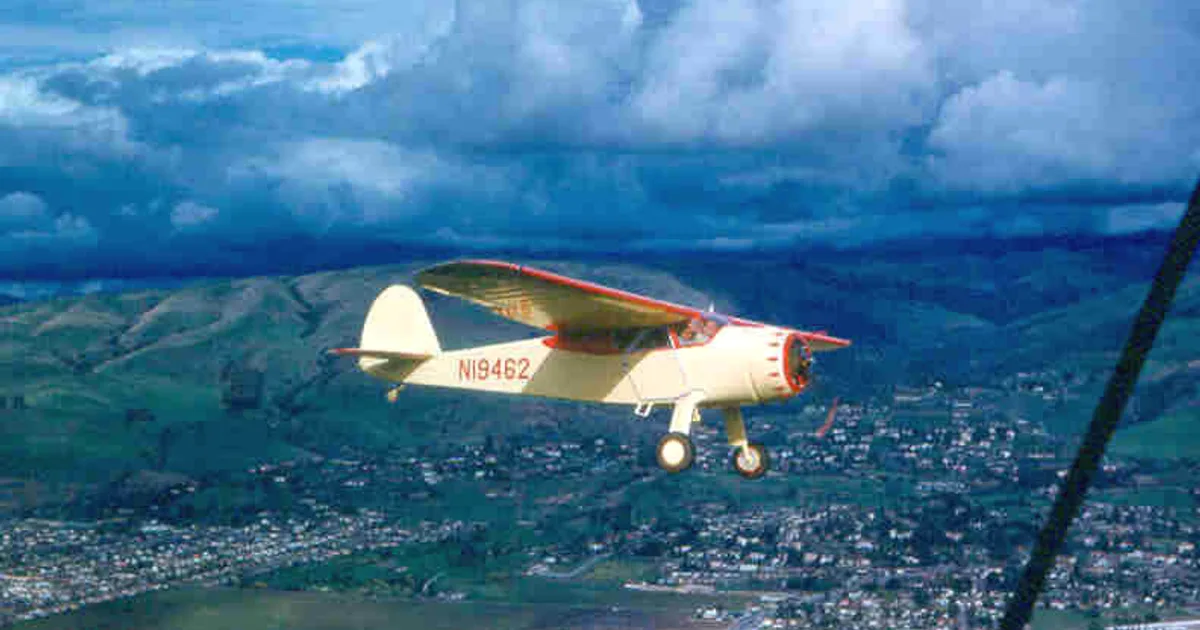


In this document
Engine and operating basics
Approved engines are the Continental C85-12, C85-12F, C90-12F and C90-14F. The POH says to keep the engine at 800 rpm or less for the first 60 seconds. Oil pressure should show within 30 seconds, and 30 to 40 psi before takeoff. Do not take off on less than 1/4 tank.
Airworthiness items to verify
The shoulder harness adjuster spring directive (P/N 443030-401) applies to the 120, 140 and 140A. Service Bulletin SEB-25-03 is mandatory seat belt bracket inspection for serials 8000 thru 15075. A South African directive index lists corrosion of mainspar caps for the 120, 140, 150 and 175.
Parts and electrical support
Cessna published parts catalogs for the 140 (1954) and the 140A (July 1951). Aftermarket suppliers list control cables, tailwheel leaf springs and air filters for C-85 and C-90 engines. One logged alteration replaced a 15A generator with a 35A unit and a circuit breaker.
Summary written by AI from the source document. Check the original before relying on it. See which parts of Sprinkle are written by AI.
Safety notes
- Do not run the engine above 800 rpm in the first 60 seconds. If there is no oil pressure within 30 seconds, stop and investigate.
- Drain a small amount of fuel from the strainer on the first flight of the day to check for free water.
- Confirm in the logbook that SEB-25-03 and the shoulder harness adjuster directive were complied with.
Summary written by AI from the source document. Check the original before relying on it. See which parts of Sprinkle are written by AI.
Full document text
Cessna 140 Model Guide The Cessna 140 is a two-seat, single-engine piston tailwheel airplane built from 1946 to 1951, in 140 and 140A variants. It has all-metal monocoque construction with fabric-covered wings. Power is a Continental C85 or C90. This guide covers what it is, the weight limit, operating basics and what to check before buying. • Two seats, piston power. The type certificate lists a 1450 lb maximum takeoff weight for the landplane. • The POH calls the flight characteristics normal, with no unconventional handling to master. • Check that the shoulder harness adjuster and seat belt bracket service items were done and logged. • Check the logbooks for the mainspar cap corrosion directive and the generator drive coupling inspection. Engine and operating basics Approved engines are the Continental C85-12, C85-12F, C90-12F and C90-14F. The POH says to keep the engine at 800 rpm or less for the first 60 seconds. Oil pressure should show within 30 seconds, and 30 to 40 psi before takeoff. Do not take off on less than 1/4 tank. Airworthiness items to verify The shoulder harness adjuster spring directive (P/N 443030-401) applies to the 120, 140 and 140A. Service Bulletin SEB-25-03 is mandatory seat belt bracket inspection for serials 8000 thru 15075. A South African directive index lists corrosion of mainspar caps for the 120, 140, 150 and 175. Parts and electrical support Cessna published parts catalogs for the 140 (1954) and the 140A (July 1951). Aftermarket suppliers list control cables, tailwheel leaf springs and air filters for C-85 and C-90 engines. One logged alteration replaced a 15A generator with a 35A unit and a circuit breaker. Safety notes: • Do not run the engine above 800 rpm in the first 60 seconds. If there is no oil pressure within 30 seconds, stop and investigate. • Drain a small amount of fuel from the strainer on the first flight of the day to check for free water. • Confirm in the logbook that SEB-25-03 and the shoulder harness adjuster directive were complied with.