CESSNA 150F Model Guide
CESSNA 150F · Model Guide
Overview
The CESSNA 150F is a single-engine piston aircraft from Cessna's 150 family, which lists up to 2 passengers. The documents supplied for this guide are a preflight and procedures checklist, not a POH. They show a carbureted engine, a generator, a suction gage and a fuel selector valve. Check the model-specific specifications and limits against the POH before you buy.
- Family-level registry data (all 150 variants): up to 520 nm range, up to 109 kt cruise, up to 700 kg MTOW, up to 20000 ft ceiling.
- Not variant-specific: the registry maxima cover the whole 150 family, not the 150F alone. Confirm the 150F's own figures in its POH.
- The checklist expects oil at 4-6 quarts and a 1700 RPM run-up with a magneto, carb heat, engine instrument and suction gage check.
- Checklist items to verify on any example: generator light not lit, fuel sumped for contaminants, fuel strainer pulled, static port clear.
Summary written by AI from the source document. Check the original before relying on it. See which parts of Sprinkle are written by AI.
Reference only, not for flight. Use the current approved manual for your aircraft. See terms, section 5.
Document
Source
Copy found at sprinkle.com. Sprinkle hosts a reference copy with an added summary, specifications and searchable full text.
Document details
- Type ·
- Model Guide
- Year ·
- 2026
- File size ·
- 44 KB
- Copy found at ·
- sprinkle.com
How many people does the CESSNA 150F carry?
The CESSNA 150F belongs to the 150 family, which the registry lists at up to 2 passengers. The supplied documents give no seat count specific to the 150F, so confirm it in the POH.
What is the CESSNA 150F's range and cruise speed?
No variant figures are supplied for the CESSNA 150F. The 150 family as a whole reaches up to 520 nm range and up to 109 kt cruise, but these maxima may not apply to this variant.
What oil level does the CESSNA 150F checklist expect?
The CESSNA 150F preflight checklist calls for 4-6 quarts of oil. It also tells you to sump the fuel tanks, pull the fuel strainer and check that the static port is clear.
What should I do if the CESSNA 150F engine fails?
On the CESSNA 150F checklist, hold 65 MPH, pick a landing area and turn toward it. If time allows, try mixture rich, carb heat on, fuel selector on and each magneto individually.
What is the CESSNA 150F Model Guide?
The CESSNA 150F Model Guide is a model guide for the CESSNA 150F, dated 2026.
What year was the CESSNA 150F Model Guide published?
The CESSNA 150F Model Guide — the CESSNA 150F model guide on file — is dated 2026.
Common. One of the most common aircraft types we track.
Most owners only have the POH. Here's the essential set for the CESSNA 150F.
- Pilot's Operating Handbook / AFM
- Checklist
- Maintenance Manual
- Parts Catalog (IPC)
- Systems & Wiring
- Service Bulletins on file
- Type Certificate (TCDS)
CESSNA 150F for sale now
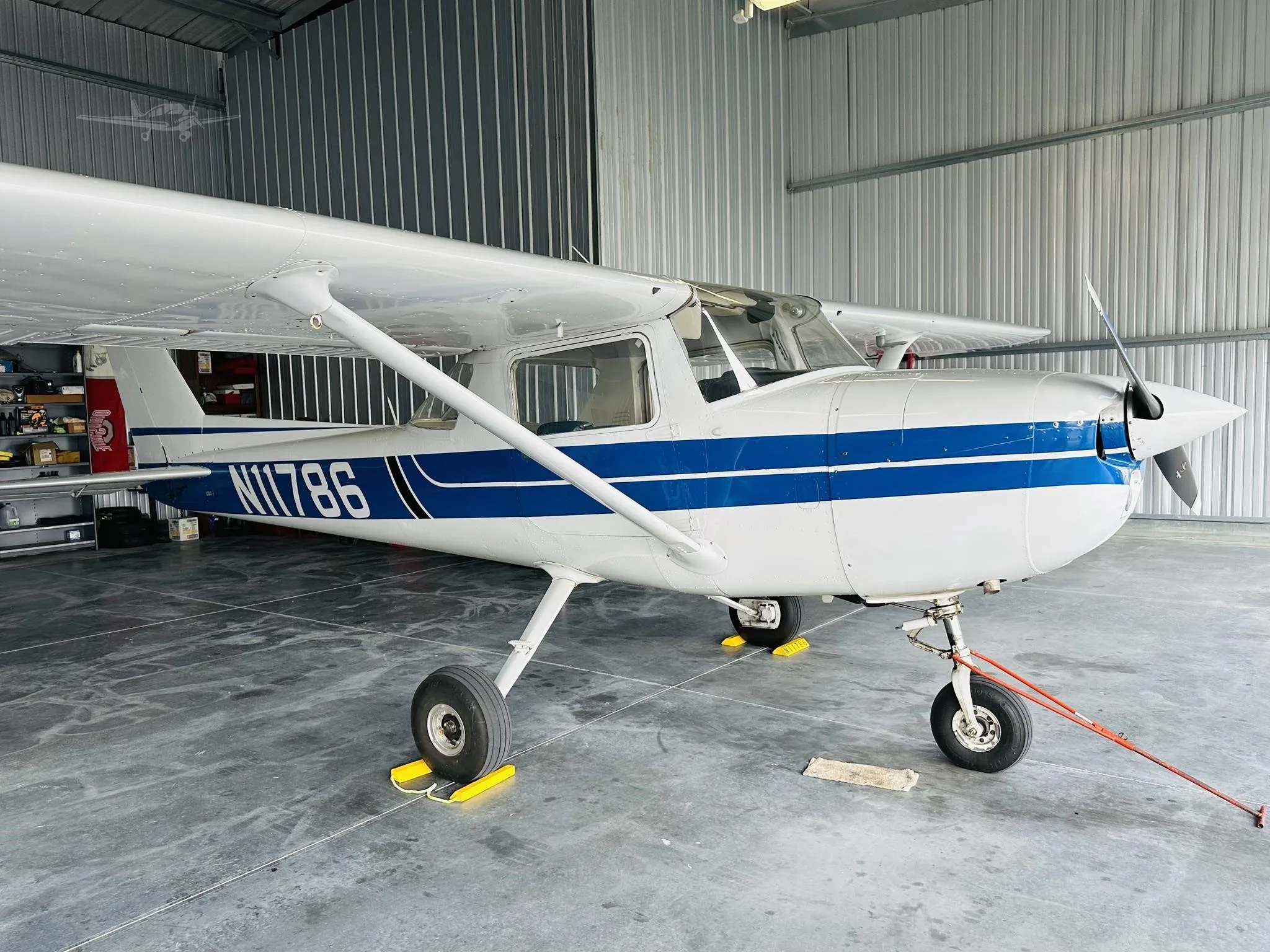
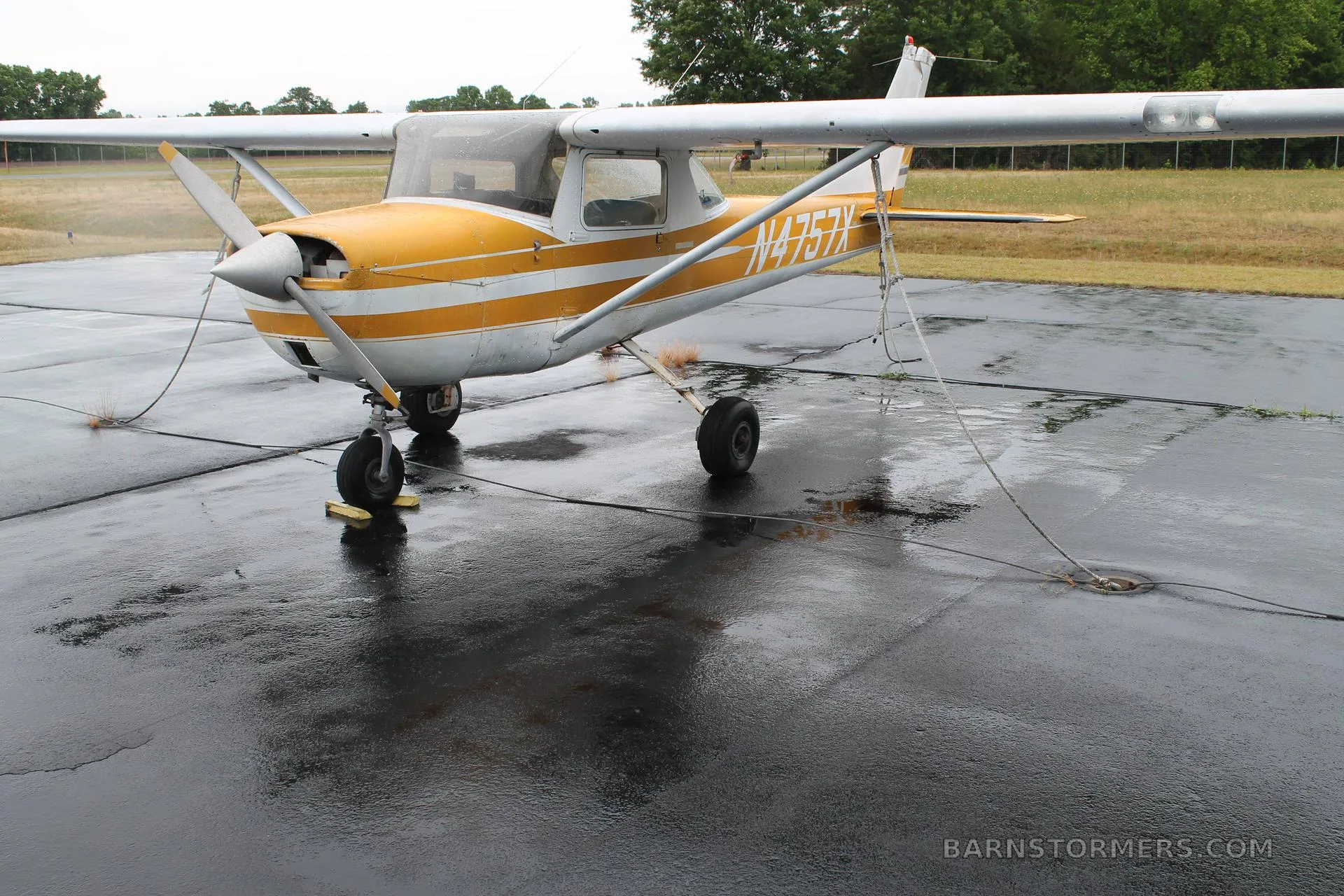
Free — save the 150 to your watchlist and track it in one place.
More CESSNA 150Fmanuals & documents
If you fly the CESSNA 150F, you may also be researching these.



In this document
What to inspect on a pre-buy
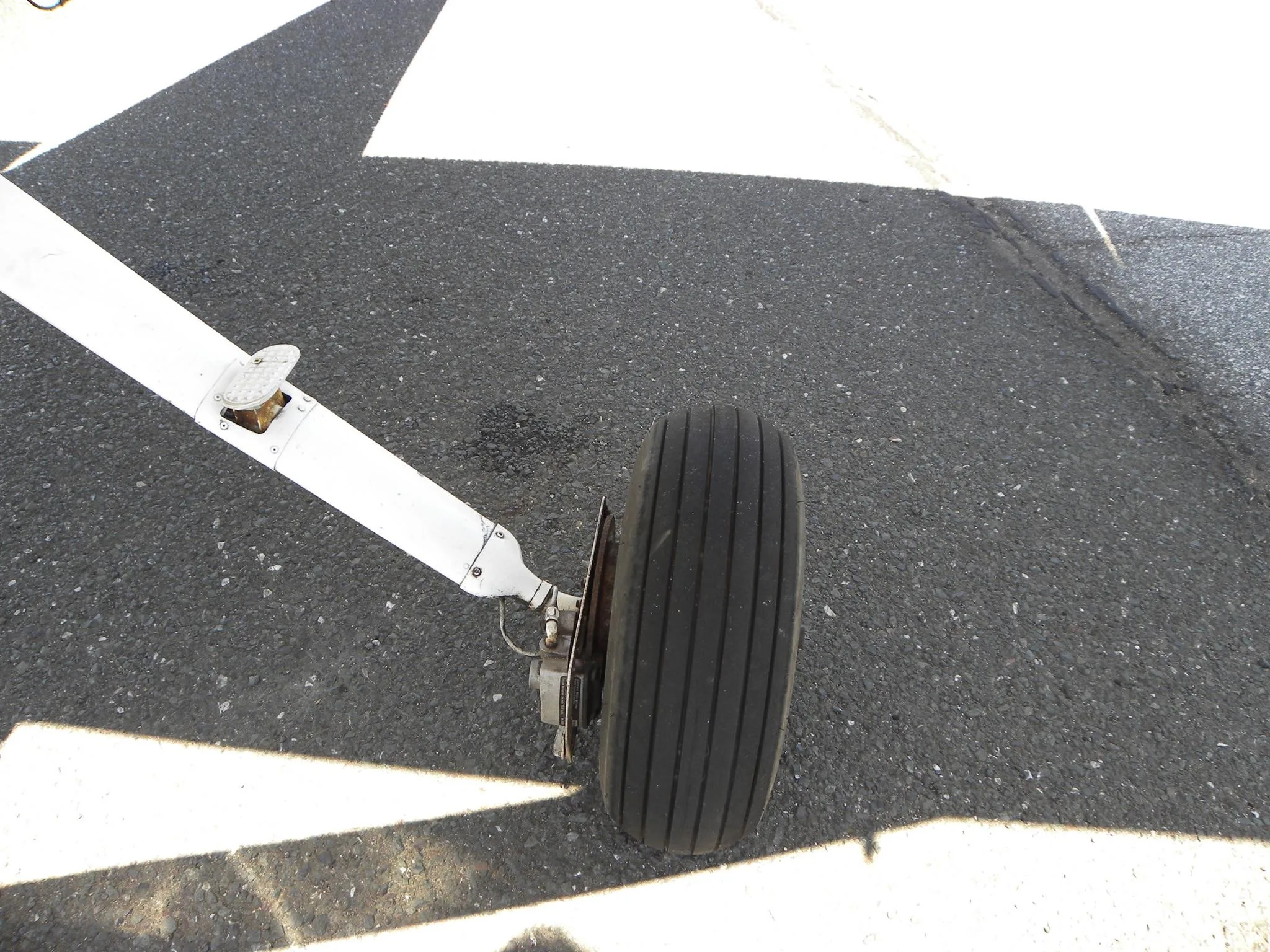
Follow the checklist's walk-around: empennage, elevator, rudder and VOR antenna, then both wings (flap security, ailerons, leading edges, wing tips, landing gear and brakes). Sump both fuel tanks for contaminants. Check the nose wheel, propeller, oil level (4-6 quarts), fuel strainer and static port. Inside, confirm the pitot heat, required lights and fuel quantity work.
Starting and engine behavior
The checklist gives separate normal, hot, cold and flooded starts. Crank for 3-5 blades. If the engine does not start in 3-5 turns of the prop, stop and try something different. On a cold start, prime 2-3 strokes and crank within 10-15 seconds at most. On a flooded start, set the mixture to idle and enrichen slowly once it fires. A hard-starting example deserves a close look.
Run-up and systems checks
At 1700 RPM, check the magnetos, carb heat, engine instruments and suction gage. The generator light should be not lit. Then idle, and 1000 RPM before releasing the brakes. Flaps are set to 10 for the cabin preflight, and the flight controls must be free and correct. Test each of these on a prospective purchase.
Summary written by AI from the source document. Check the original before relying on it. See which parts of Sprinkle are written by AI.
Safety notes
- Engine failure in flight: the checklist gives 65 MPH. Pick a landing area, then try mixture rich, carb heat on, fuel selector on and each magneto individually.
- Engine fire in flight: mixture idle/cutoff, fuel valve off, master off, 100 KIAS, then execute an emergency descent and forced landing.
- Engine fire on the ground: keep cranking the starter. If it fails to start, go full throttle, mixture cutoff, master, ignition and fuel valve off, then exit the aircraft.
Summary written by AI from the source document. Check the original before relying on it. See which parts of Sprinkle are written by AI.
Full document text
CESSNA 150F Model Guide The CESSNA 150F is a single-engine piston aircraft from Cessna's 150 family, which lists up to 2 passengers. The documents supplied for this guide are a preflight and procedures checklist, not a POH. They show a carbureted engine, a generator, a suction gage and a fuel selector valve. Check the model-specific specifications and limits against the POH before you buy. • Family-level registry data (all 150 variants): up to 520 nm range, up to 109 kt cruise, up to 700 kg MTOW, up to 20000 ft ceiling. • Not variant-specific: the registry maxima cover the whole 150 family, not the 150F alone. Confirm the 150F's own figures in its POH. • The checklist expects oil at 4-6 quarts and a 1700 RPM run-up with a magneto, carb heat, engine instrument and suction gage check. • Checklist items to verify on any example: generator light not lit, fuel sumped for contaminants, fuel strainer pulled, static port clear. What to inspect on a pre-buy Follow the checklist's walk-around: empennage, elevator, rudder and VOR antenna, then both wings (flap security, ailerons, leading edges, wing tips, landing gear and brakes). Sump both fuel tanks for contaminants. Check the nose wheel, propeller, oil level (4-6 quarts), fuel strainer and static port. Inside, confirm the pitot heat, required lights and fuel quantity work. Starting and engine behavior The checklist gives separate normal, hot, cold and flooded starts. Crank for 3-5 blades. If the engine does not start in 3-5 turns of the prop, stop and try something different. On a cold start, prime 2-3 strokes and crank within 10-15 seconds at most. On a flooded start, set the mixture to idle and enrichen slowly once it fires. A hard-starting example deserves a close look. Run-up and systems checks At 1700 RPM, check the magnetos, carb heat, engine instruments and suction gage. The generator light should be not lit. Then idle, and 1000 RPM before releasing the brakes. Flaps are set to 10 for the cabin preflight, and the flight controls must be free and correct. Test each of these on a prospective purchase. Safety notes: • Engine failure in flight: the checklist gives 65 MPH. Pick a landing area, then try mixture rich, carb heat on, fuel selector on and each magneto individually. • Engine fire in flight: mixture idle/cutoff, fuel valve off, master off, 100 KIAS, then execute an emergency descent and forced landing. • Engine fire on the ground: keep cranking the starter. If it fails to start, go full throttle, mixture cutoff, master, ignition and fuel valve off, then exit the aircraft.