CESSNA 150G Model Guide
CESSNA 150G · Model Guide
Overview
CESSNA 150G is a two-seat single-engine piston trainer in the Cessna 150 family. The sources hold no 150G-specific years, weights or balance data. The guide draws on the general Model 150 Owner's Manual, a flight-school checklist for a different Cessna 150, and family-level registry maximums. Confirm everything against the airframe's own papers.
- Two-seat piston trainer. Family-wide maximums are 2 passengers, 109 kt cruise and 520 nm range. These are not CESSNA 150G figures.
- Standard wings give 22.5 gal usable fuel. Optional long range wings give 35 gal usable. Check which wings the aircraft has.
- A flight-school checklist (later-model POH, H not listed) gives Vso 48, Vy 73 and Vne 162 MPH IAS. Verify against the 150G's own manual.
- The sources have no 150G weights, years or weight and balance data. Get the aircraft's own weight and balance records.
Summary written by AI from the source document. Check the original before relying on it. See which parts of Sprinkle are written by AI.
Reference only, not for flight. Use the current approved manual for your aircraft. See terms, section 5.
Document
Source
Copy found at sprinkle.com. Sprinkle hosts a reference copy with an added summary, specifications and searchable full text.
Document details
- Type ·
- Model Guide
- Year ·
- 2026
- File size ·
- 46 KB
- Copy found at ·
- sprinkle.com
Specifications & performance
Extracted from this document.
Specifications
- Total fuel standard (gal) ·
- 26
- Usable fuel standard (gal) ·
- 22.5
- Total fuel long range (gal) ·
- 38
- Unusable fuel standard (gal) ·
- 3.5
- Usable fuel long range (gal) ·
- 35
- Unusable fuel long range (gal) ·
- 3
Performance
- Family max range (nm) ·
- 520
- Family max cruise speed (kt) ·
- 109
- Family max service ceiling (ft) ·
- 20,000
How much fuel does the CESSNA 150G carry?
The Model 150 manual lists 22.5 gal usable with standard wings, 26 gal total. Optional long range wings give 35 gal usable, 38 gal total. Confirm which wings your CESSNA 150G has.
How fast and far does it go?
No CESSNA 150G-specific figures are in the sources. The 150 family reaches up to 109 kt cruise, 520 nm range and a 20000 ft service ceiling. Treat these as family maximums only.
How many people can it carry?
The family registry lists up to 2 passengers. The manual describes pilot and front passenger seats, and a child's seat can be fitted in the rear of the cabin. Check the CESSNA 150G's own weight and balance data.
Is the engine easy to start?
The manual says the engine ordinarily starts easily with one or two primer strokes when warm, up to six in cold weather. This is general Model 150 information, not specific to the CESSNA 150G.
What is the CESSNA 150G Model Guide?
The CESSNA 150G Model Guide is a model guide for the CESSNA 150G, dated 2026.
What year was the CESSNA 150G Model Guide published?
The CESSNA 150G Model Guide — the CESSNA 150G model guide on file — is dated 2026.
Common. One of the most common aircraft types we track.
Most owners only have the POH. Here's the essential set for the CESSNA 150G.
- Pilot's Operating Handbook / AFM
- Checklist
- Maintenance Manual
- Parts Catalog (IPC)
- Systems & Wiring
- Service Bulletins on file
- Type Certificate (TCDS)
CESSNA 150G for sale now
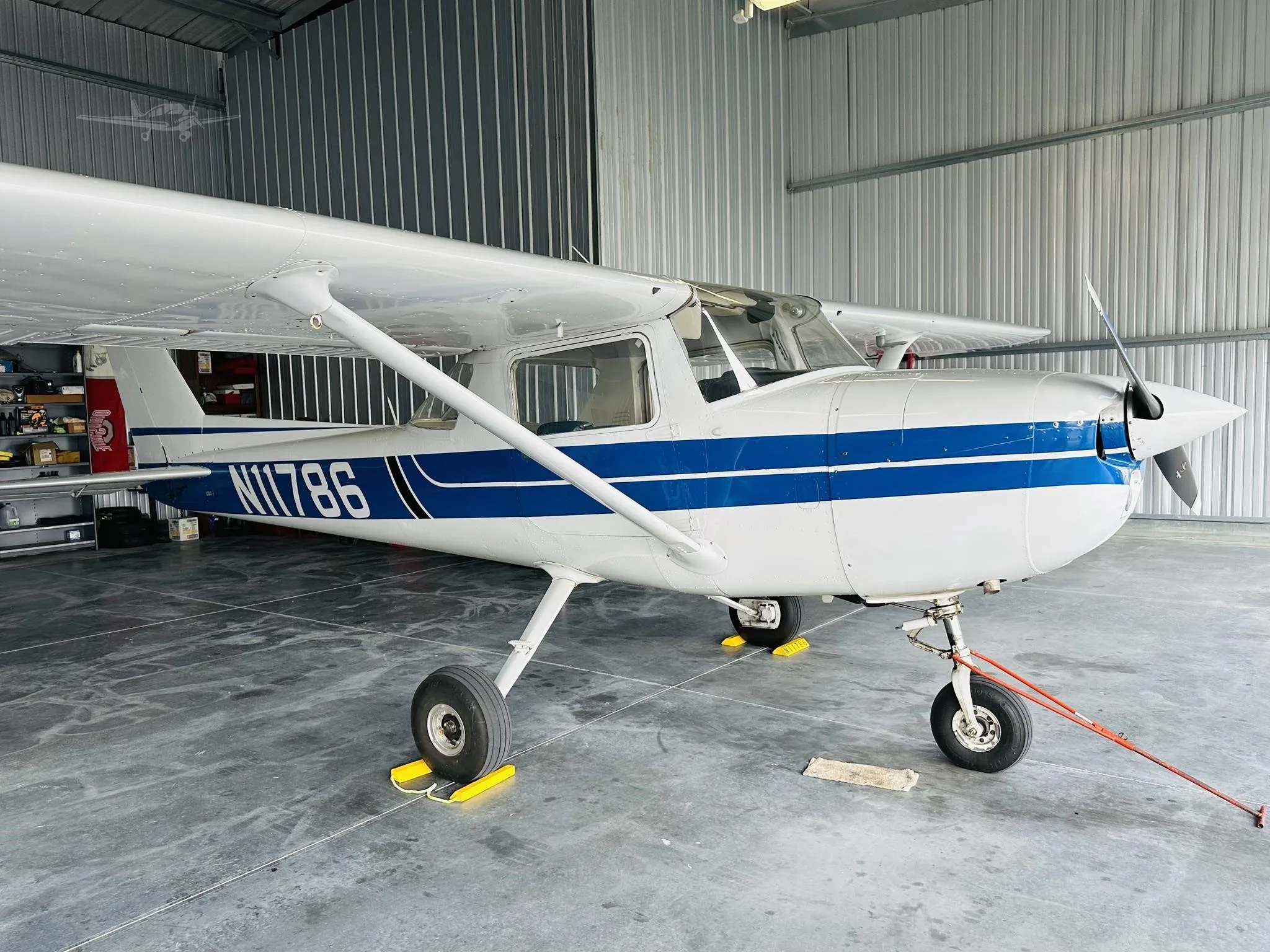
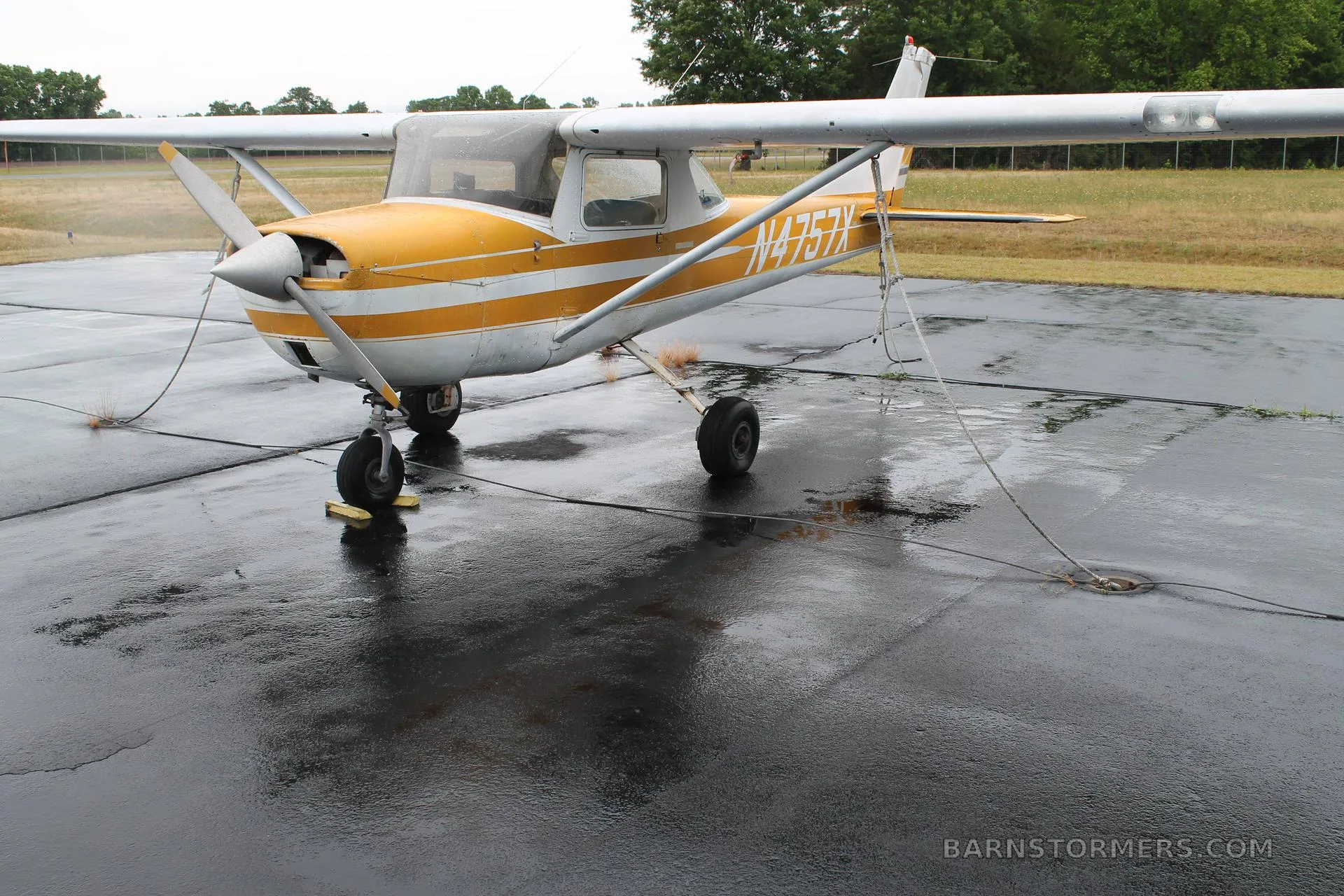
Free — save the 150 to your watchlist and track it in one place.
More CESSNA 150Gmanuals & documents
If you fly the CESSNA 150G, you may also be researching these.



In this document
Fuel and systems
Fuel comes from one tank in each wing and flows by gravity through a shutoff valve and strainer to the carburetor. The tanks cross-feed, so top them off again after each refueling. Power is a 14-volt alternator with a 12-volt battery. Flaps are electric, taking about 9 seconds to extend fully and about 6 to retract. An over-voltage light warns of alternator shutdown.
What to check on inspection
Oil: do not operate with less than four quarts, and fill to six for extended flight. Drain the fuel strainer for about four seconds and look for water. Check tires and nose strut inflation, and check the static port, pitot tube, stall warning and fuel vent for stoppage. Check the propeller for nicks. At 1700 RPM, the manual allows a magneto drop of 150 RPM with 75 RPM differential. The flight-school checklist allows 125 and 50.
Handling speeds from the documents
The manual says to lift the nose wheel at 55 MPH and climb at 70 to 80 MPH. It gives 60 to 70 MPH on approach with flaps extended. The flight-school checklist gives rotation at 50 MPH, Vx 57, Vy 73, and landing at 71 MPH clean or 62 MPH flaps down. It lists a demonstrated crosswind of 13 MPH. All speeds are indicated.
Summary written by AI from the source document. Check the original before relying on it. See which parts of Sprinkle are written by AI.
Safety notes
- If the oil gage shows no pressure within 30 seconds in summer, or about twice that in very cold weather, stop the engine and investigate.
- Do not use the flashing beacon in clouds or overcast. It can cause vertigo and loss of orientation.
- Apply full carburetor heat before closing the throttle on approach. Avoid carburetor heat after starting unless icing conditions prevail.
Summary written by AI from the source document. Check the original before relying on it. See which parts of Sprinkle are written by AI.
Full document text
CESSNA 150G Model Guide CESSNA 150G is a two-seat single-engine piston trainer in the Cessna 150 family. The sources hold no 150G-specific years, weights or balance data. The guide draws on the general Model 150 Owner's Manual, a flight-school checklist for a different Cessna 150, and family-level registry maximums. Confirm everything against the airframe's own papers. • Two-seat piston trainer. Family-wide maximums are 2 passengers, 109 kt cruise and 520 nm range. These are not CESSNA 150G figures. • Standard wings give 22.5 gal usable fuel. Optional long range wings give 35 gal usable. Check which wings the aircraft has. • A flight-school checklist (later-model POH, H not listed) gives Vso 48, Vy 73 and Vne 162 MPH IAS. Verify against the 150G's own manual. • The sources have no 150G weights, years or weight and balance data. Get the aircraft's own weight and balance records. Fuel and systems Fuel comes from one tank in each wing and flows by gravity through a shutoff valve and strainer to the carburetor. The tanks cross-feed, so top them off again after each refueling. Power is a 14-volt alternator with a 12-volt battery. Flaps are electric, taking about 9 seconds to extend fully and about 6 to retract. An over-voltage light warns of alternator shutdown. What to check on inspection Oil: do not operate with less than four quarts, and fill to six for extended flight. Drain the fuel strainer for about four seconds and look for water. Check tires and nose strut inflation, and check the static port, pitot tube, stall warning and fuel vent for stoppage. Check the propeller for nicks. At 1700 RPM, the manual allows a magneto drop of 150 RPM with 75 RPM differential. The flight-school checklist allows 125 and 50. Handling speeds from the documents The manual says to lift the nose wheel at 55 MPH and climb at 70 to 80 MPH. It gives 60 to 70 MPH on approach with flaps extended. The flight-school checklist gives rotation at 50 MPH, Vx 57, Vy 73, and landing at 71 MPH clean or 62 MPH flaps down. It lists a demonstrated crosswind of 13 MPH. All speeds are indicated. Safety notes: • If the oil gage shows no pressure within 30 seconds in summer, or about twice that in very cold weather, stop the engine and investigate. • Do not use the flashing beacon in clouds or overcast. It can cause vertigo and loss of orientation. • Apply full carburetor heat before closing the throttle on approach. Avoid carburetor heat after starting unless icing conditions prevail.