CESSNA 150 G5 Model Guide
CESSNA 150 G5 · Model Guide
Overview
CESSNA 150 G5 is a single-engine piston aircraft in the Cessna 150 family. The library entry has no year, seat or spec data, so the figures here come from two pilot checklists plus family-level registry maximums. Use them as a starting point and verify against the aircraft's POH and logbooks before buying.
- Family registry data: carries up to 2 passengers, up to 109 kt cruise and up to 520 nm range. These are family maximums, not CESSNA 150 G5 figures.
- Checklists give rotation at 50-55 KIAS, climb at 60-70 KIAS and a 60 KIAS final approach. Engine oil is 4-6 quarts.
- Run-up is at 1700 RPM. One checklist allows a 150 RPM mag drop with a 75 RPM maximum difference.
- The checklists stress sampling every fuel sump and checking carb heat, aileron and flap linkages, brakes and tires.
Summary written by AI from the source document. Check the original before relying on it. See which parts of Sprinkle are written by AI.
Reference only, not for flight. Use the current approved manual for your aircraft. See terms, section 5.
Document
Source
Copy found at sprinkle.com. Sprinkle hosts a reference copy with an added summary, specifications and searchable full text.
Document details
- Type ·
- Model Guide
- Year ·
- 2026
- File size ·
- 46 KB
- Copy found at ·
- sprinkle.com
Specifications & performance
Extracted from this document.
V-speeds
- VS1_STALL_MPH ·
- 55
- VY_BEST_RATE_MPH ·
- 72
- VFE_MAX_FLAPS_MPH ·
- 100
- VX_BEST_ANGLE_MPH ·
- 52
- VBG_BEST_GLIDE_MPH ·
- 65
- VNO_MAX_CRUISE_MPH ·
- 120
- VNE_NEVER_EXCEED_MPH ·
- 162
- VSO_LANDING_STALL_MPH ·
- 48
How many people can the CESSNA 150 G5 carry?
The registry data for the Cessna 150 family shows a maximum of 2 passengers. The CESSNA 150 G5 library entry itself gives no seat count, so confirm the configuration in the aircraft's documents.
What oil quantity does the CESSNA 150 G5 checklist call for?
Both checklists give an engine oil check of 4 to 6 quarts. The first checklist's preflight also includes sampling the strainer drain.
What approach speed do the checklists give for the CESSNA 150 G5?
The first checklist gives 60 KIAS on final, and 55 KIAS with flaps down for an engine-out landing. Use the POH for exact figures for the aircraft you are buying.
Do the sources give weights or fuel capacity for the CESSNA 150 G5?
No. The sources have no weight and balance or fuel capacity data for the CESSNA 150 G5. The only weight figure is the family maximum takeoff weight of up to 700 kg, so check the POH.
What is the CESSNA 150 G5 Model Guide?
The CESSNA 150 G5 Model Guide is a model guide for the CESSNA 150 G5, dated 2026.
What year was the CESSNA 150 G5 Model Guide published?
The CESSNA 150 G5 Model Guide — the CESSNA 150 G5 model guide on file — is dated 2026.
Common. One of the most common aircraft types we track.
Most owners only have the POH. Here's the essential set for the CESSNA 150 G5.
- Pilot's Operating Handbook / AFM
- Checklist
- Maintenance Manual
- Parts Catalog (IPC)
- Systems & Wiring
- Service Bulletins on file
- Type Certificate (TCDS)
CESSNA 150 G5 for sale now
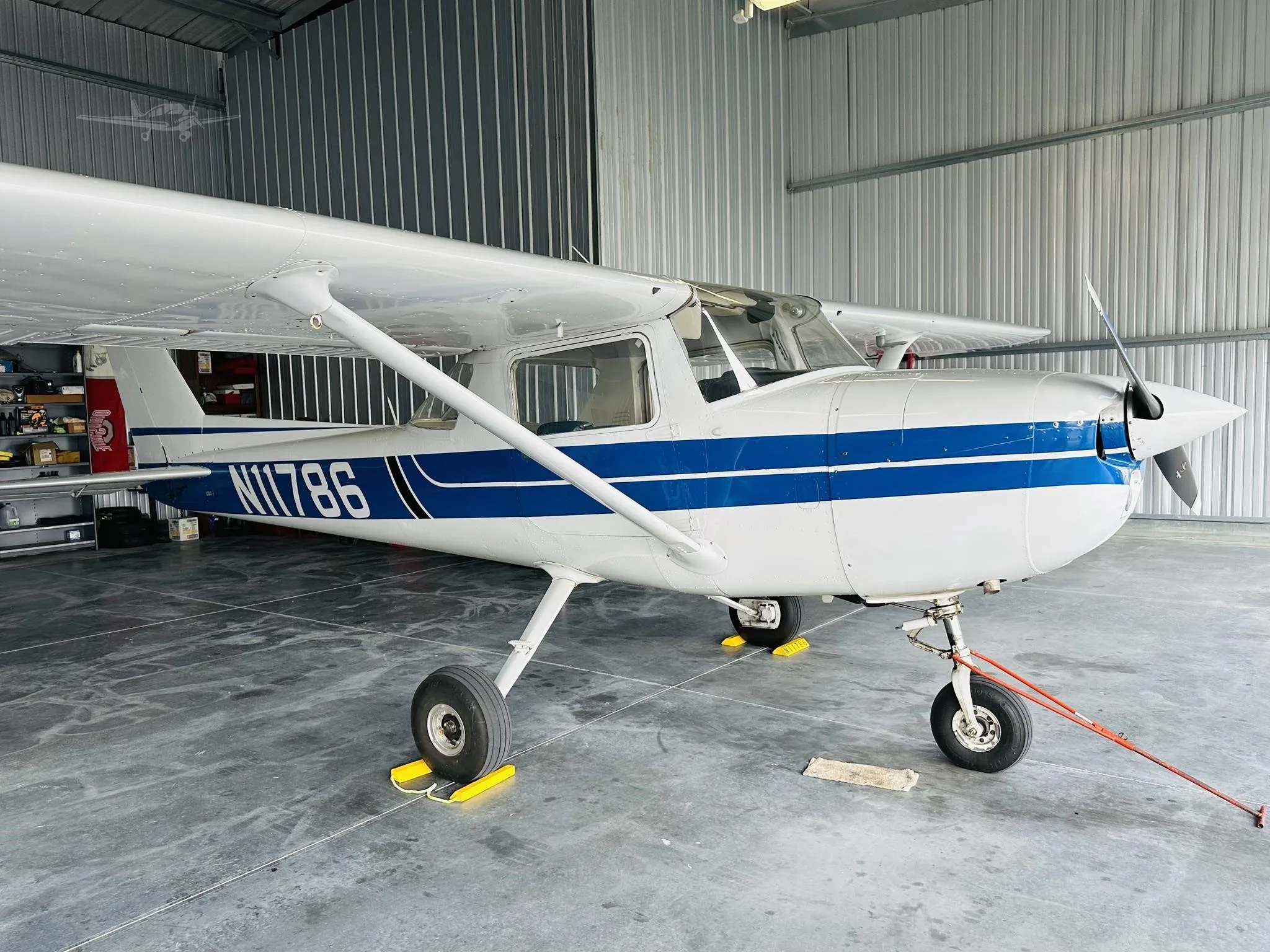
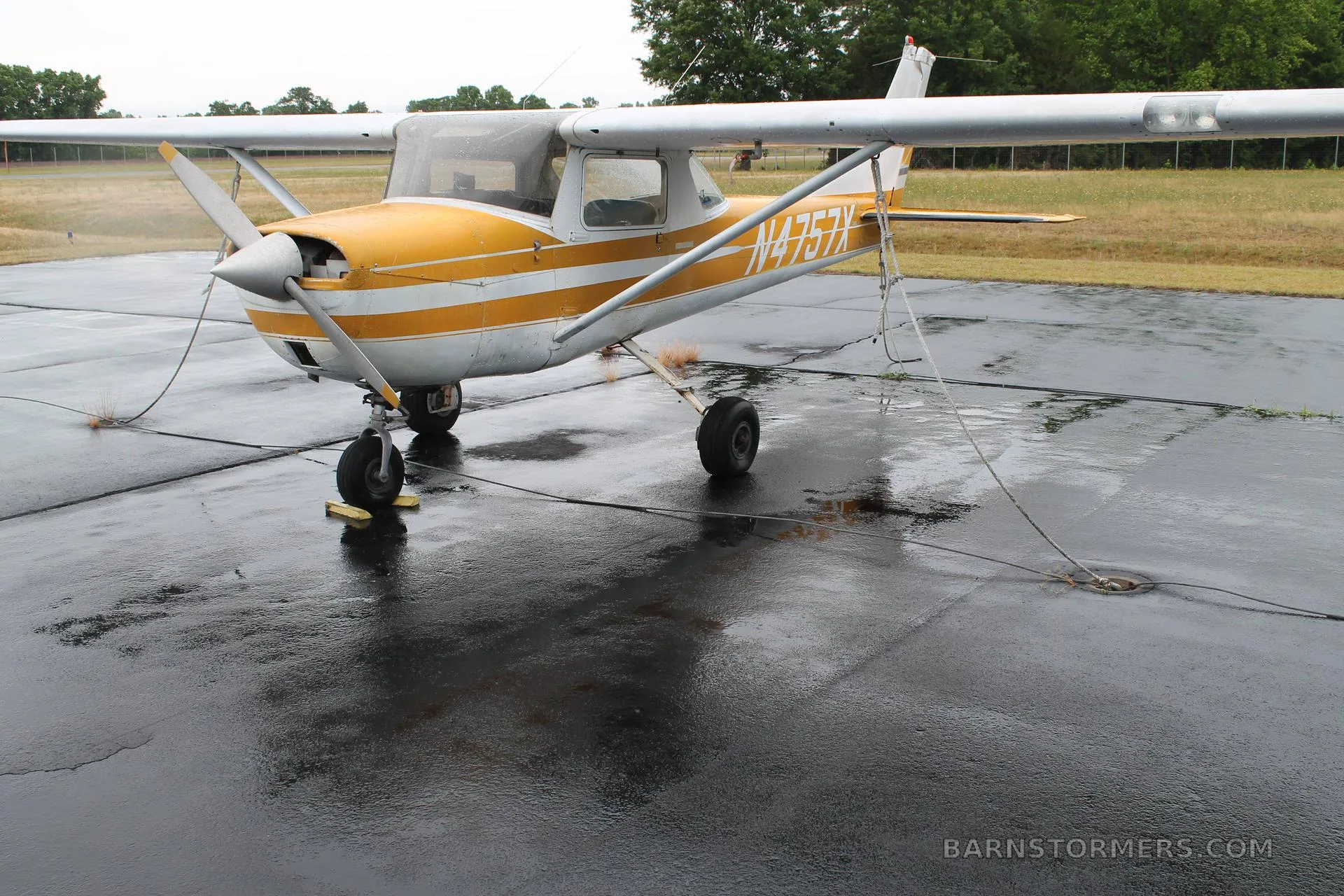
Free — save the 150 to your watchlist and track it in one place.
More CESSNA 150 G5manuals & documents
- Data Sheet AD5940/AD5941V Speeds Reference
- Product Data SheetV Speeds Reference
- A Comparison of the V2X Communication Systems: ITS-G5 and C-V2XPerformance Data
- Product Information SheetSpecifications
- Airworthiness Directives for CESSNA 150 G5Airworthiness Directives
- CESSNA 150 CHECKLISTChecklist
- Checklist for CESSNA 150 G5Checklist
- Checklist for Cessna 150 G5Checklist
- AIRPLANE FLIGHT MANUAL SUPPLEMENTSystems Description
- GI 275 Part 23 AML STC Airplane Flight Manual SupplementFlight Manual Supplement
If you fly the CESSNA 150 G5, you may also be researching these.



In this document
Speeds and performance
Family level only: up to 109 kt cruise, 520 nm range, 20000 ft service ceiling and 700 kg MTOW. One 150G checklist lists Vx 52, Vy 72 at sea level (66 at 10,000 ft), Vs1 55, Vso 48, Vfe 100, Vno 120, Vne 162 and best glide 65, in mph. Compare these with the POH.
What to check when inspecting
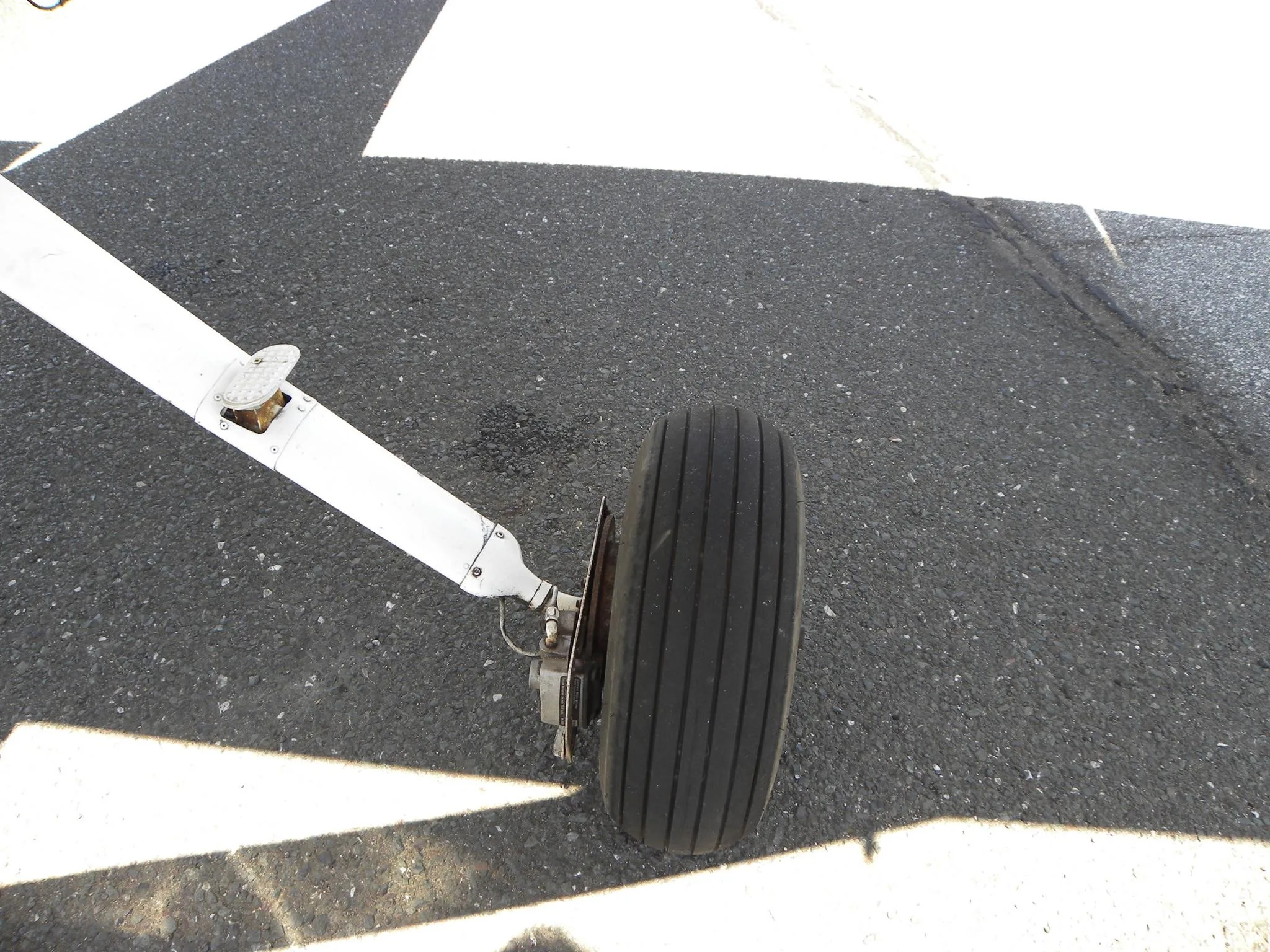
Sample both wing sumps and the belly drain for water or debris. Check the fuel tank vents, tires and brakes for leaks, and the aileron connecting rods, hinges and counterweights. Check the flap connections, the prop for cracks, and the air filter and static port. Look for skin wrinkles at the empennage, the stall warning opening, and the ammeter and vacuum in run-up.
Operating notes
Cruise power is given as 2000-2700 RPM in one checklist and 2000-2750 in the other. Lean the mixture above 3000 ft. Use 75-80 mph in climb for engine cooling. Carb heat goes on before closing the throttle. If oil pressure does not show within 30 seconds of start, shut down. One checklist says its aircraft's parking brake is inoperative.
Summary written by AI from the source document. Check the original before relying on it. See which parts of Sprinkle are written by AI.
Safety notes
- Engine failure just after takeoff: land ahead within 30 degrees of the centerline and do not attempt a 180 degree turn. Fly 60 KIAS.
- Carburettor icing is a listed hazard: use carb heat on descent and before closing the throttle, and check it during run-up.
- Electrical fire in flight: master switch off, other switches off except ignition, vents and heat off, then use the extinguisher.
Summary written by AI from the source document. Check the original before relying on it. See which parts of Sprinkle are written by AI.
Full document text
CESSNA 150 G5 Model Guide CESSNA 150 G5 is a single-engine piston aircraft in the Cessna 150 family. The library entry has no year, seat or spec data, so the figures here come from two pilot checklists plus family-level registry maximums. Use them as a starting point and verify against the aircraft's POH and logbooks before buying. • Family registry data: carries up to 2 passengers, up to 109 kt cruise and up to 520 nm range. These are family maximums, not CESSNA 150 G5 figures. • Checklists give rotation at 50-55 KIAS, climb at 60-70 KIAS and a 60 KIAS final approach. Engine oil is 4-6 quarts. • Run-up is at 1700 RPM. One checklist allows a 150 RPM mag drop with a 75 RPM maximum difference. • The checklists stress sampling every fuel sump and checking carb heat, aileron and flap linkages, brakes and tires. Speeds and performance Family level only: up to 109 kt cruise, 520 nm range, 20000 ft service ceiling and 700 kg MTOW. One 150G checklist lists Vx 52, Vy 72 at sea level (66 at 10,000 ft), Vs1 55, Vso 48, Vfe 100, Vno 120, Vne 162 and best glide 65, in mph. Compare these with the POH. What to check when inspecting Sample both wing sumps and the belly drain for water or debris. Check the fuel tank vents, tires and brakes for leaks, and the aileron connecting rods, hinges and counterweights. Check the flap connections, the prop for cracks, and the air filter and static port. Look for skin wrinkles at the empennage, the stall warning opening, and the ammeter and vacuum in run-up. Operating notes Cruise power is given as 2000-2700 RPM in one checklist and 2000-2750 in the other. Lean the mixture above 3000 ft. Use 75-80 mph in climb for engine cooling. Carb heat goes on before closing the throttle. If oil pressure does not show within 30 seconds of start, shut down. One checklist says its aircraft's parking brake is inoperative. Safety notes: • Engine failure just after takeoff: land ahead within 30 degrees of the centerline and do not attempt a 180 degree turn. Fly 60 KIAS. • Carburettor icing is a listed hazard: use carb heat on descent and before closing the throttle, and check it during run-up. • Electrical fire in flight: master switch off, other switches off except ignition, vents and heat off, then use the extinguisher.