CESSNA 150H Model Guide
CESSNA 150H · Model Guide
Overview
CESSNA 150H is a single-engine piston aircraft in the Cessna 150 family. Registry data for the whole family lists up to 2 passengers, up to 109 kt cruise, up to 520 nm range and up to 20000 ft ceiling. The supplied documents are generic Cessna 150 checklists, not 150H-specific manuals, so confirm every figure against the aircraft's own POH.
- Fuel: 26 gallons total, of which 22.5 gallons is usable, per the checklist. Oil: minimum 4 quarts, maximum 6 quarts.
- Family-level maxima only: up to 109 kt cruise, 520 nm range, 20000 ft ceiling and 700 kg MTOW. These are not 150H-specific figures.
- Both documents are generic Cessna 150 checklists. Check them against the 150H POH and logbooks before buying.
Summary written by AI from the source document. Check the original before relying on it. See which parts of Sprinkle are written by AI.
Reference only, not for flight. Use the current approved manual for your aircraft. See terms, section 5.
Document
Source
Copy found at sprinkle.com. Sprinkle hosts a reference copy with an added summary, specifications and searchable full text.
Document details
- Type ·
- Model Guide
- Year ·
- 2026
- File size ·
- 45 KB
- Copy found at ·
- sprinkle.com
Specifications & performance
Extracted from this document.
Specifications
- Usable fuel (gal) ·
- 22.5
- Fuel capacity total (gal) ·
- 26
How much fuel does the CESSNA 150H carry?
The Cessna 150 checklist lists 26 gallons total, 13 gallons per wing, with 22.5 gallons usable. It is generic to the Cessna 150, so confirm it for the CESSNA 150H in the POH.
How many people can it carry?
Registry data for the Cessna 150 family, which includes the CESSNA 150H, lists a maximum of 2 passengers. This is a family-level figure.
What is the magneto check limit?
For the CESSNA 150H, the checklists give a 1700 RPM run-up check with a maximum 150 RPM drop and a 75 RPM difference between magnetos. Confirm in the POH.
What oil level should it have?
The checklists give a minimum of 4 quarts and a maximum of 6 quarts. Check the level at pre-flight on your CESSNA 150H.
What is the CESSNA 150H Model Guide?
The CESSNA 150H Model Guide is a model guide for the CESSNA 150H, dated 2026.
What year was the CESSNA 150H Model Guide published?
The CESSNA 150H Model Guide — the CESSNA 150H model guide on file — is dated 2026.
Common. One of the most common aircraft types we track.
Most owners only have the POH. Here's the essential set for the CESSNA 150H.
- Pilot's Operating Handbook / AFM
- Checklist
- Maintenance Manual
- Parts Catalog (IPC)
- Systems & Wiring
- Service Bulletins on file
- Type Certificate (TCDS)
CESSNA 150H for sale now
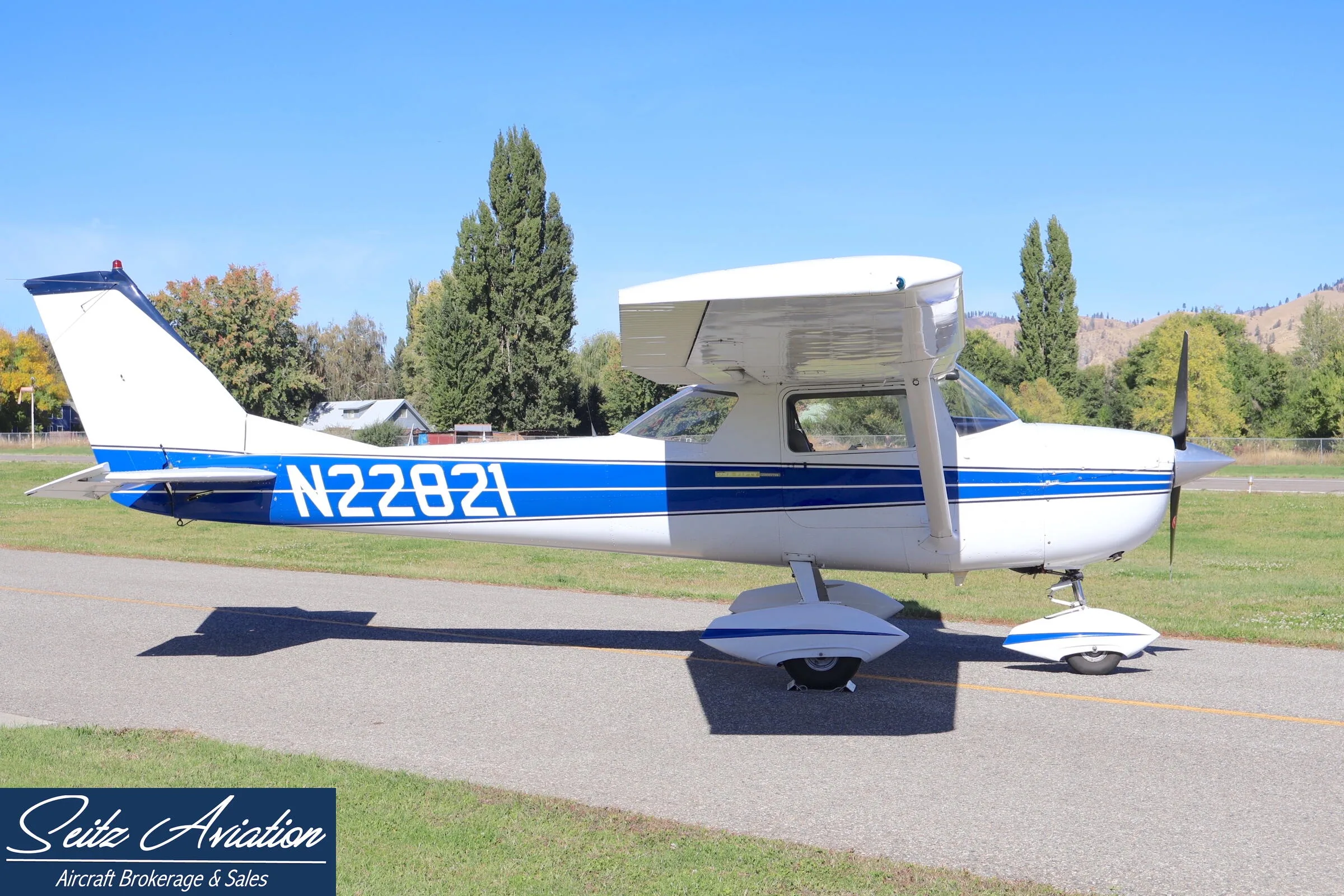
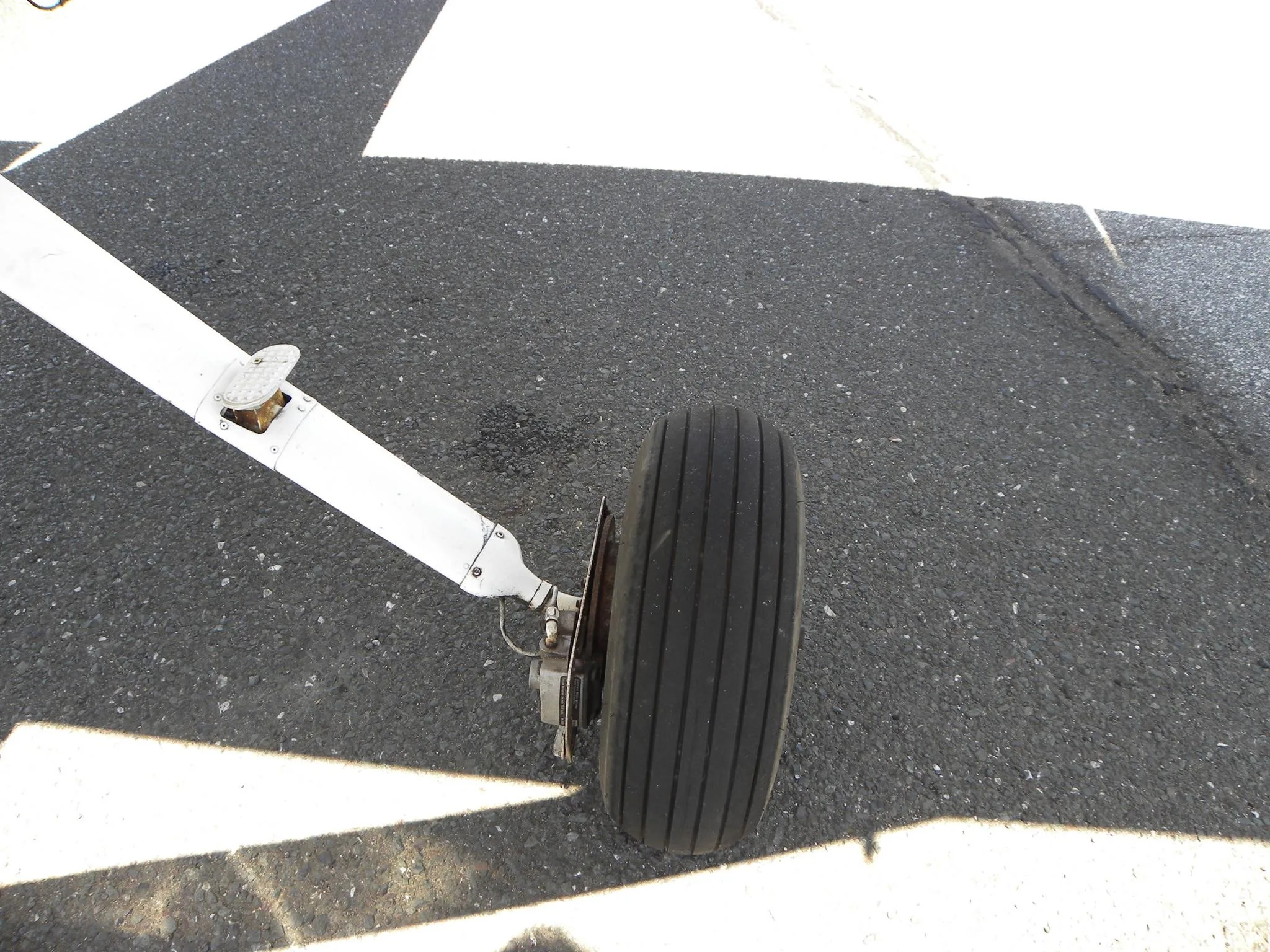
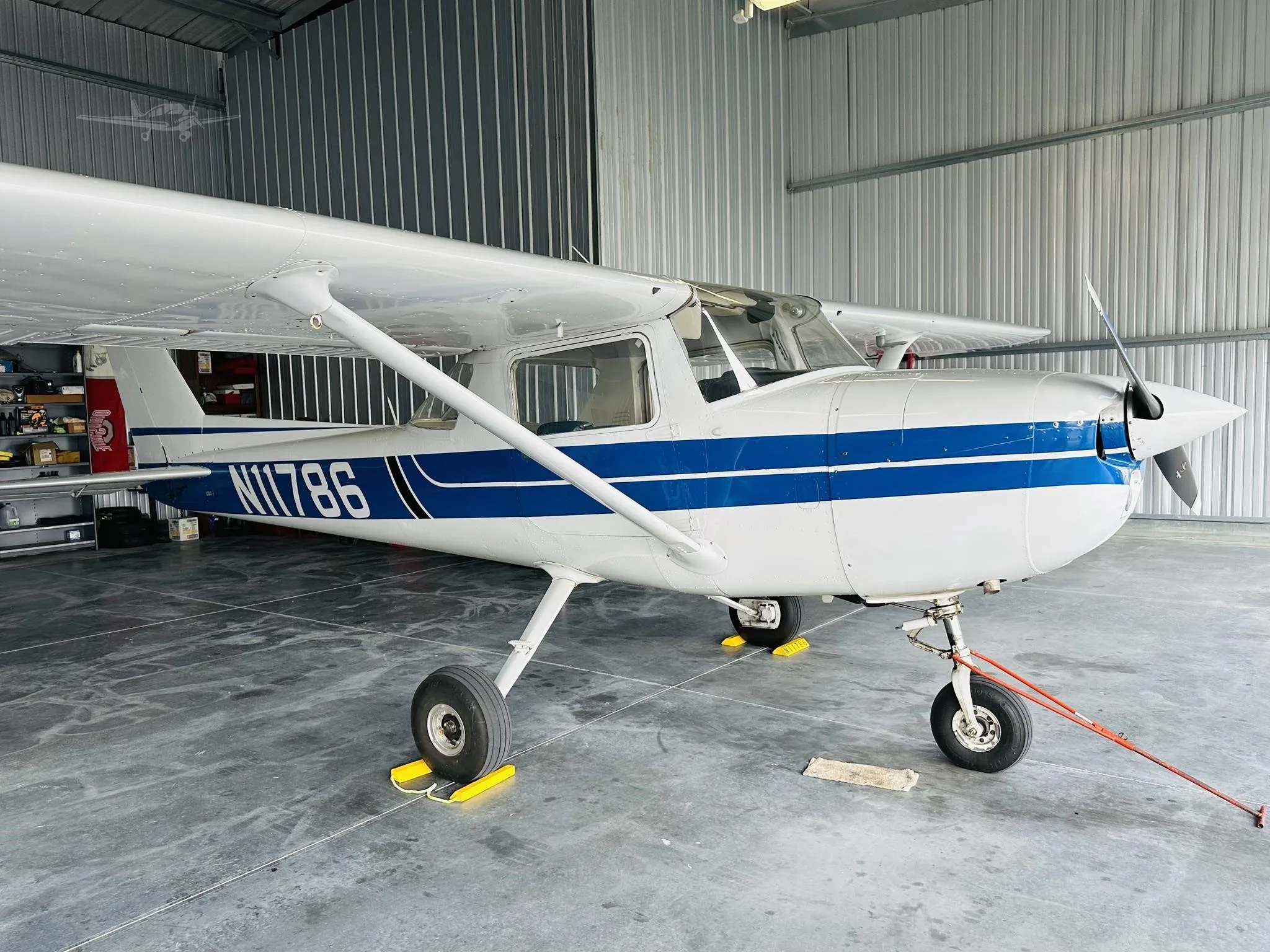
Free — save the 150 to your watchlist and track it in one place.
More CESSNA 150Hmanuals & documents
If you fly the CESSNA 150H, you may also be researching these.



In this document
Speeds quoted in the checklists
One checklist gives Vso 48 MPH, Vs 55, Vr 55, Vx 64, Vy 72, Vfe 100, Va 109, Vno 120, Vne 162 and best glide 65 MPH. The other gives rotate at 50-55 KIAS, climb 60-70 KIAS, final approach 60 KIAS, and glide 60 KIAS flaps up or 55 flaps down. The two differ, so use the POH.
What to check on inspection
The checklists call for sampling the fuel sumps at each tank, plus the collector tank and strainer drain. They also call for checking oil level, air filter, static port, fuel vent, stall warning, nose strut and tire, tie-downs and the ELT antenna. Run-up at 1700 RPM: magneto drop should not exceed 150 RPM, with no more than 75 RPM difference between magnetos.
Engine and electrical behaviour
Run-up checks include carb heat, ammeter, suction and engine instruments. Rough running procedures cover mixture, carb heat and a magneto check, L then R then Both. For a fouled plug, the checklist suggests a full-throttle lean-out and limits it to two attempts. Faults that persist mean returning to the ramp for maintenance.
Summary written by AI from the source document. Check the original before relying on it. See which parts of Sprinkle are written by AI.
Safety notes
- Engine fire in flight: mixture to cut-off, fuel valve off, then execute a forced landing.
- Spin recovery (PARE): power idle, ailerons neutral, full opposite rudder, elevator briskly forward.
- Electrical fire: master off, then do NOT reset circuit breakers. Bring electrics back on one at a time.
Summary written by AI from the source document. Check the original before relying on it. See which parts of Sprinkle are written by AI.
Full document text
CESSNA 150H Model Guide CESSNA 150H is a single-engine piston aircraft in the Cessna 150 family. Registry data for the whole family lists up to 2 passengers, up to 109 kt cruise, up to 520 nm range and up to 20000 ft ceiling. The supplied documents are generic Cessna 150 checklists, not 150H-specific manuals, so confirm every figure against the aircraft's own POH. • Fuel: 26 gallons total, of which 22.5 gallons is usable, per the checklist. Oil: minimum 4 quarts, maximum 6 quarts. • Family-level maxima only: up to 109 kt cruise, 520 nm range, 20000 ft ceiling and 700 kg MTOW. These are not 150H-specific figures. • Both documents are generic Cessna 150 checklists. Check them against the 150H POH and logbooks before buying. Speeds quoted in the checklists One checklist gives Vso 48 MPH, Vs 55, Vr 55, Vx 64, Vy 72, Vfe 100, Va 109, Vno 120, Vne 162 and best glide 65 MPH. The other gives rotate at 50-55 KIAS, climb 60-70 KIAS, final approach 60 KIAS, and glide 60 KIAS flaps up or 55 flaps down. The two differ, so use the POH. What to check on inspection The checklists call for sampling the fuel sumps at each tank, plus the collector tank and strainer drain. They also call for checking oil level, air filter, static port, fuel vent, stall warning, nose strut and tire, tie-downs and the ELT antenna. Run-up at 1700 RPM: magneto drop should not exceed 150 RPM, with no more than 75 RPM difference between magnetos. Engine and electrical behaviour Run-up checks include carb heat, ammeter, suction and engine instruments. Rough running procedures cover mixture, carb heat and a magneto check, L then R then Both. For a fouled plug, the checklist suggests a full-throttle lean-out and limits it to two attempts. Faults that persist mean returning to the ramp for maintenance. Safety notes: • Engine fire in flight: mixture to cut-off, fuel valve off, then execute a forced landing. • Spin recovery (PARE): power idle, ailerons neutral, full opposite rudder, elevator briskly forward. • Electrical fire: master off, then do NOT reset circuit breakers. Bring electrics back on one at a time.