CESSNA A-152 Aerobat Model Guide
CESSNA A-152 Aerobat · Model Guide
Overview
The CESSNA A-152 Aerobat is a single-engine piston trainer, the aerobatic-capable variant in the Cessna 152 family. This guide draws only on a University of Oklahoma School of Aviation Studies checklist (updated Dec 12, 2019). It covers operating limits and what to inspect. It has no price or full performance data.
- Aerobatics and spins only with an authorized aerobatic instructor. The checklist says no IFR operations are authorized in the A-152.
- Before aerobatic flight, parachutes must have been repacked within the last 180 days.
- Run-up magneto check at 1700 RPM: maximum drop of 125 on each magneto, with a 50 differential.
- At every preflight, note tach time remaining to the 100 hr / annual inspection.
Summary written by AI from the source document. Check the original before relying on it. See which parts of Sprinkle are written by AI.
Reference only, not for flight. Use the current approved manual for your aircraft. See terms, section 5.
Document
Source
Copy found at sprinkle.com. Sprinkle hosts a reference copy with an added summary, specifications and searchable full text.
Document details
- Type ·
- Model Guide
- Year ·
- 2026
- File size ·
- 46 KB
- Copy found at ·
- sprinkle.com
Specifications & performance
Extracted from this document.
V-speeds
- BEST_GLIDE_CLEAN_KTS ·
- 65
- OFF_AIRPORT_APPROACH_FLAPS_EXT_KTS ·
- 60
Can the CESSNA A-152 Aerobat be flown IFR?
Per the University of Oklahoma checklist, no IFR operations are authorized in the CESSNA A-152 Aerobat. Aerobatics and spins are also not allowed without an authorized aerobatic instructor.
What should I check on a CESSNA A-152 Aerobat before aerobatics?
For the CESSNA A-152 Aerobat, check that the parachutes were repacked within the last 180 days. Stow loose items, inspect the seatbelts and harness, and review 14 CFR 91.303.
What glide speed does the CESSNA A-152 Aerobat checklist give?
The checklist for the CESSNA A-152 Aerobat gives 65 kts clean for best glide after engine failure. For an off-airport landing it gives 60 kts with flaps extended.
What is the CESSNA A-152 Aerobat Model Guide?
The CESSNA A-152 Aerobat Model Guide is a model guide for the CESSNA A-152 Aerobat, dated 2026.
What year was the CESSNA A-152 Aerobat Model Guide published?
The CESSNA A-152 Aerobat Model Guide — the CESSNA A-152 Aerobat model guide on file — is dated 2026.
Common. More common than 99% of the aircraft models we track.
Most owners only have the POH. Here's the essential set for the CESSNA A-152 Aerobat.
- Pilot's Operating Handbook / AFM
- Checklist
- Maintenance Manual
- Parts Catalog (IPC)
- Systems & Wiring
- Service Bulletins on file
- Type Certificate (TCDS)
CESSNA A-152 Aerobat for sale now
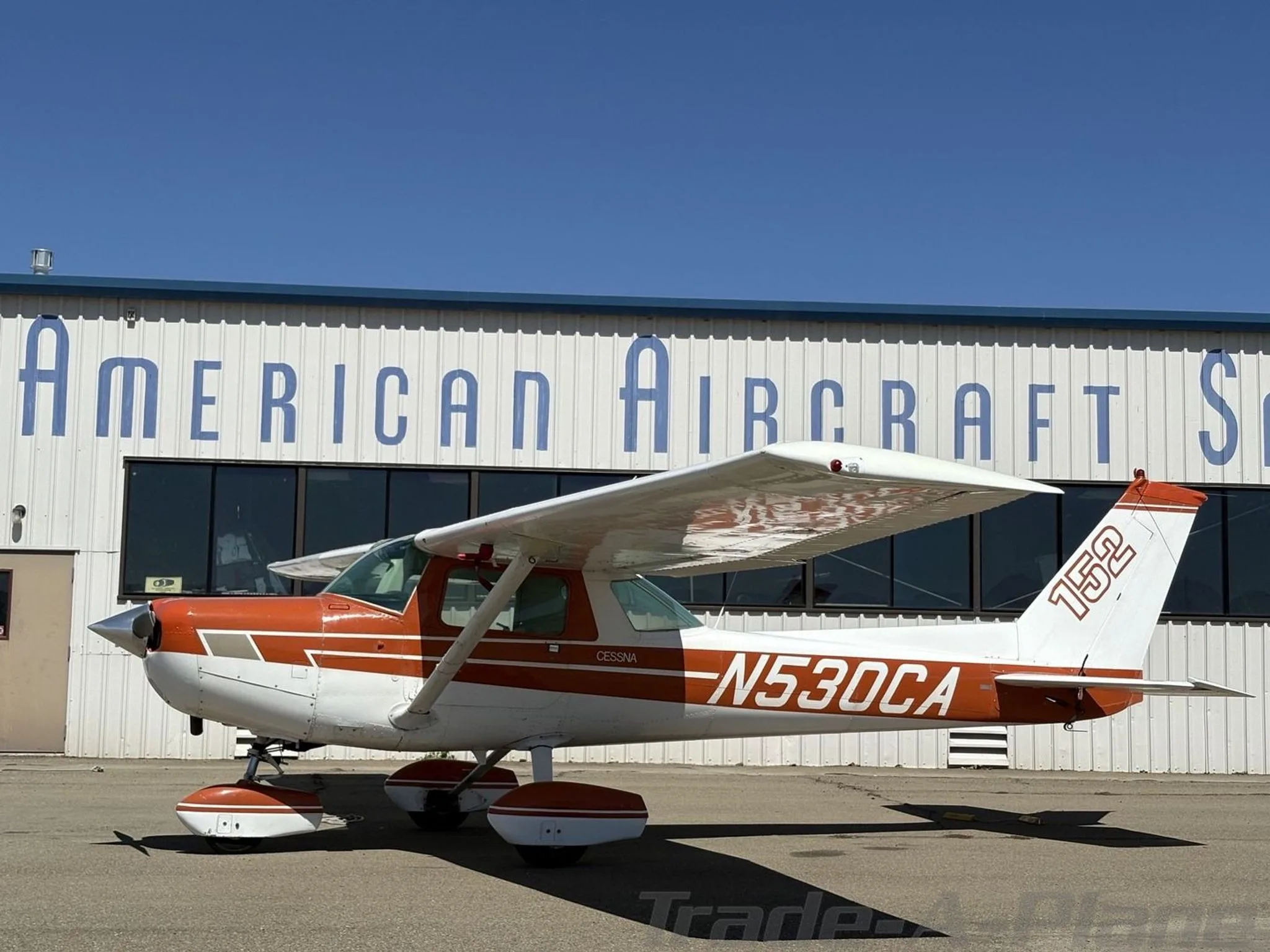
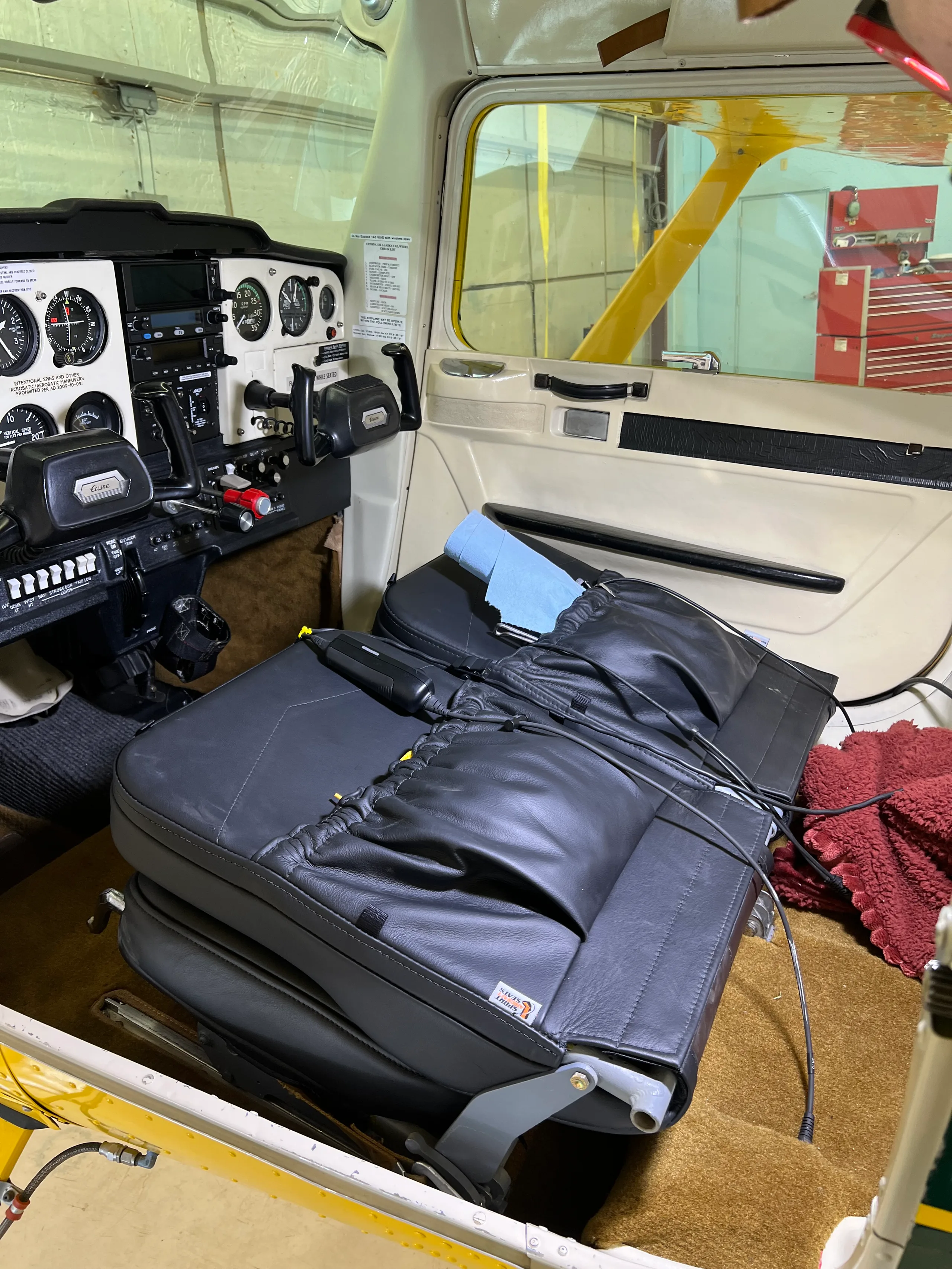
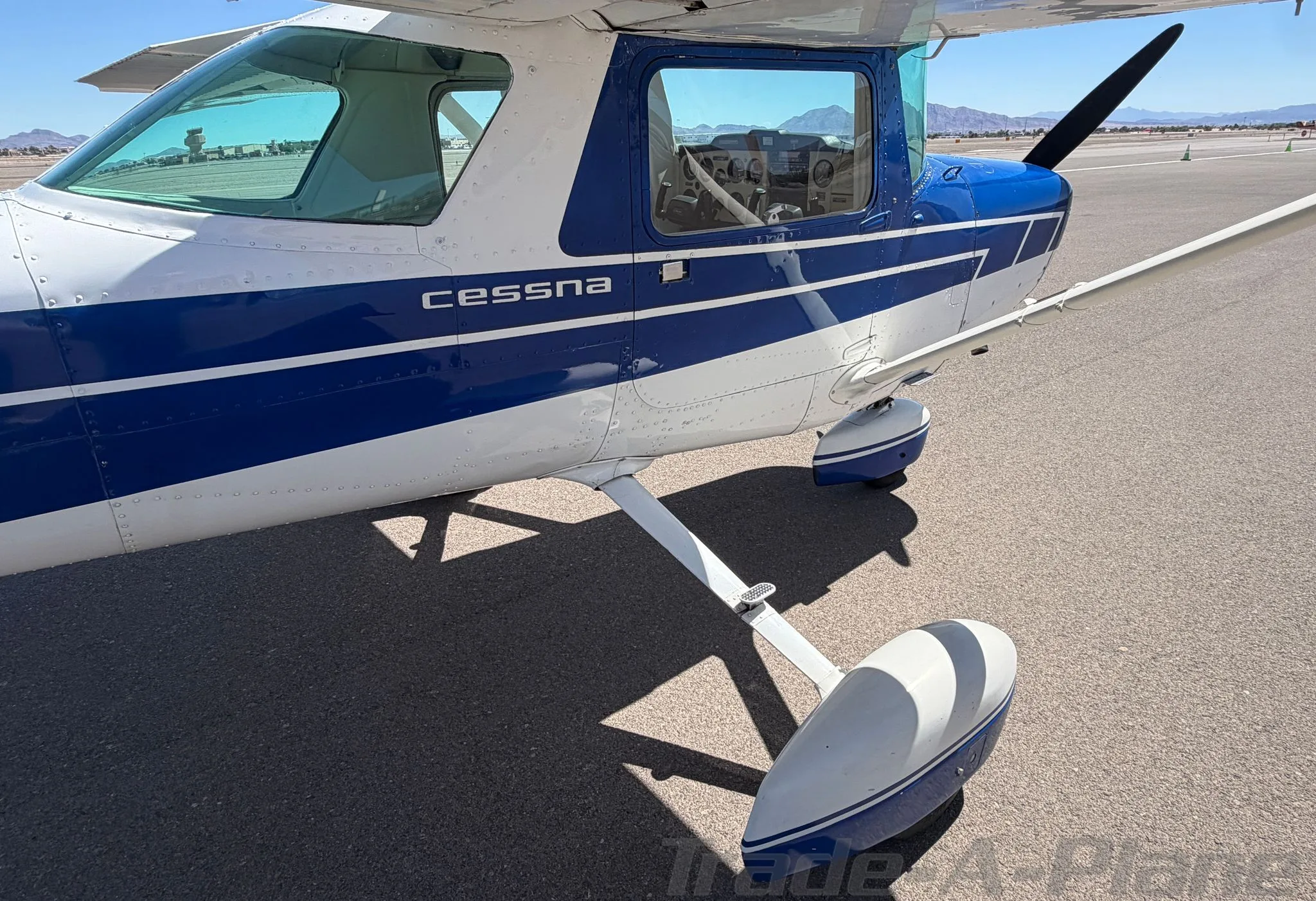
Free — save the 152 to your watchlist and track it in one place.
More CESSNA A-152 Aerobatmanuals & documents
Related documents
If you fly the CESSNA A-152 Aerobat, you may also be researching these.



In this document
What to check on a walk-around
The checklist stresses the control surfaces: ailerons free and secure, piano hinges and counterbalance weights intact, and flap rod, track and hinges intact. Also check the door release pins, tire and brake condition, nose strut inflation, alternator belt, air filter, stall warning vane, pitot tube, and fuel sumps and strainer.
Engine and operating notes
Oil level should read 5-5.5 quarts. Use full rich below 3000 ft density altitude and lean for cruise. Keep cruise power below 2440 RPM. Do not move the manual rudder trim. Check the carburetor heat during run-up and use it on approach, and check the vacuum gauge is in the green.
Family-level context
Registry data for the whole Cessna 152 family, not this variant, shows up to 105 kt cruise speed, up to 270 nm range, up to 700 kg MTOW and up to 15500 ft service ceiling, with up to 2 passengers. Confirm this aircraft's own figures from its flight manual.
Summary written by AI from the source document. Check the original before relying on it. See which parts of Sprinkle are written by AI.
Safety notes
- Aerobatics: stow all loose items, check the seatbelts and harness, and both occupants should know parachute preflight and operation. Know 14 CFR 91.303.
- Engine failure: pitch for 65 kts clean, carb heat on, mixture full rich, check fuel selector, cycle magnetos. Squawk 7700 and call MAYDAY on 121.5.
- Spin recovery: throttle idle, ailerons neutral, opposite rudder, elevator forward. When rotation stops, neutralize the controls and recover to level flight.
Summary written by AI from the source document. Check the original before relying on it. See which parts of Sprinkle are written by AI.
Full document text
CESSNA A-152 Aerobat Model Guide The CESSNA A-152 Aerobat is a single-engine piston trainer, the aerobatic-capable variant in the Cessna 152 family. This guide draws only on a University of Oklahoma School of Aviation Studies checklist (updated Dec 12, 2019). It covers operating limits and what to inspect. It has no price or full performance data. • Aerobatics and spins only with an authorized aerobatic instructor. The checklist says no IFR operations are authorized in the A-152. • Before aerobatic flight, parachutes must have been repacked within the last 180 days. • Run-up magneto check at 1700 RPM: maximum drop of 125 on each magneto, with a 50 differential. • At every preflight, note tach time remaining to the 100 hr / annual inspection. What to check on a walk-around The checklist stresses the control surfaces: ailerons free and secure, piano hinges and counterbalance weights intact, and flap rod, track and hinges intact. Also check the door release pins, tire and brake condition, nose strut inflation, alternator belt, air filter, stall warning vane, pitot tube, and fuel sumps and strainer. Engine and operating notes Oil level should read 5-5.5 quarts. Use full rich below 3000 ft density altitude and lean for cruise. Keep cruise power below 2440 RPM. Do not move the manual rudder trim. Check the carburetor heat during run-up and use it on approach, and check the vacuum gauge is in the green. Family-level context Registry data for the whole Cessna 152 family, not this variant, shows up to 105 kt cruise speed, up to 270 nm range, up to 700 kg MTOW and up to 15500 ft service ceiling, with up to 2 passengers. Confirm this aircraft's own figures from its flight manual. Safety notes: • Aerobatics: stow all loose items, check the seatbelts and harness, and both occupants should know parachute preflight and operation. Know 14 CFR 91.303. • Engine failure: pitch for 65 kts clean, carb heat on, mixture full rich, check fuel selector, cycle magnetos. Squawk 7700 and call MAYDAY on 121.5. • Spin recovery: throttle idle, ailerons neutral, opposite rudder, elevator forward. When rotation stops, neutralize the controls and recover to level flight.