Cessna 206 Stationair Model Guide
Cessna 206 Stationair · Model Guide
Overview
The Cessna 206 Stationair is a six-seat, single-engine piston airplane in production from 1964, with a 285 hp Continental engine and an 82-inch McCauley propeller. The 206 family includes the 206, U206, P206, TU206, TP206, 206H and T206H. This guide covers what it carries, its speed limits and what to check before buying.
- Six seats, 285 hp, 65 gal fuel and up to 3600 lb max takeoff weight, per the library data for the Cessna 206 Stationair.
- Never-exceed speed is 210 mph (182 knots). The original 206 lists 148 knots structural cruise and 96 knots with flaps extended.
- Weight varies by variant. The original 206 is certificated at 3300 lb as a landplane and 3500 lb as a floatplane, so confirm the weight for the exact airplane.
- Service manuals cover flat spring main landing gear inspection, fuel injection nozzle cleaning and magneto inspection intervals. Ask for records.
Summary written by AI from the source document. Check the original before relying on it. See which parts of Sprinkle are written by AI.
Reference only, not for flight. Use the current approved manual for your aircraft. See terms, section 5.
Document
Source
Copy found at sprinkle.com. Sprinkle hosts a reference copy with an added summary, specifications and searchable full text.
Document details
- Type ·
- Model Guide
- Year ·
- 2026
- File size ·
- 48 KB
- Copy found at ·
- sprinkle.com
Specifications & performance
Extracted from this document.
Specifications
- Engine (hp) ·
- 285
- Height (ft) ·
- 9.62
- Length (ft) ·
- 28.25
- Wingspan (ft) ·
- 36.58
- Usable fuel (gal) ·
- 63.4
- Fuel capacity (gal) ·
- 65
- Max takeoff weight (lb) ·
- 3,600
Performance
- Max speed (kt) ·
- 182
- Family max range (nm) ·
- 600
- Family max cruise speed (kt) ·
- 146
- Family max service ceiling (ft) ·
- 20,000
V-speeds
- VNE_KTS ·
- 182
- MANEUVERING_KTS ·
- 120
- FLAPS_EXTENDED_KTS ·
- 96
- MAX_STRUCTURAL_CRUISE_KTS ·
- 148
Weight & balance
- Max takeoff weight (lb) ·
- 3,600
- Original 206 landplane max weight (lb) ·
- 3,300
- Original 206 floatplane max weight (lb) ·
- 3,500
How many people does it seat?
The Cessna 206 Stationair seats six, per the library data and the type certificate data sheet. Family registry data lists up to 6 passengers.
What fuel does it use and how much does it hold?
The type certificate for the Cessna 206 Stationair lists 100/130 minimum grade aviation gasoline. The original models have two 32.5 gal wing tanks, 65 gal total with 63.4 gal usable.
What are the main speed limits?
For the original Cessna 206 Stationair, never exceed is 210 mph (182 knots), maximum structural cruise is 148 knots, maneuvering is 120 knots and flaps extended is 96 knots.
Which models does the type certificate cover?
Type certificate A4CE covers the 206, P206, U206, TP206 and TU206 series, plus the 206H and T206H. Buyers of any Cessna 206 Stationair should confirm the exact model and serial number.
What is the Cessna 206 Stationair Model Guide?
The Cessna 206 Stationair Model Guide is a model guide for the Cessna 206 Stationair, dated 2026.
What year was the Cessna 206 Stationair Model Guide published?
The Cessna 206 Stationair Model Guide — the Cessna 206 Stationair model guide on file — is dated 2026.
Common. More common than 99% of the aircraft models we track.
Most owners only have the POH. Here's the essential set for the Cessna 206 Stationair.
- Pilot's Operating Handbook / AFM
- Checklist
- Maintenance Manual
- Parts Catalog (IPC)
- Systems & Wiring
- Service Bulletins on file
- Type Certificate (TCDS)
Cessna 206 Stationair for sale now
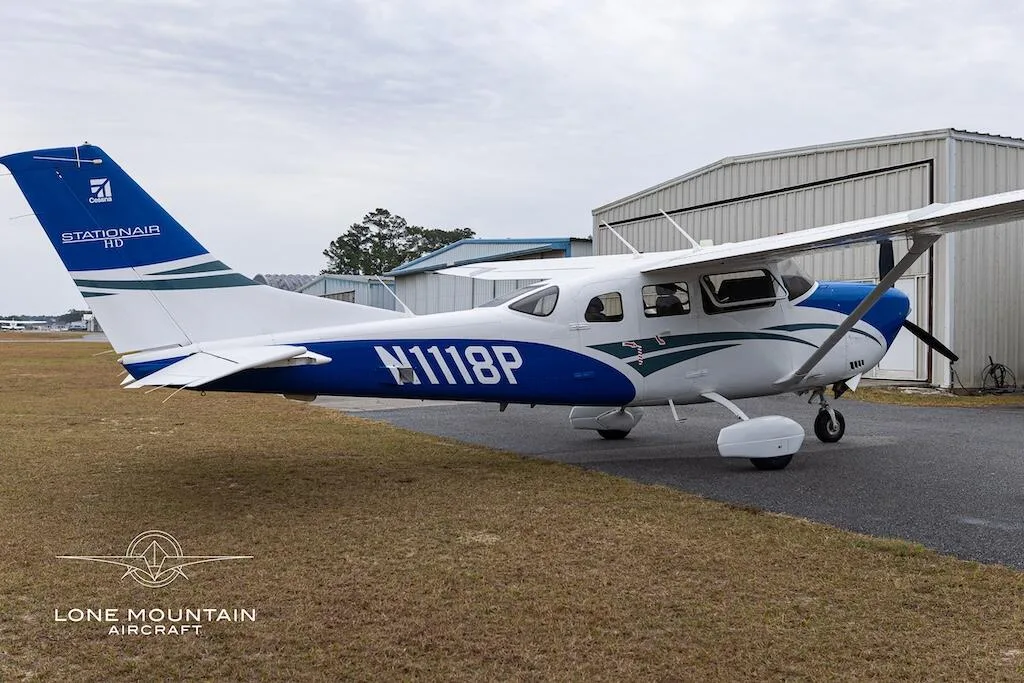
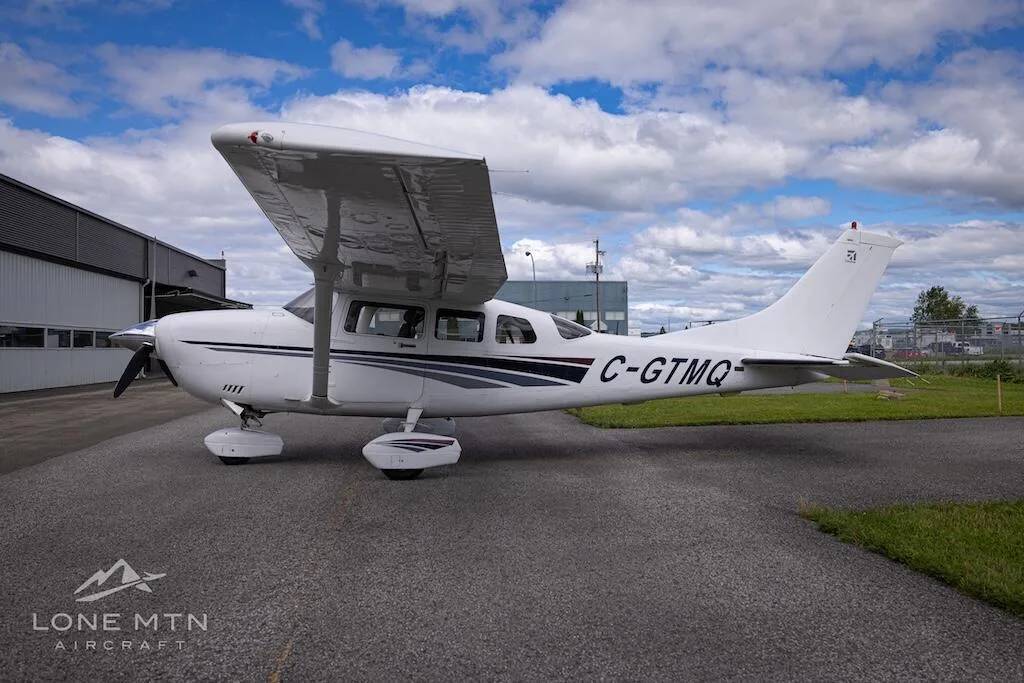
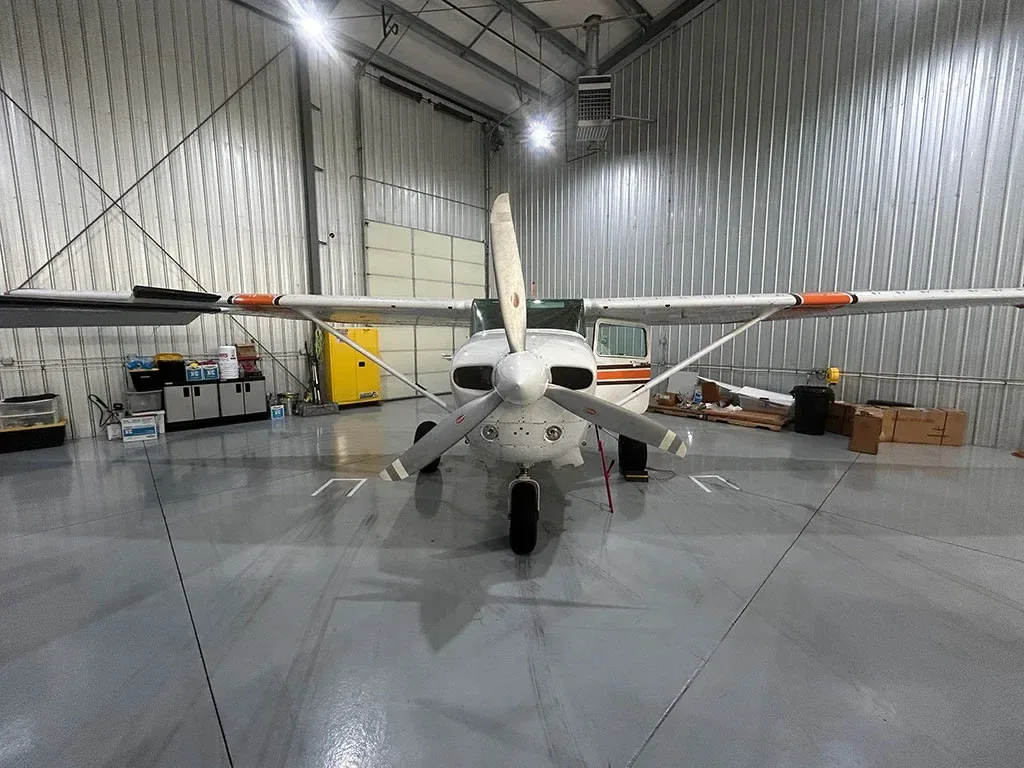
Free — save the 206 to your watchlist and track it in one place.
More Cessna 206 Stationairmanuals & documents
- RIEGL VQX-1 Wing PodSpecifications
- CESSNA MODEL 206H NAV III AVIONICS OPTION - GFC 700 AFCSFlight Manual
- Type Certificate Data Sheet No. A4CEParts Catalog
- SUPPLEMENTAL TYPE CERTIFICATE SA04491CH INSTRUCTIONS FOR CONTINUED AIRWORTHINESS INSTALLION OF THE HARTZELL PROPELLERSSupplemental Type Certificate
- Garmin G1000 Cockpit Reference Guide for the Cessna Nav IIIAvionics Manual
- FAA APPROVED SUPPLEMENTAL AIRPLANE FLIGHT MANUAL FOR CESSNA 206 SERIES FLOATPLANESSupplemental Type Certificate
- Model 206 & T206 Series Service ManualChecklist
- Model 206 & T206 Series 1969 Thru 1976 Service ManualWiring Diagrams
- Type Certificate Data SheetType Certificate
Related documents
- CESSNA 206H STATIONAIR Model GuideCESSNA 206H STATIONAIR · Model Guide
- CESSNA U206G STATIONAIR II Model GuideCESSNA U206G STATIONAIR II · Model Guide
- CESSNA U206F STATIONAIR Model GuideCESSNA U206F STATIONAIR · Model Guide
- CESSNA 206 TURBINE Model GuideCESSNA 206 TURBINE · Model Guide
- Cessna T206 Turbo Stationair Model GuideCessna T206 Turbo Stationair · Model Guide
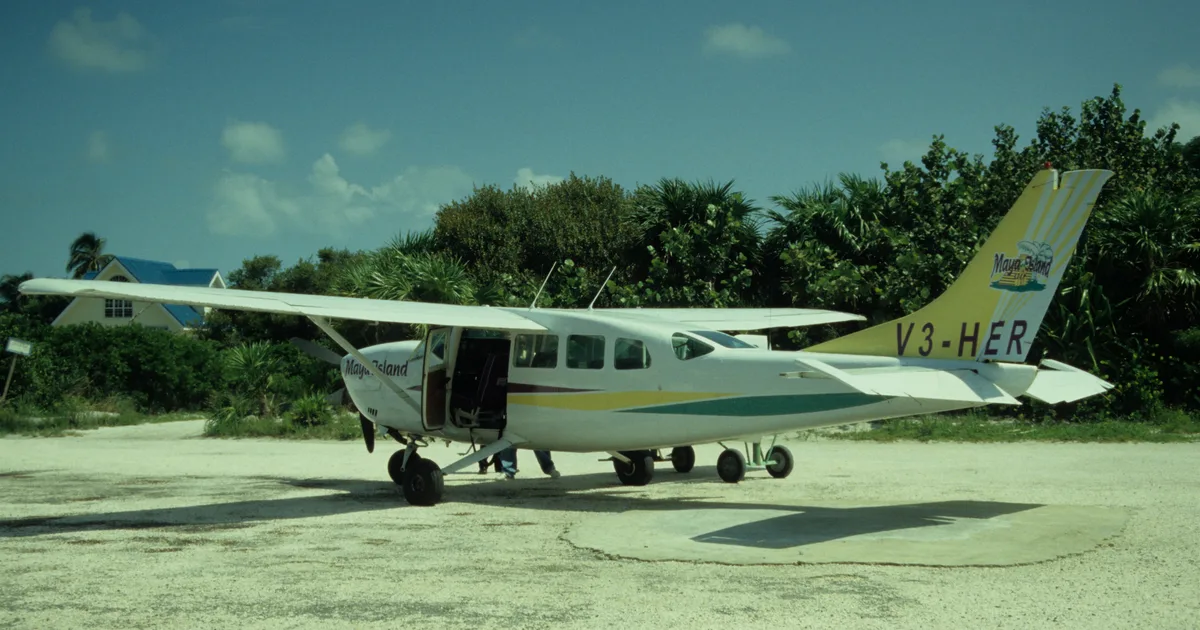
If you fly the Cessna 206 Stationair, you may also be researching these.




In this document
Variants and avionics
Type certificate A4CE covers the 206, P206, U206, TP206 and TU206 series, plus the later 206H and T206H. The 206H and T206H use the Garmin G1000 Nav III cockpit. Older airplanes are equipped differently, so match manuals and supplements to the serial number.
Maintenance items to verify
Separate service manuals exist for 1969 thru 1976 and 1977 thru 1986 airplanes. Temporary revisions added flat spring main landing gear inspection, a component time limits section, a fuel quantity indicating system test, fuel injection nozzle cleaning intervals and magneto inspection. The 1969-1976 manual also adds SEB99-18 inspection requirements. Ask for records showing compliance.
Performance context
Registry data for the whole 206 family shows up to 600 nm range, up to 146 kt cruise, up to 20000 ft service ceiling and up to 6 passengers. These are best-case family figures, not a promise for one airplane. Use the handbook for your serial number.
Safety notes
- Use 100/130 minimum grade avgas. Alcohol-based fuels are prohibited on Cessna airplanes because of performance loss and fuel system damage.
- The 206H hot weather supplement shows no change to limitations or procedures. Use the basic handbook for performance data.
- The G1000 can give erroneous operation without a fault indication. The pilot must cross-check against the other instruments.
Full document text
Cessna 206 Stationair Model Guide The Cessna 206 Stationair is a six-seat, single-engine piston airplane in production from 1964, with a 285 hp Continental engine and an 82-inch McCauley propeller. The 206 family includes the 206, U206, P206, TU206, TP206, 206H and T206H. This guide covers what it carries, its speed limits and what to check before buying. • Six seats, 285 hp, 65 gal fuel and up to 3600 lb max takeoff weight, per the library data for the Cessna 206 Stationair. • Never-exceed speed is 210 mph (182 knots). The original 206 lists 148 knots structural cruise and 96 knots with flaps extended. • Weight varies by variant. The original 206 is certificated at 3300 lb as a landplane and 3500 lb as a floatplane, so confirm the weight for the exact airplane. • Service manuals cover flat spring main landing gear inspection, fuel injection nozzle cleaning and magneto inspection intervals. Ask for records. Variants and avionics Type certificate A4CE covers the 206, P206, U206, TP206 and TU206 series, plus the later 206H and T206H. The 206H and T206H use the Garmin G1000 Nav III cockpit. Older airplanes are equipped differently, so match manuals and supplements to the serial number. Maintenance items to verify Separate service manuals exist for 1969 thru 1976 and 1977 thru 1986 airplanes. Temporary revisions added flat spring main landing gear inspection, a component time limits section, a fuel quantity indicating system test, fuel injection nozzle cleaning intervals and magneto inspection. The 1969-1976 manual also adds SEB99-18 inspection requirements. Ask for records showing compliance. Performance context Registry data for the whole 206 family shows up to 600 nm range, up to 146 kt cruise, up to 20000 ft service ceiling and up to 6 passengers. These are best-case family figures, not a promise for one airplane. Use the handbook for your serial number. Safety notes: • Use 100/130 minimum grade avgas. Alcohol-based fuels are prohibited on Cessna airplanes because of performance loss and fuel system damage. • The 206H hot weather supplement shows no change to limitations or procedures. Use the basic handbook for performance data. • The G1000 can give erroneous operation without a fault indication. The pilot must cross-check against the other instruments.