CESSNA T-207 Turbo Stationair 7 Model Guide
CESSNA T-207 Turbo Stationair 7 · Model Guide
Overview
The CESSNA T-207 Turbo Stationair 7 is the turbocharged version of Cessna's stretched 206, a fixed-gear single built as a seven-seat (later eight-seat) hauler. The 207 line ended in 1984 with 788 built, mostly flown by air taxi operators. The figures below come from the 1976 Model 207 handbook, a normally aspirated sibling, so check turbo numbers against your own aircraft's manual.
- Family-level figures: up to 690 nm range, 161 kt cruise, 26,000 ft ceiling and 8 passengers across the 207, 207A, T207 and T207A.
- 1976 Model 207 handbook (non-turbo): 3800 lb max weight, 1836 lb useful load with one seat, 300 lb baggage allowance.
- The 207 was popular with air taxi companies and very few saw private use, so check logbooks for commercial history.
- The tail sits farther aft than on the 206, so landing without striking the tail skid is a greater challenge.
Summary written by AI from the source document. Check the original before relying on it. See which parts of Sprinkle are written by AI.
Reference only, not for flight. Use the current approved manual for your aircraft. See terms, section 5.
Document
Source
Copy found at sprinkle.com. Sprinkle hosts a reference copy with an added summary, specifications and searchable full text.
Document details
- Type ·
- Model Guide
- Year ·
- 2026
- File size ·
- 49 KB
- Copy found at ·
- sprinkle.com
Specifications & performance
Extracted from this document.
Specifications
- Takeoff power (hp) ·
- 300
- Max useful load (lb) ·
- 1,836
- Baggage allowance (lb) ·
- 300
- Max takeoff weight (lb) ·
- 3,800
- Max continuous power (hp) ·
- 285
- Usable fuel standard (gal) ·
- 54
- Standard empty weight (lb) ·
- 1,964
- Usable fuel long range (gal) ·
- 73
Performance
- Rate of climb (fpm) ·
- 810
- Max range 73gal (nm) ·
- 690
- Service ceiling (ft) ·
- 13,300
- Landing ground roll (ft) ·
- 765
- Takeoff ground roll (ft) ·
- 1,100
- Max speed sea level (kt) ·
- 150
- Cruise speed 75pct 6500ft (kt) ·
- 143
- Takeoff over 50ft obstacle (ft) ·
- 1,970
V-speeds
- STALL_SPEED_FLAPS_UP_KTS ·
- 65
- STALL_SPEED_FLAPS_DOWN_KTS ·
- 58
Weight & balance
- Aft baggage max (lb) ·
- 180
- Max useful load (lb) ·
- 1,836
- Max landing weight (lb) ·
- 3,800
- Max takeoff weight (lb) ·
- 3,800
- Forward baggage max (lb) ·
- 120
- Standard empty weight (lb) ·
- 1,964
How many seats does the CESSNA T-207 Turbo Stationair 7 have?
The CESSNA T-207 Turbo Stationair 7 is a seven-seat development of the 206. A seat was added in 1980, giving the Stationair 8. Registry data for the 207 family shows up to 8 passengers.
How far can it fly?
For the CESSNA T-207 Turbo Stationair 7 family, the registry shows up to 690 nm. The 1976 non-turbo 207 handbook also gives 690 nm at 10,000 ft with 73 gal usable. Confirm the figure for your own airplane.
Is it a good private airplane?
The CESSNA T-207 Turbo Stationair 7 was popular with air taxi companies, and very few of the 207s built were used privately. Expect a commercial history and review the logbooks and any modifications carefully.
What is the CESSNA T-207 Turbo Stationair 7 Model Guide?
The CESSNA T-207 Turbo Stationair 7 Model Guide is a model guide for the CESSNA T-207 Turbo Stationair 7, dated 2026.
What year was the CESSNA T-207 Turbo Stationair 7 Model Guide published?
The CESSNA T-207 Turbo Stationair 7 Model Guide — the CESSNA T-207 Turbo Stationair 7 model guide on file — is dated 2026.
Common. More common than 86% of the aircraft models we track.
Most owners only have the POH. Here's the essential set for the CESSNA T-207 Turbo Stationair 7.
- Pilot's Operating Handbook / AFM
- Checklist
- Maintenance Manual
- Parts Catalog (IPC)
- Systems & Wiring
- Service Bulletins on file
- Type Certificate (TCDS)
CESSNA T-207 Turbo Stationair 7 for sale now
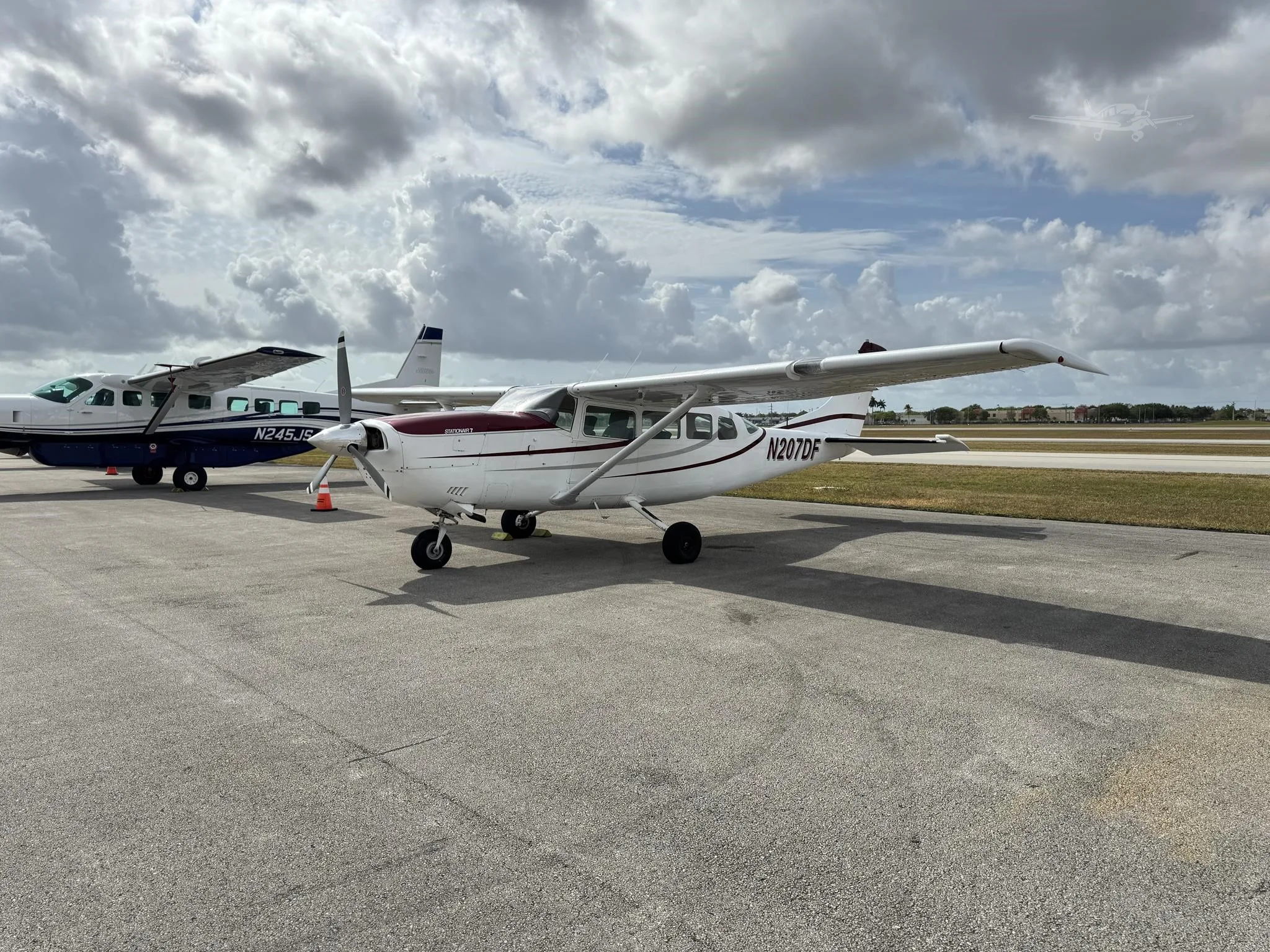
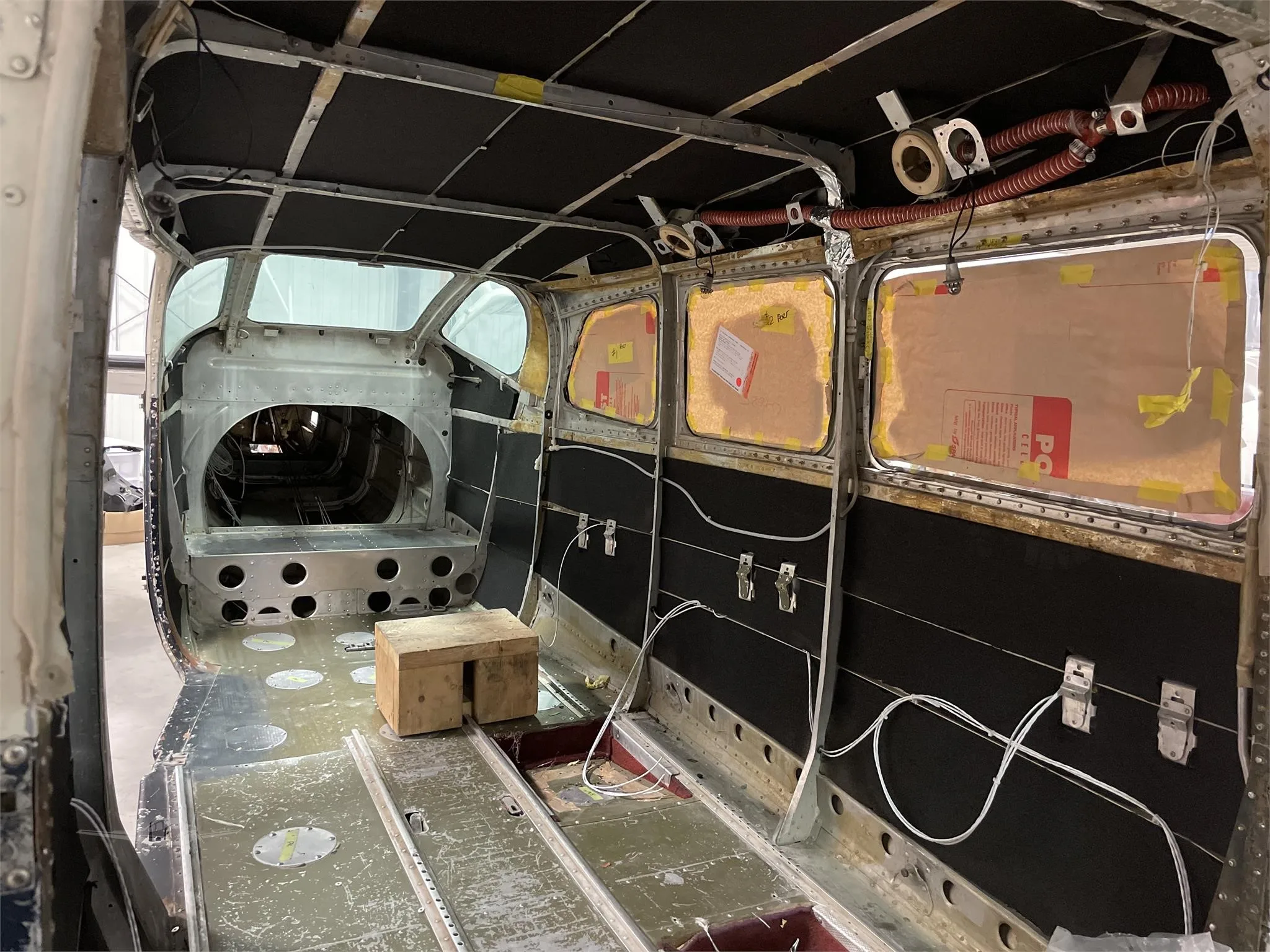
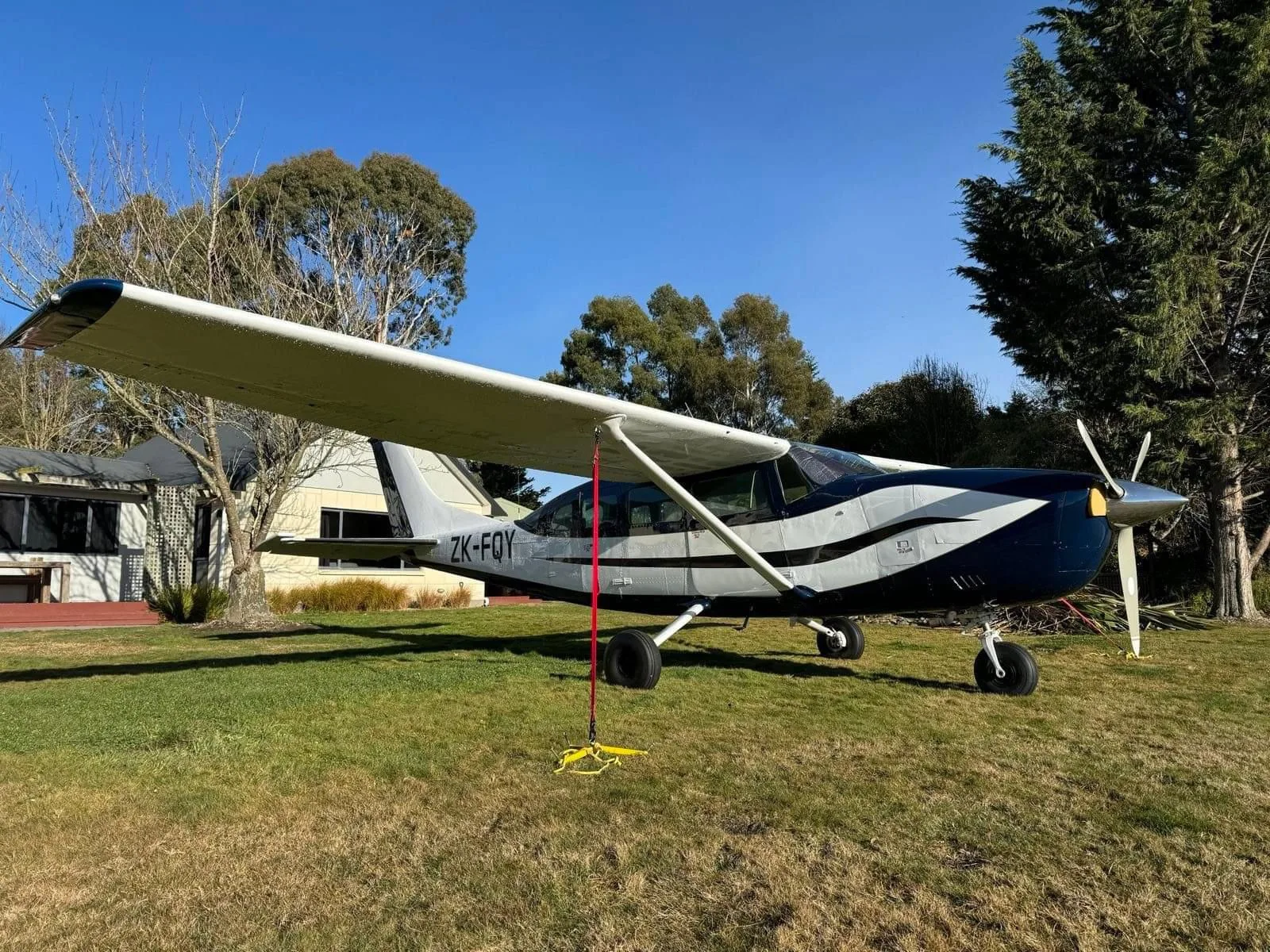
Free — save the 207 to your watchlist and track it in one place.
More CESSNA T-207 Turbo Stationair 7manuals & documents
Related documents
- Cessna 207 Skywagon Model GuideCessna 207 Skywagon · Model Guide
- Cessna T206 Turbo Stationair Model GuideCessna T206 Turbo Stationair · Model Guide
- CESSNA 206 TURBINE Model GuideCESSNA 206 TURBINE · Model Guide
- Cessna T-207 Turbo Stationair 7 Airplane Flight ManualCESSNA T-207 Turbo Stationair 7 · Flight Manual
- CESSNA 206H STATIONAIR Model GuideCESSNA 206H STATIONAIR · Model Guide
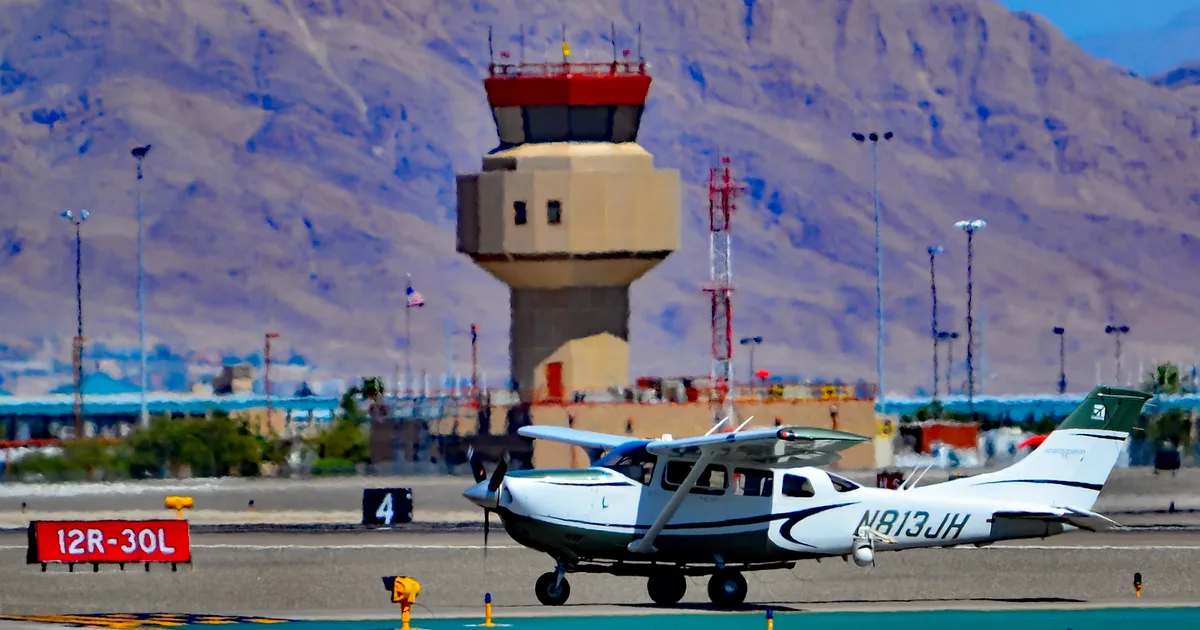
If you fly the CESSNA T-207 Turbo Stationair 7, you may also be researching these.

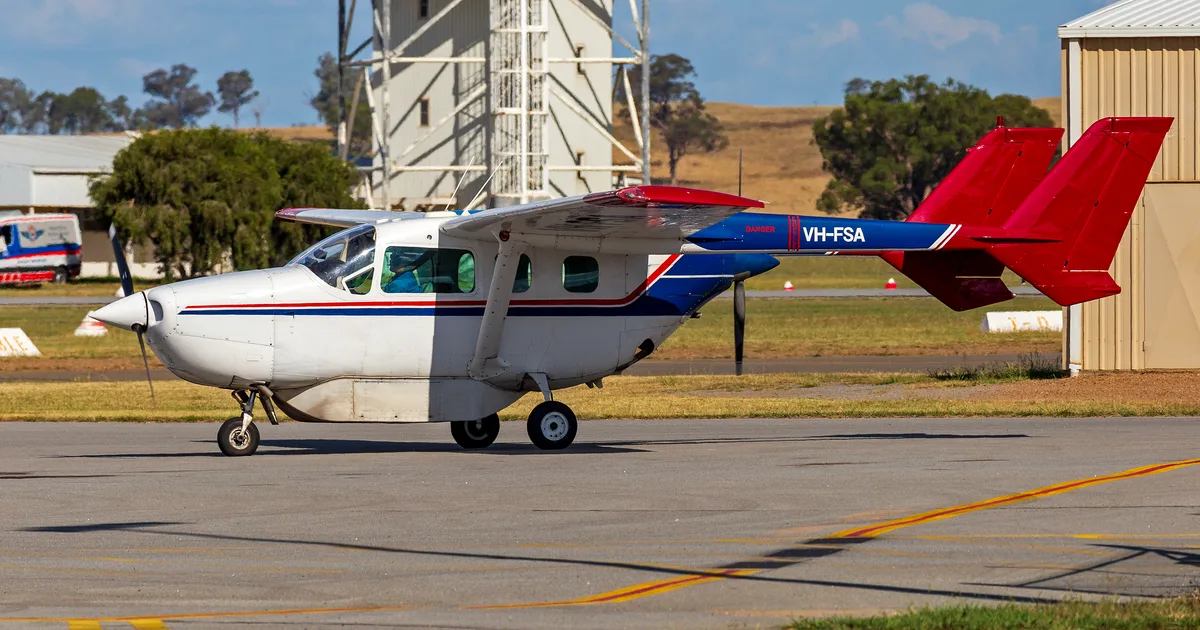


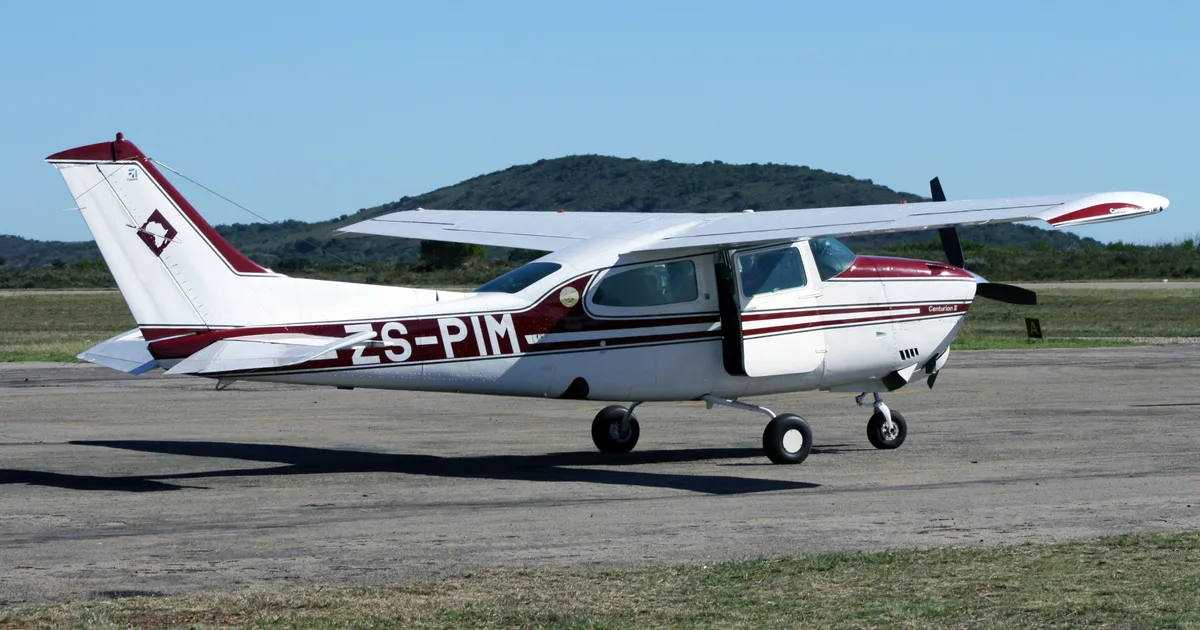

In this document
What it is
The 207 stretched the 206: the nose gained 18 inches of baggage compartment and the fuselage aft of the wing gained 44 inches. It arrived as a 1969 model with a 300 hp IO-520-F, and the turbo version used a TSIO-520-G of the same output. In 1977 it became the Stationair 7 and the turbo engine changed to a 310 hp TSIO-520-M. A seat was added in 1980 (Stationair 8).
Handbook performance (non-turbo 1976 Model 207)
Maximum speed is 150 kt at sea level and cruise is 143 kt at 75% power at 6500 ft; both figures include optional speed fairings. Climb is 810 fpm and service ceiling is 13,300 ft. Takeoff ground roll is 1100 ft (1970 ft over 50 ft). Landing ground roll is 765 ft. Range is 565 nm at 75% power with 73 gal usable, or 690 nm at 10,000 ft.
What to check
Common modifications include cargo pods, floats, STOL kits, extra fuel tanks and engine conversions. Confirm which are fitted and approved for the airplane. Get the POH for that exact serial number, because maximum weight, flap limits, engine limits and speeds vary between models and modifications.
Summary written by AI from the source document. Check the original before relying on it. See which parts of Sprinkle are written by AI.
Safety notes
- Weights, flap limits, engine limits and speeds vary between models and modifications. Fly to the POH for the exact aircraft.
- The 1976 handbook limits baggage to 120 lb forward and 180 lb aft. Work out weight and balance before every flight.
- The 300 hp takeoff rating is limited to 5 minutes, with 285 hp maximum continuous (1976 non-turbo handbook). Check the turbo limits in your own POH.
Summary written by AI from the source document. Check the original before relying on it. See which parts of Sprinkle are written by AI.
Full document text
CESSNA T-207 Turbo Stationair 7 Model Guide The CESSNA T-207 Turbo Stationair 7 is the turbocharged version of Cessna's stretched 206, a fixed-gear single built as a seven-seat (later eight-seat) hauler. The 207 line ended in 1984 with 788 built, mostly flown by air taxi operators. The figures below come from the 1976 Model 207 handbook, a normally aspirated sibling, so check turbo numbers against your own aircraft's manual. • Family-level figures: up to 690 nm range, 161 kt cruise, 26,000 ft ceiling and 8 passengers across the 207, 207A, T207 and T207A. • 1976 Model 207 handbook (non-turbo): 3800 lb max weight, 1836 lb useful load with one seat, 300 lb baggage allowance. • The 207 was popular with air taxi companies and very few saw private use, so check logbooks for commercial history. • The tail sits farther aft than on the 206, so landing without striking the tail skid is a greater challenge. What it is The 207 stretched the 206: the nose gained 18 inches of baggage compartment and the fuselage aft of the wing gained 44 inches. It arrived as a 1969 model with a 300 hp IO-520-F, and the turbo version used a TSIO-520-G of the same output. In 1977 it became the Stationair 7 and the turbo engine changed to a 310 hp TSIO-520-M. A seat was added in 1980 (Stationair 8). Handbook performance (non-turbo 1976 Model 207) Maximum speed is 150 kt at sea level and cruise is 143 kt at 75% power at 6500 ft; both figures include optional speed fairings. Climb is 810 fpm and service ceiling is 13,300 ft. Takeoff ground roll is 1100 ft (1970 ft over 50 ft). Landing ground roll is 765 ft. Range is 565 nm at 75% power with 73 gal usable, or 690 nm at 10,000 ft. What to check Common modifications include cargo pods, floats, STOL kits, extra fuel tanks and engine conversions. Confirm which are fitted and approved for the airplane. Get the POH for that exact serial number, because maximum weight, flap limits, engine limits and speeds vary between models and modifications. Safety notes: • Weights, flap limits, engine limits and speeds vary between models and modifications. Fly to the POH for the exact aircraft. • The 1976 handbook limits baggage to 120 lb forward and 180 lb aft. Work out weight and balance before every flight. • The 300 hp takeoff rating is limited to 5 minutes, with 285 hp maximum continuous (1976 non-turbo handbook). Check the turbo limits in your own POH.