Aircraft Checklists
CESSNA 337G · Checklist
Overview
This document is a standardized checklist for the Cessna 337G, developed by the Civil Air Patrol (CAP) to enhance aircrew standardization and interoperability during emergency service events. It outlines the procedures for normal operations and emergency situations, ensuring compliance with both manufacturer and CAP-specific requirements. The checklist is designed to be concise and user-friendly, condensing essential information into a single page format. It is crucial for pilots to adhere to the guidelines provided in this checklist, as it integrates necessary modifications from the Aircraft Flight Manual (AFM) and Supplemental Type Certificates (STC).
- The checklist is designed for the Cessna 337G and includes both normal and emergency procedures.
- It integrates modifications from the Aircraft Flight Manual (AFM) and Supplemental Type Certificates (STC).
- Pilots must comply with both manufacturer and CAP-specific requirements when using the checklist.
- The checklist format condenses essential procedures into a single page for ease of use.
- Aircrew can obtain the checklist through the ORMS by searching for their specific aircraft model.
Document
Source
Originally published by www.gocivilairpatrol.com. Sprinkle hosts a reference copy with an added summary, specifications and searchable full text.
Document details
- Type
- Checklist
- Year
- 2020
- Pages
- 11
- File size
- 800 KB
- Publisher
- www.gocivilairpatrol.com
Common. Rarer than 1% of the aircraft models we track.
Most owners only have the POH. Here's the essential set for the CESSNA 337G.
CESSNA 337G for sale now
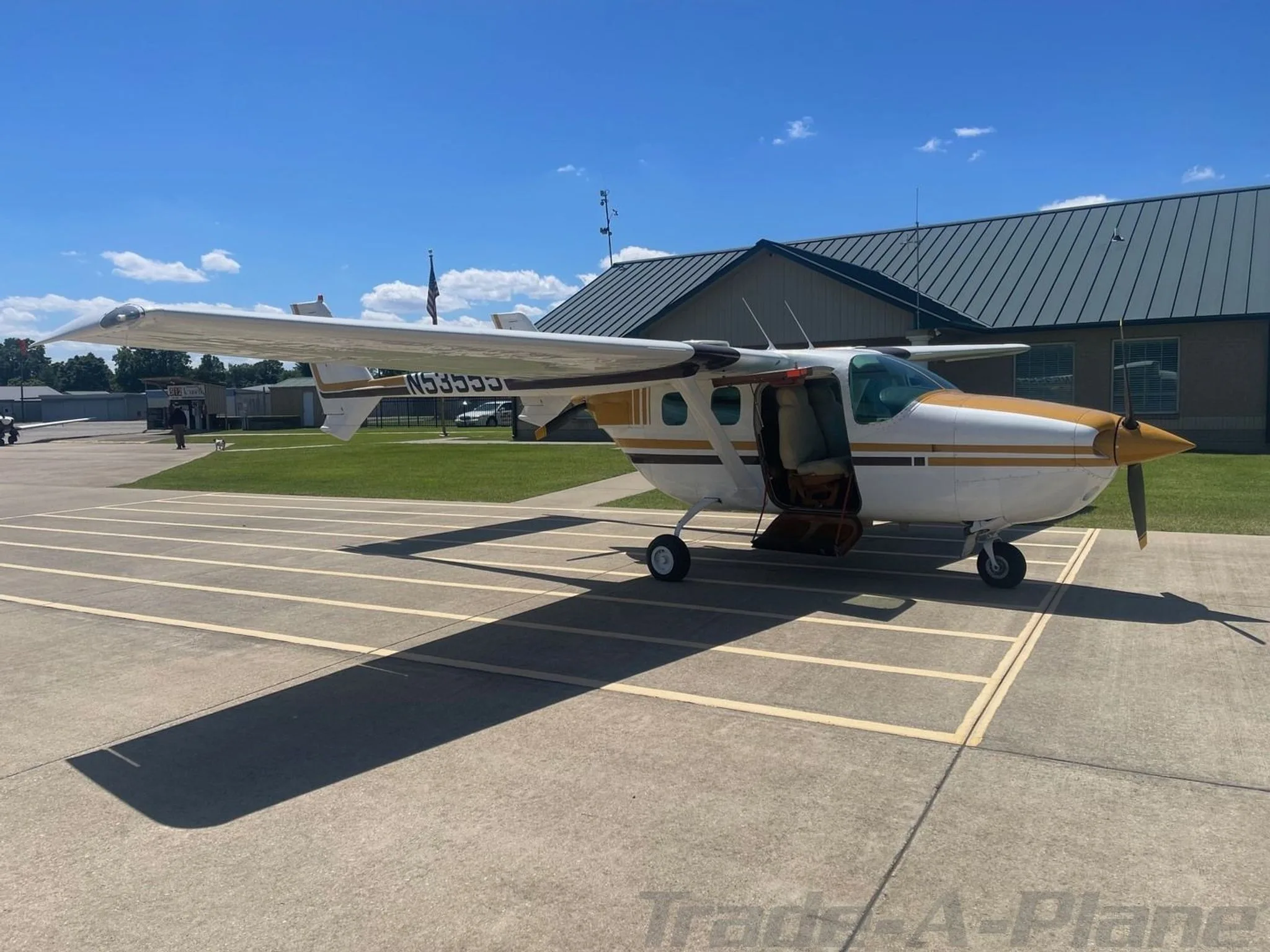


Free — save the 337G to your watchlist and track it in one place.
More CESSNA 337Gmanuals & documents
See all 27 →- Inspection Authorization Information GuideType Certificate
- FUEL - FUEL STRAINER INSPECTIONMaintenance Manual
- Type Certificate Data SheetType Certificate
- CAPR 130-2, Civil Air Patrol Aircraft Maintenance ManagementTraining Manual
- The National FAA Safety Team PresentsSupplemental Type Certificate
- Installation Guide For Vizion PMA Autopilot - Bendix/KingWiring Diagram
- R1224 REGULATOR INSTALLATION INSTRUCTIONS P/N 12-1001Wiring Diagram
- Advisory Circular: Standardized Procedures for Obtaining Approval of Data Used in the Performance of Major Repairs and Major AlterationsAdvisory Circular
- Advisory Circular: Part 135 Operator Aircraft Configuration InspectionTraining Manual
- Type Acceptance Report - TAR 17/21B/26 - CESSNA F337 SeriesOther Documents
- Airworthiness Directive Schedule Aeroplanes Cessna 337 SeriesService Bulletins
- Type Acceptance Report TAR 18/21B/4 – Cessna 337 SeriesOther Documents
If you fly the CESSNA 337G, you may also be researching these.


In this document
Aircraft Configuration Assignment
CAP has established approximately 70 aircraft configuration groups based on various factors such as make, model, engine type, and avionics. Each group is assigned a standardized checklist that reflects its configuration, ensuring that pilots have the correct procedures for their specific aircraft.
Checklist Design
The CAP checklist format condenses normal and emergency procedures into a single page. It incorporates content from the AFM/POH and includes any modifications required by STCs. Warnings, cautions, and notes from the AFM/POH are highlighted, and CAP-specific content is added as necessary.
Development and Approval Process
CAP/DOV manages the checklist program, providing templates for new checklists. Volunteers with access to technical data develop the checklists, which must be submitted for review and approval. Changes to existing checklists can be requested via email, and all revisions must comply with AFM/POH standards.
Obtaining Checklists
Aircrew can access the standardized checklist for any CAP aircraft through the Operational Resource Management System (ORMS) by searching for the specific aircraft model or tail number. This ensures that pilots have the most current and relevant checklist for their operations.
Safety notes
- The pilot in command is responsible for complying with all items in the Pilot Operating Handbook and applicable STCs.
- Manufacturer checklists may not include STC required changes and are not approved for use without CAP review.
Full document text
OPR: CAP/DO CAP STANDARD 72-3 25 Aug 2020 Aircraft Checklists NATIONAL HEADQUARTERS CIVIL AIR PATROL Maxwell Air Force Base, Alabama This page intentionally left blank CAPS 72-3 25 Aug 20 1 CAP Standardized Aircraft Checklist Program To enhance aircrew standardization, as well as interoperability during responses to large- scale emergency service events and exercises, CAP has established a program for standardizing aircraft checklists at the national level. Although CAPR 70-1 still permits use of a manufacturer’s checklist in lieu of an NHQ-approved checklist, it is important to note that those checklists may not include STC required changes. In addition, manufacturer checklists will not include CAP-unique requirements. The PIC remains responsible for compliance with both STC and CAP requirements when using a manufacturer’s checklist. Checklists created by third-party vendors are not “manufacturer’s checklists” and are not approved for use. The CAP Standardized Aircraft Checklist Program consists of six major processes: Aircraft Configuration Assignment, Checklist Design, Development, Change, Approval, and Access. Each of these processes is described in the following sections. Aircraft Configuration Assignment CAP has identified common configurations within its fleet based on make, model, engine, instrumentation, navigation system, autopilot and other unique avionics. Using this approach, approximately 70 aircraft configuration groups have been established. A standardized normal procedures (NP) and emergency procedures (EP) checklist is developed and assigned to each of these configuration groups. Each checklist is named to reflect the configuration, type of checklist, and checklist version date (ex: C172P_Airplains_GPS_NP_01-Jan-20.) Using CAP’s Operational Resource Management System (ORMS) within eServices, checklists are assigned to each aircraft based on their membership in a specific configuration group. (See Figure 1.) Figure 1 - CAP Aircraft Configuration Groupings (example) CAPS 72-3 25 Aug 20 2 Design CAP has designed a standard checklist format which condenses each NP and EP down to a single page. Due to their relatively simplicity, glider procedures are contained in a single document. Attachments 1 through 3 contain sample documents showing the design of CAP standardized aircraft checklists. Beyond using the template, content guidance for CAP standardized checklists is relatively simple. First, AFM/POH content must be included and the order of steps must remain the same. If an STC has modified AFM/POH content, then those changes should be integrated into the CAP checklist. Warnings, Cautions, Notes from the AFM/POH must be called-out, but may be limited to a reference to save space. CAP-unique content is then added to each checklist in accordance with CAP/DOV guidance. Finally, each checklist must include the following note: This checklist is a guide to coordinate Pilot Operating Handbook and STC data applicable to this particular aircraft only. The applicable Pilot Operating Handbook and STC installations remain the official documentation for this aircraft. The pilot in command is responsible for complying with all items in the Pilot Operating Handbook and applicable STCs. Development CAP/DOV manages the standardized aircraft checklist program and provides templates for use when developing new checklists; however, CAP/DOV does not develop the actual checklists. Because development of CAP checklists requires access to current technical data, including the serialized AFM/POH, applicable STCs and in some cases, the aircraft logbook, this task must be performed by volunteers with access to those items. New checklists must be created in Microsoft Word format using the template provided by CAP/DOV, then submitted by the Wing Maintenance Officer to CAP/DOV for review and approval. Change As new aircraft are received, older aircraft are modified, and policies change, there will be a need to make changes to this program. The following sections describe how to request changes to the various elements of the program. Changing Assignment to an Aircraft Configuration Group As CAP aircraft undergo modifications, the checklist assigned in ORMS may no longer be appropriate. In some cases, modifications may result in the need to create a new aircraft configuration group. These requests can be made directly to CAP/DOV by emailing dov@capnhq.gov. Please include the aircraft tail number, year of manufacture, make, model, and avionics information (instrument type, nav, autopilot, and other mission systems) in the email. CAP/DOV can change an aircraft’s assignment to another configuration group or can provide template and source documents to support creation of a new configuration group/checklist if required. CAPS 72-3 25 Aug 20 3 Changing Existing Checklists Changes to existing checklists may be required due to changes in technical data or to correct existing errors. If you determine that a checklist requires changes, please email dov@capnhq.gov to request a copy of the source file (Microsoft Word) for editing. Please identify the checklist that you believe needs revision by the filename used in ORMS, an aircraft that represents that configuration (tail number, year of manufacture, make, model, and avionics information) and the reason why you believe the change is required. This will assist CAP/DOV in determining if other action is required or already in progress. Using the source file provided by CAP/DOV, create a revised checklist in Microsoft Word format. Revised checklists must be submitted by the Wing Maintenance Officer to CAP/DOV in Microsoft Word format. The email should include the revised checklist as an attachment and the body of the email should include the tail number, year of manufacture, make, model, and avionics information (instrument type, nav, autopilot, and other mission systems) of the aircraft. The approval process moves fastest when the checklist is
Show full textShow less
presented in full compliance with the AFM/POH and in proper standardized CAP aircraft checklist format. Checklists change requests that are not compliant will be returned for correction. Changes to existing checklists may also be required due to changes in CAP-unique guidance (ex: inclusion of Flight ID verification as part of previously inserted Transponder checks). In these circumstances, CAP/DOV is the technical authority for the change; therefore, CAP/DOV will make these changes without request from the field. Changing Checklist Design CAP arrived at its current checklist design after careful consideration of several options. Although it is certainly possible to improve upon this design, any request to do so must justify the cost of changing the system versus the benefits to be gained. As a reference point – approximately a dozen people spent more than two years developing, reviewing, and editing the 120+ documents that comprise the current system. Requests for design changes should be routed via the chain-of-command using CAPF 1-2. Approval Once the checklists have been reviewed and approved for technical content and adherence to standards, CAP/DOV uploads the checklist to the Operational Resource Management System (ORMS) using the ORMS Aircraft Checklist administration screen (see Figures 2 and 3). CAPS 72-3 25 Aug 20 4 Figure 2 - ORMS Aircraft Checklist Administration Figure 3 - ORMS Add New Checklist Dialog Box Publication Notifications Region and Wing DOVs and Aircraft Maintenance Officers are notified on changes to aircraft checklists via email. When there are safety implications, aircrew are notified via the WMIRS Critical Read item. In addition, an announcement is posted on eServices News. Obtaining an Aircraft Checklist for Use Aircrew can obtain the assigned CAP standardized checklist for any CAP aircraft by going to ORMS within eServices and, under Aircraft, selecting Search Checklists. Enter the organization, Tail No, and/or Model and click on the Search button to search the ORMS Checklist database (see Figure 4). CAPS 72-3 25 Aug 20 5 Figure 4 - ORMS Search Checklists Screen Aircraft meeting the entered search criteria will be presented on a results page. Click the View NP or View EP Document links for the aircraft of interest, then respond to the dialog box to download a PDF version of the checklist (See Figure 5). In the case of gliders, both links will provide the combined NP/EP checklists (See Attachment 3). Figure 5 - Aircraft Checklist Download CAPS 72-3 25 Aug 20 6 Attachment 1 – Normal Procedure – Airplane (Sample) CAPS 72-3 25 Aug 20 7 Attachment 2 - Emergency Procedure – Airplane (Sample) CAPS 72-3 25 Aug 20 8 Attachment 3 – Normal and Emergency Procedures - Glider (Sample) CAPS 72-3 25 Aug 20 9 Change Record Issue Date Change Summary 25 Aug 20 Expanded discussion of development, clarified submission guidance, added notification means, and made editorial corrections.
What's in the CESSNA 337G TCDS
A Type Certificate Data Sheet (TCDS) is the FAA's record of what an aircraft type was approved as. It is the source of truth for weights, seating, fuel and the rules the design was certified against. Expand any line to see what it means.
1,879 CESSNA 337G parts for sale
See all →


Parts listed for sale by vetted eBay sellers — confirmed on eBay at checkout.