The National FAA Safety Team Presents
CESSNA 337G · Supplemental Type Certificate
Overview
This document, produced by the FAA Safety Promotion Program Office, addresses the hazards associated with layering multiple Supplemental Type Certificates (STCs) on aircraft, specifically focusing on the Beechcraft G58 Baron. It emphasizes the importance of ensuring compatibility between new modifications and previously approved alterations to maintain airworthiness. The document provides guidance for installers and operators regarding the assessment of compatibility and the responsibilities involved in the installation of modifications. It also references relevant FAA advisory circulars and safety recommendations from the NTSB, highlighting the potential risks and safety issues that can arise from incompatible modifications.
- Installers must assess compatibility of new modifications with existing STCs to ensure airworthiness.
- NTSB recommendations emphasize the importance of education and evaluation in managing STC risks.
- FAA Form 337 must document compatibility assessments for new modifications.
- Installers should seek engineering support if compatibility assessments exceed their expertise.
- Awareness of potential safety issues from incompatible modifications is crucial for safe operation.
Document
Source
Originally published by www.faa.gov. Sprinkle hosts a reference copy with an added summary, specifications and searchable full text.
Document details
- Type
- Supplemental Type Certificate
- Year
- 2020
- Pages
- 21
- File size
- 2.6 MB
- Publisher
- www.faa.gov
Common. Rarer than 1% of the aircraft models we track.
Most owners only have the POH. Here's the essential set for the CESSNA 337G.
CESSNA 337G for sale now



Free — save the 337G to your watchlist and track it in one place.
More CESSNA 337Gmanuals & documents
See all 27 →- Inspection Authorization Information GuideType Certificate
- FUEL - FUEL STRAINER INSPECTIONMaintenance Manual
- Type Certificate Data SheetType Certificate
- CAPR 130-2, Civil Air Patrol Aircraft Maintenance ManagementTraining Manual
- Aircraft ChecklistsChecklist
- Installation Guide For Vizion PMA Autopilot - Bendix/KingWiring Diagram
- R1224 REGULATOR INSTALLATION INSTRUCTIONS P/N 12-1001Wiring Diagram
- Advisory Circular: Standardized Procedures for Obtaining Approval of Data Used in the Performance of Major Repairs and Major AlterationsAdvisory Circular
- Advisory Circular: Part 135 Operator Aircraft Configuration InspectionTraining Manual
- Type Acceptance Report - TAR 17/21B/26 - CESSNA F337 SeriesOther Documents
- Airworthiness Directive Schedule Aeroplanes Cessna 337 SeriesService Bulletins
- Type Acceptance Report TAR 18/21B/4 – Cessna 337 SeriesOther Documents
If you fly the CESSNA 337G, you may also be researching these.
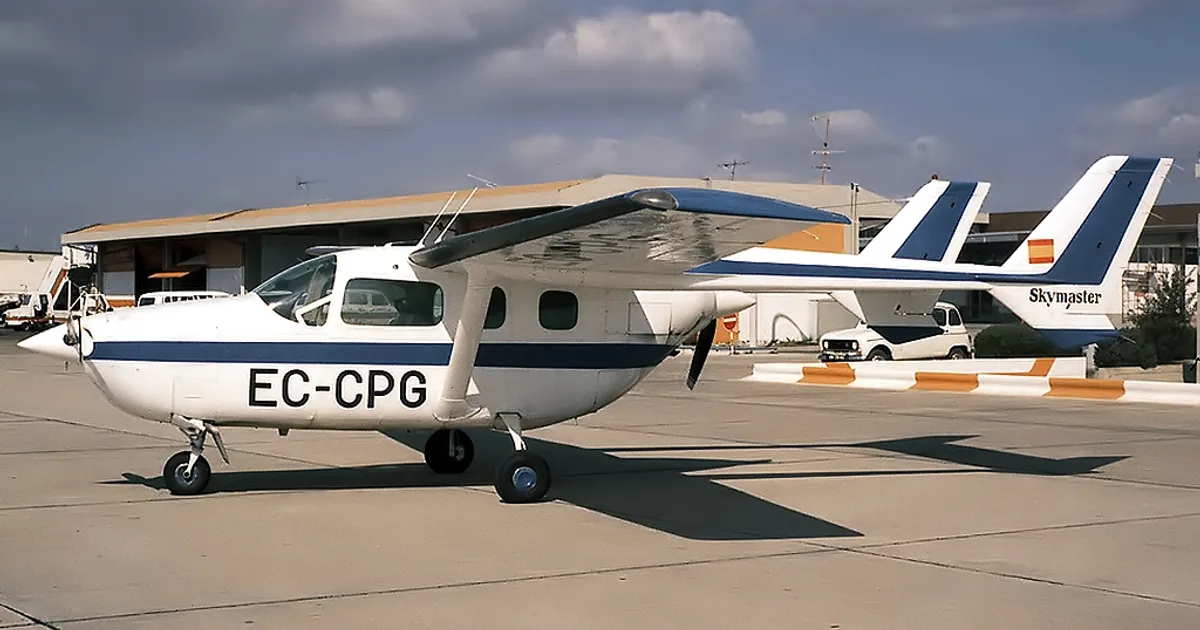
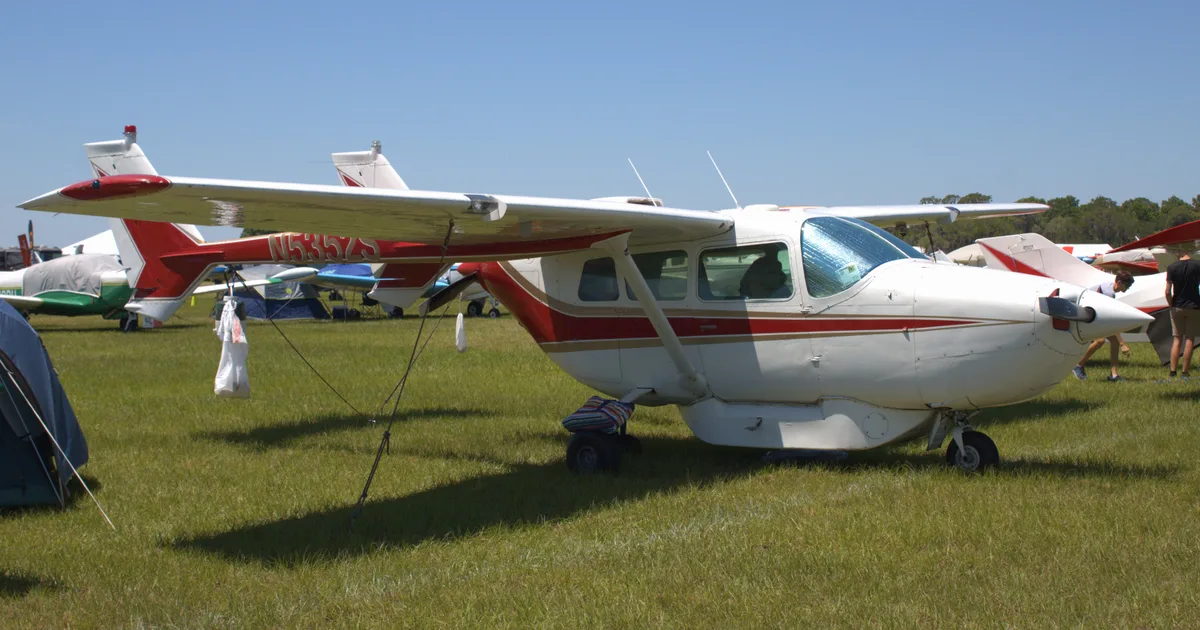
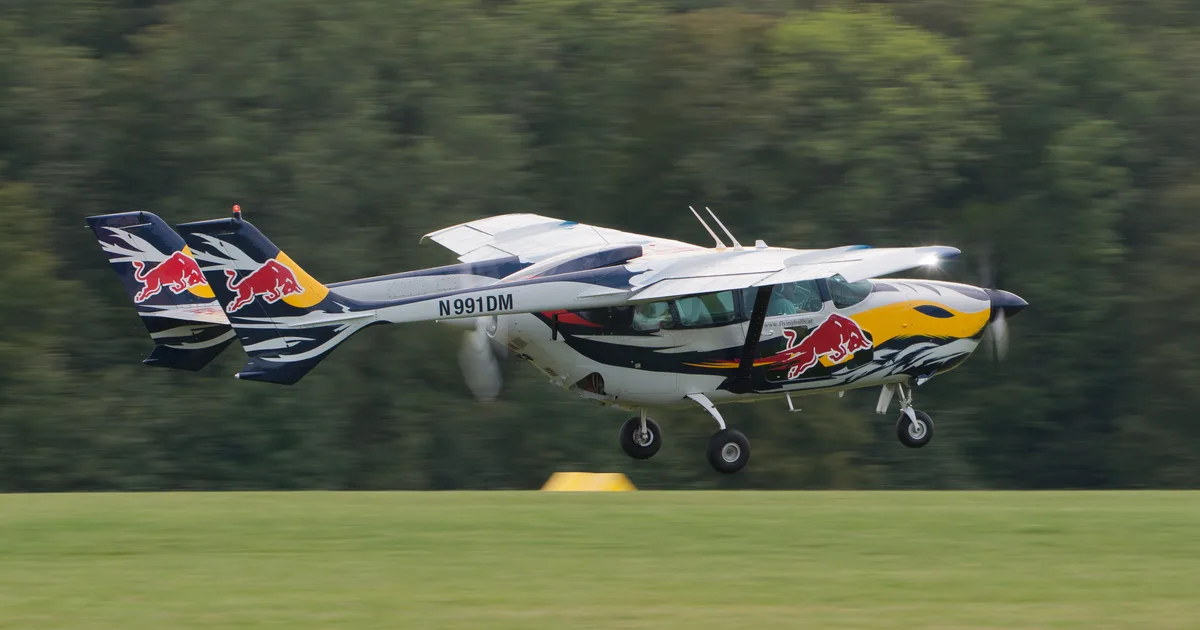
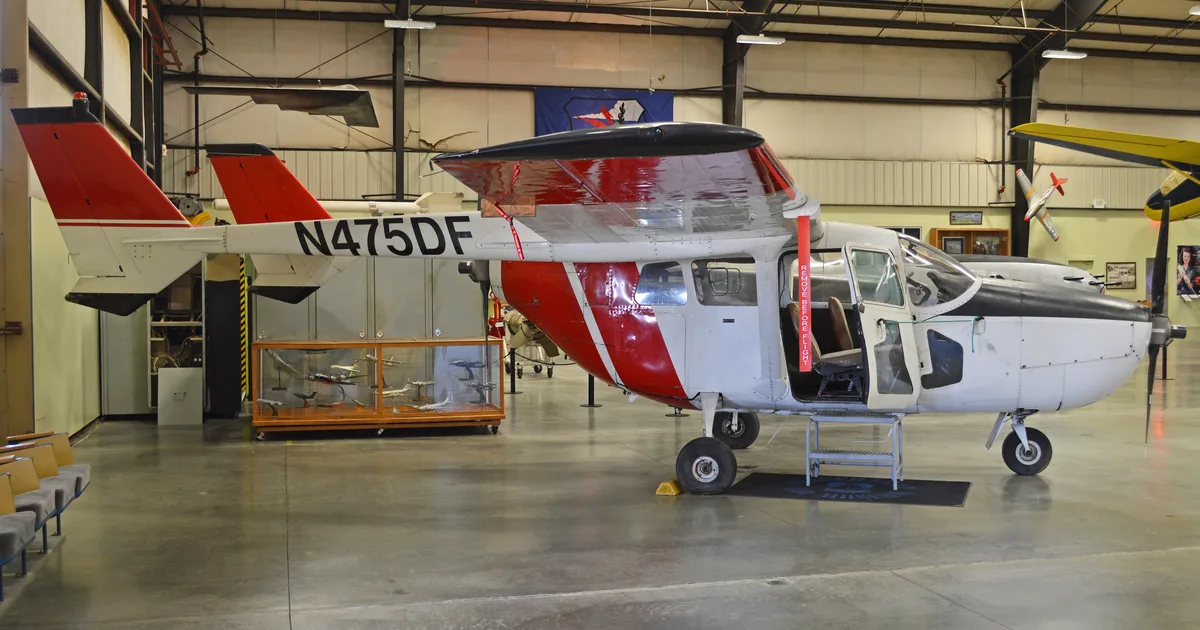



In this document
Introduction to STC Compatibility
The document introduces the concept of STC compatibility, stressing that installers must determine if new design changes are compatible with existing modifications. It outlines the responsibilities of the installer and the importance of thorough documentation.
NTSB Safety Recommendations
It discusses three safety recommendations issued by the NTSB aimed at educating and evaluating the risks associated with layering STCs. These recommendations highlight the need for careful consideration of modifications to ensure safety.
Guidance for Owners and Operators
The document provides guidance for aircraft owners and operators on how to assess the compatibility of modifications. It emphasizes the need for proper documentation and the potential need for engineering support when compatibility assessments exceed the installer's capabilities.
Compatibility Assessment Procedures
Detailed procedures for assessing compatibility are outlined, including the use of FAA Form 337 to document how compatibility was determined. The section stresses the importance of ensuring that new modifications do not create safety issues.
Related Documents and Resources
The document lists additional resources and related documents that provide further guidance on STC compatibility and safety, including FAA advisory circulars and articles from aviation organizations.
Safety notes
- Incompatible modifications can lead to safety issues and noncompliance with airworthiness requirements.
- Proper documentation is essential to ensure continued conformity with applicable regulations.
Full document text
Presented to: By: Date: Federal Aviation Administration Produced by: The FAA Safety Promotion Program Office Spring 2020 Chinh Vuong, AIR-6C1 IA Seminar Hazards of Layering Multiple STCs The National FAA Safety Team Presents Federal Aviation Administration • Exits • Restrooms • Emergency Evacuation • Breaks • Sponsor Acknowledgment • Other information Welcome 2 Federal Aviation Administration People always seem to have a better idea 3 Federal Aviation Administration •Image Special Mission…or not 4 Federal Aviation Administration For STCs that are NOT “one-only”, include the following note: “The installer must determine whether this design change is compatible with previously approved modifications.” FAA Form 8110-2 5 Federal Aviation Administration • Three NTSB Safety Recommendations Issued by the Board on May 24, 2012 • A-12-21 through A-12-23 Educate Evaluate Document 3 NTSB Safety Recommendations 6 Federal Aviation Administration AC 20-188 Compatibility of Changes to Type Design Installed on Aircraft 1. List of Installations that Might be Incompatible (Sec 4.2) 2. Guidance for the Owner/Operator (Sec 5) 3. Installer Responsibilities (Sec 6) 4. How to Resolve Non- compatible Modifications (Sec 7) 7 Federal Aviation Administration Beech Baron N28MR 2 Fatalities 8 •Image Federal Aviation Administration “…Might be Incompatible…” • Baron accident – “Throw-over” control yoke – Low altitude / low airspeed flight instruction – V mca – minimum control speed – Vortex generators to reduce V mca – Engine power & prop changed – Engine nose cowlings changed – Winglets installed – Interaction of wing and power changes 9 Federal Aviation Administration Overall View of Fuselage and Cockpit Damage Cessna 337 N12NA 5 Fatalities Outboard Section of the Left Wing Separated and found on the Runway 10 Federal Aviation Administration “…Might be Incompatible…” Skymaster accident • Interaction of – STOL kit • Leading edge cuffs • Stall fences – Wing extensions with fuel tanks – Winglets • Wing skin fatigue cracks • Outboard right wing separated in flight 11 Federal Aviation Administration Other Compatibility Guidance • Besides AC 20-188 “Compatibility of Changes to Type Design Installed on Aircraft”… 12 Federal Aviation Administration AC 43.9-1G, Instructions for Completion of FAA Form 337 • New Revision published on Nov. 1, 2019 • Adds 3rd purpose highlighting compatibility 13 Federal Aviation Administration FAA Form 337 NOTICE Weight and balance or operating limitation changes shall be entered in the appropriate aircraft record. An alteration must be compatible with all previous alterations to assure continued conformity with the applicable airworthiness requirements. •I m a g e 14 Federal Aviation Administration FAA Form 337, Item 8 • Clearly document how the installer determined compatibility and interaction between the new modification and previously installed modifications on the same aircraft • Item 8 should record the compatibility assessment to show that installation of the new modification (e.g., STC) will not create a safety issue or noncompliant condition when combined with existing modifications • AC 20-188, Section 4.2 provides examples of combinations of installations which may result in compatibility issues • AC 20-188 Section 6. outlines the Installers Responsibilities for assessing compatibility – When the compatibility assessment exceeds installer’s capability, installer should enlist engineering support (e.g. STC holder or appropriately rated DER) to assist in making the determination 15 Federal Aviation Administration Other Related Documents • Anchorage ACO flyer, How Do I Determine Supplemental Type Certificate (STC) Compatibility? • Aircraft Owners and Pilots Association (AOPA) article “Layering STCs: Understanding and Managing the Risks. November 21, 2013 • FAA Safety Briefing - May/June 2014 article Beware the Frankenplane! The Hidden Dangers of Layering STCs 16 Federal Aviation Administration Transport Canada Transport Canada Airworthiness Notices - B045, Edition 1 - 15 May 1998 17 Federal Aviation Administration What Can You Do? • AC 20-188 meant to be a starting point to create awareness – Expected to evolve over time – Add cases/information as available • Submit feedback form in AC if you have a recommendation 18 Federal Aviation Administration Questions? Section Manager: Chinh Vuong, AIR-6C1, (202) 267-8249 chinh.vuong@faa.gov 19 Federal Aviation Administration Proficiency and Peace of Mind • Fly regularly with your CFI • Perfect Practice • Document in WINGS 20 Federal Aviation Administration Thank you for attending • You are vital members of our GA safety community 21
What's in the CESSNA 337G TCDS
A Type Certificate Data Sheet (TCDS) is the FAA's record of what an aircraft type was approved as. It is the source of truth for weights, seating, fuel and the rules the design was certified against. Expand any line to see what it means.
1,879 CESSNA 337G parts for sale
See all →
Parts listed for sale by vetted eBay sellers — confirmed on eBay at checkout.