CAPR 130-2, Civil Air Patrol Aircraft Maintenance Management
CESSNA 337G · Training Manual
Overview
The CAPR 130-2 document outlines the aircraft maintenance management procedures for all Civil Air Patrol (CAP) corporate-owned aircraft, including the Cessna 337G. It establishes the roles and responsibilities of various personnel involved in aircraft maintenance, including region and wing commanders, aircraft maintenance officers, and aircrew members. The document emphasizes compliance with Federal Aviation Regulations (FARs) and CAP regulations to ensure that all aircraft are maintained in a safe and airworthy condition. The manual serves as a comprehensive guide for CAP personnel to manage maintenance effectively and ensure that all required inspections and repairs are performed timely and accurately.
- CAP aircraft must meet FAR airworthiness standards.
- Wing AMOs are responsible for all maintenance performed on their wing's aircraft.
- Waiver requests for overdue inspections must be submitted two business days prior to the scheduled sortie.
- Scheduled maintenance includes 100-hour inspections and mid-cycle oil changes as per manufacturer guidelines.
- All maintenance must be documented in appropriate logbooks.
Document
Source
Originally published by www.gocivilairpatrol.com. Sprinkle hosts a reference copy with an added summary, specifications and searchable full text.
Document details
- Type
- Training Manual
- Year
- 2021
- Pages
- 29
- File size
- 856 KB
- Publisher
- www.gocivilairpatrol.com
Common. Rarer than 1% of the aircraft models we track.
Most owners only have the POH. Here's the essential set for the CESSNA 337G.
CESSNA 337G for sale now
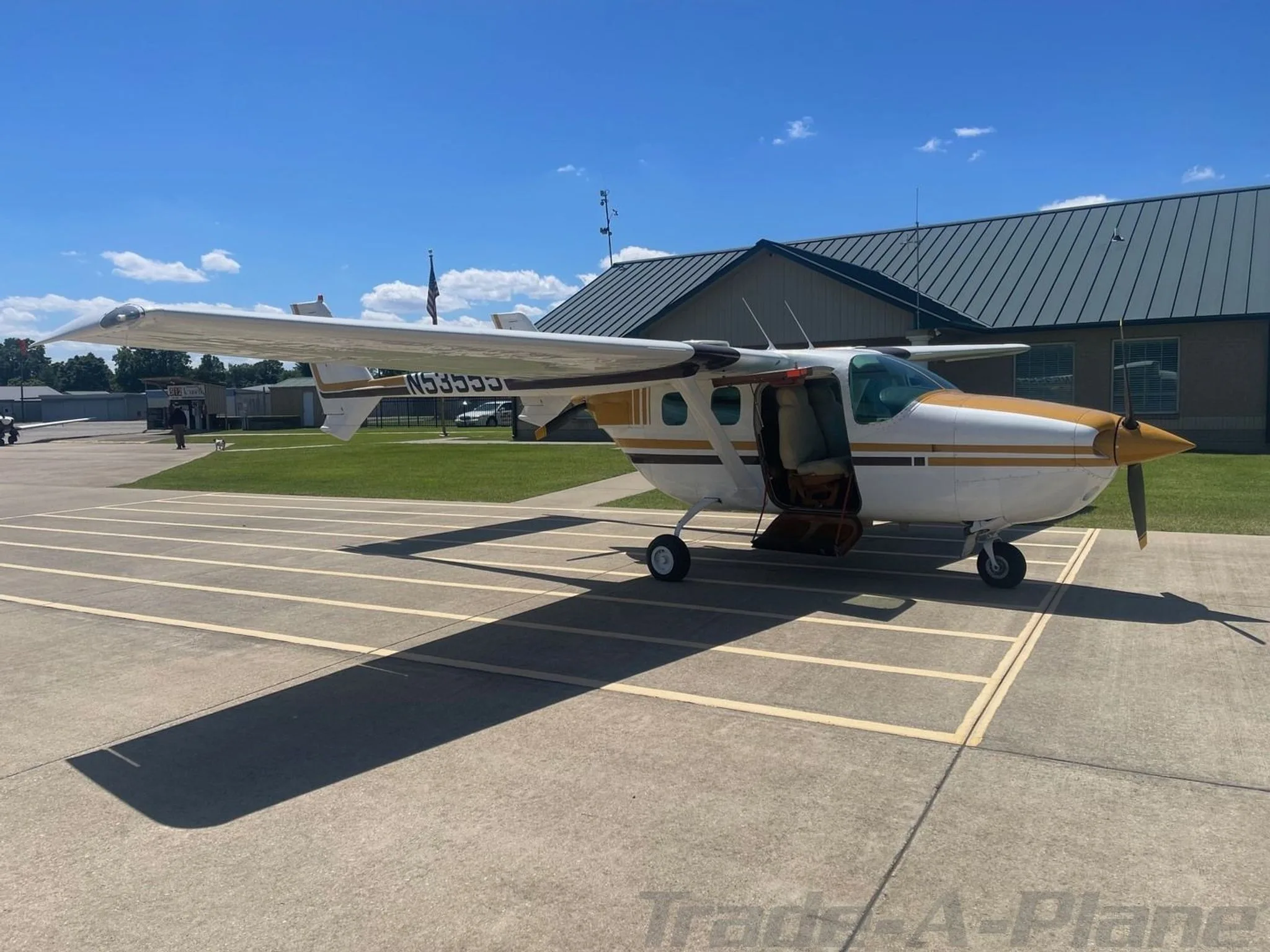


Free — save the 337G to your watchlist and track it in one place.
More CESSNA 337Gmanuals & documents
See all 27 →- Inspection Authorization Information GuideType Certificate
- FUEL - FUEL STRAINER INSPECTIONMaintenance Manual
- Type Certificate Data SheetType Certificate
- Aircraft ChecklistsChecklist
- The National FAA Safety Team PresentsSupplemental Type Certificate
- Installation Guide For Vizion PMA Autopilot - Bendix/KingWiring Diagram
- R1224 REGULATOR INSTALLATION INSTRUCTIONS P/N 12-1001Wiring Diagram
- Advisory Circular: Standardized Procedures for Obtaining Approval of Data Used in the Performance of Major Repairs and Major AlterationsAdvisory Circular
- Advisory Circular: Part 135 Operator Aircraft Configuration InspectionTraining Manual
- Type Acceptance Report - TAR 17/21B/26 - CESSNA F337 SeriesOther Documents
- Airworthiness Directive Schedule Aeroplanes Cessna 337 SeriesService Bulletins
- Type Acceptance Report TAR 18/21B/4 – Cessna 337 SeriesOther Documents
If you fly the CESSNA 337G, you may also be researching these.


In this document
Overview
The CAPR 130-2 document establishes standard aircraft maintenance management procedures for all Civil Air Patrol corporate-owned aircraft. It emphasizes the importance of compliance with airworthiness standards set by Federal Aviation Regulations (FARs) and outlines the responsibilities of region and wing commanders in maintaining aircraft safety and reliability.
Roles and Responsibilities
This section details the responsibilities of region commanders, wing commanders, and aircraft maintenance officers (AMOs). Region commanders ensure that wings implement maintenance management programs, while wing commanders develop these programs and ensure proper training for maintenance personnel. AMOs serve as the primary contact for maintenance issues and are responsible for managing aircraft maintenance efficiently.
Waivers
CAP/LGM is the authority for waivers regarding overdue inspections or maintenance. Waiver requests must be submitted through the appropriate chain of command and include justification and details about the aircraft and the issue at hand.
Scheduled Maintenance
Scheduled maintenance is crucial for aircraft safety. This section outlines the requirements for mid-cycle inspections, 100-hour inspections, and other scheduled maintenance tasks, emphasizing adherence to manufacturer guidelines and documentation in logbooks.
General Maintenance Practices
General practices for aircraft maintenance include ensuring compliance with FARs, managing aircraft design changes, and maintaining proper documentation. This section also discusses the importance of aircraft security and environmental protection.
Safety notes
- All aircraft maintenance must be inspected by a CAP Maintenance Pilot prior to return to service, except for specific routine tasks.
- Cannibalization of CAP aircraft is prohibited.
Full document text
OFFICE OF THE NATIONAL COMMANDER CIVIL AIR PATROL UNITED STATES AIR FORCE AUXILIARY MAXWELL AIR FORCE BASE, ALABAMA 36112-5967 ICL 26-09 16 June 2026 MEMORANDUM FOR ALL CAP UNIT COMMANDERS FROM: CAP/CC SUBJECT: Interim Change Letter – CAPR 130-2, Civil Air Patrol Aircraft Maintenance Management. 1. This interim change letter immediately changes CAPR 130-2, Civil Air Patrol Aircraft Maintenance Management, and will remain in effect until CAPR 130-2 is revised. Compliance with this letter is mandatory. 2. CAPR 130-2 is immediately changed as follows: Add the following paragraph: “5.11. Post-Maintenance Acceptance. Prior to return to service (RTS), all aircraft maintenance must be inspected by a CAP Maintenance Pilot (CMP), except for tasks identified as preventive maintenance in CAPP 130-2 and the following routine items: battery changes, single tire changes, and light replacements. For any maintenance falling within this requirement, a post-maintenance inspection will be completed and recorded on an Aircraft Maintenance Acceptance Worksheet by a CMP, and this event will be uploaded to the Maintenance Information System (MIS) or AMRAD prior to RTS. Procedures for conducting the inspection, documentation standards, and acceptance criteria are contained in CAPP 70- 15 and CAPP 130-3.” Paragraph 2.3, Aircraft Maintenance Officers, is changed to read: “2.3 Aircraft Maintenance Officers. Wing AMOs are the single point of contact for all maintenance issues for the aircraft assigned to their wings. AMOs at all levels must complete AMO training within three months of being assigned as an AMO. As such, the Wing AMO is responsible for all maintenance performed on their wing’s aircraft. They must manage these aircraft in the most efficient and effective manner possible to provide safe, reliable aircraft to meet all CAP mission requirements. Wing AMOs are encouraged to delegate these responsibilities to allow for workload sharing and to ensure that all required inspections, overhauls, time-changes, and maintenance are accurately tracked and performed when required. AMOs must complete or be enrolled and actively pursuing completion of the AMO Specialty Track once available. AMOs who also serve in the role of Flight Release Officer (FRO) will not release sorties for any aircraft for which they have entered, modified, or updated maintenance data in AMRAD in the previous (7) days as part of their AMO duties.” 3. For comments or questions regarding this interim change letter, contact Mike Valdez, Chief Logistics Management Officer, at rvaldez@capnhq.gov. REGENA M. AYE Major General, CAP Commander OFFICE OF THE NATIONAL COMMANDER CIVIL AIR PATROL UNITED STATES AIR FORCE AUXILIARY MAXWELL AIR FORCE BASE, ALABAMA 36112-5967 ICL 25-04 05 August 2025 MEMORANDUM FOR ALL CAP UNIT COMMANDERS FROM: CAP/CC SUBJECT: Interim Change Letter – CAPR 130-2, Civil Air Patrol Aircraft Maintenance Management. 1. This interim change letter immediately changes CAPR 130-2 and will remain in effect until the regulation is revised. Compliance with this letter is mandatory. 2. Paragraph 4, Operating Instructions and Supplements of CAPR 130-2 is changed to read: “To mitigate risk and ensure standardization. Supplements and Operating instructions to this regulation are prohibited”. 3. Add the following paragraphs: “12.1.1. All engines must be properly broken-in after both receipt of a new aircraft and return of an aircraft from any maintenance for engine rebuild/overhaul or cylinder replacement. Utilizing the procedures located in CAPP 130-3 will ensure aircraft has reached proper engine stabilization. “12.1.2. IAW CAPR 70-1, all pilots performing engine break-in flights will be trained using the Engine Break-in course that describes the proper use of the CAP/LGM provided checklists (also provided in CAPP 130-3) to capture data necessary for CAP/LGM to determine when oil stabilization has occurred. Data collected during the break-in flights should be submitted using the link at the bottom of each checklist to CAP/LGM.” 4. Delete the compliance element from Attachment 1, Checklist CI, Tab C-4, item #1. 5. Delete the compliance element from Attachment 1, Checklist CI, Tab C-4, Item #7 (a). 6. Any questions can be directed to Mike Valdez, Chief Logistics Management Officer, at rvaldez@capnhq.gov. REGENA M. AYE, Major General, CAP Commander NATIONAL HEADQUARTERS CIVIL AIR PATROL UNITED STATES AIR FORCE AUXILIARY MAXWELL AIR FORCE BASE, ALABAMA 36112-5937 ICL 23-06 6 October 2023 MEMORANDUM FOR ALL CAP UNIT COMMANDERS FROM: CAP/CC SUBJECT: Interim Change Letter – CAPR 130-2, Civil Air Patrol Aircraft Maintenance Management 1. This interim change letter replaces ICL 23-04, dated 27 September 23 due to administrative errors and immediately changes CAPR 130-2, Civil Air Patrol Aircraft Maintenance Management, and will remain in effect until revised. Compliance with this letter is mandatory. 2. AMRAD has been updated and can show waivers that have been granted for individual aircraft by viewing the AMRAD Aircraft Maintenance data form or by displaying the waiver data in the new NHQ Aircraft Waiver report. Paragraph 3 is amended to read: CAP/LGM is the waiver authority for all CAP prescribed practices contained within this regulation. Waiver requests for overdue aircraft inspections or maintenance and any other airworthiness issues must be submitted through the Wing Commander (or Region Commander for region- assigned aircraft) to CAP/LGM by email no later than two business days prior to the scheduled sortie. Waiver request must include the issue driving the waiver, justification, aircraft location, aircraft destination, and measures to prevent reoccurrence. For items that require an FAA Special Flight Permit (i.e., overdue annual inspection, airworthiness conditions etc.), an approved ferry permit must be submitted with the waiver request. 3. AMRAD has been updated and can accept the upload of CAPF 71 and CAPF 71G and display
Show full textShow less
each completed form from the AMRAD Aircraft Maintenance data form or from the CAPF 71 Report. This allows CAP to maintain a history of all completed CAPF 71 & CAPF 71Gs in a centralized and accessible location. Paragraph 10.4.6 is amended to read: Region/wing aircraft maintenance officers or their representatives shall inspect corporate aircraft at least annually to ensure aircraft meet requirements of this regulation. Perform inspections using CAPF 71, CAP Powered Aircraft Inspection Checklist, for powered aircraft and CAPF 71G, CAP Glider Aircraft Inspection Checklist, for glider aircraft. CAPF 71 and CAPF 71G inspections must have been completed within the preceding 365 days and must be uploaded to AMRAD when completed. AMRAD will serve as the official record for all CAPF 71 and CAPF 71G inspections. 4. AMRAD and WMIRS have been updated to track recurring Airworthiness Directives (AD) inspections which will prevent aircraft from being released with recurring AD inspections that have not been completed. Paragraph 11.1 is amended to read: Corporate aircraft logbooks shall reflect the current status of all applicable ADs as required by FAR Part 91. Applicable AD numbers and titles are posted on the CAP/LGM website and copies sent to wings/regions that possess aircraft affected by these ADs. ADs that are covered by warranty and not completed by the Wing or Region within the time specified in the AD to receive warranty consideration will become the financial responsibility of the Wing or Region possessing the aircraft when the AD was issued. Recurring ADs that fall between 100- hr/Annual inspections will have a recurring AD discrepancy and required interval entered in AMRAD that indicates the applicable AD and the next interval when the next inspection is due. This discrepancy is required until the AD is complied with and no longer applicable or the inspection is no longer required. 5. At Attachment 1, Compliance Item Tab C-4 06 Discrepancy Write-up item “h) (Discrepancy- A): [xx] (C4 Question 6), replace “14CFR Sec 23.1581” with “14 CFR 91.9”. 6. For comments or questions regarding this interim change letter, contact Rodger Kirkpatrick, CAP/LGM, at (334) 953-9096, or email rkirkpatrick@capnhq.gov. EDWARD D. PHELKA Major General, CAP National Commander OFFICE OF THE NATIONAL COMMANDER NATIONAL HEADQUARTERS CIVIL AIR PATROL UNITED STATES AIR FORCE AUXILIARY MAXWELL AIR FORCE BASE, ALABAMA 36112-5937 ICL 22-01 3 March 2022 MEMORANDUM FOR ALL CAP UNITS COMMANDERS FROM: CAP/CC SUBJECT: Interim Change Letter – CAPR 130-2, Civil Air Patrol Aircraft Maintenance Management 1. This interim change letter immediately changes CAPR 130-2, Civil Air Patrol Aircraft Maintenance Management and will remain in effect until revised. Compliance with this letter is mandatory. 2. Delete the following sentences from the end of Attachment 1, Compliance Item Tab C-4 05 Discrepancy Write-up item (c) “- This aircraft is grounded for flight under Instrument Flight Rules and flight within controlled air-space until these checks have been completed. - If the aircraft must be flown to another airport for inspections, the wing/region must obtain an FAA ferry permit for that flight.” 3. Delete the following reference from the end of first sentence of Attachment 1, Compliance Item Tab C-4 05 Discrepancy Write-up item (c) “and 14CFR Part 43” and replace it with “, 14 CFR 91.411 and 14 CFR 91.413.” 4. Delete the following sentences from the end of Attachment 1, Compliance Item Tab C-4 05 Discrepancy Write-up item (d) “This aircraft is grounded pending replacement of the ELT battery. - If the aircraft must be flown to another airport to these inspections, the wing/ region must obtain an FAA ferry permit for that flight” 5. Delete the following reference from the end of Attachment 1, Compliance Item Tab C-4 06 Discrepancy Write-up item (d) “CAPR 66-1” and replace it with “CAPR 130-2” 6. Delete the following sentence from the end of Attachment 1, Compliance Item Tab C-4 06 Discrepancy Write-up item (f) “N is grounded until the wing/region corrects the checklist/POH and properly inflates the tires on this aircraft.” 7. The intent of this change is to bring the compliance elements in Attachment 1 into agreement with guidance contained in 14 CFR. For comments or questions regarding this interim change letter, contact Rodger Kirkpatrick, CAP/LGM, at (334) 953-9096, or email rkirkpatrick@capnhq.gov. EDWARD D. PHELKA Major General, CAP National Commander NATIONAL HEADQUARTERS CIVIL AIR PATROL CAP REGULATION 130-2 4 October 2021 Aircraft Maintenance CIVIL AIR PATROL AIRCRAFT MAINTENANCEMANAGEMENT This regulation establishes standard aircraft maintenance management procedures for all Civil Air Patrol corporate-owned aircraft. Information contained herein is applicable to all personnel who operate and/or maintain CAP corporate aircraft. SUMMARY OF CHANGES. This document has been extensively revised and needs to be reviewed in its entirety. Table of Contents Pages 1. Overview .......................................................................................................................... 2 2. Roles and Responsibilities................................................................................................. 2 3. Waivers ............................................................................................................................. 2 4. Operating Instructions and Supplements to this Regulation. ............................................ 3 5. General ............................................................................................................................. 3 6. Terms Explained. .............................................................................................................. 4 7. Records ............................................................................................................................. 4 8. Conflict of Interest ............................................................................................................ 5 9. Aircraft Maintenance Approval Authority......................................................................... 5 10. Scheduled Maintenance ................................................................................................... 6 11. Non-Scheduled Maintenance ........................................................................................... 7 12. Engine Management Program .......................................................................................... 8 13. Restriction for CAP and ROTC/JROTC Cadet Orientation Flights Subsequent to Major Aircraft Maintenance Activity ........................................................................................... 9 14. Required Equipment. ........................................................................................................ 9 15. Painting, Marking and Placards......................................................................................... 9 16. Insurance Requirements ................................................................................................. 11 17. Aircraft Modifications or Alterations .............................................................................. 11 18. Aircraft Damage .............................................................................................................. 11 19. Storage and Tie-Down .................................................................................................... 12 20. Automotive Fuel ............................................................................................................. 12 Attachment 1 ........................................................................................................................ 13 Supersedes: CAPR 66-1 14 Sep 2015 OPR: LGM Distribution: National CAP website. Pages: 23 Notice: CAP publications and forms are available digitally on the National CAP website at: http://www.capmembers.com/forms_publications regulations/ 2 CAPR 130-2 4 OCTOBER 2021 1. Overview. All CAP aircraft must meet airworthiness standards established by Federal Aviation Regulations (FARs) and CAP regulations. CAP region and wing commanders are responsible for ensuring that CAP corporate-owned aircraft assigned to their organizations meet these standards and are maintained in a safe, airworthy condition. Region and wing commanders shall be responsible for management level supervision and control of CAP corporate-owned aircraft and associated mission assets. 2. Roles and Responsibilities. 2.1 Regions. Region commanders are responsible for ensuring that the Region (with aircraft directly assigned) and each wing has developed and implemented an aircraft maintenance management program and that the Region (with aircraft directly assigned) and each wing has a comprehensive aircraft maintenance officer training plan based on CAPP 130-3, CAP Aircraft Maintenance Officer Guide, to ensure the provisions of this regulation are fully implemented. Regions are responsible for providing support to wings in implementing these programs and practices. 2.2 Wings. Wing commanders are responsible for developing and implementing an aircraft maintenance management program and a comprehensive aircraft maintenance officer training plan based on CAPP 130-3, CAP Aircraft Maintenance Officer Guide, to ensure the provisions of this regulation are fully implemented. They must ensure proper training of aircraft maintenance management personnel assigned at all levels in the wing. All individuals assigned to these positions must be fully trained within three months of assignment and complete or must be enrolled and actively pursuing completion of the Aircraft Maintenance Officer (AMO) Specialty Track once available. They must support the wing’s AMOs in implementing the aircraft maintenance management program so that all provisions of this regulation can be fully implemented. Wings must also ensure that aircrew members understand and follow all provisions of this regulation and are properly trained to use AMRAD. 2.3 Aircraft Maintenance Officers. Wing AMOs are the single point of contact for all maintenance issues for the aircraft assigned to their wing. AMOs at all levels must complete AMO training within three months of being assigned as an AMO. As such, the Wing AMO is responsible for all maintenance performed on their wing’s aircraft. They must manage these aircraft in the most efficient and effective manner possible to provide safe, reliable aircraft to meet all CAP mission requirements. Wing AMOs are encouraged to delegate these responsibilities to allow for workload sharing and to ensure that all required inspections, overhauls, time-changes and maintenance are accurately tracked and performed when required. AMOs must complete or be enrolled and actively pursuing completion of the AMO Specialty Track once available. 2.4 Aircrew Members. All aircrew members must comply with all provisions of this regulation and complete AMRAD training for Pilot’s and FRO/SFROs. 3. Waivers. CAP/LGM is the waiver authority for all CAP prescribed practices contained within this regulation. Waiver requests for overdue aircraft inspections or maintenance and any other airworthiness issues must be submitted through the Wing Commander (or Region Commander for region-assigned aircraft) to CAP/LGM by email no later than two business days prior to the scheduled sortie. Waiver request must include the issue driving the waiver, justification, aircraft location, aircraft destination, and measures to prevent reoccurrence. For items that require an FAA Special Flight Permit (i.e., overdue annual inspection, airworthiness conditions etc.), an approved ferry permit must be submitted with the waiver request. CAPR 130-2 4 OCTOBER 2021 3 4. Operating Instructions and Supplements to this Regulation. Regions (with aircraft assigned directly to the region) and wings will publish a supplement to this regulation providing specific guidance on their maintenance management program. Supplements shall be reviewed annually to either update or certify current IAW CAPR 1-2, Publications Management. Supplements shall be coordinated through the respective region and CAP-USAF liaison region prior to CAP/LGM approval. Operating instructions to this regulation are prohibited. 5. General. 5.1. CAP Aircraft Maintained & Operated Per FARs. CAP aircraft shall be maintained and operated in accordance with applicable FARs, including FAR Part 43 and Part 91. 5.2. Aircraft Design Changes. Any change in design of an airframe, power plant, propeller, or appliance shall be accomplished in accordance with applicable FARs and acceptable methods, techniques, and practices. 5.3. Type Certificate Changes. A change from the original type certificate constitutes a major alteration and shall be approved prior to alteration by CAP/LGM and the Federal Aviation Administration (FAA). 5.4. Maintenance Runs & Check Flights. FAA certified mechanics, FAA certified repair stations and fixed base operators are authorized to perform necessary inspections/maintenance runs and check flights as pilot in command in CAP aircraft. The pilot shall be FAA rated and current in the category/type aircraft being flown. 5.5. Special Flight Permits. Special Flight Permit (ferry permit) applications must be approved and signed by CAP/LGM as the owner prior to the request being submitted to the FSDO. The certificate must be approved by the local Flight Standards District Office prior to the aircraft being flown. 5.6. Aircraft Environmental Protection. When available, aircraft windshield covers shall be installed any time an aircraft is outside and not in use to protect aircraft avionics and interiors. Pitot tube covers and engine plugs shall also be installed when aircraft is not in use to preclude bird and insect infestation and damage. 5.7. Aircraft Security. Corporate aircraft shall be locked, securely tied down (when not hangered), and wheels chocked when not in use. When available, aircraft avionics locks shall be installed any time aircraft are not in locked or guarded areas. Control locks shall be used on aircraft not equipped with avionics locks. 5.8. Cannibalization. Cannibalization involves removal of parts or components from one aircraft to replace defective or damaged items for another aircraft in order to maintain airworthiness. This includes the removal of aircraft parts to troubleshoot other aircraft. This practice contributes to further damage and mismanagement of valuable CAP assets. Cannibalization of CAP aircraft is prohibited. 5.9. Aircraft transfer. When an aircraft is transferred a separate CAPF 71, CAP Powered Aircraft Inspection Checklist, for powered aircraft and CAPF 71G, CAP Glider Aircraft Inspection Checklist, for glider aircraft will be completed by an AMO from the losing and gaining units. These two forms will be compared, and any discrepancies resolved to the satisfaction of the gaining unit prior to the aircraft transfer being accepted. 4 CAPR 130-2 4 OCTOBER 2021 5.10. Aircraft Software. All aircraft software that was provided with the aircraft when it was purchased or that has been provided when upgrades or equipment has been installed is the responsibility of the Wing or Region with the aircraft assigned. This includes physical security, data integrity and accountability for all software whether on CDs, SD cards or other media types. Any aircraft or equipment software that is lost, damaged, stolen or destroyed through neglect or negligence will be the responsibility of the assigned unit to replace. 6. Terms Explained. 6.1. Corporate Aircraft. Aircraft owned and registered with the FAA in the name of Civil Air Patrol. The term "aircraft" includes powered aircraft, non-powered gliders, and balloons. CAP aircraft do not include member-owned, leased or borrowed aircraft. 6.2. Airworthiness Standards. FAA mandated standards aircraft must meet in order to be issued an FAA Standard Certificate of Airworthiness. All CAP aircraft shall be maintained in accordance with FARs and FAA-approved manufacturer’s data to ensure continued airworthiness. 6.3. Airworthiness Directives (ADs). Mandatory, legally enforceable rules issued by the FAA to correct an unsafe condition in an aircraft, aircraft engine, propeller or appliance. 6.4. Service Bulletins (SBs). Bulletins issued by aircraft and/or aircraft parts manufacturers to alert aircraft owners and operators of maintenance or operational issues. 6.5. Major Repairs and Alterations. Repairs and alterations that require an FAA Certified Inspector (IA) or repair station to certify and return aircraft to service. Major repairs and alterations also require that an FAA Form 337, Major Repair and Alteration, signed by the individual performing the work be submitted to the FAA. The FAA Form 337 becomes a permanent part of the maintenance record, until the alteration is removed. Major repairs and alterations must be approved in advance by CAP/LGM. 6.6. Preventive Maintenance. Maintenance that may be performed by an individual holding at least a private pilot certificate and who meets the requirements of FAR Part 43.3. 6.7. Scheduled Maintenance. Maintenance occurring at specific time intervals and performed by an FAA-certified aircraft mechanic, repair station, or avionics repair facility. 6.8. Unscheduled Maintenance. Maintenance occurring without frequency and performed by an FAA-certified aircraft mechanic, repair station or avionics repair facility. 6.9. Time in Service. For maintenance purposes, the total operating time on an aircraft’s airframe, engine or component as determined by the aircraft tachometer. 6.10. Supplemental Type Certificate (STC). A document issued by the FAA approving a modification, repair or enhancement to an aircraft, engine or propeller, from its original design. An STC is supplementary to the original type certificate; it does not change the previously issued type certificate. 7. Records. 7.1 Logbooks. CAPR 130-2 4 OCTOBER 2021 5 7.1.1 .All aircraft maintenance shall be documented in appropriate aircraft logbooks and the logbooks shall be maintained in accordance with applicable FARs and CAP regulations. 7.1.2 Wings and Regions with aircraft assigned are responsible for all logbooks for their assigned aircraft. Logbooks shall not be stored in the aircraft. Logbooks may be transported in the aircraft to and from maintenance and events that require the physical logbooks be present to include when receiving aircraft from refurbishment or the factory. Logbooks should be stored in a fireproof and waterproof storage container when they are not actively being used. Wings and Regions shall ensure that logbooks are kept safe, secure and free from damage, loss or theft. Wings and Regions are responsible for and must pay all expenses associated with recreating all logbooks that are lost, stolen, damaged or destroyed through negligence or neglect. 7.2 Weight & Balance. Current aircraft weight and balance documents will be maintained in the POH and TAB 5 of the AIF. The original shall be in the POH. The maintenance records will also have copies of these documents that match the documents in the aircraft. 7.3 STCs. STCs are specific to only aircraft identified in the STC. FARs require that all STCs that change the operating performance of an aircraft be filed for reference with the aircraft’s Pilot’s Operating Handbook (POH). All CAP personnel must comply with specific instructions listed in any FAA approved STC applicable to CAP aircraft. 7.4 Checklists. Commercially produced or locally developed checklists must contain both manufacturer’s POH checklist and applicable STC flight manual supplement information specific to make, model, year, and aircraft serial number. CAP locally developed checklists must be approved in accordance with CAPR 70-1 paragraph 9.11.2.2. 7.5 Aircraft Maintenance Repair and Documentation (AMRAD) Entries. All units will utilize AMRAD to document, track and report all aircraft discrepancies, this includes but it is not limited to all inspections, maintenance, repairs, modifications and time change items. All aircraft discrepancies should be entered in AMRAD immediately but must be entered no later than 8 hours after the issue creating the discrepancy occurring or coming due. Aircraft Status, Mission Status and Limitation Status will be accurately reported and maintained current at all times. All times and dates will be properly documented and updated in the AMRAD Aircraft Maintenance Data page for each aircraft. A link to AMRAD training and the User’s Guide is available on the AMRAD homepage https://www.capnhq.gov/CAP.AMRAD.Web/. 8. Conflict of Interest. All professional organizations must avoid real and perceived conflicts of interest. To this end, CAP members who have authority to approve maintenance on CAP aircraft shall not authorize or contract for such maintenance with any business entity where they, or any member of their household, are employed or where they, or any member of their household, maintain any share of ownership. In cases where this type conflict of interest may exist, or be perceived to exist, the wing or region commander shall appoint a knowledgeable person to contract or authorize this maintenance. In all cases, wing and region commanders shall ensure that all decisions regarding contracted maintenance services are based on the most economical and practical considerations. 9. Aircraft Maintenance Approval Authority. Duly appointed CAP wing AMOs and assistants may approve required aircraft inspections, maintenance and repairs on CAP corporate aircraft or gliders up to $750 including parts and labor. CAP/LGM is the approval authority for all aircraft inspections, 6 CAPR 130-2 4 OCTOBER 2021 maintenance and repairs that exceed this amount. To obtain approval for maintenance exceeding $750, create a discrepancy in AMRAD and attach a thorough description of the needed inspection, maintenance or repairs along with a detailed estimate that includes all parts and labor and send to CAP/LGM for approval prior to proceeding. If prior approval is not received from CAP/LGM as required by this paragraph, the Region/Wing authorizing these repairs may be held responsible for all expenses incurred for this unauthorized transaction. 10. Scheduled Maintenance. Quality maintenance programs are based on performing scheduled maintenance at specific intervals and prompt correction of discrepancies discovered during inspections. CAP scheduled maintenance requirements for corporate aircraft include: 10.1. Mid-cycle Inspection. Engine oil and filter changes will be performed following the engine manufacturer’s guidelines. Oil changes can be performed plus or minus 10% of the manufacturer’s hourly requirement to facilitate scheduling. These guidelines can be found in the current version of the Airplane Flight Manual (AFM)/Pilot’s Operating Handbook (POH), the most current version of Lycoming SB480 (currently SB 480F) and for Continental Engines they can be found in the Continental Standard Practice Maintenance Manual, Publication M-0. Along with the oil and filter change, the engine compartment and surrounding areas shall be inspected for leaks, damage or other abnormalities. Engine break-in oil changes for new, overhauled or rebuilt engines will be performed in accordance with engine manufacturer’s recommendations. Oil samples may be taken at this time. Oil filters shall be cut open and checked for metal content. Wing AMOs shall ensure that aircraft oil and filter changes are accomplished, AMRAD Aircraft Maintenance Data is updated, and engine logbooks annotated correctly. 10.2. 100-Hour Inspection. Corporate aircraft shall not be operated unless within the preceding 100 hours’ time in service it has received an annual or 100-hour inspection and has been approved for return to service in accordance with FAR Part 43 or has received an inspection for issuance of an airworthiness certificate in accordance with FAR Part 21. FAR 91.409(b) allows the 100-hour limitation to be exceeded by not more than 10 hours while enroute to reach a place where the inspection can be done. The excess time used to reach a place where the inspection can be done must be included in computing the next 100 hours of time in service. NOTE: Airworthiness directives cannot be overflown. If an aircraft has an AD inspection that is required every 100hrs or if the AD inspection is past due, overflight for this item is not authorized. A special flight permit (ferry permit) will be required to move this aircraft if the interval for the AD is overflown. NOTE: All 100-Hour Inspections will be signed off as Annual Inspections when completed. 10.3. Annual Inspection. Corporate aircraft shall not be operated unless within the preceding 12 calendar months in service it has received an annual inspection in accordance with FAR Part 43, performed by an FAA-certified mechanic holding an inspection authorization or a certified repair station certification. Over-fly is not authorized. In addition to repairs, preventive maintenance to maintain airworthiness or to enhance aircraft appearance, such as paint touch-up, shall be accomplished as required. 10.4. Calendar Inspections. Corporate aircraft shall not be operated unless the following components, if equipped, are inspected and logbooks updated at prescribed intervals in accordance with FAR Part 91: CAPR 130-2 4 OCTOBER 2021 7 10.4.1 Pitot Static/Altimeter. Required for flight under Instrument Flight Rules (IFR). Within the preceding 24 months, system shall have been tested, inspected and found to comply with Appendix E of FAR Part 43. 10.4.2 Transponder. Within the preceding 24 months, shall have been tested, inspected and found to comply with Appendix F of FAR Part 43. 10.4.3 Very High Frequency Omnidirectional Range (VOR). Required for flight under IFR. Within the preceding 30 days system shall have received an operational test check and found to be within the limits contained in FAR Part 91.171 and recorded in the aircraft log or Tab 3 of the Aircraft Information File (AIF). 10.4.4 Emergency Locator Transmitter (ELT). Required for all aircraft. Within the preceding 12 months unit shall have been inspected in accordance with FAR Part 91.207. ELT battery shall be replaced as specified by the manufacturer and the new battery expiration date shall be entered in the aircraft logbook. 10.4.5 Corrosion Prevention. Special emphasis on corrosion prevention is required to ensure safety of flight and to extend aircraft service life. Rinse aircraft with clear water after each flight below 200 feet above ground level (AGL) over any body of salt water or dry salt beds, to reduce corrosion. Aircraft shall be washed at least every 6 months to prevent corrosion and enhance the aircraft's appearance. Aircraft assigned to Florida, Hawaii and Puerto Rico shall apply a corrosion preventive compound (i.e., ACF-50 or CorrosionX) annually or at the 100 hour/annual inspection nearest to the actual due date (whether before or after). All other wings shall apply corrosion preventive compounds biennially, or at the 100 hour/annual inspection nearest to the actual due date (whether before or after). New or recently re-painted aircraft shall receive their next corrosion control treatment 2 years (1 year for Florida, Hawaii, and Puerto Rico) after purchase or repaint. Aircraft shall not be re-painted within 2 months of the last corrosion prevention treatment. Transferred aircraft will assume the corrosion control cycle of the assigned wing, calculated from the last application date. In all cases corrosion preventive compounds will be applied in accordance with the aircraft manufacturer’s guidance. 10.4.6 Periodic Inspections. Region/wing aircraft maintenance officers or their representatives shall inspect corporate aircraft at least annually to ensure aircraft meet requirements of this regulation. Perform inspections using CAPF 71, CAP Powered Aircraft Inspection Checklist, for powered aircraft and CAPF 71G, CAP Glider Aircraft Inspection Checklist, for glider aircraft. CAPF 71 and CAPF 71G inspections must have been completed within the preceding 365 days and must be uploaded to AMRAD when completed. AMRAD will serve as the official record for all CAPF 71 and CAPF 71G inspections 11. Non-Scheduled Maintenance. Non-scheduled maintenance actions are equally important for a quality maintenance program. Non-scheduled maintenance for corporate aircraft include: 11.1. Airworthiness Directives. Corporate aircraft logbooks shall reflect the current status of all applicable ADs as required by FAR Part 91. Applicable AD numbers and titles are posted on the CAP/LGM website and copies sent to wings/regions that possess aircraft affected by these ADs. ADs that are covered by warranty and not completed by the Wing or Region within the time specified in the AD to receive warranty consideration will become the financial responsibility of the Wing or Region possessing the aircraft when the AD was issued. Recurring ADs that fall between 100-hr/Annual inspections will have a recurring AD discrepancy and required interval entered in AMRAD that indicates the applicable AD and the next interval when the next inspection is due. This discrepancy is required until the AD is complied with and no longer applicable or the inspection is no longer required. 8 CAPR 130-2 4 OCTOBER 2021 11.2. Service Bulletins. Manufacturer’s service bulletins are reviewed by CAP/LGM for applicability. Bulletins that relate to safety and airworthiness and Cessna Service Bulletins with posted credit dates shall be complied with. These bulletins will be posted on the CAP/LGM website and copies sent to wings/regions with aircraft affected by these service bulletins. Service Bulletins that are directed by CAP to be accomplished that are covered by warranty and not completed by the Wing or Region within the time specified in the service bulletin to receive warranty consideration will become the financial responsibility of the Wing or Region possessing the aircraft when the Service Bulletin was issued. 11.3. Authorized Preventive Maintenance Performed by CAP Pilots and Uninsured Mechanics. Preventive maintenance includes routine care, such as cleaning, servicing, replacement of minor parts and hardware, and preflight and post-flight inspections. During preflight and post-flight inspections, engine cowling shall be inspected for proper fit, loose, missing or incorrect fasteners, security, and contour. Early detection of loose or missing fasteners can prevent extensive damage to cowling. See CAPP 130-2, Aircraft Management, for specific guidance on performing preventive maintenance on CAP aircraft. NOTE: Aircraft tire pressures shall be checked with a gauge prior to the first flight of each day, at a minimum, and whenever tire inflation appears abnormal IAW CAP Standard 73-1 and the applicable aircraft AFM or POH. The tire manufacturer’s recommendations shall be followed for inflation (unless they conflict with the AFM or POH) and wear limits. Tires and tubes shall be replaced as a set. 11.4. Pilot/Aircrew Reported Discrepancies. This maintenance shall be determined from information provided by pilots who discover aircraft discrepancies during the course of day-to-day aircraft operation. Clear and concise discrepancy reporting is essential for a safe aviation maintenance program. All units will utilize the online AMRAD system in eServices to report all discrepancies. All aircraft discrepancies should be entered in AMRAD immediately but must be entered no later than 8 hours after the issue creating the discrepancy occurring or coming due. 12. Engine Management Program. The CAP engine management program consists of an engine replacement schedule, engine top overhaul or major repairs, propeller and propeller governor overhaul, magneto inspections and overhaul, engine spectrometric oil analysis program (SOAP), and other preventive maintenance. The program requires proper management to ensure CAP corporate aircraft are maintained in accordance with the highest airworthiness and safety standards. 12.1. Engines. Engines shall be replaced with new, rebuilt, or overhauled engines on condition or at the manufacturer’s recommended time (calendar or hourly) between overhaul (TBO). Flying beyond the manufacturer’s recommended TBO is not authorized. Engine shock mounts will be replaced on condition or at engine overhaul/replacement, whichever occurs first. Fluid carrying hoses, from the firewall forward, shall be replaced on condition or at engine change, whichever occurs first. 12.2. Propellers and Propeller Governors. Propellers and propeller governors shall be replaced with new, rebuilt or overhauled units at the manufacturer’s recommended TBO. Flying beyond the manufacturer’s recommended TBO is not authorized. 12.3. Magnetos. Magnetos shall be inspected routinely per the manufacture’s requirements and replaced with new, rebuilt or overhauled units at the manufacturer’s recommended TBO. Flying beyond the manufacturer’s recommended TBO is not authorized. 12.4. Engine Spectrometric Oil Analysis Program. Engine oil samples shall be taken at each 100- hour/annual oil and filter change. A copy of the analysis report shall be sent to CAP/LGM and a copy shall be maintained in the aircraft engine maintenance log and used to monitor for trends in engine wear/breakdown. CAPR 130-2 4 OCTOBER 2021 9 12.5. Oil Pressure Switch. The engine oil pressure switch on all 1997 and later model Cessna aircraft shall be replaced IAW the manufacturer’s recommendations. 13. Restriction for CAP and ROTC/JROTC Cadet Orientation Flights Subsequent to Major Aircraft Maintenance Activity. To ensure an additional margin of safety CAP aircraft will not be used to carry or tow an aircraft carrying CAP or ROTC/JROTC cadets participating in orientation rides, nor will they be used to conduct cadet solo flight training within 10 hours of tachometer time following any of these maintenance actions: (This shall be annotated in AMRAD with the tachometer time stated for when the aircraft will be released.) 13.1. Engine removal or change 13.2. Major engine overhaul 13.3. Any maintenance requiring removal or replacement of one or more cylinders 13.4. Removal/reinstallation or replacement of one or more magnetos 14. Required Equipment. 14.1. Aircraft Shoulder Harness. All CAP corporate aircraft (except balloons) shall be equipped with shoulder harnesses at the pilot and copilot positions. Shoulder harnesses are strongly recommended in all remaining positions. 14.2. Aircraft Fire Extinguisher. A serviceable, appropriate-for-use-in-aircraft, fire extinguisher with a gauge indicating serviceability shall be permanently mounted in all CAP corporate powered aircraft IAW FAR 91.513. Fire extinguishers must be inspected and maintained IAW NFPA 10 Chapter 7 and inspections must be recorded in the AIF IAW CAP S72-4, Aircraft Information File. Inspection records will be maintained to show that at least the last 12 monthly inspections have been performed. 14.3. Cargo Tie-Down or Cargo Nets. Loose items will be properly secured using a safety belt or other tie down method having enough strength to eliminate the possibility of shifting during aircraft operation. Cargo nets are preferred when transporting loose items in the baggage compartment. 14.4. Carbon Monoxide Detectors. CAP corporate powered aircraft, including those aircraft equipped with electronic detectors, will not be operated without a serviceable disposable carbon monoxide detector installed. These disposable detectors will be replaced every 12 months. To assist with compliance, CAP/LGM will ship replacement disposable detectors to wings and regions for all assigned aircraft each year during the month of December. New detectors shall be installed and dated in January of each year. Detectors that have registered the presence of carbon monoxide, have been damaged or are determined to be unserviceable must be replaced immediately. 14.5. Survival Kits. Survival kits shall be carried aboard powered aircraft on all flights. Each wing shall determine appropriate items to be carried in aircraft survival kits. Contents of these kits may be adjusted based on seasonal requirements. 15. Painting, Marking and Placards. 10 CAPR 130-2 4 OCTOBER 2021 15.1. Marking. Corporate aircraft shall be marked in accordance with FAR Part 45 and this regulation. CAP aircraft decals may be ordered through CAP/LGM using AMRAD. Instructions for decal placement are provided in CAPP 130-2. 15.2. Painting. Aircraft painting will be coordinated with and scheduled by CAP/LGM. Corporate aircraft in need of complete repaint will be painted in accordance with the approved CAP color scheme located in CAPP 130-2. Aircraft will not be repainted solely to conform to the current CAP paint/color scheme. Wing logos and tail flashes or other distinctive aircraft markings are not authorized. All existing wing logos and tail flashes, including CAP seals, previously approved for use with nonstandard paint schemes, will be removed when aircraft are repainted. Aircraft being reassigned to another wing shall have all wing-specific logos and tail flash markings, if installed, removed prior to transfer. Aircraft registration numbers shall not be altered without coordination with CAP/LGM and written approval from the CAP National Commander and CAP-USAF Commander. NOTE: Photographs detailing the current condition of the aircraft shall accompany AMRAD requests for repaint and/or interior refurbishment. NOTE: CAP gliders are exempt from the approved CAP color scheme and may be repainted in existing colors and schemes. CAP gliders shall be marked only with the small, 12-inch CAP emblem centered on the vertical stabilizer. 15.3. CAP Restrictive Placards. CAP powered corporate aircraft shall have all required placards installed in accordance with FAA directives, manufacturer’s data and CAP regulations. Additionally, placards containing the following statements shall be placed conspicuously in all CAP corporate aircraft: 15.3.1 "THIS AIRCRAFT IS THE PROPERTY OF THE CIVIL AIR PATROL AND WILL NOT BE USED FOR HIRE OR REWARD". This placard will be white, protected and 4 by 6 inches in dimension. 15.3.2 "SEAT SLIP WARNING—ENSURE AIRCRAFT SEATS ARE POSITIVELY LOCKED BEFORE TAKEOFF AND LANDING." All powered aircraft shall be placarded for seat slippage warning. 15.3.3 "REMOVE TOWBAR BEFORE ENGINE START." All aircraft shall have a towbar warning placard prominently displayed on the pilot’s side instrument panel in a location clearly visible to the pilot when seated. NOTE: CAP glider aircraft require only the “Not for Hire” and “Maximum Crosswind” placards. 15.4. External Identification Plate. FAR Part 45 requires that a fireproof plate; etched, stamped, or engraved with the builder’s name, model designation, and serial number of the aircraft must be secured to the aircraft fuselage exterior so that it is legible to a person on the ground. The fireproof plate must be either adjacent to and aft of the rear-most entrance door or on the fuselage surface near the tail surfaces. For aircraft manufactured before 7 March 1988, the identification plate may be secured at an accessible exterior or interior location near an entrance, if the model designation and builder's serial number are also displayed on the aircraft fuselage exterior. CAPR 130-2 4 OCTOBER 2021 11 15.5. United States Air Force Auxiliary Graphics. A United States Air Force Auxiliary graphic has been created to highlight CAP’s role as a Total Force partner and Auxiliary of the U.S. Air Force. These graphics shall be installed on both sides of the vertical tail of all powered aircraft using the example in CAPP 130-2 as a guide. For aircraft not painted in the approved CAP paint scheme, for example with no silver stripe, install the graphic on the lower portion of both sides of the tail using the example in CAPP 130-2 as a guide. 16. Insurance Requirements. Region and Wings that have aircraft assigned are responsible for ensuring all maintenance personnel and facilities performing maintenance, inspections or repairs on CAP corporate aircraft are properly insured prior to allowing work to be performed. Maintenance performed on CAP aircraft by uninsured A&P mechanics, whether hired or volunteer, is strictly limited to those items listed in CAPP 130-2. Tasks not listed may only be carried out by FAA-certified A&P mechanics that carry liability insurance with minimum policy limits of $1 million per occurrence for powered aircraft and $500,000 per occurrence for gliders. This insurance may be provided by the maintenance facility where the mechanic is employed or may be purchased by an independent operator not affiliated with a maintenance facility. A copy of a current certificate of insurance, identifying the insurer and the amount of liability coverage, explicitly including "products and completed operations," shall be maintained on file with the wing or region possessing the aircraft having the work performed and a copy shall be forwarded to CAP/LGM. Certain situations may require emergency repairs by a mechanic who does not meet minimum insurance requirements. Improper scheduling or planning does not in and of itself create an emergency. CAP/LGM is the CAP approval authority to waive insurance requirements. Contact CAP/LGM during normal duty hours or CAP National Operations Center at 888-211-1812 on nights, weekends or holidays for authorization to proceed, prior to authorizing repairs where sufficient insurance coverage is not available. 17. Aircraft Modifications or Alterations. All modifications or alterations to CAP aircraft (including temporary installation of fixtures, devices or equipment to the aircraft) must be approved by CAP/LGM prior to commencing work. CAP/LGM is the approval authority for all aircraft modifications and alterations. To obtain approval, coordinate through CAP/DO the mission need for the modification and the preferred fixture, device or equipment to be installed for the modification and the availability of funds to finance this modification. If this modification is deemed necessary CAP/DO will coordinate with CAP/LGM to ensure all legal, safety, feasibility and documentation requirements are met and that this modification is sustainable if implemented. Once the aircraft modification proposal is approved by CAP/LGM and deemed safe, legal, feasible, sustainable, and required by CAP/SE, CAP/GC, CAP/LGM, and CAP/DO a joint proposal to implement the new system will be sent to CAP/COO for final approval. 18. Aircraft Damage. When a mishap occurs resulting in damage to an aircraft, wings and regions must make every reasonable effort to protect and preserve the aircraft. Any loss due to failure to protect the aircraft will be the financial responsibility of the wing or region. Reasonable expenses incurred protecting the aircraft are considered part of repair or replacement costs. 18.1. Reporting. All aircraft mishaps must be reported in accordance with CAPR 160-2, Safety Reporting and Review. 18.2. Insurance. If the pilot-in-command of the aircraft involved in the accident is covered by non- owner hull insurance, that insurance shall be the primary coverage for the loss. CAP/LGM will work with the wing, CAP/GC and the individual's insurance company to settle the claim. 12 CAPR 130-2 4 OCTOBER 2021 19. Storage and Tie-Down. Region and wing commanders are responsible for ensuring that all reasonable preventive measures are taken to safeguard corporate aircraft from wind and weather damage. Aircraft must be hangered as much as possible and outdoor storage should be the exception rather than the rule for CAP aircraft. Aircraft parked in the open shall be tied down IAW the applicable aircraft maintenance manual at the three approved tie-down points (wings and tail) and securely chocked to prevent wind damage. Where applicable, the control lock shall be installed. Aircraft being stored (in non-operational status or in operational status but not being operated) for more than 30 continuous days in outside storage should be tied at four points (nose, wings, and tail) IAW the aircraft maintenance manual. NOTE: Parking brakes shall not be used in excess of 1 hour, as this may result in damage to the aircraft braking system. 19.1. Tie-Down Anchors. There are many methods of anchoring tie-downs. Satisfactory tie- down anchors may be constructed as shown in CAPP 130-2 and FAA AC 20-35C. Variations may be necessary when local conditions dictate. 19.2. Tie-Down Ropes and Straps. Tie-down ropes and straps with tensile strength of 3,000 pounds or greater shall be used. Nylon or Dacron tie-down ropes are recommended. When specified tie-downs are not available, crew members shall use ropes/straps appropriate for anticipated environmental conditions. Refer to CAPP 130-2 for rope specifications. 19.3. Tie-Down Chains. Chains shall not be used directly from aircraft mooring points to an anchor point because of excessive impact loads on wing spars. When chain tie-downs are used, they shall be attached to wire rope anchors as depicted in CAPP 130-2. Wire rope anchors are constructed of two continuous lengths of parallel wire rope passed through the anchor points. Tie-down chains shall be attached to the wire rope with round pin galvanized anchor shackles. This allows the chains to float along the wire rope to reduce impact loads. Chain links used for tie-down must be at least 5/16-inch steel and a proof load of 2,720 pounds and breaking load of 5,440 pounds. All fittings must be equally strong and chains should be secured without slack. 19.4. Spoilers. In high wind conditions, the use of sandbags or spoiler boards, as described in FAA AC 20-35C, is recommended. 20. Automotive Fuel. Use of automotive fuel is prohibited in CAP corporate aircraft. EDWARD D. PHELKA Major General, CAP National Commander CAPR 130-2 ATTACHMENT 1 4 OCTOBER 2021 13 Attachment 1 Compliance Elements Checklist and Tab # Compliance Question How to Verify Compliance Discrepancy Write-up How to Clear Discrepancy CI Tab C-4 01 Has the wing/region published a supplement to CAPR 130-2? a) Was the supplement to CAPR 130-2 updated at least biennially? b) Was it approved per the regulation prior to implementation? Compliance is determined by comparing the wing's/region's published supplements/OIs with CAP/DA records located in https://www.gocivilairpatro l.com/members/publication s/approvedsupplements- and-ois-by-region/. NOTE: If supplement is not marked correctly, see D-4 question 1. a) (Discrepancy): [xx] (C4 Question 1) Wing/Region failed to publish supplement to CAPR 130-2 IAW CAPR 130-2 para 4. b) (Discrepancy): [xx] (C4 Question 1) Wing/Region failed to update their supplement to CAPR 130-2 at least biennially IAW CAPR 130-2 para 4. a) Attach a copy of the approved Supplement to the discrepancy in the Discrepancy Tracking System (DTS). b) Attach a copy of the approved Supplement to the discrepancy in the Discrepancy Tracking System (DTS). CI Tab C-4 02 Does the Wing/Region AMO or their representative inspect each corporate aircraft at least annually? Wing/Region will provide a copy of a current CAPF 71 for all assigned aircraft. (Discrepancy): [xx] (C4 Question 2) Wing/Region failed to provide evidence of having at least annually completed a CAPF 71 inspection of all wing/region aircraft IAW CAPR 130-2 para 10.4.6. Attach a copy of the completed CAPF 71 to the discrepancy in the Discrepancy Tracking System (DTS). CI Tab C-4 03 Does the wing/region utilize the AMRAD System located in eServices to record all aircraft inspections, discrepancies and time change items IAW CAP regulations? a) Are engine TBO times, TTAF and Tach changed and due times, date changed and date due recorded in AMRAD? b) Are propeller TBO times, TTAF and Tach changed and due times, date changed and date due recorded in AMRAD? Verification based on a review of aircraft discrepancies, inspections and time change items in AMRAD when compared to CAPFs 71 and logbooks. NOTE: Verify that entries match logbook and entries are complete and current. (Discrepancy): [xx] (C4 Question 3) Wing/Region failed to utilize AMRAD located in eServices IAW CAPR 130-2 para 7.5. Attach a copy of the updated AMRAD Discrepancy & Aircraft Maintenance Reports along with a copy of the corresponding logbook entry to the discrepancy in the Discrepancy Tracking System (DTS). 14 CAPR 130-2 4 OCTOBER 2021 c) Are propeller governor TBO times, TTAF and Tach changed and due times, date changed and date due recorded in AMRAD? e) Are the Left & Right Magneto Inspections TTAF, Tach times and dates completed and due recorded and not overdue in AMRAD and logbooks? f) Do TTAF and TACH time in AMRAD match WMIRS & logbook? g) Does Annual Inspection completed date in AMRAD matches logbook and is next Annual due date correctly entered in AMRAD? h) Does 100hr Inspection completed date, TACH and TTAF times in AMRAD matches logbook and are the next 100hr due Tach and TTAF times correctly entered in AMRAD? i) Is Aircraft wash date recorded and is it current? j) Have all 100hr Inspections since last CI been signed off in the logbooks as Annual Inspections per CAPR 130-2 para 10.2? CAPR 130-2 4 OCTOBER 2021 15 CI Tab C-4 04 Does the wing/region have a current certificate of insurance on file identifying the liability insurance coverage for all facilities performing maintenance on wing/region assigned aircraft? Certificates of Insurance: Wing/Region will provide the CI Team with copies of current Certificates of Insurance for all maintenance facilities used by the wing/region and compare with a list of certificates provided by CAP/LGM. (Discrepancy): [xx] (C4 Question 4) Wing/Region failed to provide current Certificates of Insurance for all of the maintenance facilities performing maintenance on wing/region aircraft IAW CAPR 130-2 para 16. NOTE: List all of the facilities with missing Certificates of Insurance. Attach a copy of the missing Certificates of Insurance to the discrepancy in the Discrepancy Tracking System (DTS). CI Tab C-4 05 Is CAP aircraft document- ation maintained IAW applicable 14CFRs and CAP regulations? a) Is required scheduled maintenance on assigned aircraft accomplished? b) Are required logbook entries made for the 100 hour/annual inspection made, ADs and/or Mandatory Service Bulletins on assigned aircraft accomplished? c) Are inspection certification of its pitot- static, transponder, and altimeter systems accomplished as required and documented in the logbooks? d) Are ELT batteries replaced before exceeding the replacement date specified by the battery manufacturer? e) Is the weight and balance (W&B) forms accurate in the POH? Do all other W&Bs in the AIF, Log Book, and any Wing/ Region pilot aids match? (all) Determined during aircraft inspection using inspection checklist. NOTE: use 14CFR 91.213 and Aircraft AFM/POH to determine required equipment. If an aircraft needs to be grounded inspector will follow CAPR 130-2 and 70-1 requirements for grounding the aircraft, placing the red placard in the aircraft and completing the AMRAD Discrepancy entry. n) Determined by contacting CAP/LGM and obtaining a list of software that was issued to the aircraft. a) (Discrepancy): [xx] (C4 Question 5) Wing/Region failed to ensure required scheduled maintenance on assigned aircraft was accomplished IAW CAPR 130-2 para 10. (Use bullet points to explain what maintenance was not done.) b) (Discrepancy): [xx] (C4 Question 5) Wing/Region failed to ensure required logbook entries for the 100 hour/annual inspection done in 20 on N reflected (AD compliance check) (and/or) Mandatory Service Bulletins as listed on CAP website were accomplished during inspection IAW CAPR 130-2 para 10. a) Attach a copy of the completed maintenance logbook entry to the discrepancy in the Discrepancy Tracking System (DTS). b) Attach a copy of the completed 100hr/Annual logbook entry to the discrepancy in the Discrepancy Tracking System (DTS). c) Attach a copy of the completed pitot-static, transponder, and altimeter systems certification logbook entries to the discrepancy in the Discrepancy Tracking System (DTS). d) Attach a copy of the ELT battery replacement logbook entry to the discrepancy in the Discrepancy Tracking System (DTS). 16 CAPR 130-2 4 OCTOBER 2021 f) Was the corrosion control accomplished? g) Are FAA Form(s) 337, Major Repair and Alteration (Airframe, Power plant, Propeller, or Appliance) documented in the maintenance logs? h) Are logbook entries accurate and mid-cycle oil change completed? i) Are required logbook entries made for the ELT transmitter check as within the last 12 months as required per FAR 91? j) Are required logbook entries made for each aircraft modifications (mounts, tail strike plate etc.) and is NHQ approval documented for each modification? k) Does the aircraft have a complete set of logbooks? l) Are logbooks stored in the aircraft? m) Are logbooks stored in a manner that ensures they are safe, secure, and free from damage, loss or theft? n) Is all aircraft software present and in good operating condition? c) (Discrepancy): [xx] (C4 Question 5) N exceeded 24 months between inspection for and certification of its pitot-static, transponder, and altimeter systems IAW CAPR 130-2 para 10.4, 14CFR 91.411 and 14 CFR 91.413. - List the dates between each inspection. d) (Discrepancy): [xx] (C4 Question 5) The ELT battery on N had not been replaced prior to exceeding the replace- ment date specified by the battery manufacturer (and the aircraft flew with the expired battery) IAW CAPR 130-2 para 10.4.4. e) Attach a copy of the updated W&B documents to the discrepancy in the Discrepancy Tracking System (DTS). f) Attach a copy of the corrosion control application logbook entry to the discrepancy in the Discrepancy Tracking System (DTS). g) Attach a copy of the completed FAA 337(s) and the associated logbook entries to the discrepancy in the Discrepancy Tracking System (DTS). h) Attach a copy of the completed mid- cycle oil change logbook entry to the discrepancy in the Discrepancy Tracking System (DTS). i) Attach a copy of the logbook entry for the completed ELT transmitter check completed within the last 12 months to the discrepancy in the Discrepancy Tracking System (DTS). j) Attach a copy of the logbook entry and CAP/LGM approval for the aircraft modification to the discrepancy in the Discrepancy Tracking System (DTS). CAPR 130-2 4 OCTOBER 2021 17 e) (Discrepancy): [xx] (C4 Question 5) Wing/Region failed to ensure the weight and balance forms were accurate in the POH, AIF, Log Book and any Wing/Region pilot aids IAW CAPR 130- 2 para 7 and 14CFR 23.1583. - List the POH, Log Book and AIF weight and balance dates, weights and moments. f) (Discrepancy): [xx] (C4 Question 5) Wing/Region failed to ensure corrosion control was accomplished on N IAW CAPR 130-2 para 10.4.5. g) (Discrepancy): [xx] (C4 Question 5) Wing/Region failed to ensure that all FAA Form(s) 337, Major Repair and Alteration (Airframe, Power plant, Propeller, or Appliance) were documented in the maintenance logs for N for (describe the repair or alteration) IAW CAPR 130-2, para 6.5 and 14CFR part 91-417. h) (Discrepancy): [xx] (C4 Question 5) Wing/Region failed to ensure the (airframe) (engine) (propeller) logbooks for N had logbook entry for the mid-cycle oil change completed on / / IAW CAPR 130-2 para 7.1. k) Attach a photocopy of the front page of each logbook showing the aircraft has a complete set of logbooks to the discrepancy in the Discrepancy Tracking System (DTS). l) Attach a photo of the storage location with the logbooks for N stored there to the discrepancy in the Discrepancy Tracking System (DTS). m) Attach a photo of the storage location that shows the logbooks for N are safe, secure, and protected from damage, loss or theft to the discrepancy in the Discrepancy Tracking System (DTS). n) Attach a photo of the receipt for replacement software and a photo of the replacement software that was identified as missing for N to the discrepancy in the Discrepancy Tracking System (DTS). 1 18 CAPR 130-2 ATTACHMENT 1 4 OCTOBER 2021 i) (Discrepancy): [xx] (C4 Question 5) Wing/Region failed to ensure the (airframe) (engine) (propeller) logbooks for N had a logbook entry for the ELT transmitter check completed within the last 12 Months IAW CAPR 130-2 para 10.4.4. j) (Discrepancy): [xx] (C4 Question 5) Wing/Region failed to ensure the (airframe) (engine) (propeller) logbooks for N had a logbook entry for the modification and/or no CAP/LGM approval was available for this modification (list each missing modification as a separate discrepancy) IAW CAPR 130-2 para 17. k) (Discrepancy): [xx] (C4 Question 5) Wing/Region failed to ensure that aircraft N has a complete set of logbooks IAW CAPR 130-2 para 7.1.1. l) (Discrepancy): [xx] (C4 Question 5) Wing/Region failed to ensure that aircraft logbooks were not stored in N IAW CAPR 130-2 para 7.1.2. CAPR 130-2 ATTACHMENT 1 4 OCTOBER 2021 23 m) (Discrepancy): [xx] (C4 Question 5) Wing/Region failed to ensure that the logbooks for aircraft N were stored in a manner that ensures they are safe, secure, and free from damage, loss or theft IAW CAPR 130-2 para 7.1.2. n) (Discrepancy): [xx] (C4 Question 5) Wing/Region failed to ensure that all software issued to aircraft N was kept secure, usable and undamaged IAW CAPR 130-2 para 5.10. CI Tab C-4 06 Are CAP aircraft maintained IAW applicable 14CFRs and CAP regulations? a) Are required aircraft placards installed? b) Are required aircraft fire extinguishers serviceable/properly secured? c) Are required CO detectors correctly installed? d) Are survival kits installed? e) Are aircraft properly secured? f) Are aircraft tires properly inflated? (all) Determined during aircraft inspection using inspection checklist. f) Determined during aircraft inspection using inspection checklist. NOTE: There are no regulatory tire pressure tolerances. If during the inspection an aircraft tire is found to not be in safe working order, then the discrepancy will be listed as a Discrepancy. k) Review Logbooks and AMRAD discrepancy report for inoperative equipment. Verify that 14CFR 91.213 was complied with? If aircraft operation is not authorized, was inoperative equipment deactivated and placarded "Inoperative." a) (Discrepancy): [xx] (C4 Question 6) In Aircraft (N ), wing/region failed to ensure that placards were installed IAW CAPR 130-2 para 15. - List by aircraft tail number the missing placards. b) (Discrepancy): [xx] (C4 Question 6) In Aircraft (N ), wing/region failed to ensure fire extinguisher was serviceable/properly secured IAW CAPR 130- 2 para 14.2. a) Attach a photograph of all placards installed to the discrepancy in the Discrepancy Tracking System (DTS). b) Attach a copy of the logbook entry showing the fire extinguisher maintenance is current or properly secured to the discrepancy in the Discrepancy Tracking System (DTS). c) Attach a photograph of the properly installed and current CO detector to the discrepancy in the Discrepancy Tracking System (DTS). 20 CAPR 130-2 4 OCTOBER 2021 g) Is the aircraft external identification plate correct/serviceable/prop- erly installed? h) Is the aircraft POH/AFM current and complete? i) Are 14CFR requirements for inoperative instruments and equipment complied with? c) (Discrepancy): [xx] (C4 Question 6) In Aircraft (N ), wing/region failed to ensure aircraft CO detector (select a statement from the following bullets) - had an installation date written on the detector IAW CAPR 130-2 para 14.4 - was properly installed IAW CAPR 130- 2 para 14.4. The detector was installed in a plastic holder that prevented proper airflow preventing it to perform its designed function. - was current IAW CAPR 130-2 para 14.4. - It had a manufacturer's expiration date of / and was out of date. - was replaced in January IAW CAPR 130-2 para 14.4. - was installed IAW CAPR 130-2 para 14.4. d) (Discrepancy): [xx] (C4 Question 6) Wing/Region failed to ensure that survival kits were installed in N IAW CAPR 130-2 para 14.5. Wing/Region failed to ensure that contents/expiration dates for wing/region mandated items were IAW with wing/region guidance. e) (Discrepancy): [xx] (C4 Question 6) Prior to the inspection, wing/region failed to properly secure aircraft IAW CAPR 130-2 para 5.7. NOTE: List the following - N (and) N were not properly tied down with d) Attach a copy of a photograph of survival kits installed in the proper aircraft and/or a copy of the current expiration dates for all items installed to the discrepancy in the Discrepancy Tracking System (DTS). e) Attach a photograph of the affected aircraft with each item noted in the discrepancy properly secured to the discrepancy in the Discrepancy Tracking System (DTS). f) Attach a copy the closed out WOCN in AMRAD showing the tires were properly inflated and the aircraft was released for flight to the discrepancy in the Discrepancy Tracking System (DTS). g) Attach a photograph of the external identification plate properly secured to the aircraft to the discrepancy in the Discrepancy Tracking System (DTS). CAPR 130-2 ATTACHMENT 1 4 OCTOBER 2021 23 the wheels chocked. The pitot cover was not installed on (N ) IAW CPAR 130-2, para 5.6 (and) (N ). - The control lock was not installed on (N ) (and) (N ) IAW CAPR 130-2, para 5.7. f) (Discrepancy): [xx] (C4 Question 6) Wing/Region failed to ensure aircraft tires were in safe working order IAW Pilot Operating Handbook (POH) NOTE: List the following - List the aircraft and actual tire pressure verses specified the pressure. - Tire pressures in the Pilot Operating Handbook (POH) for Cessna 172 (N ) do not match the amended STC SA2196CE for the 180 HP engine conversion which raised the maximum gross weight of the aircraft to 2550 pounds. g) (Discrepancy): [xx] (C4 Question 6) Wing/Region failed to ensure aircraft external identification plate on aircraft (N ) was properly secured to the aircraft fuselage exterior IAW CAPR 130-2 para 15.4 and 14CFR 45.11. h) Attach a photograph of the correct items inserted in the AFM/POH for each item listed in the discrepancy to the discrepancy in the Discrepancy Tracking System (DTS). i) Attach a photograph showing the aircraft properly grounded and/or placarded, attach a copy of the logbook entry showing the items deactivated and/or grounded and attach a copy of the AMRAD entries reflecting each item listed in the discrepancy to the discrepancy in the Discrepancy Tracking System (DTS). 22 CAPR 130-2 4 OCTOBER 2021 h) (Discrepancy-A): [xx] (C4 Question 6) Wing/Region failed to ensure AFM/POH cover page/contents for aircraft was/were complete/accurate IAW FAA-H8083-25A para 8-2 and 14 CFR 91.9 - List details NOTE: List each discrepancy separately. i) (Discrepancy): [xx] (C4 Question 6) Wing/Region failed to ensure aircraft was grounded IAW 14CFR 91.213. or Wing/ Region failed to ensure inoperative equipment was deactivated and placarded "Inoperative" IAW 14CFR 91.213. - List details. CI Tab C-4 07 Does the Region, Wing, AMO and all aircrew members fulfil all roles and responsibilities IAW CAPR 130-2, para 2.? a) Does the Wing have a maintenance management program? b) Does the Wing have a comprehensive aircraft maintenance officer training plan based on CAPP 130-3, CAP Aircraft Maintenance Officer Guide? c) Does the Wing ensure all AMOs are properly trained within 3 months of assignment? a) Region/Wing will provide their supplement to CAPR 130-2 that contains a maintenance management program specific to the Region/Wing that facilitates the full implementation of this regulation. b) Region/Wing will provide their comprehensive aircraft maintenance officer training plan based on CAPP 130-3, CAP Aircraft Maintenance Officer Guide. c) Region/Wing will provide evidence of AMO training completion that shows all AMOs were fully trained within 3 months of assignment. a) (Discrepancy): [xx] (C4 Question 7) Region/Wing failed to provide evidence of having a maintenance management program that allows the full implementation of this regulation IAW CAPR 130-2 para 2.2 b) (Discrepancy): [xx] (C4 Question 7) Region/Wing failed to provide evidence of having a comprehensive aircraft maintenance officer training plan based on CAPP 130-3, CAP Aircraft Maintenance Officer Guide. a) Attach a copy of the updated maintenance management program contained in an approved Region/Wing supplement to CAPR 130-2 to the discrepancy in the Discrepancy Tracking System (DTS). b) Attach a copy of a comprehensive aircraft maintenance officer training plan based on CAPP 130- 3, CAP Aircraft Maintenance Officer Guide to the discrepancy in the CAPR 130-2 ATTACHMENT 1 4 OCTOBER 2021 23 d) Does the Wing ensure all AMOs are enrolled and actively pursuing completion of the AMO Specialty Track if available? e) Does the Wing ensure all aircrew members comply with all provisions of this regulation? f) Does the Wing ensure all aircrew members have completed AMRAD training for Pilot’s and FRO/SFROs. d) Region/Wing will provide evidence showing all AMOs have completed or are enrolled and actively pursuing completion of the AMO Specialty Track if available. e) Region/Wing will provide evidence showing all assigned aircrew members have been briefed and understand all provisions of this regulation. f) Region/Wing will provide evidence showing all assigned aircrew members have completed AMRAD training. c) (Discrepancy): [xx] (C4 Question 7) Region/Wing failed to provide evidence of AMO training completion within 3 months of assignment. d) (Discrepancy): [xx] (C4 Question 7) Region/Wing failed to provide evidence showing all AMOs have completed or are enrolled and actively pursuing completion of the AMO Specialty Track if available. e) (Discrepancy): [xx] (C4 Question 7) Region/Wing failed to provide evidence showing all assigned aircrew members have been briefed and understand all provisions of this regulation. f) (Discrepancy): [xx] (C4 Question 7) Region/Wing failed to provide evidence showing all assigned aircrew members have completed AMRAD training. the Discrepancy Tracking System (DTS). c) Attach a copy of AMO training completion for all identified AMOs to the discrepancy in the Discrepancy Tracking System. d) Attach a copy of AMO completion or enrollment for all AMOs identified as not be complete or enrolled during the inspection to the discrepancy in the Discrepancy Tracking System (DTS). e) Attach evidence showing all assigned aircrew members identified during the inspection as not having been briefed and understanding these provisions has been briefed and understands all provisions of this regulation to the discrepancy in the Discrepancy Tracking System (DTS). f) Attach evidence showing all assigned aircrew members identified during the inspection as not having completed AMRAD training have completed AMRAD training to the discrepancy in the Discrepancy Tracking System.
What's in the CESSNA 337G TCDS
A Type Certificate Data Sheet (TCDS) is the FAA's record of what an aircraft type was approved as. It is the source of truth for weights, seating, fuel and the rules the design was certified against. Expand any line to see what it means.
1,879 CESSNA 337G parts for sale
See all →
Parts listed for sale by vetted eBay sellers — confirmed on eBay at checkout.