Advisory Circular: Part 135 Operator Aircraft Configuration Inspection
CESSNA 337G · Training Manual
Overview
This Advisory Circular (AC) provides guidance for operators conducting Part 135 commuter and on-demand operations, specifically regarding the configuration inspection of aircraft. It outlines the necessary steps for ensuring that an aircraft is airworthy and meets operational requirements before being added to an operator's certificate. The document is intended for operators who are seeking to add an aircraft to their Operating Certificate and provides a framework for compliance with FAA regulations. It emphasizes the importance of verifying registration, maintenance history, and equipment installation, as well as establishing procedures for ongoing compliance and documentation.
- Operators must ensure their aircraft are registered and airworthy before adding them to their certificate.
- The configuration inspection must verify compliance with FAA regulations, including maintenance and equipment installation.
- Operators should establish procedures for documenting maintenance and inspections as required by Part 135.
- The Advisory Circular serves as a guideline but is not a mandatory regulation.
- Proper documentation is crucial for compliance and operational safety.
Document
Source
Originally published by www.faa.gov. Sprinkle hosts a reference copy with an added summary, specifications and searchable full text.
Document details
- Type
- Training Manual
- Year
- 2018
- Pages
- 23
- File size
- 1.4 MB
- Publisher
- www.faa.gov
Common. Rarer than 1% of the aircraft models we track.
Most owners only have the POH. Here's the essential set for the CESSNA 337G.
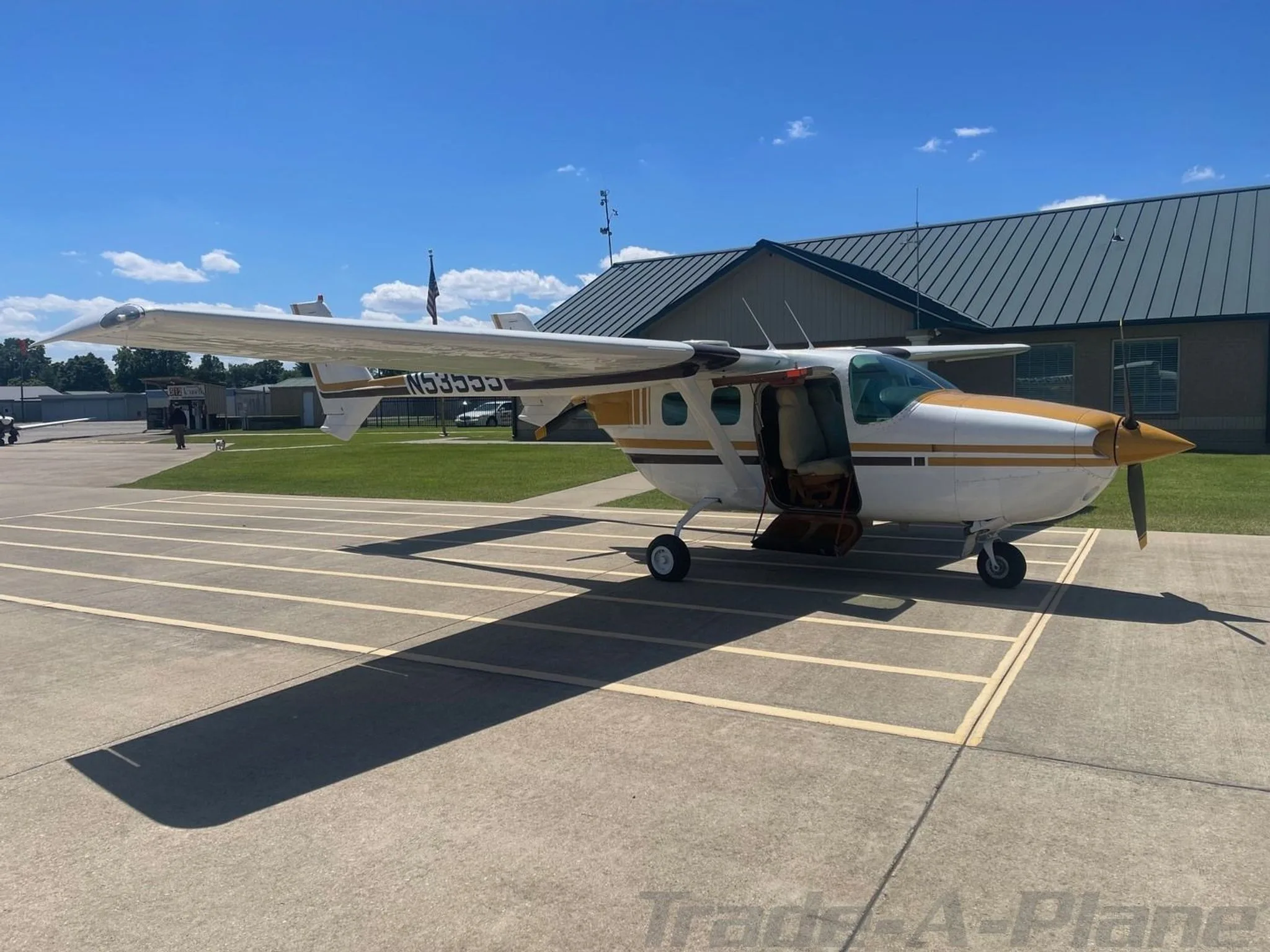
CESSNA 337G for sale now


Free — save the 337G to your watchlist and track it in one place.
More CESSNA 337Gmanuals & documents
See all 27 →- Inspection Authorization Information GuideType Certificate
- FUEL - FUEL STRAINER INSPECTIONMaintenance Manual
- Type Certificate Data SheetType Certificate
- CAPR 130-2, Civil Air Patrol Aircraft Maintenance ManagementTraining Manual
- Aircraft ChecklistsChecklist
- The National FAA Safety Team PresentsSupplemental Type Certificate
- Installation Guide For Vizion PMA Autopilot - Bendix/KingWiring Diagram
- R1224 REGULATOR INSTALLATION INSTRUCTIONS P/N 12-1001Wiring Diagram
- Advisory Circular: Standardized Procedures for Obtaining Approval of Data Used in the Performance of Major Repairs and Major AlterationsAdvisory Circular
- Type Acceptance Report - TAR 17/21B/26 - CESSNA F337 SeriesOther Documents
- Airworthiness Directive Schedule Aeroplanes Cessna 337 SeriesService Bulletins
- Type Acceptance Report TAR 18/21B/4 – Cessna 337 SeriesOther Documents
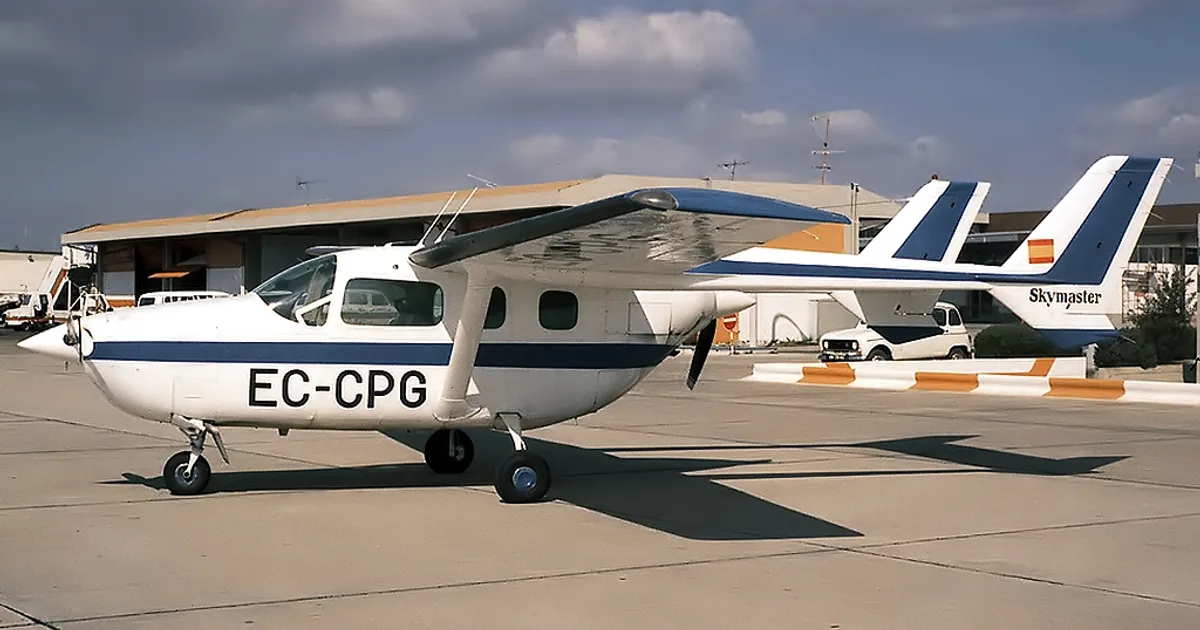
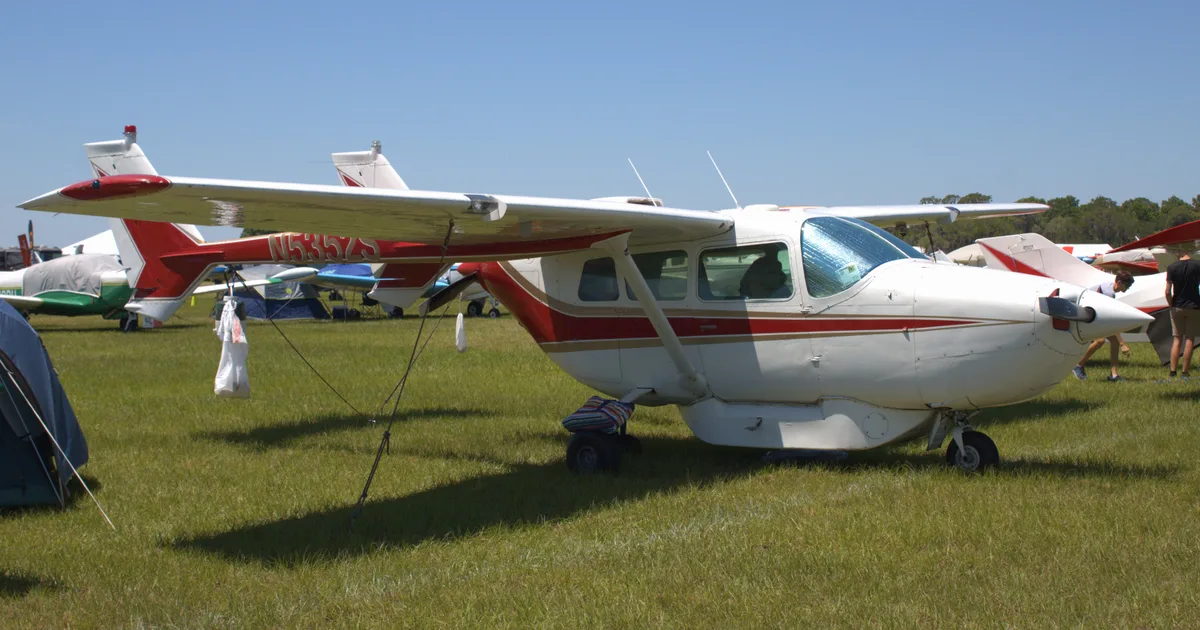
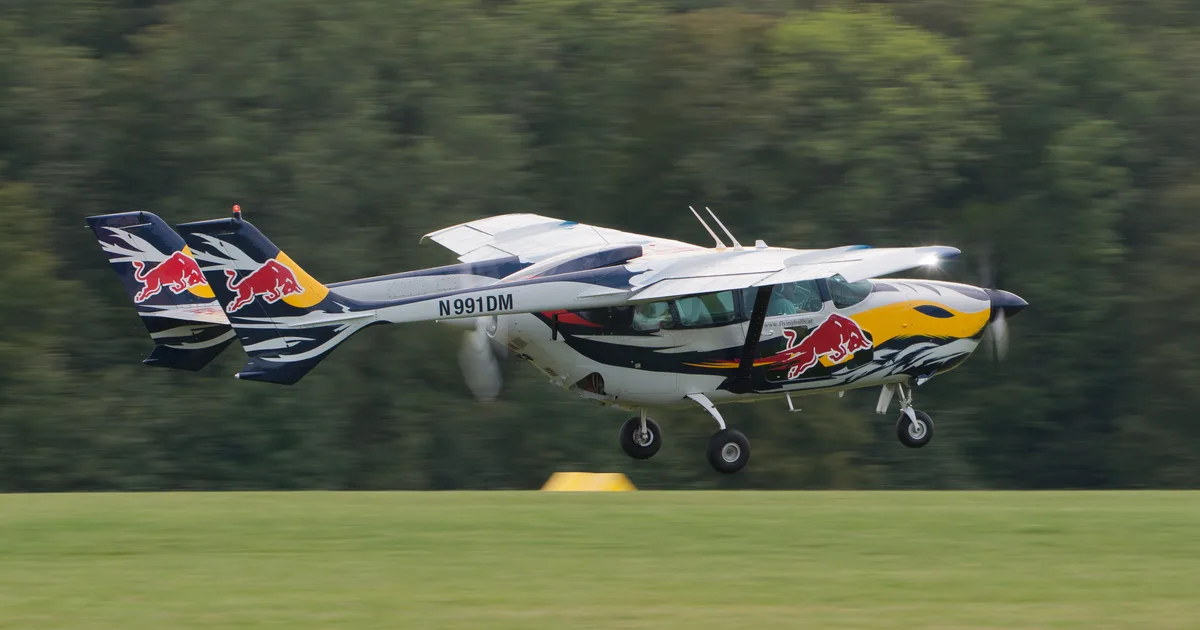
If you fly the CESSNA 337G, you may also be researching these.


In this document
Purpose of the Advisory Circular
The AC outlines the acceptable means for demonstrating that an aircraft is configured to meet the operational requirements of Part 135. It is not mandatory but serves as a guideline for operators.
Scope of the Document
The document details the responsibilities of operators in ensuring that their aircraft are airworthy and compliant with FAA regulations. It emphasizes the need for proper maintenance and documentation.
Configuration Inspection Steps
Operators must verify registration, maintenance compliance, and proper installation of equipment. The inspection process includes checking for major repairs and alterations, as well as ensuring that all necessary documentation is in order.
Operations Specifications (OpSpecs)
The AC describes the required contents of OpSpecs, which detail the operational and aircraft configuration information that must be submitted to the FAA for review and authorization.
Job Aid for Configuration Inspection
Appendix A provides a job aid to assist operators in performing the configuration inspection, which is necessary for adding an aircraft to their certificate.
Safety notes
- Operators are responsible for ensuring that all major repairs and alterations are documented and compliant with FAA regulations.
- Failure to maintain proper documentation can lead to operational and legal issues.
Full document text
U.S. Department of Transportation Federal Aviation Administration Advisory Circular Subject: Part 135 Operator Aircraft Configuration Inspection Date: 9/25/18 AC No: 135-44 Initiated by: AFS-300 Change: 1 PURPOSE OF THIS ADVISORY CIRCULAR (AC). This AC provides information concerning the placement of aircraft into service for Title 14 of the Code of Federal Regulations (14 CFR) part 135 commuter and on demand operations. This AC is not mandatory and does not constitute a regulation. This AC describes an acceptable means, but not the only means, to demonstrate the aircraft to be operated is configured to the operational requirements of part 135. The terms “should” and “recommend” are used when following the guidance is recommended but not required to comply with this AC. 2 AUDIENCE. This AC applies to operators who conduct part 135 commuter and on demand operations and are seeking to add an aircraft to their Operating Certificate. 3 WHERE YOU CAN FIND THIS AC. You can find this AC on the Federal Aviation Administration’s (FAA) website at http://www.faa.gov/regulations_policies/advisory_circulars. 4 SCOPE. As a certificate holder or applicant for a part 135 commuter and on demand operation, there must be an aircraft, authorized by the Administrator, attached to the certificate. The aircraft must be in an airworthy condition and configured to meet the operational requirements of part 135. It is the responsibility of the operator to determine the airworthiness of the aircraft and configure the aircraft to the operational requirements of part 135. The configuration inspection must be conducted by the operator. In the inspection, the operator will: 4.1 Verify the aircraft is registered, the appropriate registration information is contained on the Airworthiness Certificate, and the information on the Airworthiness Certificate and the registration document are identical. 4.2 If the aircraft is leased, the lease must contain a provision for the sole possession, control, and use for flight (including arrangements for performing required maintenance) to the lessee. The certification team will review the aircraft lease to verify it contains the appropriate requirements. 4.3 Verify the aircraft has been maintained in accordance with 14 CFR parts 21, 43, and 91. (Refer to Section 6, Terms and Conditions, of the Airworthiness Certificate.) 9/25/18 AC 135-44 2 4.4 Verify the equipment authorized by the Supplemental Type Certificates (STC) has been installed correctly, the instructions for continued airworthiness (ICA) have been complied with, the data has been recorded per parts 43 and 91, and the data was submitted to the FAA Aircraft Registration Branch as required by part 43 appendix B. 4.5 Verify all major repairs and alterations, including field approvals, have been performed appropriately and the data was submitted to the FAA Aircraft Registration Branch as required by part 43 appendix B. 4.6 Perform any modifications or alterations to the aircraft to conform it to the operating requirements of part 135. 4.7 Establish procedures to enable the acceptance of this aircraft, and any other aircraft, into the organization. This includes the selection of a maintenance or inspection program as required to be entered into the maintenance records. These procedures must also be able to capture, track, and document all required maintenance to include life-limited parts. 5 OPERATIONS SPECIFICATIONS (OPSPECS). 5.1 OpSpecs Content. Title 14 CFR part 119, § 119.49 defines the contents required in OpSpecs. The operator is responsible for providing the details of their operation and aircraft configuration in accordance with § 119.49 for review and authorization by the FAA principal inspectors (PI) in the operator’s OpSpecs. The operator should contribute the information required for the OpSpecs when the operator performs the configuration inspection. 5.2 Web-Based Operations Safety System (WebOPSS). If authorized operator personnel have been trained in and the PI has approved industry access to WebOPSS, the authorized personnel can prepare the aircraft changes in the aircraft list in WebOPSS and draft the required OpSpecs for review by the PI. If the PI authorizes the proposed OpSpecs, he/she can then sign and issue the OpSpecs to the operator. 6 JOB AID. The job aid in Appendix A, Configuration Inspection, will assist the operator with performing the configuration inspection required to authorize an aircraft for use on the certificate. This procedure is also referred to as “adding an aircraft to the certificate.” The job aid will also assist the operator with establishing a procedure to be documented in the manual required by part 135, § 135.23(s). Although single pilot operators with OpSpec A040, Single Pilot Operator, issued are not required to develop a manual, it is recommended they use this AC as a guide and consider documenting a procedure. 6.1 Authorization Steps. Table 1 contains the steps to obtaining authorization for the appropriate OpSpecs. 9/25/18 AC 135-44 3 Table 1. Steps to Obtain Authorization 1 Operator Decide what you want to do with the aircraft and where you want to do it, and how you will maintain and inspect the aircraft. See Appendix C, Checklist for Operations Specifications, which describes most of the available options. Request guidance from the PIs as needed. 2 Operator Confirm that the aircraft, crew, and company procedures will meet the specific requirements related to what you want to do. Refer to the applicable sections of 14 CFR parts 43, 91, and 135, and the OpSpecs in WebOPSS. 3 Operator Perform the configuration inspection. See Appendix A. 4 Operator Send a letter to the responsible Flight Standards District Office (FSDO) requesting all of the following (see the sample letter in Appendix B): • To add the aircraft to WebOPSS, • To authorize each kind and area of operation you want, and • To authorize the maintenance and/or inspection programs you want.
Show full textShow less
Attach any revisions to your manual, to include training programs, operating procedures, Minimum Equipment List (MEL), and maintenance and/or inspection programs as needed to support what you want. 5 Operator Describe the aircraft configuration and any airworthiness limitations using the worksheets and checklists in Appendix A, Section 1 and Section 2. Include attachments Section 3 and Section 4 to show compliance with the requirements. Provide copies of all documents that support compliance as confirmed in step two above. 6 Operator/ Administrator Receive validation, acceptance, and approval: Receive approval from the PIs for the documents or revisions that require specific approval. All other documents must be acceptable to the FAA before OpSpecs can be issued. If necessary, the FAA may require your demonstration of aircraft compliance, pilot proficiency, validation of operations procedures, training program, and maintenance and/or inspection programs. Be sure to allow time for this process. 7 Operator Register insurance and economic authority: The operator must either hold a Certificate of Public Convenience and Necessity (CPCN) under 14 CFR part 204 from the Office of the Secretary of Transportation (OST) as a commuters air carrier or be registered with OST as an air taxi operator under 14 CFR part 298 (using OST Form 4507). All aircraft must also have and maintain aircraft accident liability insurance coverage on file with OST according to 14 CFR part 205 (using OST Form 6410). The required OST Forms 4507 and 6410 can be obtained at https://www.faa.gov/about/office_ org/headquarters_offices/avs/offices/afx/afs/afs200/afs260/exemptions/. The PIs must verify that any aircraft being added to a part 135 certificate is properly registered and has aircraft insurance on file with OST before the aircraft can be authorized via the OpSpecs. 9/25/18 AC 135-44 4 8 Operator/ Administrator Using the information proved by the operator, the OpSpecs will be revised as needed. The aircraft make, model, and series (M/M/S) will be authorized by OpSpec A003, Aircraft Authorization, and the specific aircraft will be authorized by registration number in OpSpec D085, Aircraft Listing. Any other requested areas of operation will be authorized by the appropriate OpSpecs. 6.2 Documents. Gather the following documents. 1. Copy of Aircraft Records. These can be obtained from the Aircraft Certification Branch. They can be requested via the Internet (there is a fee) at http://www.faa.gov/licenses_certificates/aircraft_certification/aircraft_registry /copies_aircraft_records/. 2. Type Certificate Data Sheet (TCDS). This can be downloaded and printed from http://rgl.faa.gov/Regulatory_and_Guidance_Library/rgMakeModel.nsf/ Frameset?OpenPage. 3. Copy of FAA Registry Aircraft Inquiry. This can be obtained from http://registry.faa.gov/aircraftinquiry/. 7 AC FEEDBACK FORM. For your convenience, the AC Feedback Form is the last page of this AC. Note any deficiencies found, clarifications needed, or suggested improvements regarding the contents of this AC on the Feedback Form. Rick Domingo Executive Director, Flight Standards Service 9/25/18 AC 135-44 Appendix A A-1 APPENDIX A. CONFIGURATION INSPECTION SECTION 1 AIRCRAFT & OPERATOR INFORMATION Check if this is an UPDATE/REVISION 1.1 OPERATOR AND AIRCRAFT INFORMATION Operator’s Legal Name Operator’s Certificate Number Registered Owner Enter exactly as shown on the registration certificate (see NOTE below) Address City/State/Zip Aircraft Make Complete Model & Series Number Serial No Registration Number N Date of Manufacture or Construction (from the data plate if available) or Date of Original Airworthiness Certificate (Maintenance Record Entry) Airport Designator Configuration Check One Passenger Seats Class of Operation Condition Ops Base All Cargo Certificated SEL MEL IFR Maint. Base (Records) Combi SES MES IFR/VFR Passenger Installed SEL/SES MEL/MES Day/Night PAX & Cargo Amphibian Rotorcraft Day Only NOTE: The registered aircraft owner(s) legal name must be identical to the certificate holder’s legal name or you must provide a copy of a lease or other agreement that shows how the air carrier will control the operation and maintenance of the aircraft. See FAA Guidance on Leases. 1.2 SCHEDULE OF EVENTS If an event or item is applicable, please enter your estimated date, otherwise leave blank. Certification Phase 3—DOCUMENT COMPLIANCE Certification Phase 4—DEMONSTRATION & INSPECTION (All documents must be approved or found acceptable before this phase) Event Planned Submission Date Event Planned Date(s) Deviation Request (For Proving Test Flights) Pilot Training Pilot Training Program/Revision Flight Attendant Training (As Required) Flight Attendant Training Program/Revision (As Required) Maintenance Training [10-or More 135.411(a)(2)] Maintenance Training Program [10-or More 135.411(a)(2)] FAA Verification of Operator’s Conformity Inspection (The aircraft must be ready for operations in accordance with part 135) Plan for Proving Test or Validation Proving Test Flights Final Compliance Statement Pilot Testing and Checking Economic Authority, any changes to air taxi aircraft registration and insurance require using OST Forms 4507 and 6410, respectively (refer to AC 135-44, Table 1, step 7) Flight Attendant Testing Validation Test Flights Other: PHASE 5 FAA CERTIFICATION and/or OPSPECS PROPOSED COMPLETION DATE 1.3 CONTACT INFORMATION Name Phone Email Fax Director of Maintenance Director of Operations 9/25/18 AC 135-44 Appendix A A-2 SECTION 2 AIRWORTHINESS LIMITATIONS FOR OPERATIONS SPECIFICATIONS PART D FOR THIS AIRCRAFT NOTE: This information is for aircraft maintenance and airworthiness part D operations specifications. Part numbers and document numbers must be complete and accurate. 2.1 ADDITIONAL REQUIRED AIRCRAFT INFORMATION For Operations Under § 135.411(a)(1) Only Refer to AC 135-7 (as revised) for Guidance AIRCRAFT: Enter the aircraft manufacturer’s maintenance document identification number or part number here: Aircraft Maintenance Manual Read Note 1 Revision Level Date Item Make & Model Maintenance/Overhaul Document ID or Part Number Read Note 1 Time-In-Service Document ID or Part Number Read Note 2 Time-In-Service Interval ENGINE (Left or Single Engine) ENGINE (Right if applicable) PROPELLER/ROTOR (Left or Single Engine) PROPELLER/ROTOR (Right if applicable) PROPELLER GOVERNOR (Left or Single Engine) PROPELLER GOVERNOR (Right if applicable) PRIMARY GOVERNOR OVERSPEED GOVERNOR NOTE 1 Please enter the exact name, identification or part number, revision level, and date of the publication(s) under which the item will be maintained (normally these are the airframe and the engine, propeller, and governor service manuals). Include a copy of the front page of each maintenance document and copies of relevant supporting records. NOTE 2 Please identify the manufacturer's publication(s) by exact number and title that specify the overhaul/replacement time, or time-in-service interval for the item. (This information is often located in a service bulletin.) Include a copy of the front page of each maintenance document and copies of relevant supporting records. 2.2 MAINTENANCE & INSPECTION HISTORY Parts 43 & 91 Before this application, the aircraft was maintained and inspected under the following maintenance and/or inspection programs: (Please check) Annual Inspections, 91.409(a) Progressive Inspections, 91.409(d) 100-Hour Inspections, 91.409(b) Last 91.411 and 91.413 Inspection CAMP/CAIP [121 or 135.411(a)(2)], 91.409(f)(1) AAIP Under 135.419 and 91.409(c)(2) or (f)(2) Manufacturer’s Program, 91.409(f)(3) Other Approved Program, 91.409(f)(4) 9/25/18 AC 135-44 Appendix A A-3 2.3 INTENDED (NEW) MAINTENANCE & INSPECTION PROGRAM UNDER PART 135 135.411 Under our air carrier certificate, the aircraft will be inspected and maintained as indicated below: § 135 411(a)(1) Maintained according to parts 43 and 91 and inspected under (select one): Annual inspections and 100-hour inspections under § 91.409(a) and (b) Progressive inspections under § 91.409(d) Approved Aircraft Inspection Program (AAIP) under § 135.419 and § 91.409(c)(2) or (f)(2) Current inspection program recommended by the manufacturer under § 91.409(f)(3) OR § 135.411(a)(2) Inspected and maintained according to a Continuous Airworthiness Maintenance Program (CAMP) under § 91.409(f)(1) and §§ 135.427 through 135.443 (required for 10-or-more pax aircraft, optional for others) 2.4 ANTICIPATED AIRCRAFT USE ESTIMATED TOTAL (Parts 91 and 135) TAKEOFFS PER MONTH ESTIMATED TOTAL (Parts 91 and 135) FLIGHT HOURS PER MONTH 2.5 EMERGENCY EQUIPMENT [135.421] Refer to AC 135-7 (as revised) for guidance. A/C Make/Model Registration N Item Part Number Description or Part Name Manufacturer’s Maintenance Document Life Limits or Inspection Intervals Portable Breathing Equip (PBE) Smoke-Masks/ Goggles/Hoods Eng Fire Ext Eng Fire Ext Squibs N2 Blow-Down Bottles Squib for N2 Bottle Portable O2 Equipment Crew O2 Masks Pax O2 Masks O2 Cylinder O2 Pressure Regulators O2 Generators Emergency Power Supplies, List Each List any Other Emergency Equipment not listed on this page on another sheet. Part Number Description or Part Name Manufacturer’s Maintenance Document Life Limits or Inspection Intervals 135.155 PORTABLE FIRE EXTINGUISHERS Make/Model Aircraft Location 91.205(b)(12) FOR OPERATIONS BEYOND POWER-OFF GLIDING DISTANCE FROM SHORE Approved Personal Floatation Gear (required) Number Installed: One for each seat Pyrotechnic Signaling Device (required) 9/25/18 AC 135-44 Appendix A A-4 135.167 FOR EXTENDED OVERWATER OPERATIONS (a) The following are conspicuously marked and easily accessible to the occupants if ditching occurs: Note: Floatation gear that meets § 91.205(b)(12) might not meet § 135.167. Life preserver w/light for each occupant Make/Model Liferafts equipped as specified in § 135.167(b) & (c) Make/Model 91.207 Automatic Type (AF or AP) Emergency Locator Transmitter—(Not S-Survival Type for Liferafts) Make/Model TSO-C91 TSO-C91a TSO-C126 2.6 MAJOR ALTERATIONS 91.417(a)(2)(vi) LIST ALL MAJOR ALTERATIONS THAT CURRENTLY APPLY TO THE AIRCRAFT: (Remember to evaluate the impact of a major alteration and/or STC on MEL procedures.) DATE 337 block 7 Instructions For Continued Airworthiness (ICA) Scheduled Inspection or Maint.* On Condition STC or Field Approval In Block 3 (Yes or No) Flight Manual Supplement Required (Yes or No) Impact to Pilot’s Checklist (Yes or No) Brief Description of the Major Alteration *ICA items requiring periodic inspection or maintenance must be tracked by the operator. Use additional copies of this page as needed. 2.7 REQUIRED MAINTENANCE & INSPECTION DATA YOU MUST PROVIDE THE FOLLOWING INFORMATION (any convenient format; current paper or computer tracking records may be acceptable if they provide the information indicated below). Refer to § 91.417(a)(2). Some of this is information similar to that required by § 135.71 and for which you should already have a form. (i) The total time in service of The Airframe: L Engine: R Engine: Each Propeller: Each Rotor: (ii) The current status of life-limited parts of each airframe, engine, propeller, rotor, and appliance. (attachment) (iii) The time since last overhaul of all items installed on the aircraft which are required to be overhauled on a specified time basis. NOTE: This includes all items that are required to be overhauled by the manufacturer of the item. (attachment) (iv) The current inspection status of the aircraft, including the time since the last inspection required by the inspection program under which the aircraft and its appliances are maintained. NOTE: This includes all appliances that require inspection. (attachment) (v) The current status of applicable airworthiness directives (AD) including, for each, the method of compliance, the AD number, and revision date. If the AD involves recurring action, the time and date when the next action is required. The listing must comply with § 91.417(a)(2)(v). (attachment) 135.105 Autopilot or IFCS Below list only components having life-limit or periodic inspection requirements. Make & Model: Autopilot Component Part Number Description or Part Name Manufacturer’s Maintenance Document Life Limits or Inspection Intervals Autopilot is capable of operating the aircraft controls to maintain flight and maneuver it about the three axes. 9/25/18 AC 135-44 Appendix A A-5 SECTION 3 AIRCRAFT COMPLIANCE STATEMENT FOR PART 135 OPERATIONS 3.1 ALL AIRCRAFT A/C Make/Model Registration N INSTRUCTIONS FOR SECTION 3: • Please refer to part 135 subpart C, Aircraft and Equipment, and part 91 as applicable, for the specific requirements of the items listed below. • Check the box next to the item to indicate that it meets the requirements of the rule. • Provide all additional information indicated. 135.143 General requirements (a) For each item marked or recorded in any field, the applicant certifies that the equipment meets the applicable Federal aviation regulations. Indicate items that do not apply by “NA.” (b) All required instruments and equipment not originally installed by the aircraft manufacturer are approved as shown by FAA Form(s) 337 which are listed in Section 2.6 of this document and are available for inspection by the FSDO, and are in operable condition. (Revised text to conform to the rule.) 135.143(c) ATC transponders* Mode S If not Mode S, Date Installed * ATC Transponder Make & Model Yes No #1 #2 *NOTE: For part 135 operations, ATC transponders installed after January 1, 1992, must be Mode S. *Warning: Be aware that by January 1, 2020, you must be equipped with ADS-B Out to fly in most controlled airspace. Federal regulations §§ 91.225 and 91.227 contain the details. 135.144 Portable electronic devices Attach a list of all portable electronic devices intended to be used by the flightcrew or enter “none”: . Results of interference testing for PED used by crew and passengers. 135.147 Dual controls are installed 135.149 Equipment requirements: General (a) Altimeter(s): Sensitive & adjustable for barometric pressure (b) Carburetor: Heat/deice or Pressure carburetor: Alternate air source (c) For turbojet airplanes: Third artificial horizon installed according to § 121.305(j) 135.156 Flight data recorders: Filtered data 135.157 Oxygen equipment: Meets all requirements See Section 2.5 if this box is checked. 135.159 Passenger carrying under VFR at night or VFR over-the-top conditions (a) Gyroscopic rate-of-turn indicator (b) Slip skid indicator (c) Gyroscopic bank-and-pitch indicator (d) Gyroscopic direction indicator (e) Generators meeting FAR specifications (f) For night flight authorization: Anti-collision light system Instrument lights 2 "D-Cell” flashlight or equivalent 135.160 Radio altimeter or deviation for rotorcraft 135.161 VFR communication and navigation equipment for navigation by pilotage See the tables under § 135.165 (next page) for equipment information. 135.163 Passenger carrying under IFR (a) Vertical speed indicator (b) Free air temperature indicator (c) Heated pitot tube for each airspeed indicator (d) Gyroscopic power source indicator or power failure warning indicator (e) Alternate static source (f) Single-engine aircraft (Generator/load combination as specified) (g) Multiengine aircraft: (Two generators loaded as specified) (h) Two independent sources of energy as specified to power gyroscopic instruments 135.181 Performance requirements: Aircraft operated over-the-top or in IFR conditions 135.183 Performance requirements: Land aircraft operated over water 135.185 Empty weight and center of gravity: Currency requirement For multiengine aircraft: Date Last Weighed: 135.605 Helicopter Terrain Awareness and Warning System (HTAWS) 135.607 Flight data monitoring system 9/25/18 AC 135-44 Appendix A A-6 3.1 ALL AIRCRAFT (continued) A/C Make/Model Registration N 135.165 Communication and Navigation Equipment: Extended Overwater or IFR Carrying Operations Navigation Equipment Installed Make/Model Date Installed Make/Model Date Installed VOR 1 * VOR 2 * DME 1 DME 2 ADF 1 ADF 2 ILS Receiver Marker Beacon GPS Equipment installed Misc. Equipment Installed * Indicates FM Immunity for European Operations Make/Model Indicate All Sensors Approved For 1 Date Installed Flight Management System or NAV Management System GPS TSO # & Class INS/IRS Other Short-Range RNAV VOR/DME or DME/DME-FMS WAAS Nonprecision Approaches Remote/Oceanic RNP Type(s) Time Limits BRNAV PRNAV VNAV En Route/Terminal ONLY 2 Date Installed Flight Management System or NAV Management System GPS TSO # & Class INS/IRS Other Short-Range RNAV VOR/DME or DME/DME-FMS WAAS Nonprecision Approaches Remote/Oceanic RNP Type(s) Time Limits BRNAV PRNAV VNAV En Route/Terminal ONLY If a third navigation system is installed, please attach the information indicated above for that system. Installed Equipment and Systems Two microphones Two headsets (with boom mic required if CVR is installed) or One headset and one speaker Make/Model Date Installed Make/Model Date Installed VHF COM 1 8.33 KHz Spacing* VHF COM 2 8.33 KHz Spacing* VHF COM 3 8.33 KHz Spacing* UHF COM 1 UHF COM 2 HF COM 1 HF COM 2 SATCOM ADS-B ADS-C Data Link OTHER *Required for certain operations outside the U.S. NOTICE: TO AVOID DELAYS IN APPROVAL, provide the following for each navigation or communication system listed above: (Electronic copies in PDF format are acceptable.) Copies of the installation approval documents (original/updated equipment list or FAA Form 337) and Flight manual sections or supplements that show approval of the aircraft and equipment for the requested operations. Contact the FSDO if there are any questions. 9/25/18 AC 135-44 Appendix A A-7 PLEASE COMPLETE THIS PAGE ONLY IF APPLICABLE 3.2 TURBINE-POWERED, TURBOJET, AND/OR TEN-OR-MORE PASSENGER AIRCRAFT A/C Make/Model Registration N Proving Test Flights 135.145 NOT REQUIRED REQUIRED Proving test plan is scheduled on page A-1 Proving tests are scheduled on page A-1 Request for deviation is scheduled on page A-1 Additional Equipment Requirements 135.150 Public address and crewmember interphone systems Make/Model/Series Date Installed 135.151 Cockpit Voice Recorders 135.151(d) Dual Headsets with Boom Mics 135.152 Flight Data Recorders 135.154 Terrain Awareness and Warning System (TAWS) Class A Class B Warning: Ensure all TAWS functions are active. If any are deactivated, the system no longer meets TSO-C151( ). 135.158 Pitot heat indication systems Additional Airworthiness Requirements 135.169 (a) For all large airplanes (more than 12,500 pounds, maximum certificated takeoff weight): The aircraft: Is a commuter category airplane, or Meets the additional requirements of §§ 121.215 through 121.283, and 121.307. (b) For Reciprocating-engine airplanes configured for ten-or-more passengers or For Turbopropeller-powered Small Airplanes configured for ten-or-more passengers: Meets all applicable conditions specified in § 135.169(b). (c) For all ten-or-more pax small airplanes, state the maximum passenger seating configuration (d) Cargo or baggage compartments: All transport category airplanes type certificated after January 1, 1958. Each Class C or D cargo compartments is not greater than 200 cubic ft in volume, or Meets all applicable conditions specified in § 135.169(d). 135.170 Materials for compartment interiors 135.171 Shoulder harness installation at flight crewmember stations Make/Model/Series Date Installed 135.173 Airborne thunderstorm detection equipment requirements 135.175 Airborne weather radar equipment requirements 135.177 Emergency equipment requirements for aircraft having a passenger seating configuration of more than 19 passengers 135.180 Traffic Alert and Collision Avoidance System (TCAS) TCAS I TCAS II TCAS II software version 7 or higher? Yes No RVSM Requirements 91.180 Aircraft was built to RVSM requirements as shown in the type certificate. Aircraft was modified to RVSM requirements under Service Bulletin or STC on (date) A copy of the maintenance sign-off is included with this conformity statement. 9/25/18 AC 135-44 Appendix A A-8 SECTION 4 PART 135 AIRWORTHINESS CHECKLIST It is highly recommended you use this checklist frequently and especially before presenting the aircraft to the FAA for inspection or before an FAA check ride. A/C Make and Model Registration N INSPECTION ITEMS Check if the item meets all applicable FAR Requirements CERTIFICATES AND REGISTRATION The Registration Certificate is on board and current. The Airworthiness Certificate is on board and current. The Radio Station License is on board and current (optional). OPERATING LIMITATIONS FAA-approved Aircraft Flight Manual (AFM) or Pilot’s Operating Handbook is current, complete, and in serviceable condition. AFM contains Flight Manual Supplements (AFMS) that are current and applicable to the installed autopilot/flight director, navigation equipment, and other installed equipment to which an AFMS applies. AFMSs that do not apply to the aircraft are stowed to prevent their use. All required placards are secure and readable. The flight deck contains all operating manuals and/or placards required by the AFM and AFMSs, type certificate (TC), STC, or FAA Forms 337. All switches, circuit breakers, controls, etc., are properly labeled. AFM contains current weight and balance data, and all obsolete weight and balance data is superseded; or, for aircraft not requiring an AFM, the current weight and balance and equipment list is in the aircraft. AFM contains a current and complete equipment list. For multiengine aircraft, the AFM contains a weighing record showing the aircraft was weighed within the last three years. The record includes an equipment list, which describes the approved aircraft configuration at the time of weighing. The weighing record has the signature and certificate number of the person or agency doing the work and the date of completion. AIR CARRIER OPERATIONS DOCUMENTS Aircraft Maintenance Log (§ 135.65) is on board and contains no open mechanical irregularities. The document provided for compliance with § 135.71 is on board and current. Minimum Equipment List (MEL) is on board and current, if applicable. Air Carrier Operations Manual (or applicable parts) is on board and current. Deferred Maintenance Log contains no items deferred beyond the time allowed in the MEL. The operator’s name or certificate number is displayed and readable from the ground as required by § 119.9. PASSENGER SAFETY All internal cabin placards required by the TC or the AFM are secure and readable. Passenger briefing cards meet part 135 requirements. (Refer to AC 121-24 for more information regarding the Passenger Safety Information Briefing and Briefing Cards.) Required emergency equipment is on board, properly stowed, and inspected. (See Section 2.6.) Approved cargo restraints are in place. GENERAL AIRWORTHINESS The aircraft has the proper equipment and approval documentation required by part 135 subpart C. All external placards, required by the TC or the AFM, are secure and readable. All cowl fasteners, screws, etc., are secure. Antennas are free from erosion. ADF/HF long-wire antenna is under spring tension. All static wicks are installed; none are broken except as deferred under an MEL. No broken bonding straps. The aircraft make, model and serial number data are on the outside of the fuselage. All instruments, systems, and equipment are operating properly or deferred under an MEL; the aircraft is airworthy and legal to fly. MAINTENANCE RECORDS The maintenance records show that all airworthiness inspections are current, including annual/100-hr or scheduled inspection, altimeter, encoder, static system, ATC transponder, etc. All required maintenance, including maintenance of life-limited items, is current. Review and verify the TCDS and any STC for items that affect operations and maintenance (e.g., electronic system security special conditions). The maintenance records include an Airworthiness Directive (AD) listing showing that all ADs are complied with, including recurring ADs. The listing must comply with § 91.417(a)(2)(v). I certify that, to the best of my knowledge, the information contained in this report is complete and accurate. Signature (or other qualified title) Certificate Number Date 9/25/18 AC 135-44 Appendix B B-1 APPENDIX B. SAMPLE LETTER [EXAMPLE: INSERT COMPANY LETTERHEAD, NAME AND ADDRESS] [Insert Date] [Mr./Ms.] [Insert Name] Principal Maintenance Inspector Federal Aviation Administration Flight Standards District Office 1234 Anywhere St., Suite 100 City, State 12345-6789 Dear [Mr./Ms.] [Insert last name of the principal maintenance inspector]: This is to apply for amended operations specification (OpSpec) paragraph D085 [if new make/model aircraft, insert “and A003”, else hit delete] to add [insert the aircraft make, model, series] registration number [insert the registration number including N] to our air carrier operation. Please see the following attachments for details of this application. Attachment Section 1 provides: • Additional information about the aircraft. • Our Schedule of Events for the activities needed to add the aircraft to our fleet. • Names and contact information for personnel assigned to this project. Attachment Section 2: Airworthiness Limitations Information for Operations Specifications Part D. Documents for Approval: We include the documents checked below for your review and approval. Checklist for Operations Specifications: A004 is included to show OpSpec paragraphs to add or that need revision for operations with this aircraft. We attached information that shows the aircraft is equipped and approved for each requested operation. We developed or are developing the written procedures and training programs related to those operations. The Schedule of Events in Section 1 includes dates for completion of the documents and for training and demonstrations of proficiency where required. Minimum Equipment List (MEL) (mandatory attachment if you will use an MEL). Approved Aircraft Inspection Program (AAIP). (The AAIP is an optional program to be developed by the operator. It is a mandatory attachment if determined to be used.) Continuous Airworthiness Maintenance Program (CAMP) (mandatory attachment for 10-or-more-passenger aircraft operations; optional for all other aircraft). Reduced Vertical Separation Minimum (RVSM) Operations and Training Programs (mandatory attachment(s) for aircraft operated between FL290 and FL410 inclusive; refer to § 91.180 and AC 91-85). Procedures to conduct a pretakeoff contamination check during ground icing conditions (refer to AC 135-16). (If not included, OpSpec A041 may be delayed.) 9/25/18 AC 135-44 Appendix B B-2 Deviation request (mandatory attachment if a deviation is required; e.g., reduction in proving test flight time). Training program revision (mandatory if any training is required to add the aircraft or operation). Documents for Acceptance: We include the documents checked below for your review and acceptance. Aircraft Lease (mandatory attachment if the air carrier is not the legal owner of the aircraft; refer to § 135.25(b) and the above link to lease guidance). Revision to the Operations Manual (mandatory for any change to the MEL or other part 135 operations document). Attachment Section 3: Aircraft Compliance Statement and supporting documents. Attachment Section 4: Airworthiness Checklist and inspection statement showing the aircraft is ready for operations under part 135. Proof of DOT Economic Registration (mandatory attachment for first aircraft; provide within 30 days after adding any additional aircraft). The data required by Section 2.7, Required Maintenance & Inspection Data. Please contact the persons indicated in Attachment Section 1 for any questions concerning this application. Please let us know immediately if you are not able to accommodate our schedule of events. Sincerely, [Insert name and title] Attachments 9/25/18 AC 135-44 Appendix C C-1 APPENDIX C. CHECKLIST FOR OPERATIONS SPECIFICATIONS Use the information provided below to prepare the required procedures for operations, maintenance, and training, as applicable. Use this information to prepare for validation and proficiency checks that may be required. Contact your principal inspector (PI) for information as needed. Note: If adding an aircraft, please only check paragraphs that are new or that require revision related to the aircraft you want to add. X Part # Purpose A 005 Conduct operations under certain exemptions and/or deviations. A 011 Use an approved carry-on baggage program. A 013 Conduct extended overwater turbojet operations without required emergency equipment. A 014 Conduct special en route instrument flight rules (IFR) operations in Class G airspace. A 015 Use an autopilot in lieu of a second-in-command. A 017 Use an approved security program in helicopter operations. A 018 Conduct scheduled passenger helicopter operations. A 019 Use automotive gasoline as aircraft fuel. A 020 Conduct 14 CFR part 135 airplane operations without instrument-rated pilots. A 021 Conduct helicopter emergency medical services/air ambulance operations in accordance with part 135. A 022 Use an approved exit row seat program. A 023 Determine ground icing conditions for the purpose of flight (using an approved deicing/anti-icing procedure in accordance with part 135, § 135.227(b)(3)). A 024 Conduct airplane air ambulance operations under part 135. A 025 Use the electronic signatures, electronic recordkeeping systems, or electronic manual system listed in A025. A 027 Conduct land-and-hold-short operations (LAHSO) at designated airports and specified runway configurations as identified by Air Traffic Services (ATS) in Order JO 7110.118. A 028 Conduct aircraft wet lease arrangements. A 029 Use an aircraft interchange agreement under 14 CFR part 119, § 119.49. A 031 Make arrangements with training centers and other organizations for certificate holder training in accordance with § 135.324. A 032 Adopt flightcrew member flight time limitations rules to establish flight attendant duty and flight time limitations and rest restrictions. 9/25/18 AC 135-44 Appendix C C-2 X Part # Purpose A 033 Conduct certain part 135 operations in accordance with flight and rest time limitations under §§ 135.261 through 135.273. A 034 Conduct operations using an approved Advanced Qualification Program (AQP) in accordance with 14 CFR part 121 subpart Y, §§ 121.901 through 121.925. A 037 Conduct commuter and on-demand operations as a basic part 135 operator in accordance with the deviation provisions of §§ 135.21(a) and 135.341(a). A 038 Conduct on-demand operations as a basic part 135 operator in accordance with the deviation provisions of §§ 119.69(b), 135.21(a), and 135.341(a). A 039 Conduct single pilot-in-command operations as a part 135 operator in accordance with the deviation provisions of §§ 119.69(b), 135.21(a), and 135.341(a). A 040 Conduct operations as a single pilot operator. A 041 Conduct a pretakeoff contamination check during ground icing conditions for part 135 operators. A 042 Conduct part 135 aircraft operations without a deicing/anti-icing procedure. A 046 Conduct single-engine IFR (SEIFR) passenger-carrying operations under part 135. A 050 Conduct Helicopter Night Vision Goggle Operations (HNVGO). A 051 Conduct en route Airplane Night Vision Goggle Operations (ANVGO) and any additional authorized ANVGO in accordance with part 135 and the limitations and provisions of Operations Specification (OpSpec) A051. A 055 Accept, handle, and carry materials regulated as hazardous materials (hazmat). A 056 Conduct data link communications. A 057 Conduct “eligible on-demand operations” as defined in and in accordance with § 135.4. A 061 Use an Electronic Flight Bag (EFB) in the aircraft as part of an authorized EFB Program. A 096 Use only actual passenger and baggage weights (no combinations of average and actual weights) for all its aircraft. A 097 Use any combination of actual, standard average (or segmented), or survey-derived average weights in its small cabin aircraft passenger and baggage weight program. A 098 Use any combination of actual, standard average (or segmented), or survey-derived average weights for its medium cabin aircraft. A 099 Use any combination of actual, standard average (or segmented), or survey-derived average weights for its large cabin aircraft. A 153 Conduct Automatic Dependent Surveillance–Broadcast (ADS-B) Out operations outside of U.S.-designated airspace. 9/25/18 AC 135-44 Appendix C C-3 X Part # Purpose A 160 Conduct part 135 rotorcraft operations without the radio altimeter equipment required by § 135.160(a), under a deviation as provided in § 135.160(b) and in accordance with the limitations and provisions of Letter of Deviation Authority (LODA) A160. A 304 Conduct the Airline Transport Pilot (ATP) Certification Training Program (CTP), required by 14 CFR part 61, § 61.156 for all ATP applicants, subject to the conditions and limitations in OpSpec A304. A 323 Conduct airplane operations using a Liquid Water Equivalent System (LWES). A 348 Allow persons eligible under § 121.547(a)(3) access to the flightdeck using the Continuing Analysis and Surveillance System (CASS) program and/or the Flight Deck Access Restriction (FDAR) program in accordance with the limitations and provisions of A348. A 355 Use ADS-B In equipment and procedure(s) as specified in A355. A 501 Suspend its liability insurance due to seasonal operations. A 502 Use the air carrier merger and/or acquisition plan. A 504 Conduct the ATP CTP, required by § 61.156 for all ATP applicants, subject to the conditions and limitations in OpSpec A504. A 519 Conduct operations into the Democratic People’s Republic of Korea (DPRK). A 529 Conduct emergency operations to support a temporary regional disaster recovery. A 532 Conduct flight operations in accordance with Special Federal Aviation Regulations (SFAR) 112 (14 CFR part 91, § 91.1603) in the Tripoli (HLLL) flight information region (FIR) under a contract or subcontract, grant, or cooperative agreement with the sponsoring U.S. Government Entity. A 533 Conduct flight operations in accordance with SFAR 107 (14 CFR part 91, § 91.1613) in the territory and airspace of Somalia at altitudes below FL260 under a contract or subcontract, grant, or cooperative agreement with the sponsoring U.S. Government Entity. A 535 Conduct flight operations in accordance with SFAR 114 (14 CFR part 91, § 91.1609) in the Damascus (OSTT) FIR under a contract or subcontract, grant, or cooperative agreement with the sponsoring U.S. Government Entity. A 536 Conduct flight operations in accordance with SFAR 115 (14 CFR part 91, § 91.1611) in the specified areas of the Sanaa (OYSC) FIR under a contract or subcontract, grant, or cooperative agreement with the sponsoring U.S. Government Entity. A 999 Issue an International Civil Aviation Organization (ICAO) Air Operator Certificate (AOC) through the Web-based Operations Safety System (WebOPSS). B 029 Conduct operations using approved driftdown or fuel dumping procedures. 9/25/18 AC 135-44 Appendix C C-4 X Part # Purpose B 030 Conduct IFR en route Area Navigation (RNAV) operations in the State of Alaska using Technical Standard Order (TSO)-C145( )/C146( ) Global Positioning System (GPS)/Wide Area Augmentation System (WAAS) RNAV systems as the only means of IFR navigation in accordance with SFAR 97. B 032 Conduct IFR en route operations. B 034 Conduct Class I navigation using an area navigation system. B 035 Conduct Class I navigation in the U.S. Class A airspace using an area or long-range navigation system. B 036 Conduct oceanic and remote continental navigation using multiple long-range navigation systems (M-LRNS). B 037 Conduct operations in Central East Pacific (CEP) airspace. B 038 Conduct operations in North Pacific (NOPAC) airspace. B 039 Conduct operations in North Atlantic High Level Airspace (NAT HLA). B 040 Conduct operations in areas of magnetic unreliability. B 045 Conduct extended overwater operations using a single long-range communication system (SLRCS). B 046 Conduct operations in Reduced Vertical Separation Minimum (RVSM) airspace. B 048 Conduct air tour operations below an altitude of 1,500 feet above ground level (AGL) in the State of Hawaii. B 049 Conduct operations in the Grand Canyon National Park Special Flight Rules Area (GCNP-SFRA). B 054 Conduct oceanic and remote airspace navigation using a single long-range navigation system (S-LRNS). B 057 Conduct commercial air tour operations over certain national park(s) and tribal lands within or abutting those national park(s). B 059 Conduct operations in Canadian Minimum Navigation Performance Airspace (MNPS). B 342 Conduct Extended Operations (ETOPS) with two-engine airplanes. B 344 Conduct ETOPS in passenger-carrying airplanes with more than two-engines. B 450 Operate into/out of or overfly sensitive international area(s) as identified in B450 in accordance with the authorizations, conditions, and limitations of B050. C 048 Conduct the specified enhanced flight vision system (EFVS) operations under § 91.176 in accordance with the limitations and provisions in C048. C 049 Use a destination airport analysis program. C 051 Conduct terminal instrument operations using specific procedures and landing minima for airplanes. 9/25/18 AC 135-44 Appendix C C-5 X Part # Purpose C 052 Conduct operations using basic instrument approach procedures (IAP) for airplanes. C 054 Conduct IFR approach procedures using special IFR landing minimums for airplanes. C 055 Derive alternate airport weather minimums from the standard table for airplanes. C 057 Use IFR takeoff minimums for part 135 airplane operations—all airports. C 058 Conduct foreign terminal instrument procedures with special restrictions for airplanes. C 060 Conduct Category (CAT) II or CAT II and III instrument approach and landing operations in accordance with OpSpec C060. C 061 Use flight control guidance systems for airplane automatic landing operations other than CAT II and III. C 062 Use manually flown flight control guidance systems certified for airplane landing operations. C 063 Conduct IFR RNAV 1 and/or Required Navigation Performance (RNP) 1 instrument departure procedures, RNAV 1 and/or RNP 1 Standard Terminal Arrival Routes (STAR) published in accordance with 14 CFR part 97, and/or tailored arrivals (TA). C 064 Conduct nonscheduled passenger and/or all-cargo, special terminal area IFR airplane operations in Class G airspace and at airports without an operating control tower. C 065 Use powerplant reversing systems for rearward taxi in specific airplane operations. C 067 Operate airplanes with special airport authorizations, provisions, and limitations. C 068 Conduct noise abatement departure profile operations with its subsonic turbojet-powered airplanes over 75,000 pounds gross takeoff weight. C 070 Conduct scheduled operations at authorized airports. C 071 Use autopilot minimum use altitudes/heights in accordance with § 135.93 and the limitations and provisions of OpSpec C071. C 072 Conduct engine-out departure procedures with approved 10-minute takeoff thrust time limits. C 073 Use minimum descent altitude (MDA) as a decision altitude (DA)/decision height (DH) with vertical navigation (VNAV) on a nonprecision approach (NPA). C 075 Conduct airplane IFR circle-to-land approach maneuvers. C 076 Conduct airplane contact approaches using IFR CAT I landing minimums. C 077 Conduct certain part 135 turbojet operations in the terminal area using visual flight rules (VFR). 9/25/18 AC 135-44 Appendix C C-6 X Part # Purpose C 079 Conduct part 135 IFR airplane operations using lower-than-standard takeoff minima. C 080 Conduct scheduled passenger, special terminal area IFR airplane operations in Class G airspace and at airports without an operating control tower. C 081 Conduct the special IAP, departure procedure, STAR, and RNAV Visual Flight Procedure (RVFP) operations specified in OpSpec C081. C 300 Conduct RNAV operations substituting for part 97 instrument approaches. C 358 Conduct “RNP-like” foreign RNAV terminal instrument procedures with RNP lines of minima. C 382 Use landing performance assessment procedures that increase landing distances by at least an additional 15 percent at time of arrival for its turbojet airplane operations. C 384 Conduct RNP special aircraft and aircrew authorization required (SAAAR) approaches in accordance with part 97 and OpSpec C384. D 072 Conduct Continuous Airworthiness Maintenance Programs (CAMP). D 073 Use an Approved Aircraft Inspection Program (AAIP). D 074 Use a reliability program for the entire aircraft. D 075 Use a reliability program for airframe, powerplant, systems, or selected items. D 076 Use short-term escalation. D 077 Contractually arrange with other certificated operators for maintenance of the entire aircraft. D 078 Use the provisions of contractual agreements limited to specific maintenance functions. D 079 Participate in a reliability program under a contractual agreement. D 080 Use leased maintenance program authorization: U.S.-registered aircraft. D 082 Use specific aircraft for which prorated times have been established. D 083 Use short-term escalation authorization for borrowed parts that are subject to overhaul requirements. D 084 Conduct ferry flights under special flight permits (SFP) with continuing authorization. D 086 Use an ETOPS aircraft maintenance program. D 087 Use a maintenance program for leased foreign-registered aircraft. D 088 Use maintenance time limitations for operators with a partial reliability program. D 089 Use maintenance time limitations for operators without a reliability program. D 090 Use Coordinating Agencies for Suppliers Evaluation (CASE). D 092 Use listed airplanes for operations in designated RVSM airspace in accordance with B046 and D092. 9/25/18 AC 135-44 Appendix C C-7 X Part # Purpose D 093 Use an approved maintenance program for HNVGO. D 094 Use a Night Vision Imaging System (NVIS) and night vision goggles (NVG) on aircraft to conduct ANVGO per maintenance documents, under part 135. D 095 Use an approved minimum equipment list (MEL). D 101 Use aircraft with nine or less passenger seats with the additional maintenance requirements of § 135.421 applicable for aircraft engine, propeller, and propeller control (governor). D 102 Use aircraft with nine or less passenger seats with the additional maintenance requirements of § 135.421 applicable for rotorcraft operations. D 103 Use a single-engine aircraft maintained in accordance with §§ 135.411 and 135.421 in passenger-carrying IFR operations. D 104 Use aircraft with nine or less passenger seats with the additional maintenance requirements of § 135.421 applicable for emergency equipment. D 106 Suspend its liability insurance for specific aircraft in long-term storage or maintenance. D 301 Aircraft Network Security Program (ANSP) authorization E 096 Use Weight and Balance (W&B) control procedures. H 101 Conduct terminal flight operations under IFR—helicopter. H 102 Conduct operations using basic IAPs for helicopters. H 103 Conduct CAT I IFR landings other than airborne radar approaches— helicopter. H 104 Conduct IFR Helicopter En Route Descent Area (HEDA) procedure. H 105 Use alternate airport IFR weather minimums—helicopter. H 106 Conduct helicopter operations using standard takeoff minimums under part 135. H 107 Use special restrictions for foreign terminal instrument procedures— helicopter. H 108 Conduct helicopter CAT II operations. H 109 Conduct helicopter CAT III operations. H 110 Use flight control guidance systems for aircraft automatic landing operations—helicopter. H 111 Use manually flown flight control guidance systems certified for aircraft landing operations—helicopter. H 112 Conduct helicopter approach operations using an area navigation system. H 113 Conduct nonscheduled passenger and all-cargo (scheduled and nonscheduled) special terminal area IFR rotorcraft operations in Class G airspace. H 114 Use special airport authorizations, limitations, and provisions—helicopter. 9/25/18 AC 135-44 Appendix C C-8 X Part # Purpose H 116 Conduct helicopter operations using lower-than-standard takeoff minimums under part 135. H 117 Conduct helicopter CAT I, instrument landing system (ILS), microwave landing system (MLS), or GPS landing system (GLS) approach procedures with specific IFR landing minimums. H 118 Conduct helicopter circle-to-land maneuvers using IFR CAT I landing minimums. H 119 Conduct helicopter contact approaches using IFR CAT I landing minimums. H 120 Conduct operations in authorized airports for scheduled operations— helicopter. H 121 Conduct scheduled passenger terminal area IFR rotorcraft operations in Class G airspace. H 122 Conduct the special IAP, departure procedure, and STAR rotorcraft operations specified in OpSpec H122. H 123 Conduct Class I navigation using area or long-range navigation systems with WAAS for rotorcraft RNP 0.3 en route and terminal operations. Advisory Circular Feedback Form If you find an error in this AC, have recommendations for improving it, or have suggestions for new items/subjects to be added, you may let us know by contacting the Flight Standards Directives Management Officer at 9-AWA-AFB-140-Directives@faa.gov. Subject: AC 135-44, Part 135 Operator Aircraft Configuration Inspection Date: _____________________ Please check all appropriate line items: An error (procedural or typographical) has been noted in paragraph ____________ on page _______. Recommend paragraph _____________ on page __________ be changed as follows: ______________________________________________________________________ ______________________________________________________________________ In a future change to this AC, please cover the following subject: (Briefly describe what you want added.) ______________________________________________________________________ ______________________________________________________________________ Other comments: ______________________________________________________________________ ______________________________________________________________________ I would like to discuss the above. Please contact me. Submitted by: Date: ______________________
What's in the CESSNA 337G TCDS
A Type Certificate Data Sheet (TCDS) is the FAA's record of what an aircraft type was approved as. It is the source of truth for weights, seating, fuel and the rules the design was certified against. Expand any line to see what it means.
1,879 CESSNA 337G parts for sale
See all →

Parts listed for sale by vetted eBay sellers — confirmed on eBay at checkout.