Reims-Cessna F152 Model Guide
Reims-Cessna F152 · Model Guide
Overview
The Reims-Cessna F152 is a two-seat, single-engine piston trainer built from 1978 to 1985 by Reims Aviation, Cessna's French subsidiary. UK accident reports show a Lycoming O-235-L2C engine, which a Cessna 152 cheat sheet rates at 110 hp. It is a low-cost, sturdy trainer, but with full fuel and two average-size adults it sits close to maximum weight.
- Two seats, Lycoming O-235-L2C. A UK accident report gives maximum takeoff weight as 758 kg, so do weight and balance before every flight.
- Flight Manual takeoff roll is 252 m, or 466 m to 50 ft, at 736 kg, 18°C and a paved runway. Add 15% of the ground roll for dry grass.
- Ask for logbook proof of the McCauley 1A103/TCM propeller hub crack inspections and the vertical fin attach nutplate inspections.
- Carburettor ice is a recurring issue on the 150/152 family. Confirm the carb heat works and ask how the owner uses it.
Summary written by AI from the source document. Check the original before relying on it. See which parts of Sprinkle are written by AI.
Reference only, not for flight. Use the current approved manual for your aircraft. See terms, section 5.
Document
Source
Copy found at sprinkle.com. Sprinkle hosts a reference copy with an added summary, specifications and searchable full text.
Document details
- Type ·
- Model Guide
- Year ·
- 2026
- File size ·
- 48 KB
- Copy found at ·
- sprinkle.com
Specifications & performance
Extracted from this document.
Specifications
- Seats ·
- 2
- Engine ·
- Lycoming O-235-L2C
- Engine power (hp) ·
- 110
- Fuel capacity (gal) ·
- 26
- Production end year ·
- 1,985
- Production start year ·
- 1,978
Performance
- Family max range (nm) ·
- 270
- Family max cruise speed (kt) ·
- 105
- Family max service ceiling (ft) ·
- 15,500
V-speeds
- ROTATION_SPEED_KTS ·
- 50
What engine does the Reims-Cessna F152 have?
The Reims-Cessna F152 in the UK accident reports has a single Lycoming O-235-L2C piston engine. A Cessna 152 cheat sheet rates this engine at 110 hp with a fixed-pitch McCauley propeller.
What is the Reims-Cessna F152 maximum takeoff weight?
An AAIB report states the maximum takeoff weight of the Reims-Cessna F152 as 758 kg. With full fuel and two adults the airplane can be near its limit, so plan weight and balance each flight.
Are there known airworthiness issues on the Reims-Cessna F152?
Yes. The Reims-Cessna F152 is listed in the McCauley 1A103/TCM propeller hub crack bulletin. An airworthiness directive on vertical fin attach brackets and nutplates also applies to some F152 serial numbers. Check compliance records.
What is the Reims-Cessna F152 Model Guide?
The Reims-Cessna F152 Model Guide is a model guide for the Reims-Cessna F152, dated 2026.
What year was the Reims-Cessna F152 Model Guide published?
The Reims-Cessna F152 Model Guide — the Reims-Cessna F152 model guide on file — is dated 2026.
Common. More common than 99% of the aircraft models we track.
Most owners only have the POH. Here's the essential set for the Reims-Cessna F152.
- Pilot's Operating Handbook / AFM
- Checklist
- Maintenance Manual
- Parts Catalog (IPC)
- Systems & Wiring
- Service Bulletins on file
- Type Certificate (TCDS)
Reims-Cessna F152 for sale now
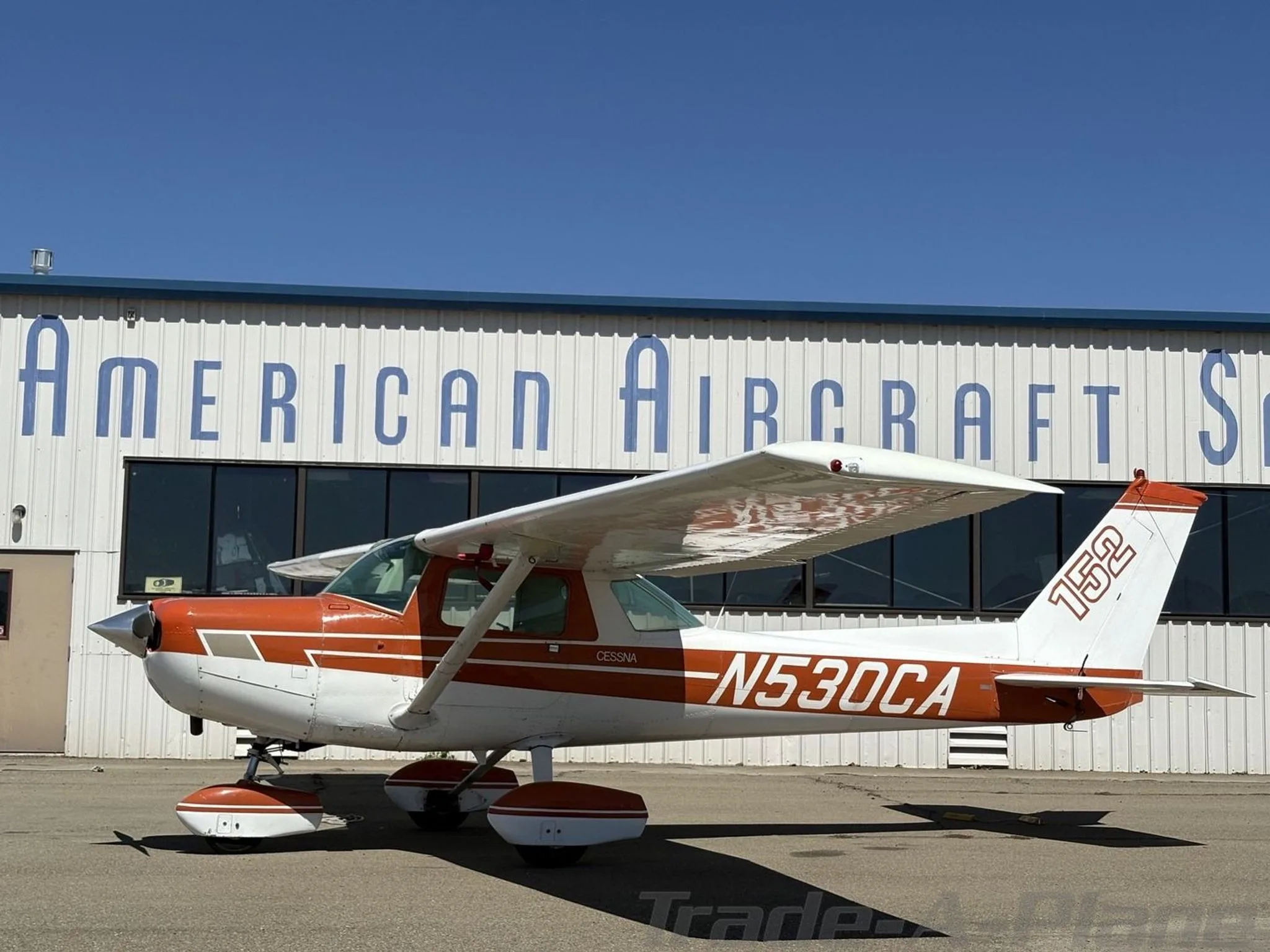
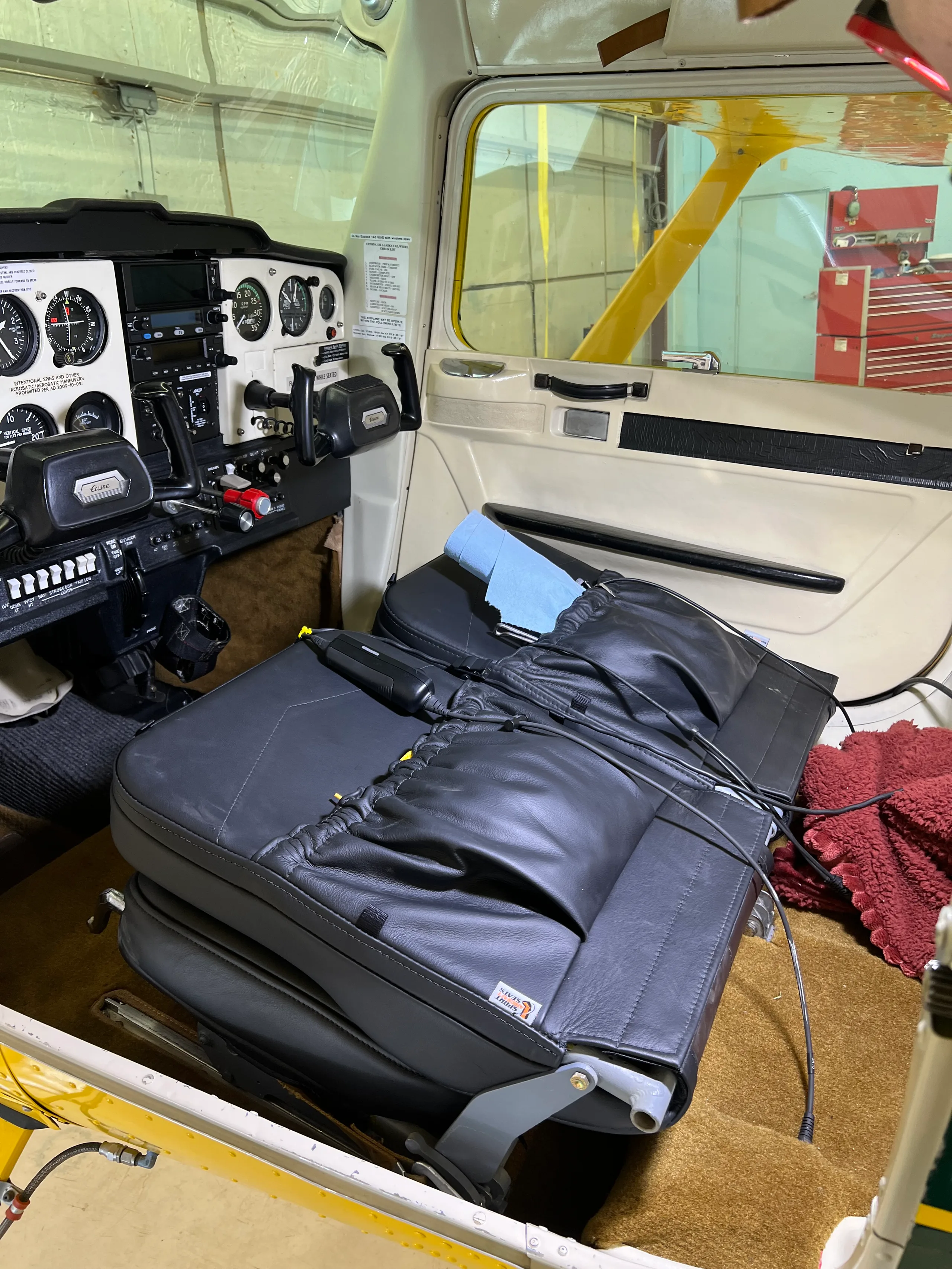
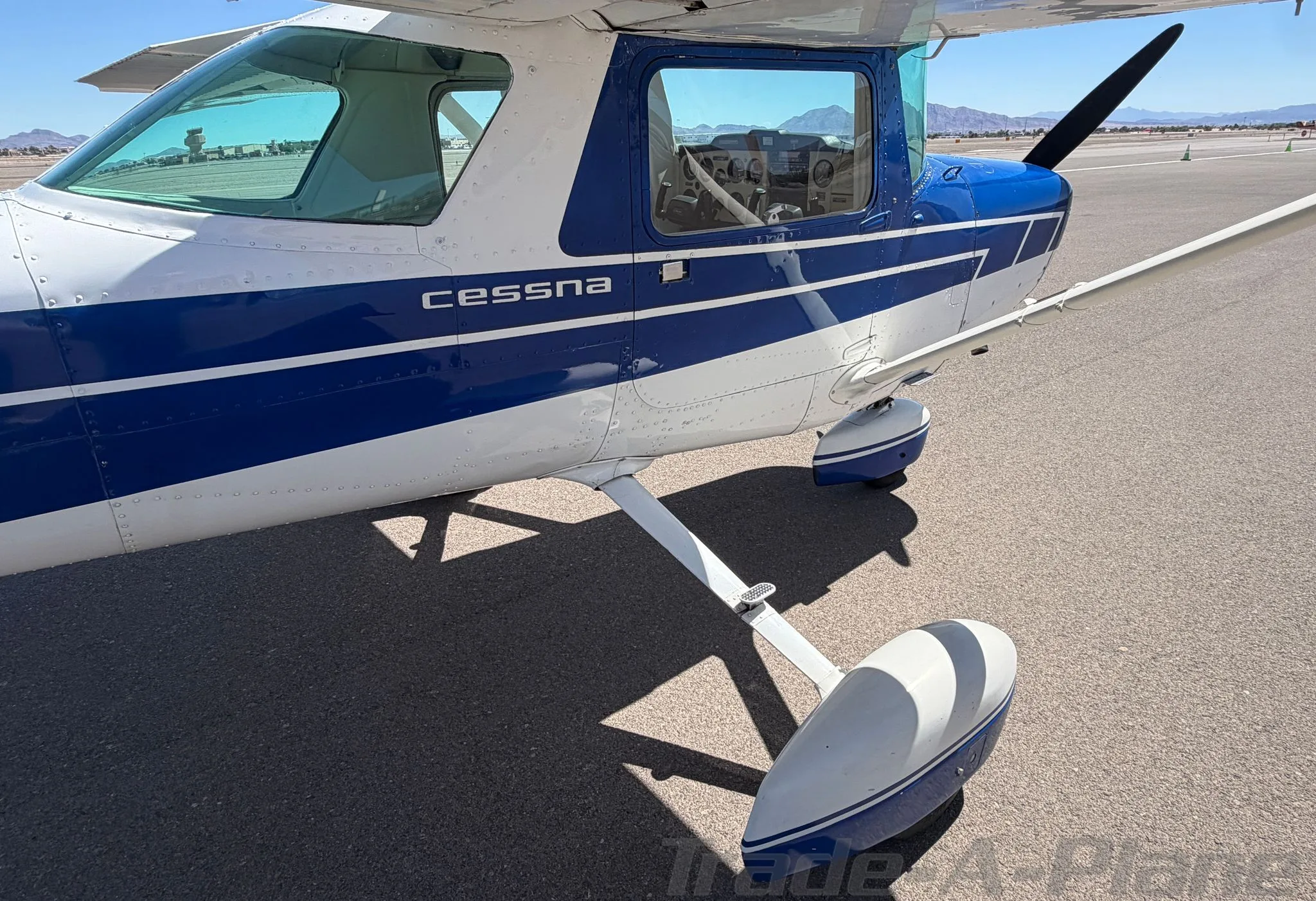
Free — save the 152 to your watchlist and track it in one place.
More Reims-Cessna F152manuals & documents
See all 16 →- AAIB Bulletin: 12/2023Other Documents
- Airworthiness Directive AD/CESSNA 150/31 Amdt 5Service Bulletins
- AAIB Bulletin: 9/2020Other Documents
- Type Certificate Data Sheet No. A13EUFlight Manual
- AAIB Bulletin: 4/2018Other Documents
- AAIB Bulletin: 10/2011Other Documents
- ALERT SERVICE BULLETIN ASB221EService Bulletins
- AAIB Bulletin: 7/2009Other Documents
- AAIB Bulletin: 12/2007Other Documents
- CESSNA 152 TRAINING MANUALTraining Manual
- PROPELLER INSTALLATION INSTRUCTIONS FOR SENSENICH S72CKS6 PROPELLER ON CESSNA 152/REIMS AVIATION CESSNA 152 AIRCRAFTMaintenance Manual
- PROPELLER INSTALLATION INSTRUCTIONS FOR SENSENICH S72CKS6 PROPELLER ON CESSNA 152/REIMS AVIATION CESSNA 152 AIRCRAFTMaintenance Manual
If you fly the Reims-Cessna F152, you may also be researching these.



In this document
What you are buying
A high-wing, two-seat trainer. A magazine overview credits the 150/152 family with low operating cost, sturdiness and easy maintenance. More than 28,000 Cessna 150s and 152s were built, plus another 2,200 by Reims for Europe. Expect a cramped, noisy cabin and light-wing behaviour in turbulence and crosswinds.
Inspection and records to check
The McCauley 1A103/TCM propeller hub can crack near the mounting bolt holes (ASB221E lists the F152). For props with 1,500 hours or more, or unknown time, the inspection is due within 50 hours. It then repeats every 36 months or 750 hours. The vertical fin attach AD calls for inspection every 100 hours until the nutplates are replaced. It applies to F152 serials F15201429 through F15201828.
Performance and limits
The Flight Manual figures are unfactored. The UK CAA Safety Sense leaflet advises a 1.33 safety factor on takeoff distances. Rotation speed in the report was 50 KIAS. The registry lists the 152 family at up to 105 kt cruise, 270 nm range and 15,500 ft service ceiling. These are family maxima, not F152 figures.
Summary written by AI from the source document. Check the original before relying on it. See which parts of Sprinkle are written by AI.
Safety notes
- Alcohol-based fuels are prohibited on Cessna airplanes because they can degrade performance and damage fuel system parts.
- Carburettor ice features in many 150/152 accidents. A 2023 F152 engine failure occurred in conditions conducive to serious carb icing.
- A 2008 F152 hit a hedge after an aborted grass takeoff at 736 kg, close to the 758 kg maximum. Allow generous margins on grass.
Summary written by AI from the source document. Check the original before relying on it. See which parts of Sprinkle are written by AI.
Full document text
Reims-Cessna F152 Model Guide The Reims-Cessna F152 is a two-seat, single-engine piston trainer built from 1978 to 1985 by Reims Aviation, Cessna's French subsidiary. UK accident reports show a Lycoming O-235-L2C engine, which a Cessna 152 cheat sheet rates at 110 hp. It is a low-cost, sturdy trainer, but with full fuel and two average-size adults it sits close to maximum weight. • Two seats, Lycoming O-235-L2C. A UK accident report gives maximum takeoff weight as 758 kg, so do weight and balance before every flight. • Flight Manual takeoff roll is 252 m, or 466 m to 50 ft, at 736 kg, 18°C and a paved runway. Add 15% of the ground roll for dry grass. • Ask for logbook proof of the McCauley 1A103/TCM propeller hub crack inspections and the vertical fin attach nutplate inspections. • Carburettor ice is a recurring issue on the 150/152 family. Confirm the carb heat works and ask how the owner uses it. What you are buying A high-wing, two-seat trainer. A magazine overview credits the 150/152 family with low operating cost, sturdiness and easy maintenance. More than 28,000 Cessna 150s and 152s were built, plus another 2,200 by Reims for Europe. Expect a cramped, noisy cabin and light-wing behaviour in turbulence and crosswinds. Inspection and records to check The McCauley 1A103/TCM propeller hub can crack near the mounting bolt holes (ASB221E lists the F152). For props with 1,500 hours or more, or unknown time, the inspection is due within 50 hours. It then repeats every 36 months or 750 hours. The vertical fin attach AD calls for inspection every 100 hours until the nutplates are replaced. It applies to F152 serials F15201429 through F15201828. Performance and limits The Flight Manual figures are unfactored. The UK CAA Safety Sense leaflet advises a 1.33 safety factor on takeoff distances. Rotation speed in the report was 50 KIAS. The registry lists the 152 family at up to 105 kt cruise, 270 nm range and 15,500 ft service ceiling. These are family maxima, not F152 figures. Safety notes: • Alcohol-based fuels are prohibited on Cessna airplanes because they can degrade performance and damage fuel system parts. • Carburettor ice features in many 150/152 accidents. A 2023 F152 engine failure occurred in conditions conducive to serious carb icing. • A 2008 F152 hit a hedge after an aborted grass takeoff at 736 kg, close to the 758 kg maximum. Allow generous margins on grass.